About PiVi

This author has not yet filled in any details.
So far PiVi has created 1593 blog entries.

XPS creep: why compressive strength alone is not enough

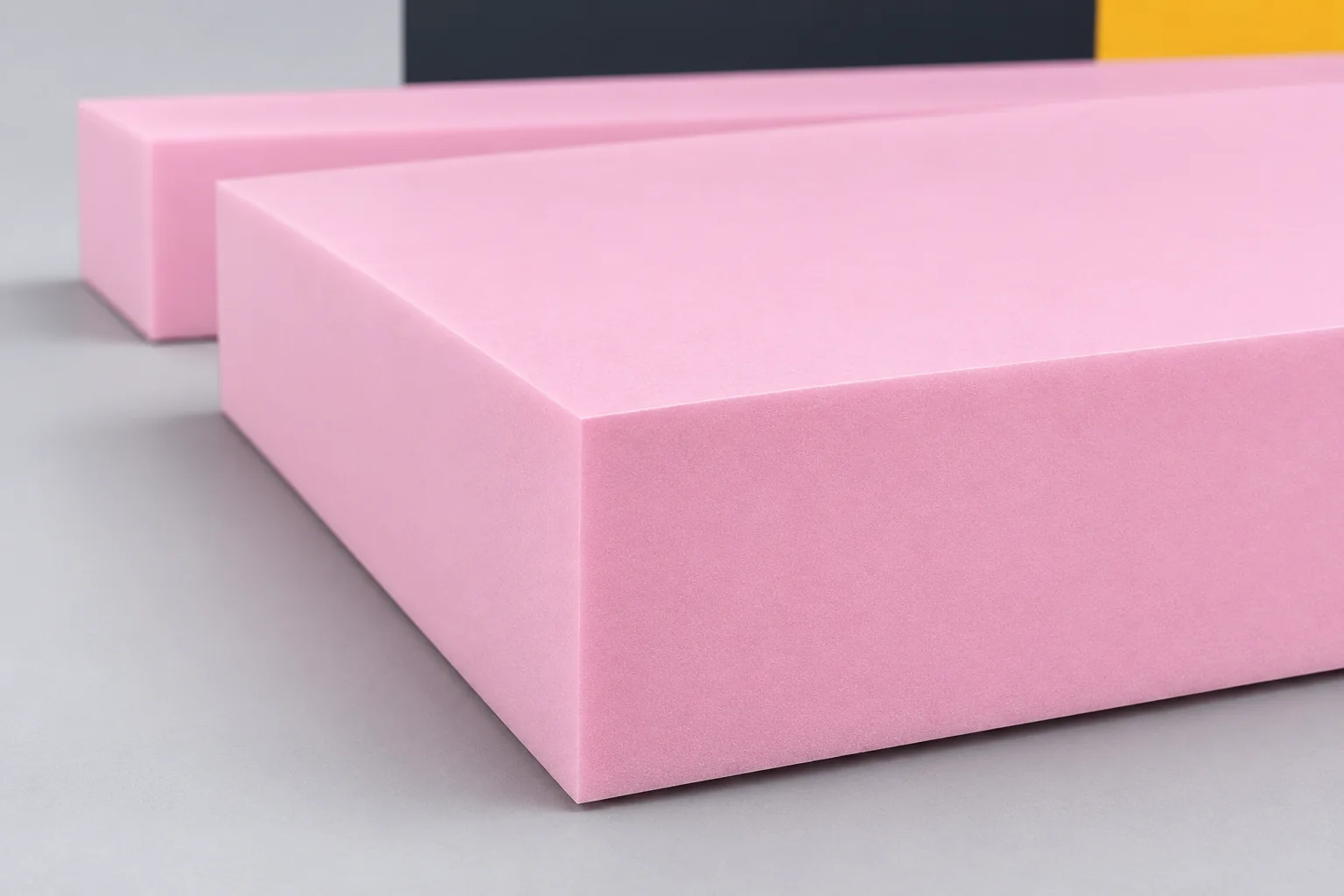
An XPS board can carry a load for many years. This happens under a floor finish, beneath terrace layers or under a suitably designed foundation. For these applications, short-term compressive resistance is not the only thing that matters. Extruded polystyrene must also be assessed for creep, that is, the change in deformation under a sustained load. This parameter helps to select the material for conditions where stable support and a limited change in layer thickness matter. The material may deform at the moment of loading and then change shape as time passes. This later part of the behaviour is the essence of creep. XPS comes in variants with different properties, so the data for the specific product are needed for calculations.
By |2026-11-16T05:27:24+01:002022-09-17|Building guide|Comments Off on XPS creep: why compressive strength alone is not enough

Finding thermal bridges in buildings with corrugated fibre cement roofs

Even a thick layer of insulation may not provide uniform protection if heat finds an easier path through the junctions. Thermal bridges often occur in places that are not visible once the work is finished. Fibre cement sheets are the outer part of the roof and do not automatically resolve these details. Asbestos-free fibre cement must be considered together with the structure and the insulation. It is precisely at their interface that the causes of cold strips or local dampness should be sought. A cold spot may result from easier heat flow through the material, but also from air leakage. The symptoms may be similar, but the repairs are different. A structural thermal bridge will not disappear by simply taping the membrane.

By |2026-11-15T17:56:39+01:002022-09-14|Building guide|Comments Off on Finding thermal bridges in buildings with corrugated fibre cement roofs

Why increasing EPS thickness from 10 to 20 cm does not halve heating bills

Doubling the thickness of EPS doubles the thermal resistance of the insulation itself, but does not automatically halve the heat losses of the whole wall or the heating bill. A wall also has other layers, and a building loses heat through the roof, windows and ventilation. It is worth separating the U-value calculation from the balance of the whole house. Only then can the real value of each additional centimetre be assessed. For the same lambda, the thermal resistance of a layer is R = d/λ. If the thickness increases from 10 to 20 cm, the thermal resistance of the EPS doubles. This is a simple relationship concerning the material. However, the U-value of a wall is the reciprocal of the sum of the thermal resistances. It covers the masonry, the finish and the relevant surface resistances, and in a full assessment also the appropriate corrections.

By |2026-11-16T05:27:55+01:002022-09-13|Building guide|Comments Off on Why increasing EPS thickness from 10 to 20 cm does not halve heating bills

A double row of metal fence pickets: planning depth and views through the fence

Two rows of pickets create a spatial arrangement that cannot be assessed from a flat front view alone. Offsetting the elements affects what can be seen through the gaps. A second layer of shadows and a more pronounced depth of the bay are also added. Metal fence pickets can thus screen a selected part of the property more effectively. However, this is not automatically a full wall. The design should cover the geometry of both rows, the structure and the view from several directions. Before choosing the spacing, mark the observation points. This may be the pavement by the street, the neighbouring garden or the entrance area. Also check the position of people sitting on the terrace. A two-row arrangement is worth designing for specific viewing directions. Simply adding another layer of material does not guarantee the same effect from every side.

By |2026-11-15T17:54:34+01:002022-09-10|Building guide|Comments Off on A double row of metal fence pickets: planning depth and views through the fence

Thermal movement and joints in long parapet copings

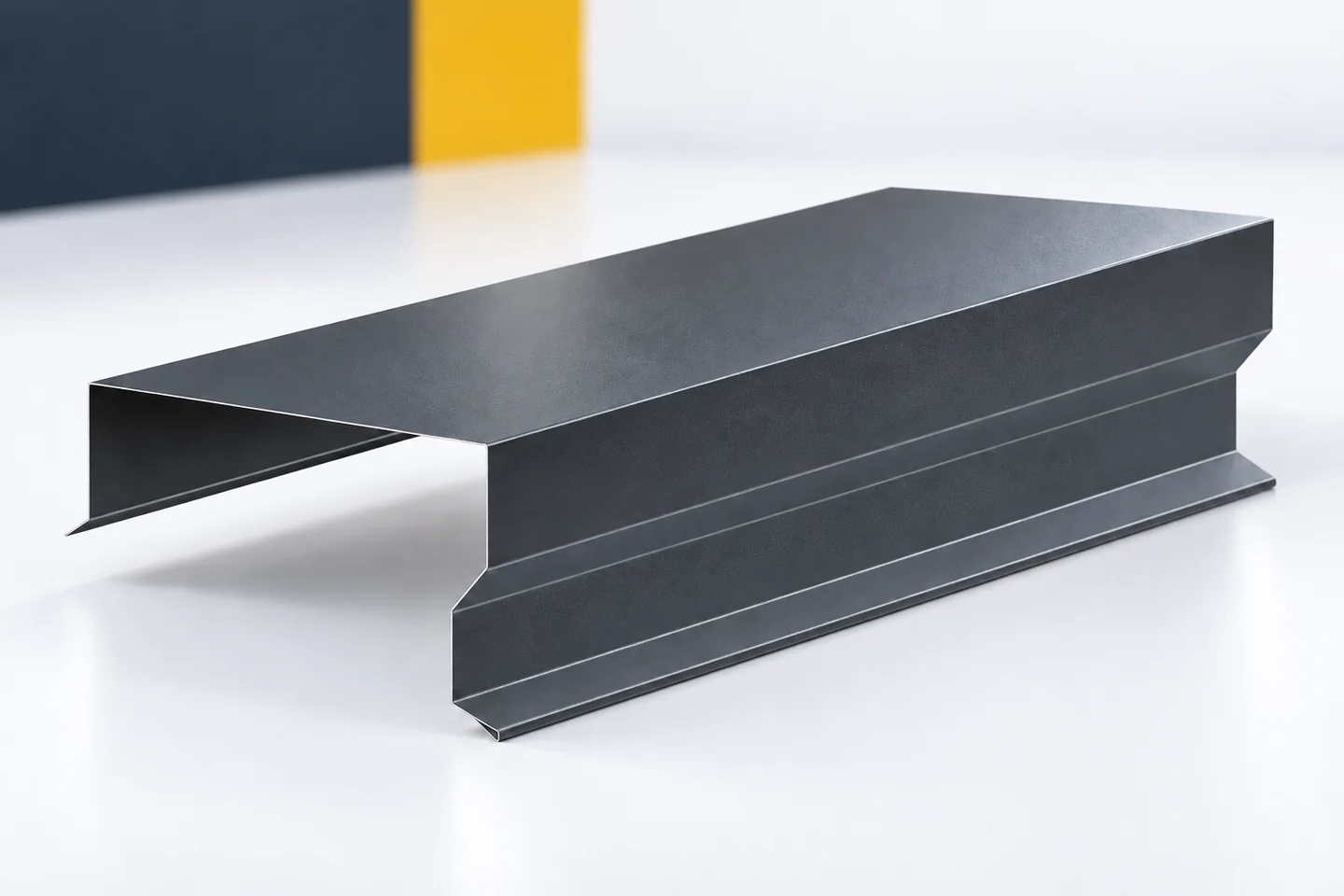
A long parapet cover changes dimensions with temperature. As it heats up, the steel expands; as it cools, it contracts. The detail should account for this process in how sections are divided and fixed. Choosing an attractive coating is not enough. The substrate, shape and connections must also be addressed. The flashing can then perform its function without unintentionally stressing the entire strip. Thermal expansion is a property of the material. With a small element the change may be slight, but over a long run it becomes more noticeable. As a guide, a steel element three metres long can change length by about 1.8 millimetres with a temperature change of fifty degrees.

By |2026-11-15T03:03:52+01:002022-08-27|Building guide|Comments Off on Thermal movement and joints in long parapet copings

XPS vapour diffusion resistance: what does the μ factor mean?

In XPS documentation, alongside the lambda value and strength, you can find the diffusion resistance coefficient μ. It describes how the material behaves with regard to water vapour penetration by diffusion. This is a different property from water absorption by immersion. Extruded polystyrene has a specific diffusion resistance, and in the finished building element the thickness of the layer also matters. Understanding these data helps to assess the thermal and moisture behaviour of the system without oversimplifications about "breathing" or completely sealed walls. The μ value shows how great a diffusion resistance the material has compared with a stationary layer of air of the same thickness. It is a dimensionless quantity. A higher value means greater resistance to vapour diffusion.

By |2026-11-16T05:27:26+01:002022-08-24|Building guide|Comments Off on XPS vapour diffusion resistance: what does the μ factor mean?

Vertical metal fence pickets: using slim lines in the garden design

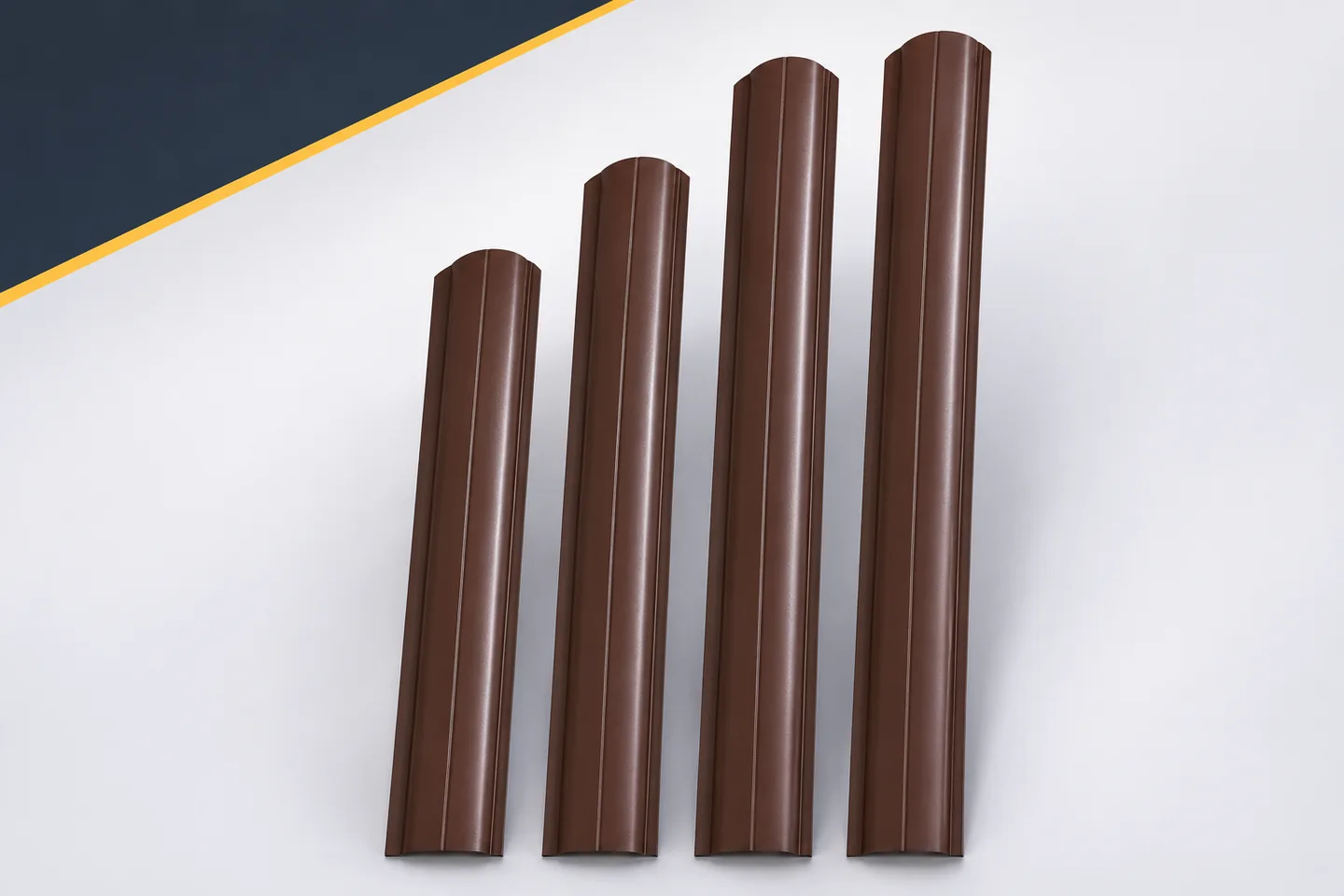
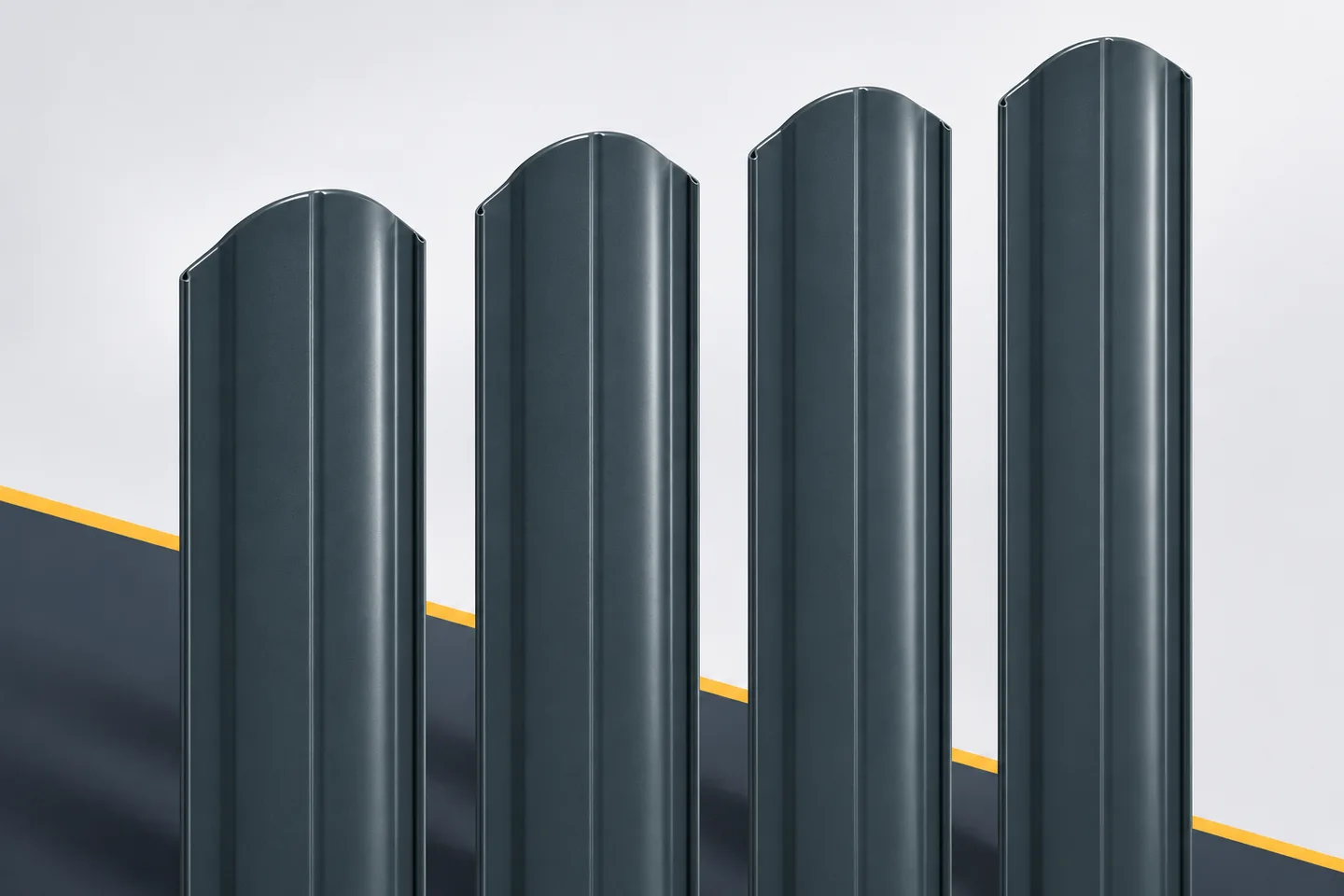
A vertical arrangement is the natural way to use individual fence pickets. It creates a regular rhythm and makes each element clearly legible. This does not mean there is only one possible appearance, however. Narrow pickets with a large gap produce a different effect from wide profiles set close together. Height and the shape of the top ends also matter. Metal fence pickets are therefore best assessed as a series of repetitions within a specific bay. Verticality alone guarantees neither lightness nor privacy. Two pickets of the same length can appear more slender or more massive. The width of the face and the depth of the section influence this. By way of illustration, an element 1500 mm long and 100 mm wide has a ratio of 15 to 1. At a width of 115 mm the ratio is approximately 13 to 1. This describes geometry, not a judgement of product quality.

By |2026-11-15T17:54:20+01:002022-08-19|Building guide|Comments Off on Vertical metal fence pickets: using slim lines in the garden design

Comparing PIR and XPS in a technical specification

In the specification of a PIR-for-XPS substitute, it is not enough to compare lambda and thickness. A common set of requirements for the given location is needed. PIR boards can provide a favourable thermal resistance, but equivalence also covers moisture, mechanical and installation conditions. Polyurethane foam and extruded polystyrene are different plastics. Comparing their lambda does not exhaust the description of the materials. Lower conductivity does not automatically mean better water resistance, greater load-bearing capacity or a more favourable reaction to fire. Each of these properties is assessed separately. For a thermal objective, specify the required property of the layer or of the entire building element.

By |2026-11-16T00:55:23+01:002022-07-12|Building guide|Comments Off on Comparing PIR and XPS in a technical specification

Prefabricated steel sections: planning production, delivery and installation

Prefabrication only pays off when the finished parts arrive at the right place and in the right order. A profile with precisely drilled holes can become a problem if it cannot be identified or unloaded. It is therefore worth combining delivery planning with the design and the organisation of the works. Cold-formed profiles should be prepared as a set of hall components, not merely as a sum of metres of steel. Lengths result from the structural scheme, laps and connections. They cannot be shortened at will for transport convenience. An additional joint changes the arrangement and requires a proper detail. On the other hand, a very long element can place greater logistical demands. It is worth assessing both aspects before production starts.

By |2026-11-15T17:54:15+01:002022-06-23|Building guide|Comments Off on Prefabricated steel sections: planning production, delivery and installation

Therma TT46 in roof design: tapered boards, valleys and ridges

The design of a flat roof with Therma TT46 boards is decided at the level of geometry, not average thickness. In the documentation, the tapered boards, fall directions and special locations must be specified, because these data serve both the calculation of the layout and the acceptance of the roof surface. Therma TT46 is a PIR board of variable thickness with aluminium-containing facings on both sides; it forms the falls and can complement a system with Therma TR26 boards. In the specification, indicate the roof area with TT46 where the thermal insulation meets the drainage direction, arrange the tapered boards according to the position of the outlets and obstructions, and clearly mark the adopted variant in the documentation.

By |2026-11-16T05:26:50+01:002022-06-18|Building guide|Comments Off on Therma TT46 in roof design: tapered boards, valleys and ridges
Back to top