About PiVi

This author has not yet filled in any details.
So far PiVi has created 1503 blog entries.

When do the advantages of a metal roof make a difference?

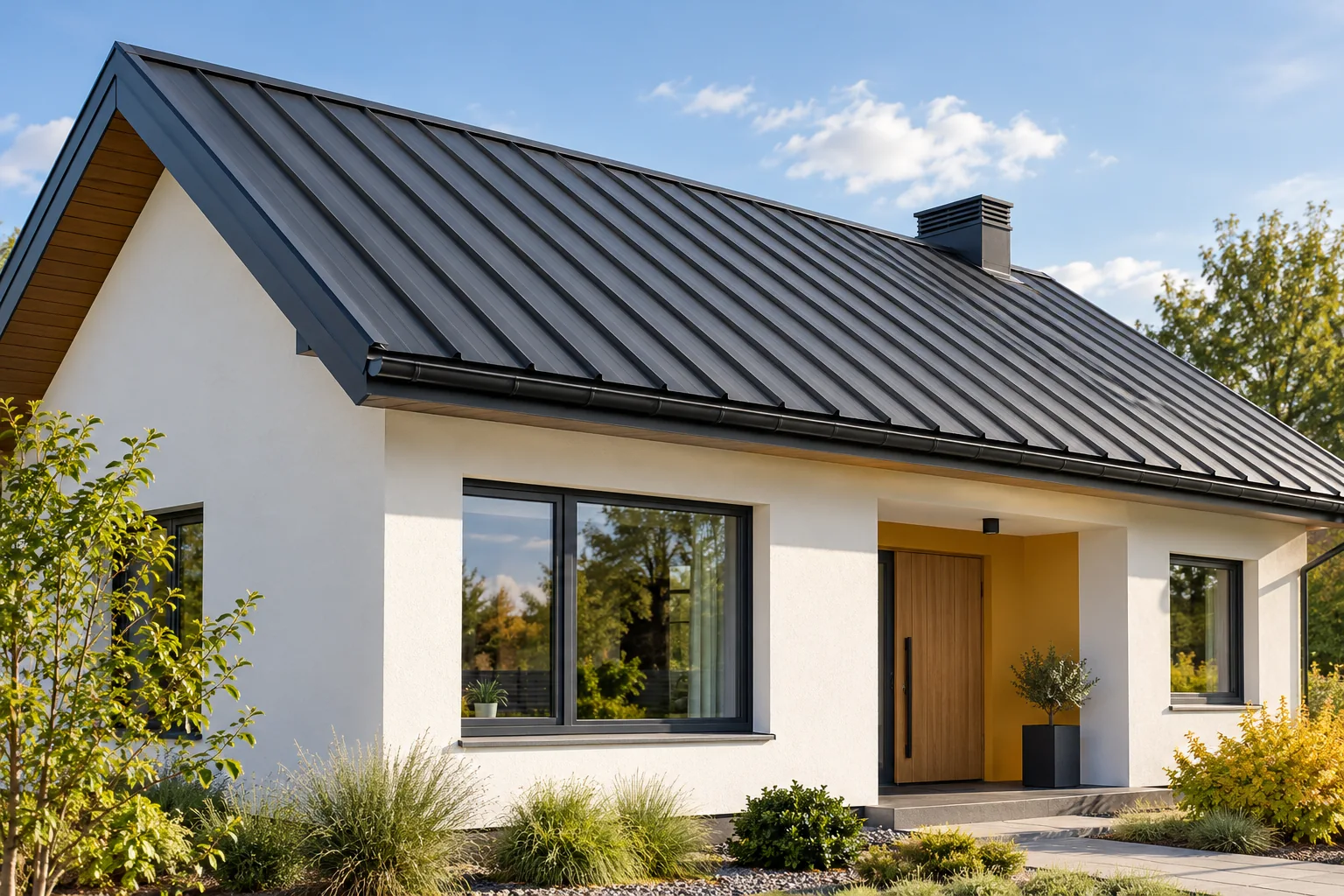
A metal roof can combine low weight, varied appearance and efficient coverage of large areas, but these benefits emerge only once the product is matched to the specific project. It is worth checking the load capacity and condition of the structure, the required pitch, the support spacing and how the loft will be used, and only then choosing the profile and coating. When replacing a covering, a lighter material may make it easier to find a suitable variant, yet it does not confirm that the old roof truss is sound. Assess the whole roof with its insulation, fixings and details, because the covering alone does not make it.
By |2026-11-14T16:09:27+01:002023-02-01|Building guide|Comments Off on When do the advantages of a metal roof make a difference?

PIR, cellulose and wood fibre: specification comparison criteria

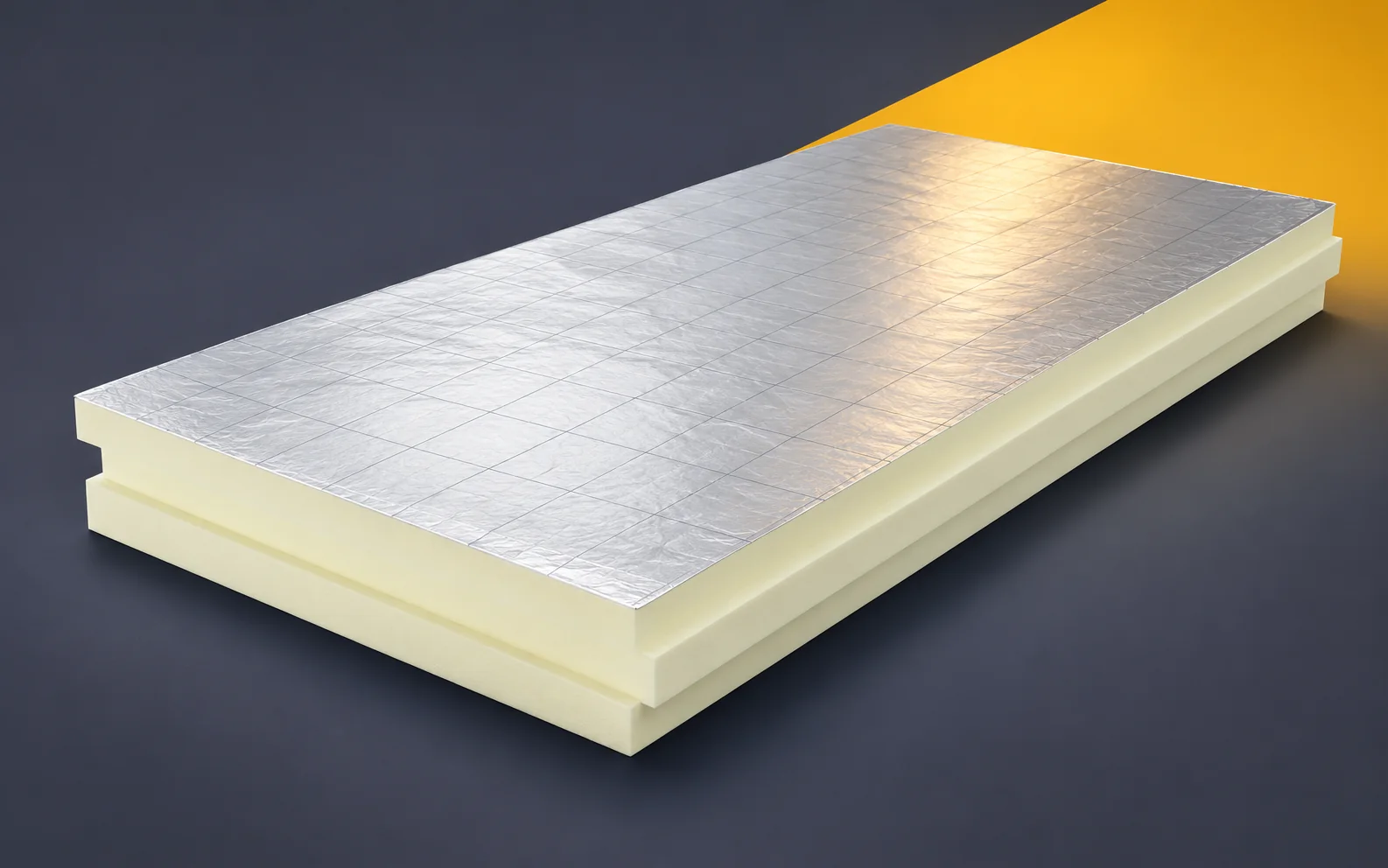
A comparison of insulation should separate thermal conductivity, the heat storage capacity of the layers and the method of execution. PIR boards, cellulose and wood fibre do not have an identical form. The specification must define the function, the acceptance criteria and the scope of the analysis of summer conditions and moisture conditions. PIR boards are rigid products of a defined thickness and facing. Cellulose can be blown into prepared cavities. A factory-made board has a declared thickness, whereas a blown-in layer is produced on site. The acceptance description should correspond to this technological difference. For blowing in, the thickness and the density specific to the application are significant.

By |2026-11-16T00:55:34+01:002023-01-30|Building guide|Comments Off on PIR, cellulose and wood fibre: specification comparison criteria

Which sandwich panels suit cattle, poultry and pig housing?

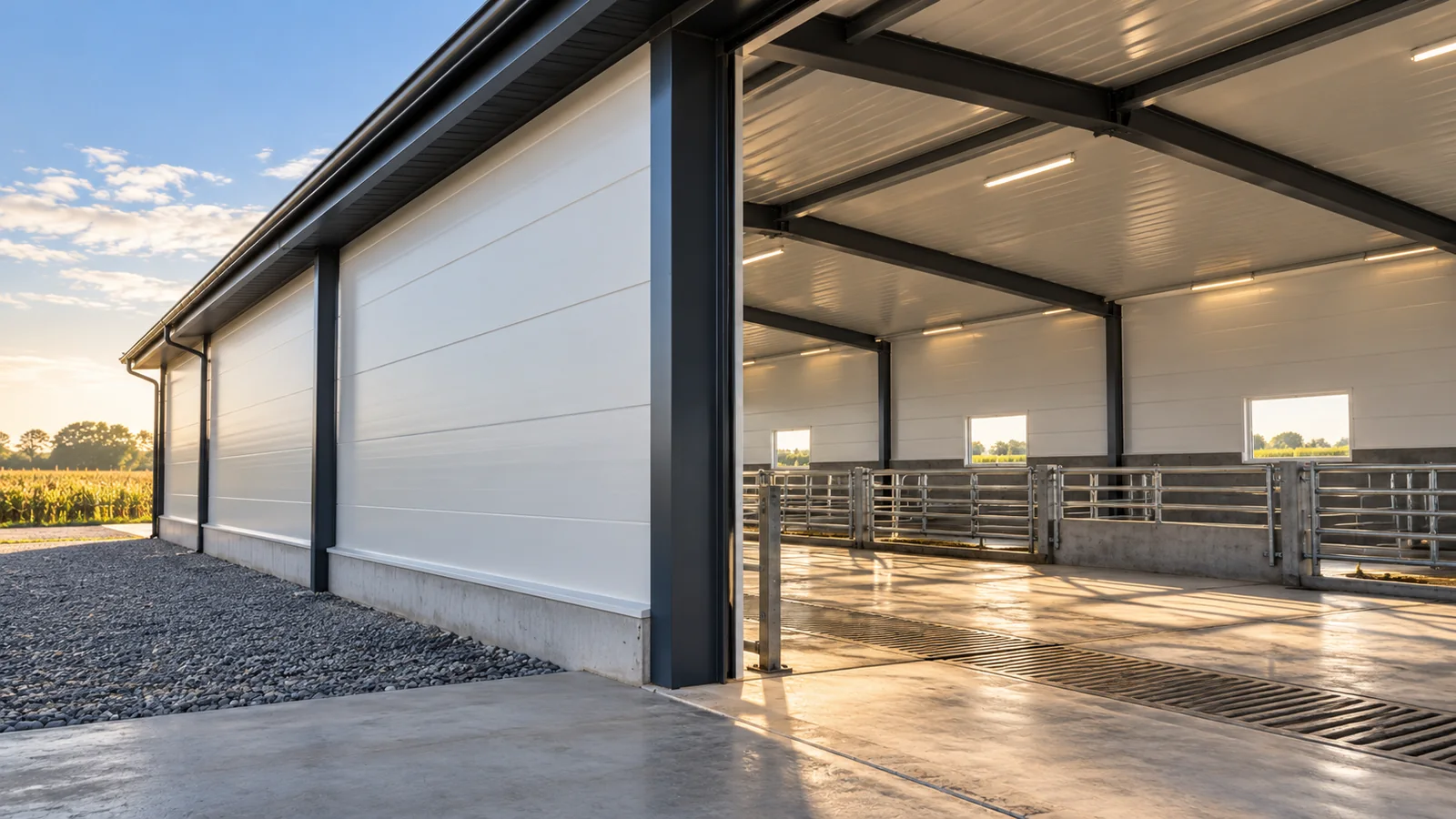
Insulated panels for a cattle shed, poultry house and piggery are selected according to the livestock conditions and the way the building is maintained. Heat, ventilation, moisture, chemical compounds and washing are important. A PIR core can help achieve good insulation performance at a small thickness, but on its own it does not protect the facings against corrosion. The entire wall and roof system must be selected, including coatings, fasteners, seals and details around installations. A cattle shed, poultry house and piggery may operate at different temperatures, humidity and air exchange rates. The conditions also depend on stocking density and technology. A single panel thickness should not be assumed for every agricultural building. The material must be matched to the assumptions for the specific facility.

By |2026-11-14T12:15:06+01:002023-01-26|Building guide|Comments Off on Which sandwich panels suit cattle, poultry and pig housing?

How thick should insulated roof panels be for a heated building?

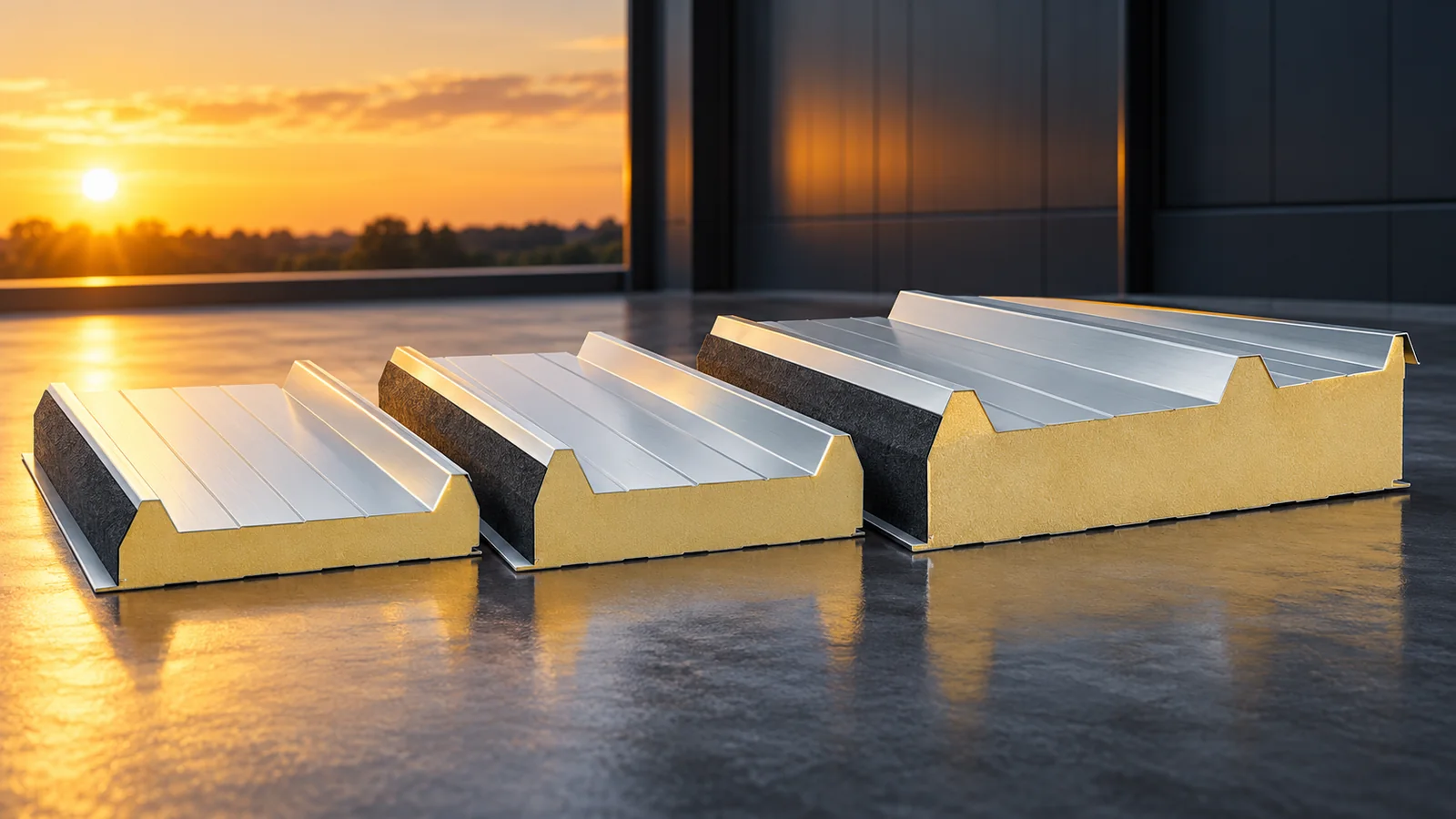
The thickness of a sandwich panel roof in a heated building should be selected primarily according to the required U-value for the specific product, not solely from a thermal table. Check the declared Uc, load-bearing capacity and deflection for the given support arrangement, the effect of the facing colour, and the airtightness of joints and service penetrations. PIR allows good performance at a small thickness, but the core alone does not ensure airtightness – the entire installation determines the result. Determine the target U for the building's conditions of use.

By |2026-11-14T16:06:11+01:002023-01-26|Building guide|Comments Off on How thick should insulated roof panels be for a heated building?

Modular tile-effect sheets compared with other lightweight roof coverings

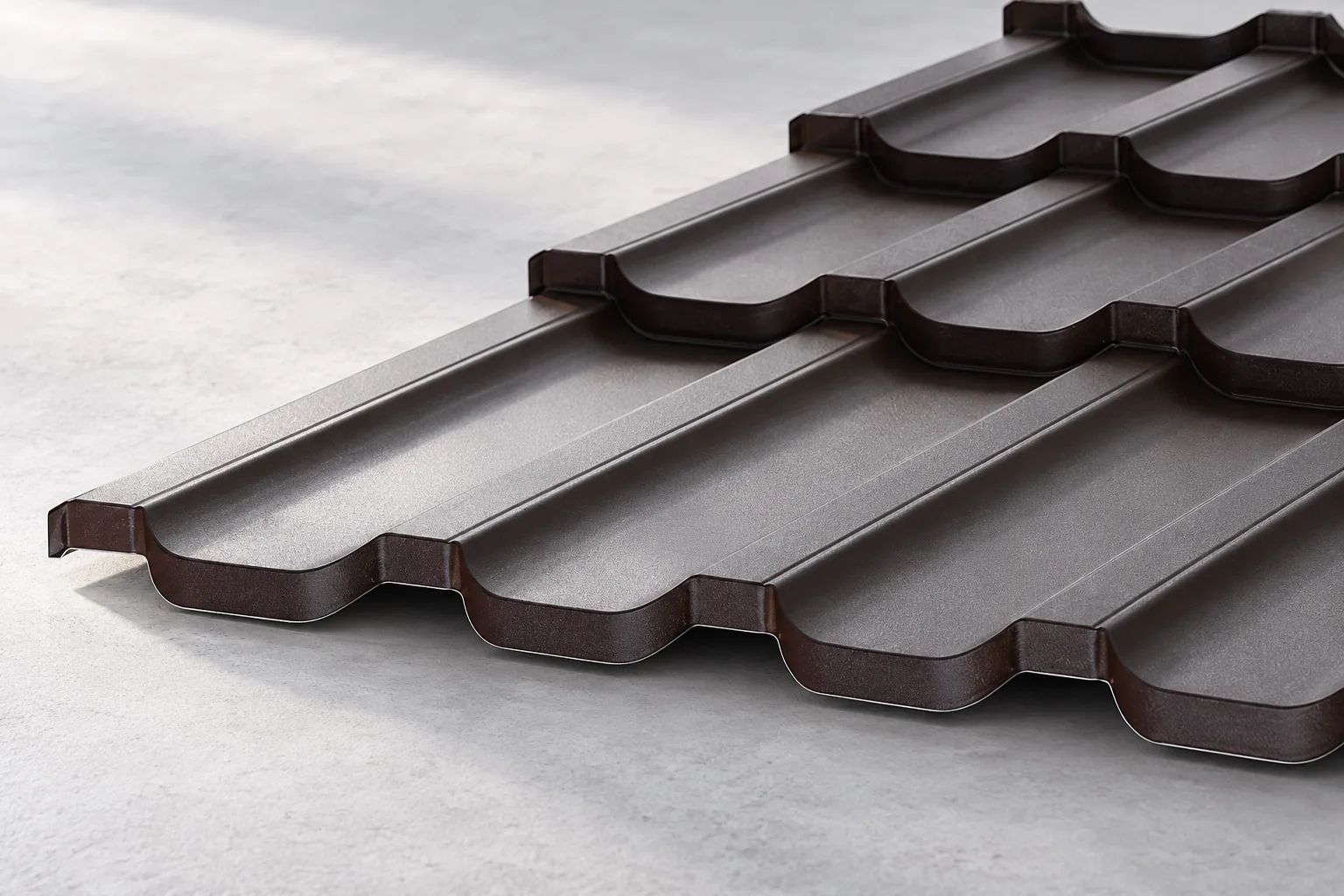
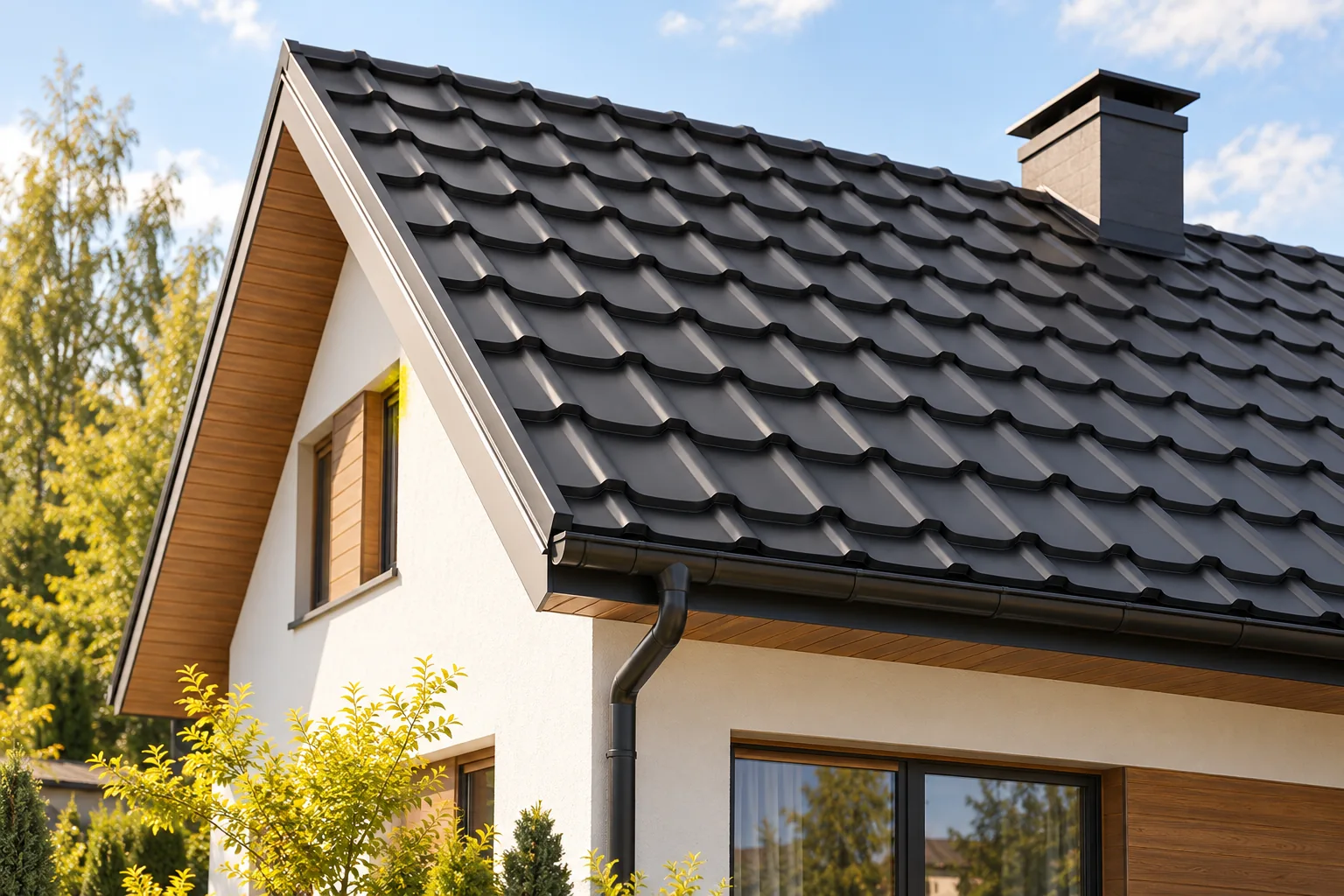
When choosing a lightweight roof covering, compare above all the format of the elements and the number of joints, as these determine how well the covering fits the roof. Check whether modular metal roof tiles suit your roof slope, details and installation method, not just the overall appearance. It is worth comparing the cutting layout, the time needed to make joints and the full cost with cut sheets and trapezoidal profiles. Remember that overall dimensions differ from the effective covering area, and individual models may have a different geometry.

By |2026-11-14T19:22:21+01:002023-01-24|Building guide|Comments Off on Modular tile-effect sheets compared with other lightweight roof coverings

Rain noise on corrugated fibre cement roofing: what affects indoor sound?

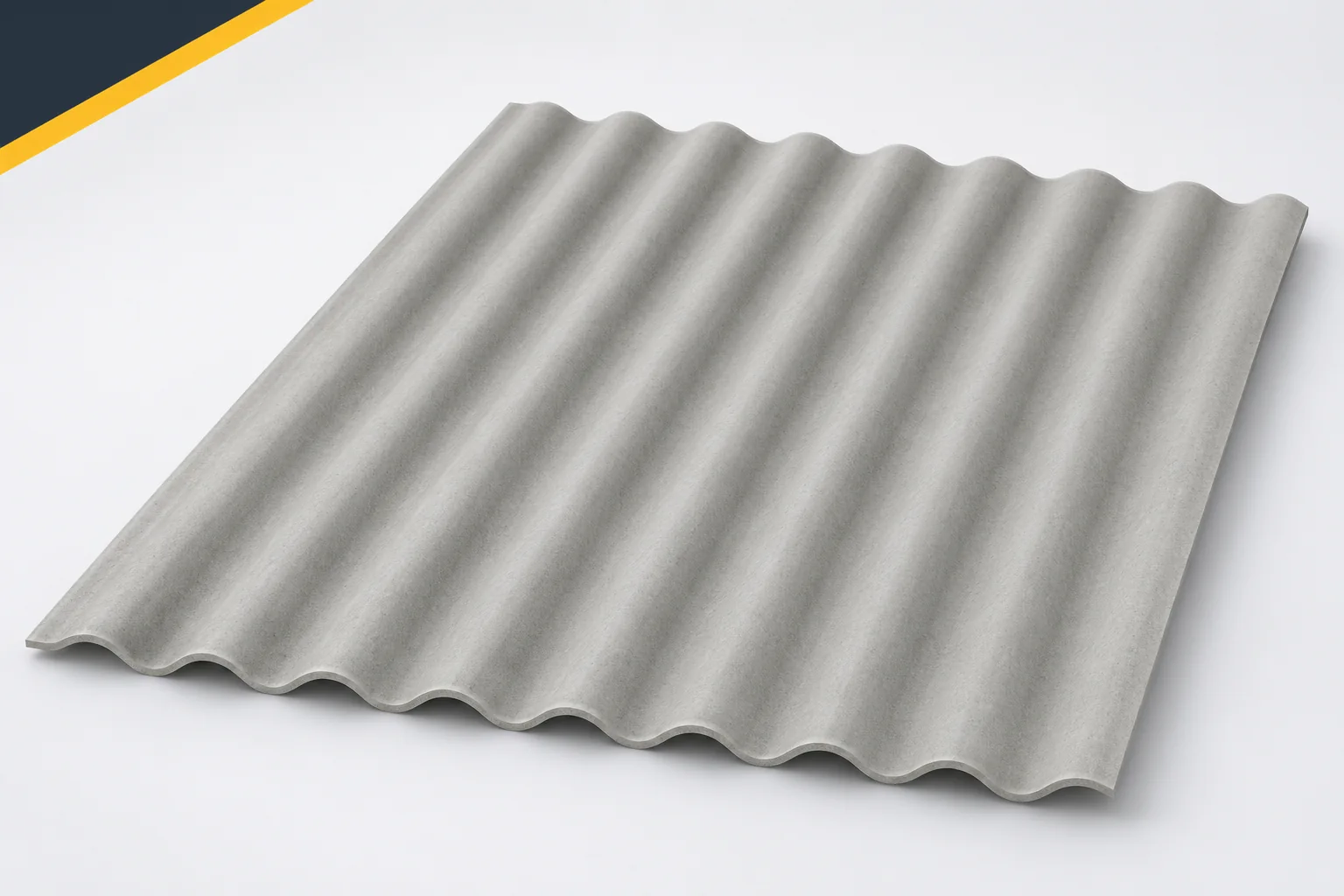
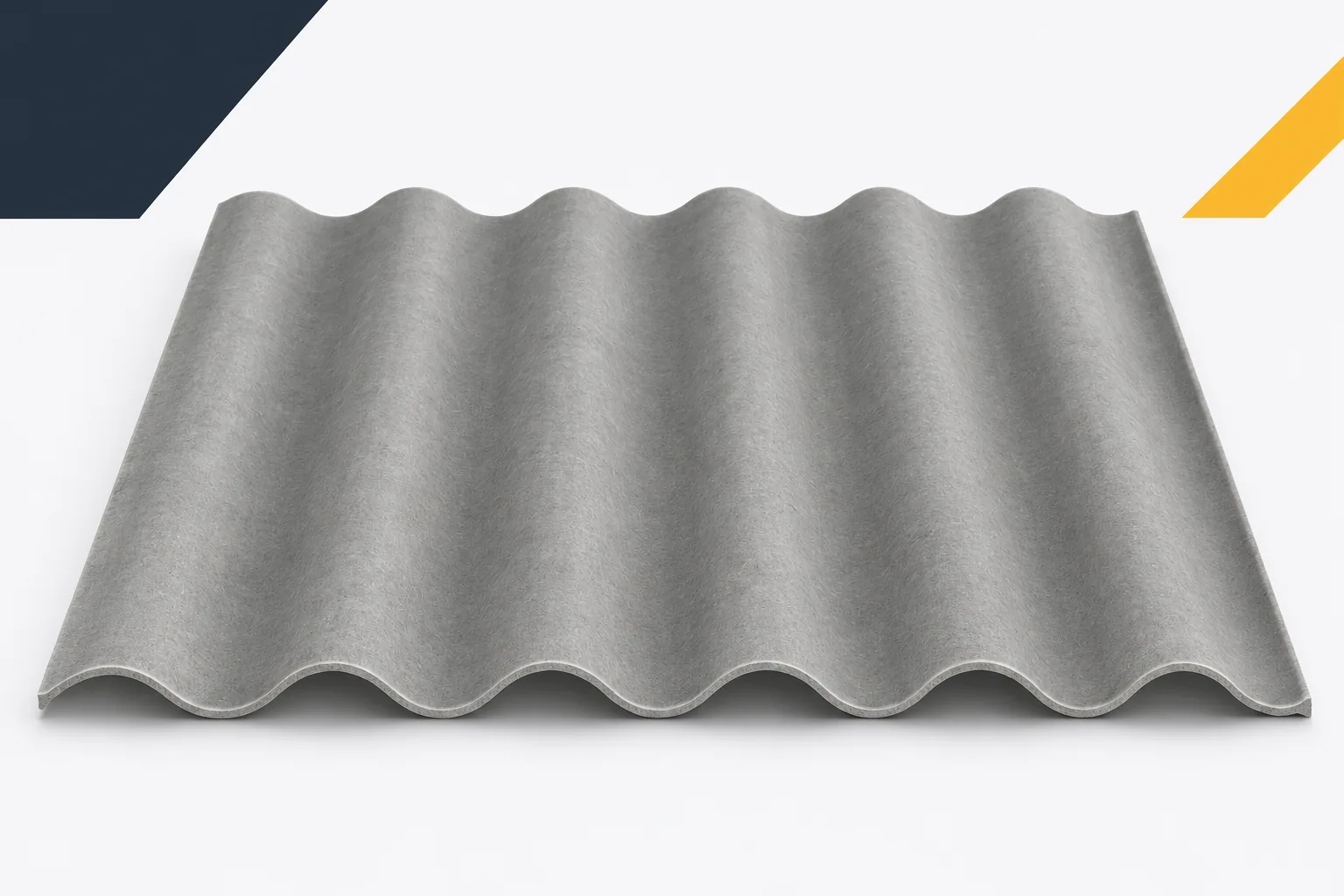
The sound of rain is assessed inside the building, not only at the surface of the sheet itself. The covering material matters, but the effect also depends on the roof layers, the supports and the room. Fibre cement sheets are sometimes chosen for their favourable acoustic behaviour. However, this does not guarantee a specific level of quiet in every hall. Asbestos-free fibre cement is worth considering as part of the whole building envelope, particularly above work and rest areas. Drops strike the surface, and the resulting energy can be transmitted through the material and the connections. The character of the sound depends on stiffness, mass, damping and the method of support. This is why different coverings do not sound identical.

By |2026-11-15T17:56:23+01:002023-01-24|Building guide|Comments Off on Rain noise on corrugated fibre cement roofing: what affects indoor sound?

Assessing stains on coated chimney flashings

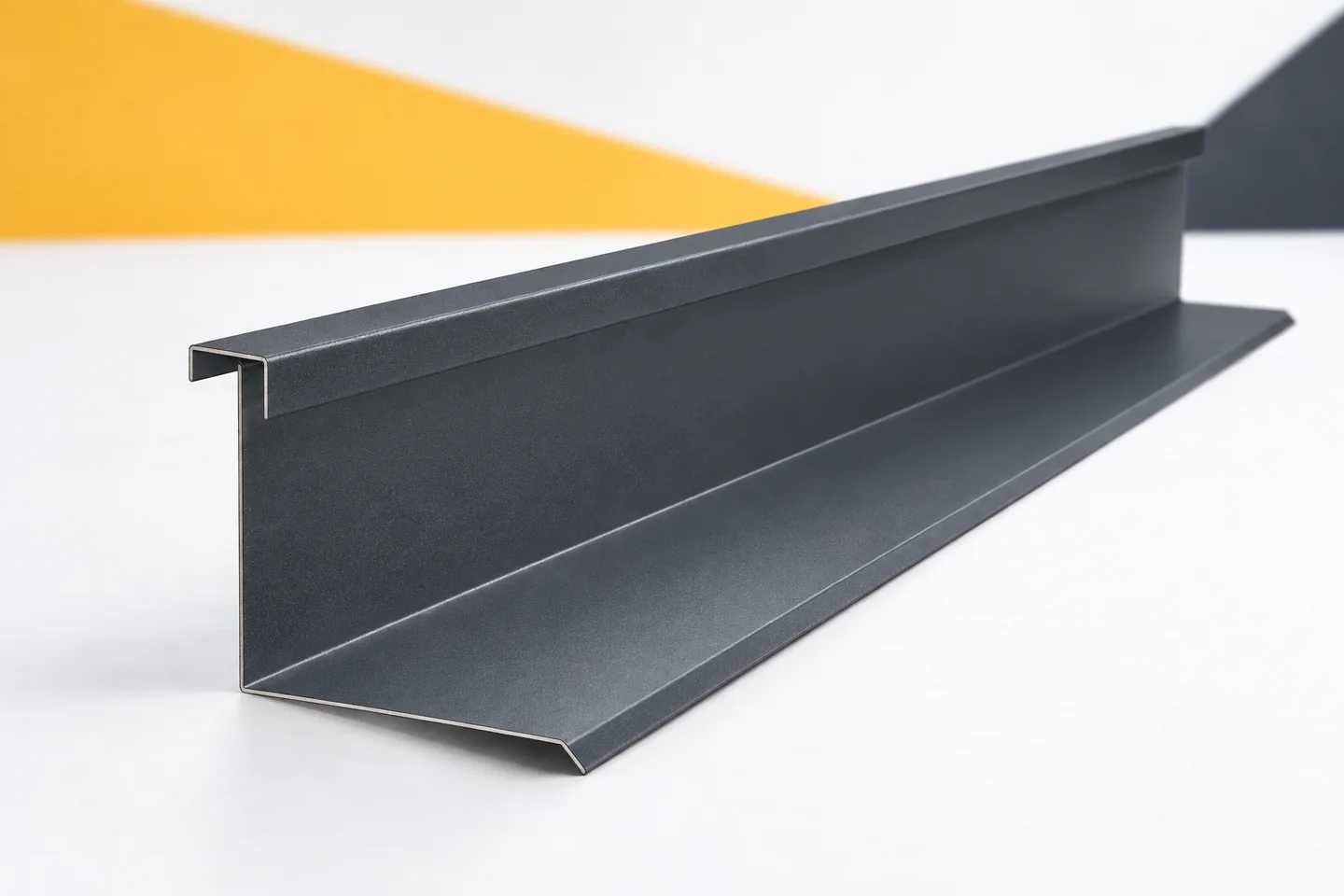
A dark mark on a chimney flashing does not yet tell you what is happening to the sheet metal. It may be a deposit, soiling left after works, or a sign of surface damage. Before cleaning, it is worth identifying the source of the change. Chimney flashings work in a complex environment, so an arbitrary chemical agent is often a poor choice. The assessment must be combined with checking the joints and the path of water around the roof penetration. Check where the soiling appears and whether it recurs after cleaning. Its location can help distinguish run-off from the chimney surface from contamination left on the roof. However, final conclusions should not be drawn from the colour of the stain alone. An inspection of the location is needed.

By |2026-11-15T03:03:36+01:002023-01-19|Building guide|Comments Off on Assessing stains on coated chimney flashings

Choosing a new covering after an asbestos cement roof is removed

First establish whether the old sheets contain asbestos and plan their safe removal — only then choose the covering. The key variable is the condition of the roof structure, not just the weight or price of the new material. Check rafters, purlins, wall plates and connections, especially near chimneys and former leaks; do not judge the load-bearing capacity of the timber from a photograph. The colloquial term “eternit” is used for various sheets, so determine the covering’s composition from documentation and expert assessment. Before setting a date, ask your municipality about collection rules and possible support. Only after these steps should you compare trapezoidal sheet with modular metal tile.

By |2026-11-14T19:20:32+01:002023-01-11|Building guide|Comments Off on Choosing a new covering after an asbestos cement roof is removed

Reading trapezoidal sheet designations: T18, T35 and structural profiles

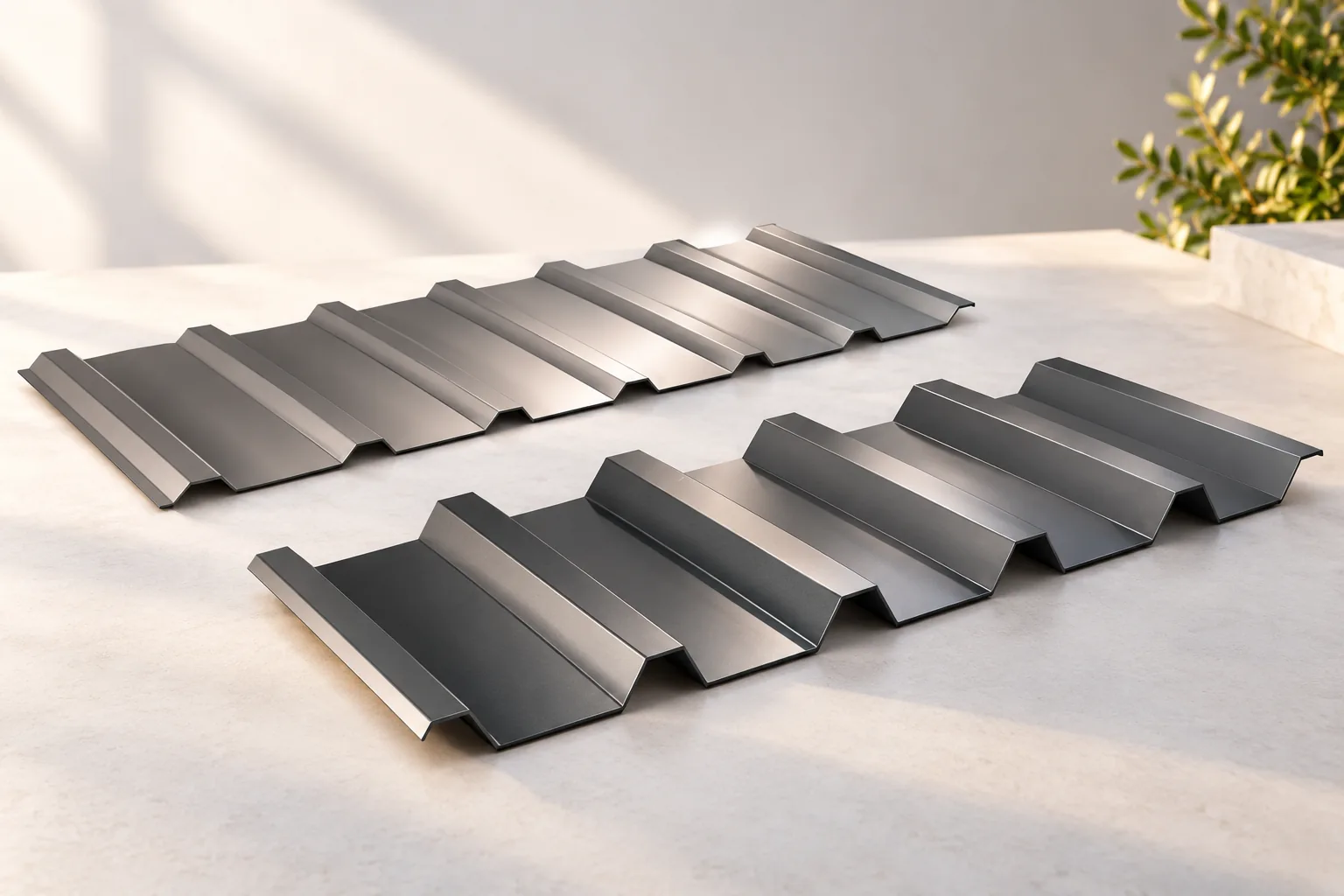
A profile name alone is not enough to order trapezoidal sheet – you also need to check the technical data sheet for the specific product. The designation T18 or T35 helps initially identify the family and rib height, but it is not a common description of all products on the market. Before purchase, verify thickness, cover width, coating and length, as well as the cross-section drawing. Two products with a similar name may have different rib spacing and sheet width. Do not read load capacity from the name alone – it requires tables for the given product.

By |2026-11-14T16:09:25+01:002023-01-03|Building guide|Comments Off on Reading trapezoidal sheet designations: T18, T35 and structural profiles

Condensation beneath fibre cement roofing: tracing the source of moisture

Droplets on the underside of the roof do not always mean damaged roofing. The water may come from the air inside the building. Fibre cement sheets then become the place where the moisture and temperature problem becomes visible. Asbestos-free fibre cement can temporarily buffer some moisture, but it does not guarantee a dry underside under all conditions. Identifying the cause is important, because a leak and condensation require different measures. The air contains moisture from people, animals, wet materials and ongoing work. When it meets a sufficiently cool surface, water may condense. It does not have to be raining for this to happen. In an unheated building, weather changes and cooling of the roof slope also matter.

By |2026-11-15T17:56:17+01:002022-11-25|Building guide|Comments Off on Condensation beneath fibre cement roofing: tracing the source of moisture
Back to top