About PiVi

This author has not yet filled in any details.
So far PiVi has created 1503 blog entries.

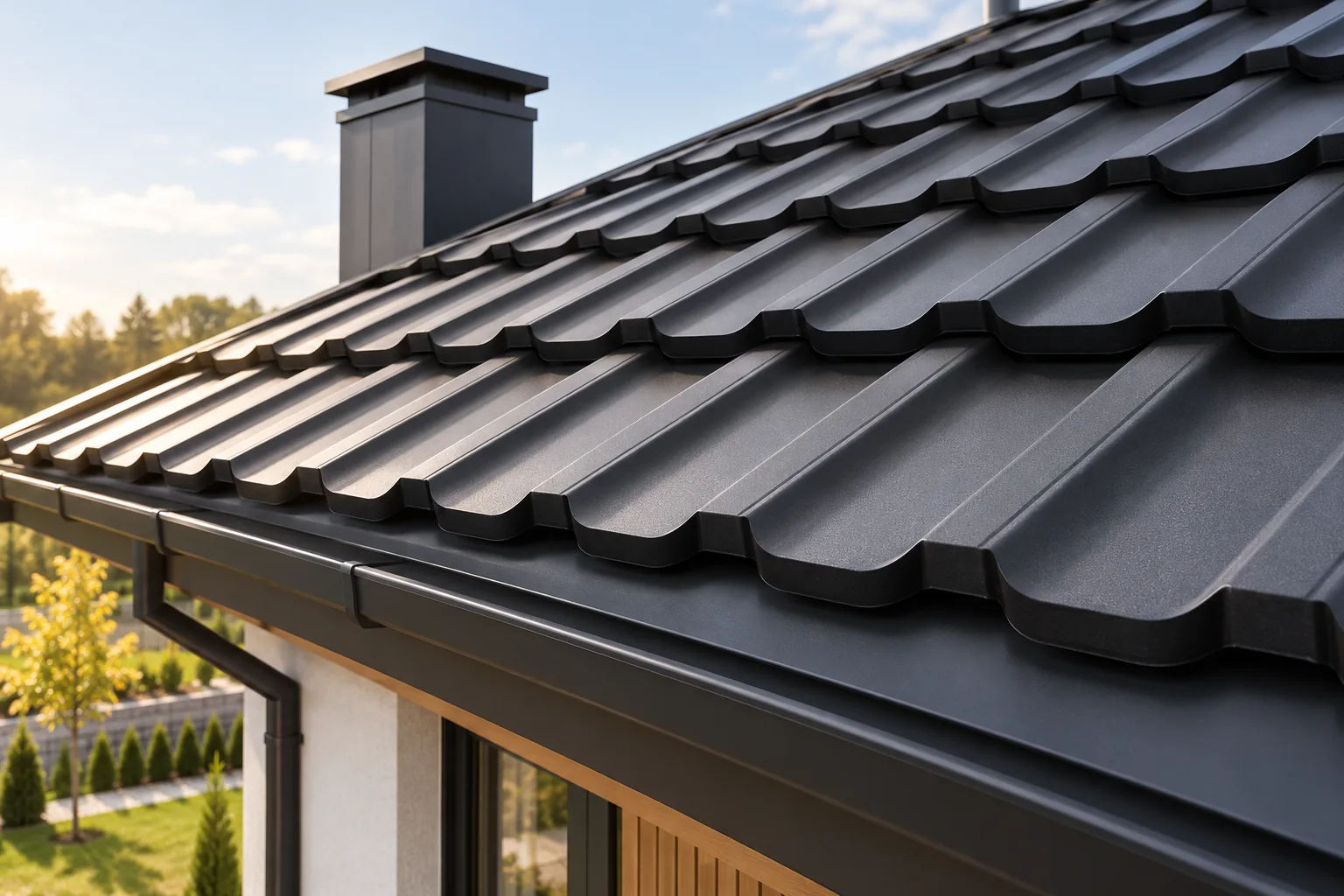
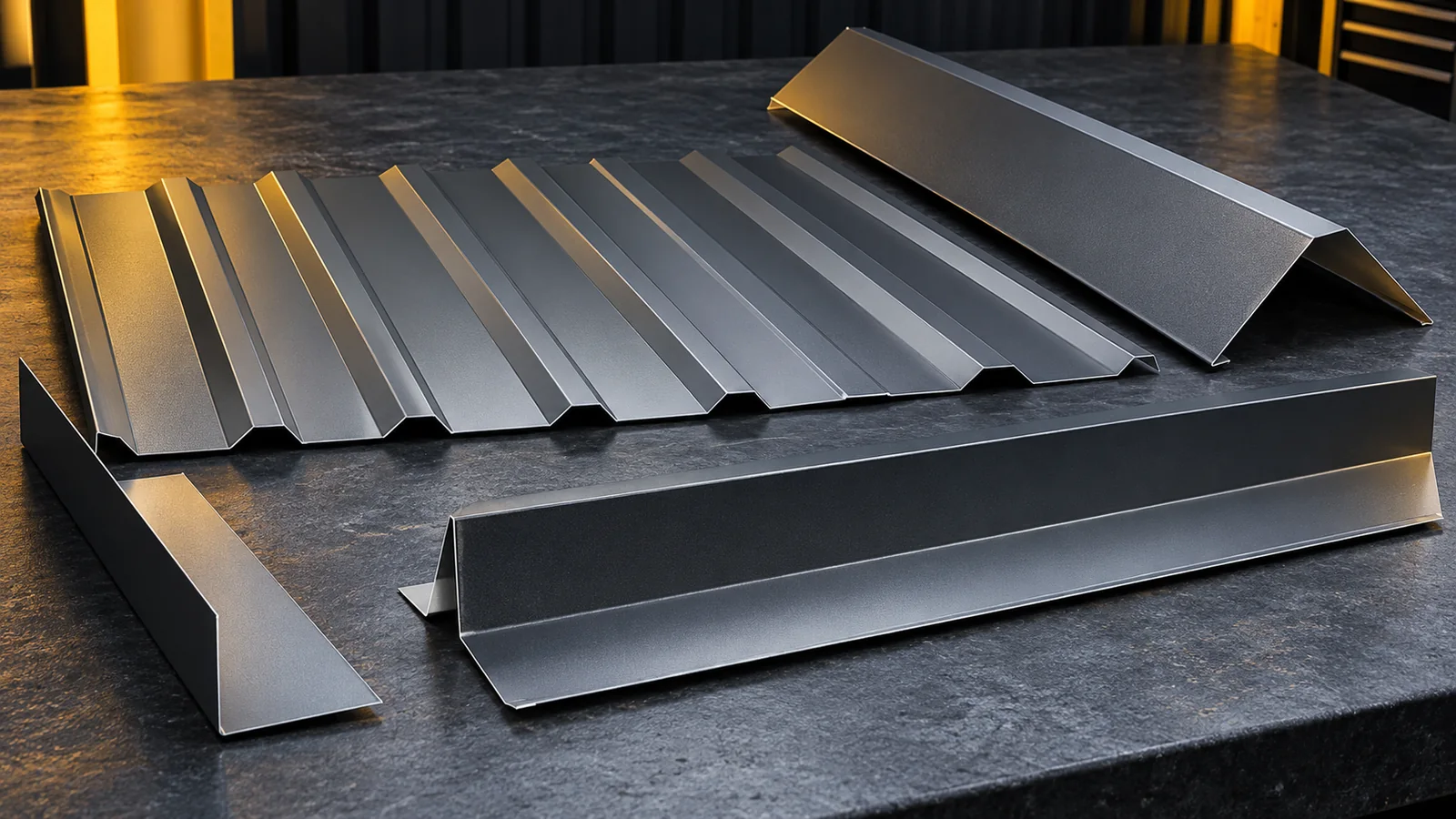
What flashings are needed on a metal roof and how do you calculate their quantity?

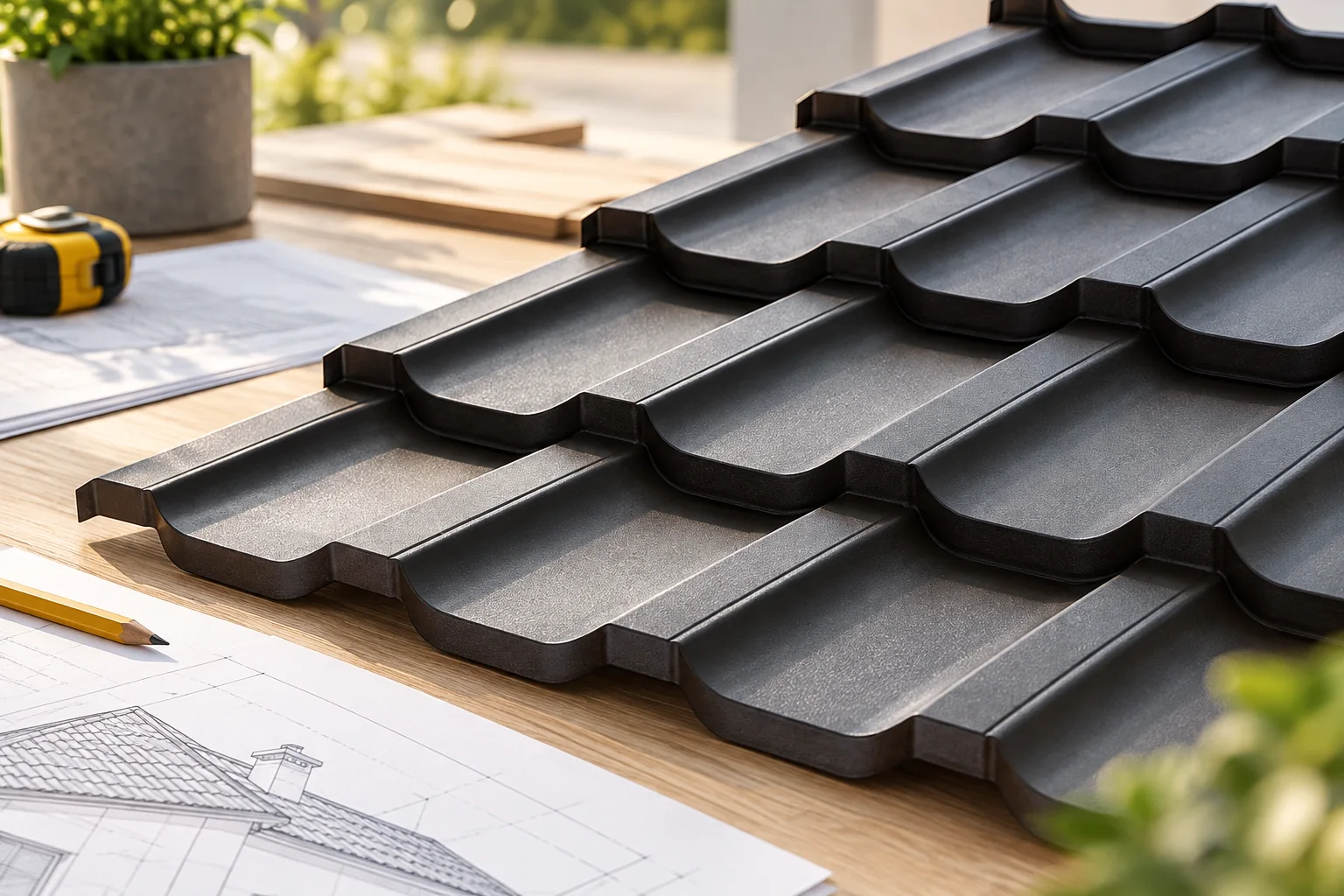
The list of flashings depends on the roof geometry, not just its area. A simple gable roof needs a different set than a slope with roof valleys, chimneys and the wall of an adjacent building. The basis for measurement is the edge lengths and the joint design. Overlaps and effective lengths of components must be taken into account. A well-prepared schedule reduces missing parts and allows the full cost of the covering to be compared. The eaves flashing directs water into the gutter. The under-eaves flashing protects the relevant part of the eaves zone, depending on the solution used. These elements do not always have identical runs or lengths. The detail with the membrane, fascia board and gutter must be checked. It is not enough to order two arbitrary angle profiles in the roof colour.
By |2026-11-14T09:53:42+01:002023-04-03|Building guide|Comments Off on What flashings are needed on a metal roof and how do you calculate their quantity?

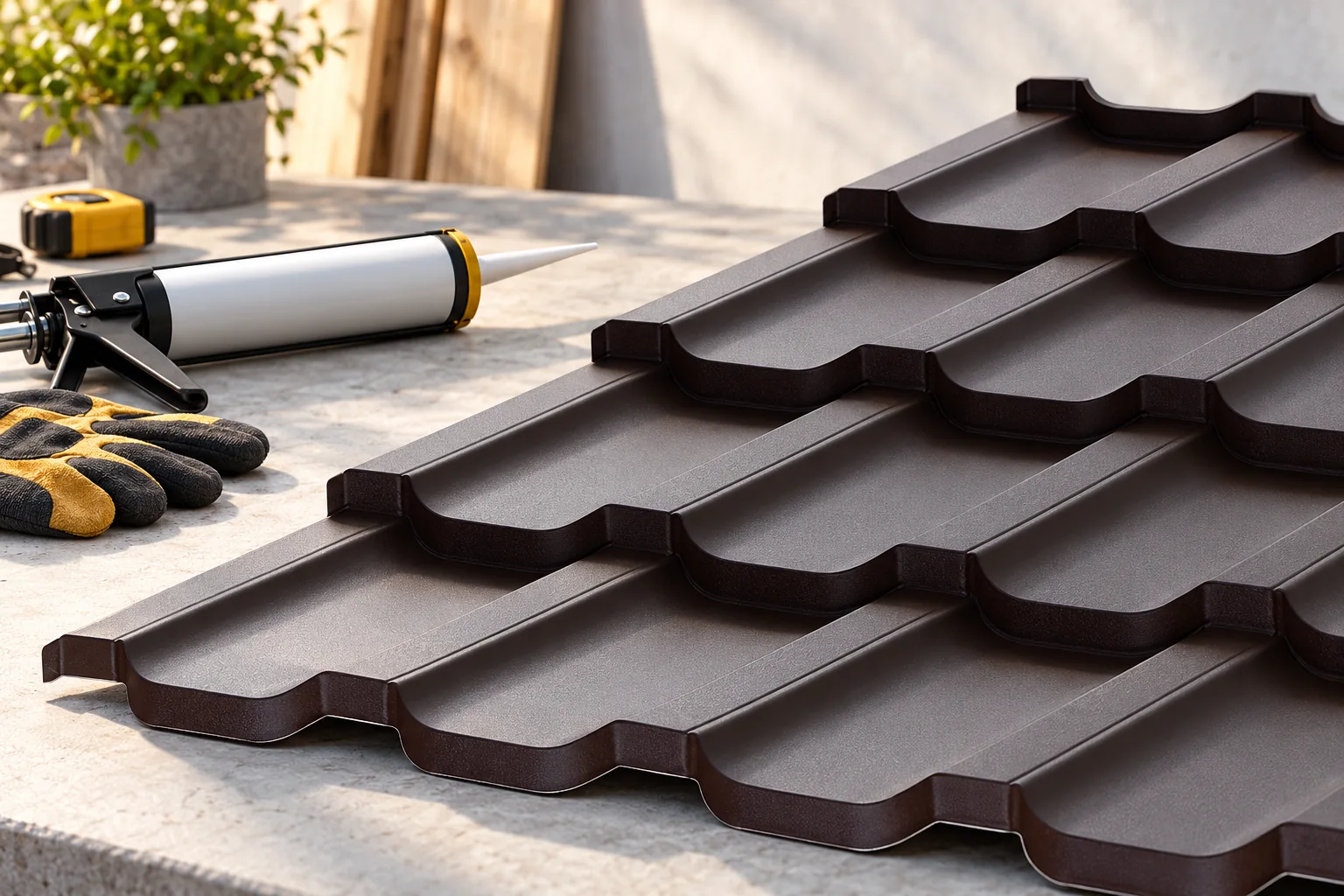
Which specifications should you compare when buying tile-effect metal roofing?

Before buying a metal roofing tile, compare the technical data of the specific variant, not just the profile name and price per metre. Check whether the offer describes the same product, how gross and effective metres are calculated, and what the steel and coating specifications say. Ask for documents confirming the application and establish whether the set includes roof details. Review the delivery, storage and warranty terms. This way, before accepting the material, you will know what is actually arriving on site and how to compare offers on a common basis.

By |2026-11-15T03:02:15+01:002023-03-31|Building guide|Comments Off on Which specifications should you compare when buying tile-effect metal roofing?

Checking the roof before the first autumn frost

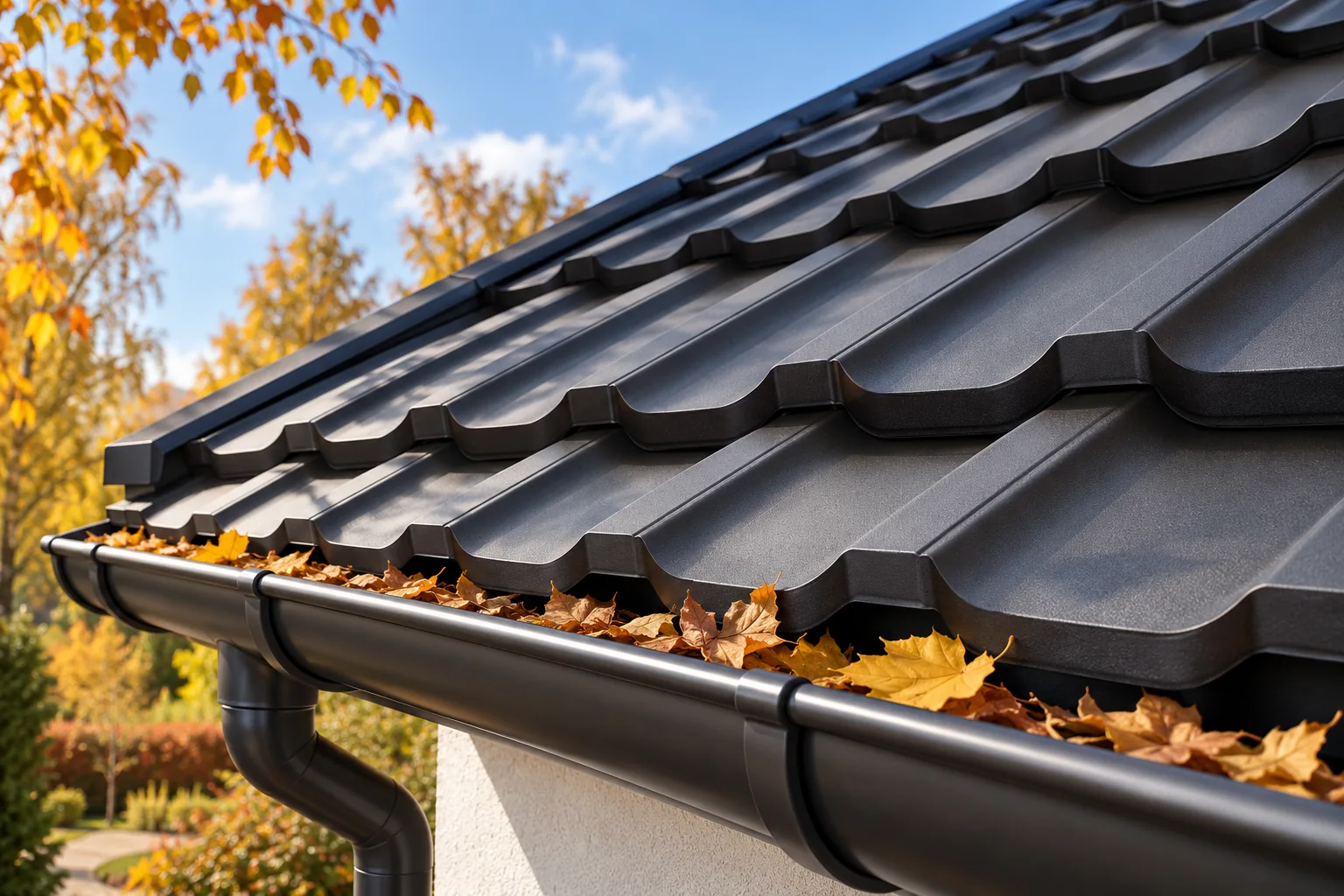
Before the first frost, start by comparing the roof's current condition with photographs from a year ago and notes on earlier defects, then check that the entire drainage path is clear, not just the leaves visible at the gutter. The inspection should cover the covering, flashings, valleys, fixings and loft, while the scope of work on the slope depends on the weather and the roof's usage instructions. Record the result with defect locations and a repair plan so that priorities can be set before winter.

By |2026-11-15T03:01:30+01:002023-03-15|Building guide|Comments Off on Checking the roof before the first autumn frost

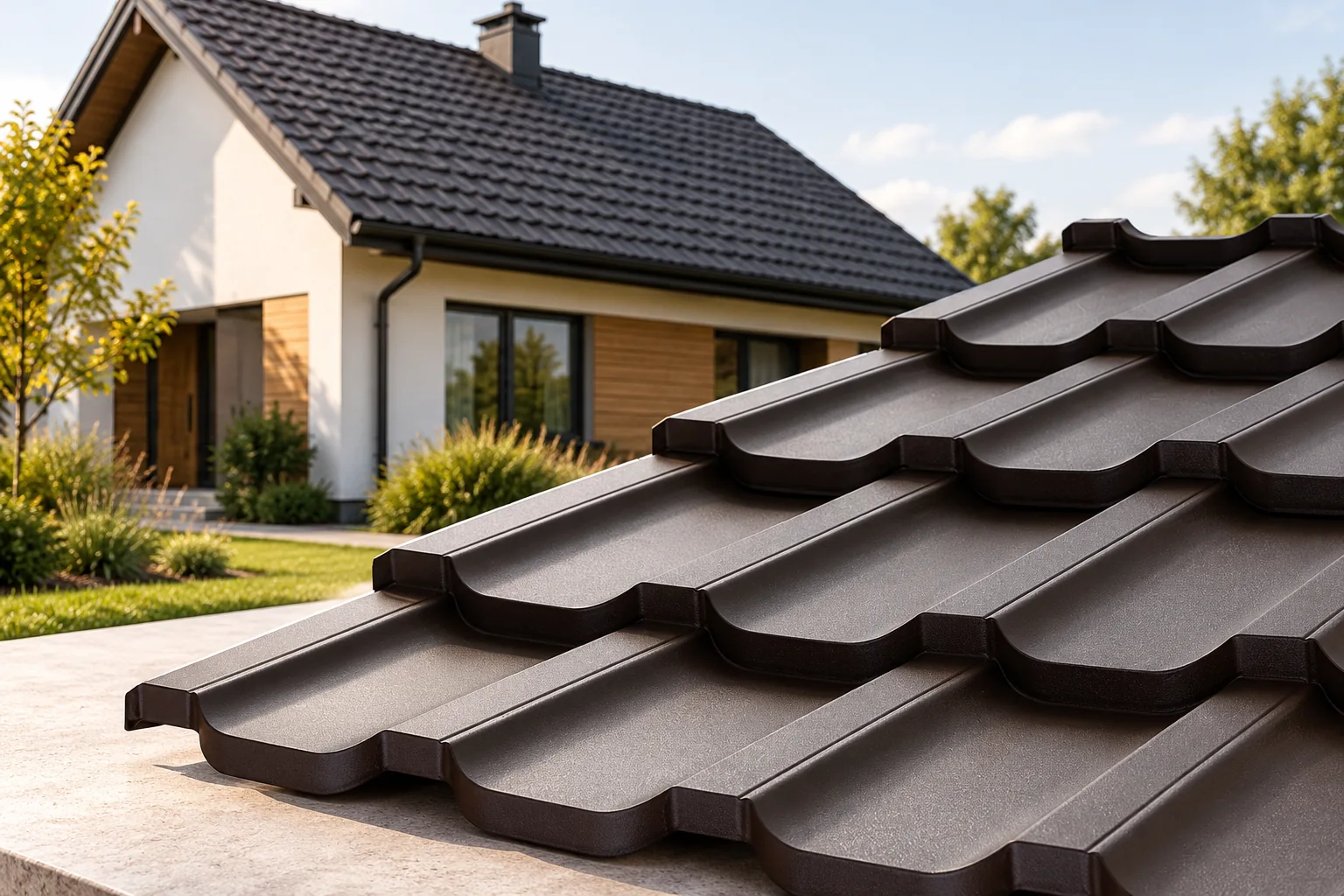
Clay tiles or tile-effect steel sheets for a house roof?

The choice between clay tiles and metal roofing depends mainly on the design, roof structure and budget. Check which material the documentation specifies and whether the local plan defines the roof's appearance. Compare the roof pitch with the requirements of the specific product, as neither clay nor metal has a single minimum angle for all models. Also analyse the weight of the whole system, how details are formed and the amount of waste for the given geometry. Leave decisions on layers and fixing to the designer, and compare two complete specifications before ordering.

By |2026-11-14T22:54:42+01:002023-03-13|Building guide|Comments Off on Clay tiles or tile-effect steel sheets for a house roof?

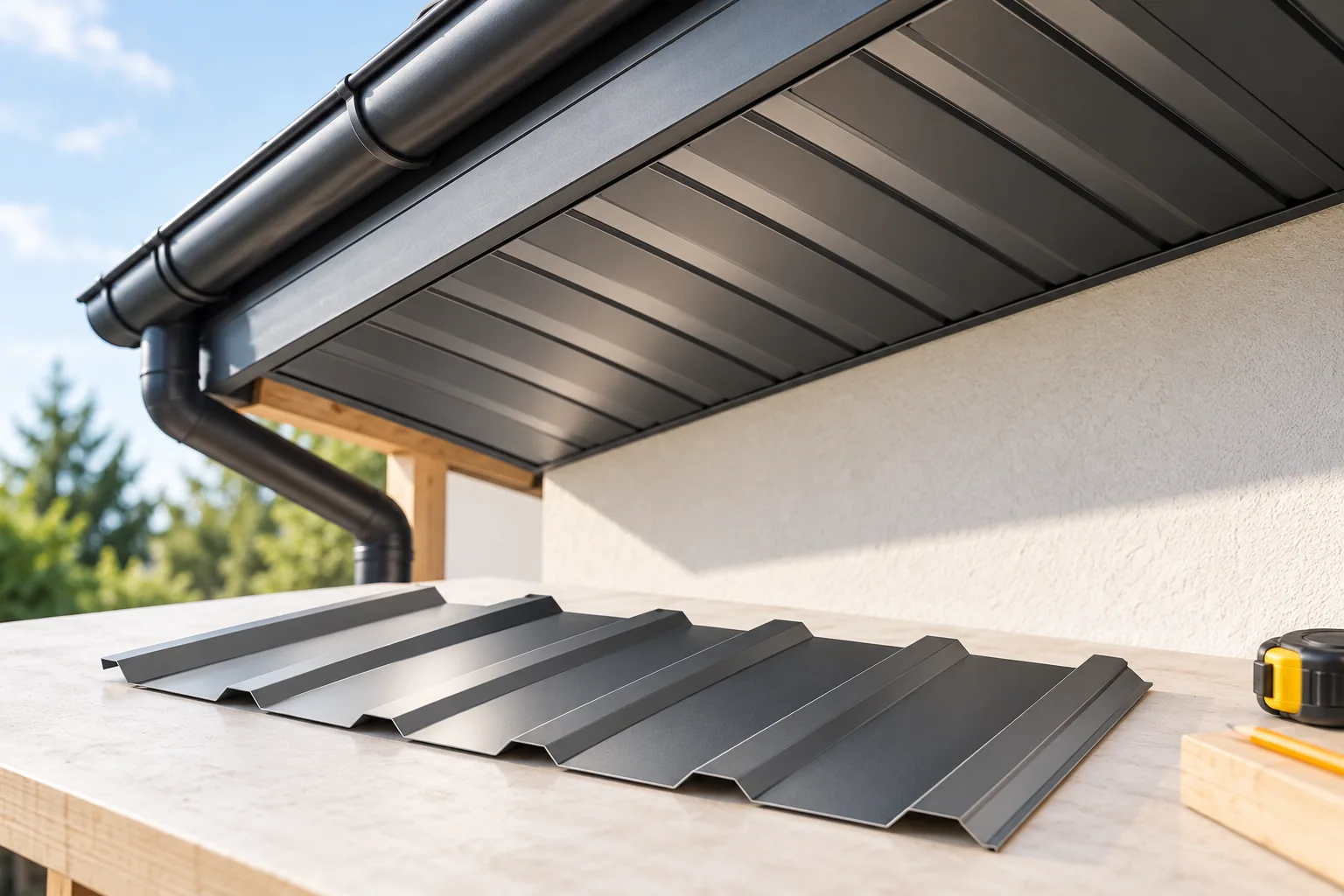
Selecting soffit sheets and estimating the cost of finishing the eaves

Choosing roofing sheet for a soffit starts with establishing whether the eaves require an air inlet, as this determines the layout of panels and openings. Also check the geometry of the structure, the exposed face of the sheet and how it will be fixed to the supporting frame. The cost of the finish covers more than the sheet area: trims, flashings, fixings, ventilation components and work at corners all count. Drawing out the strip layout helps limit waste and shows whether offcuts can be reused. Remember that a soffit will not repair a leaking eaves – water ingress must be resolved before installation.

By |2026-11-14T22:55:30+01:002023-03-07|Building guide|Comments Off on Selecting soffit sheets and estimating the cost of finishing the eaves

Tile-effect metal sheets or bitumen shingles: which suits your roof?

The choice between metal roofing tiles and bituminous shingles depends on the roof pitch, geometry and condition of the structure, not on the price of the outer layer alone. Before deciding, check whether the chosen material falls within the permitted slope range and whether the existing substrate needs preparation or replacement. Also compare the requirements for ventilation, detail flashings and subsequent maintenance. Remember that comfort and cost are determined by the entire layer build-up, not just the visible surface of the covering.

By |2026-11-14T16:07:37+01:002023-02-22|Building guide|Comments Off on Tile-effect metal sheets or bitumen shingles: which suits your roof?

How to choose a repair for a leaking metal roof

First establish whether water is actually penetrating the covering or is the result of condensation of water vapour beneath the metal sheet. That distinction determines the repair method, since tape and sealant will not fix every cause. Check the condition of the washers, the geometry of the laps, the flashings at the chimney and wall, and any corrosion of the sheets. Also assess the roof pitch and whether drainage is unobstructed. With sandwich panels, the core and the joint may matter. Only after locating the water path and assessing the substrate can a durable or temporary solution be chosen.

By |2026-11-14T19:21:14+01:002023-02-18|Building guide|Comments Off on How to choose a repair for a leaking metal roof

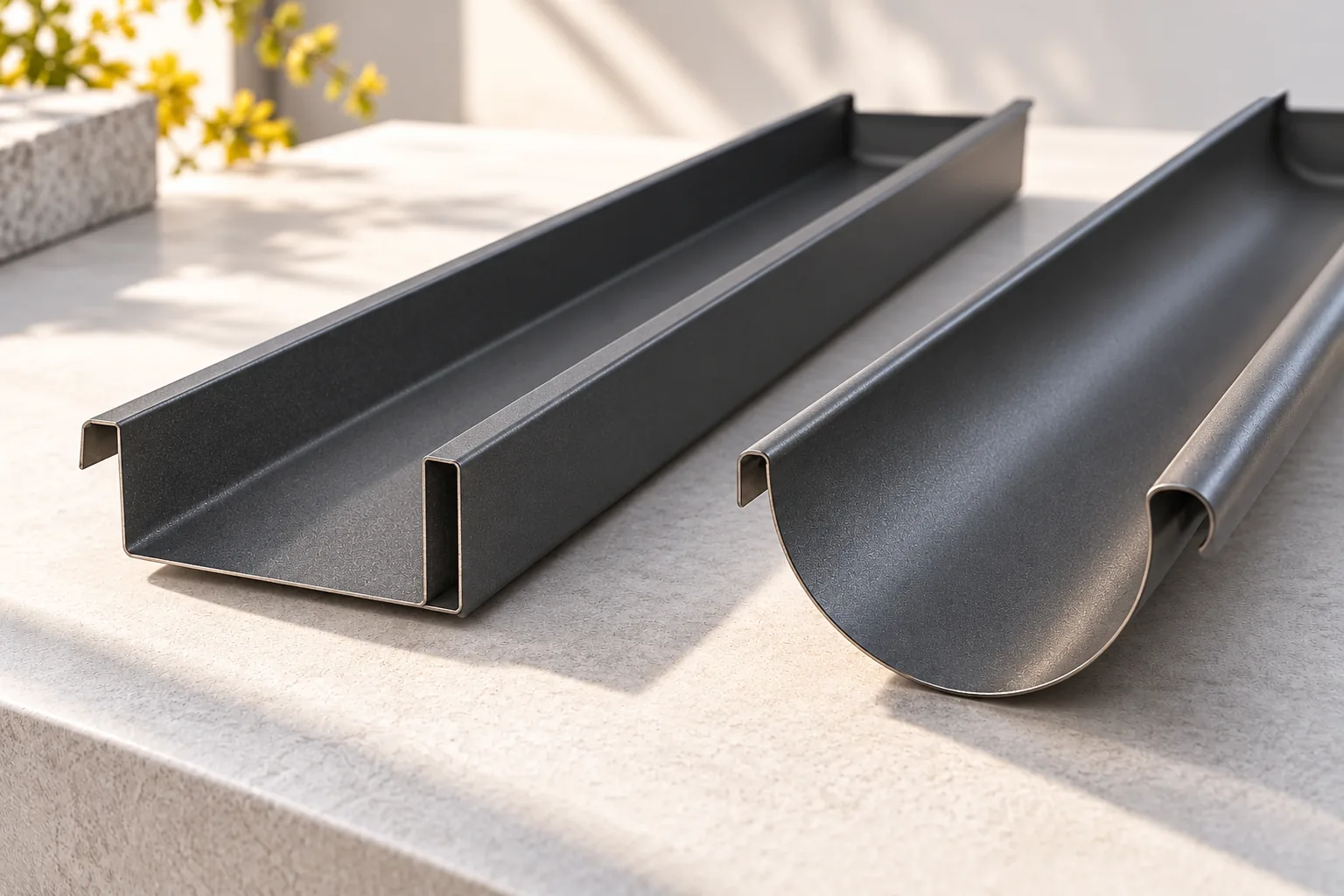
Box gutters and half-round gutters: how do they differ?

The choice between square and half-round gutters depends not only on aesthetics but, above all, on whether a given system will drain a specific roof slope effectively. It is worth checking the cross-section, the number and position of outlets, the fall, and the fit to the eaves and façade. Shape alone does not guarantee greater capacity – flow depends on dimensions and the completeness of the system. When comparing, consider materials, installation method, service access and the cost of the whole set, not just the gutter price.

By |2026-11-14T22:55:07+01:002023-02-05|Building guide|Comments Off on Box gutters and half-round gutters: how do they differ?

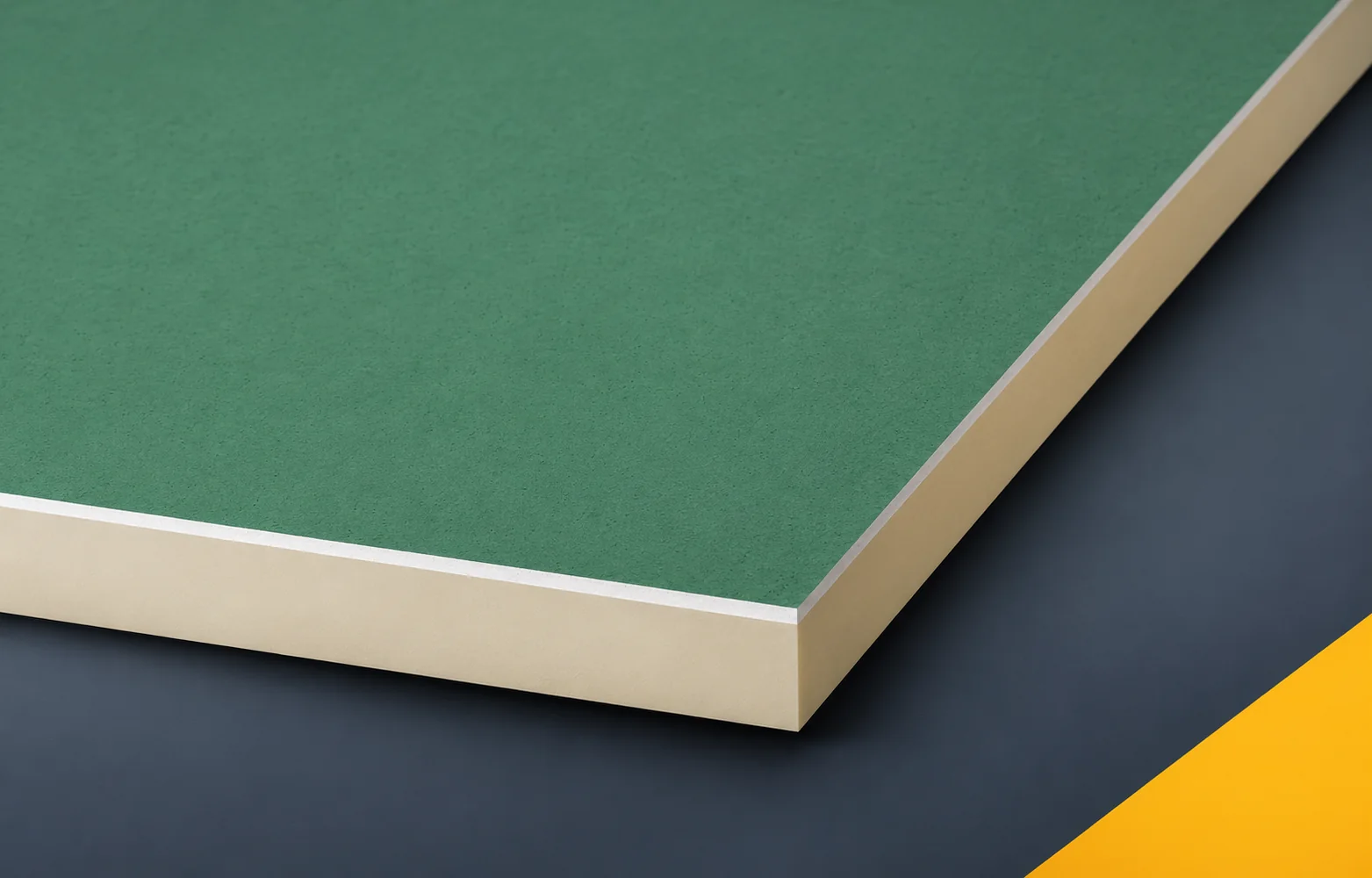
Thermano GK-A and GK-H2: composite thickness and thermal resistance in design

In the description of Thermano GK, a distinction must be made between the PIR foam and the finished composite board. The total thickness includes the gypsum plasterboard facing. Using the lambda of the core alone for the entire product can therefore lead to an overly optimistic calculation result. Thermano GK-A and Thermano GK-H2 combine a PIR core in gas-tight facings with a 12.5 mm thick gypsum plasterboard. The GK-A variant has a white facing for typical dry rooms. In the application specification described as PIR boards, clearly indicate the choice between the white GK-A facing and the green GK-H2 facing in a room with a defined function. The GK-A or GK-H2 variant must be assigned to the function and conditions of use of the room, and the selected variant must be clearly marked in the documentation.

By |2026-11-16T00:52:13+01:002023-02-05|Building guide|Comments Off on Thermano GK-A and GK-H2: composite thickness and thermal resistance in design

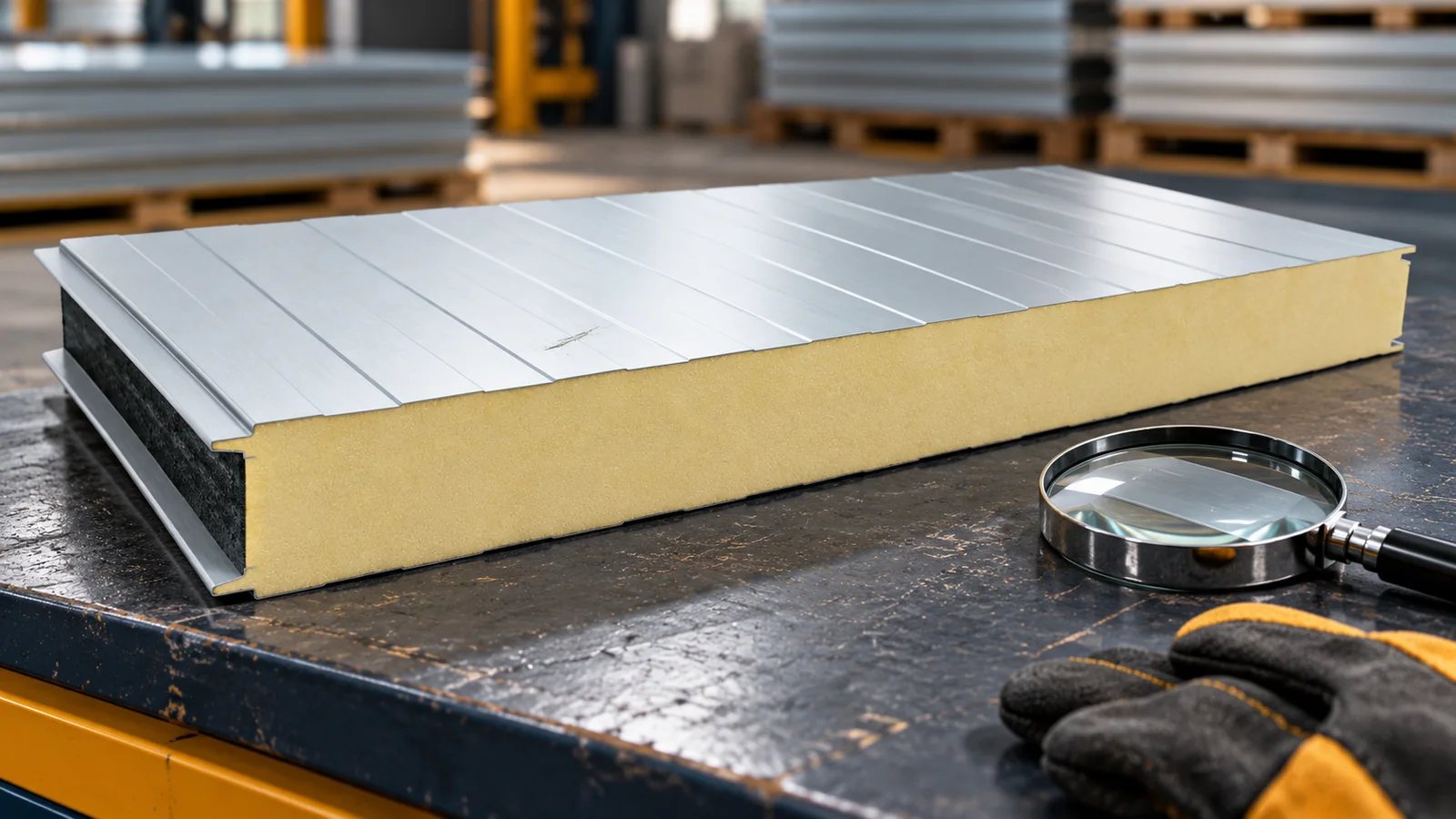
What should you check before buying 100 mm second-grade wall panels?

To check a 100 mm second-grade sandwich wall panel, first establish whether the specific batch meets the project requirements, not just the thickness. Inspect the locks along their full length, the condition of the facings and core, and the documents confirming the properties. Assess whether the defects are purely visual or affect the panel's construction. Compare the full specification, because PIR and mineral wool variants may have different insulation, weight and fire classification. Leave the suitability decision to the designer.

By |2026-11-14T16:06:13+01:002023-02-02|Building guide|Comments Off on What should you check before buying 100 mm second-grade wall panels?
Back to top