PIR, cellulose and wood fibre: specification comparison criteria
PIR insulation
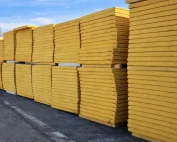
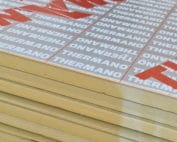
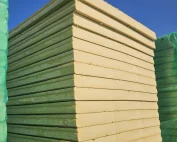
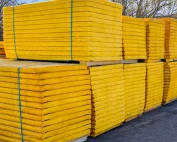
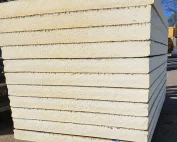
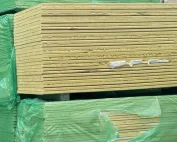
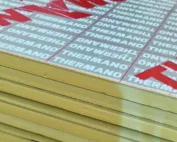
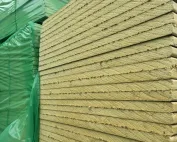
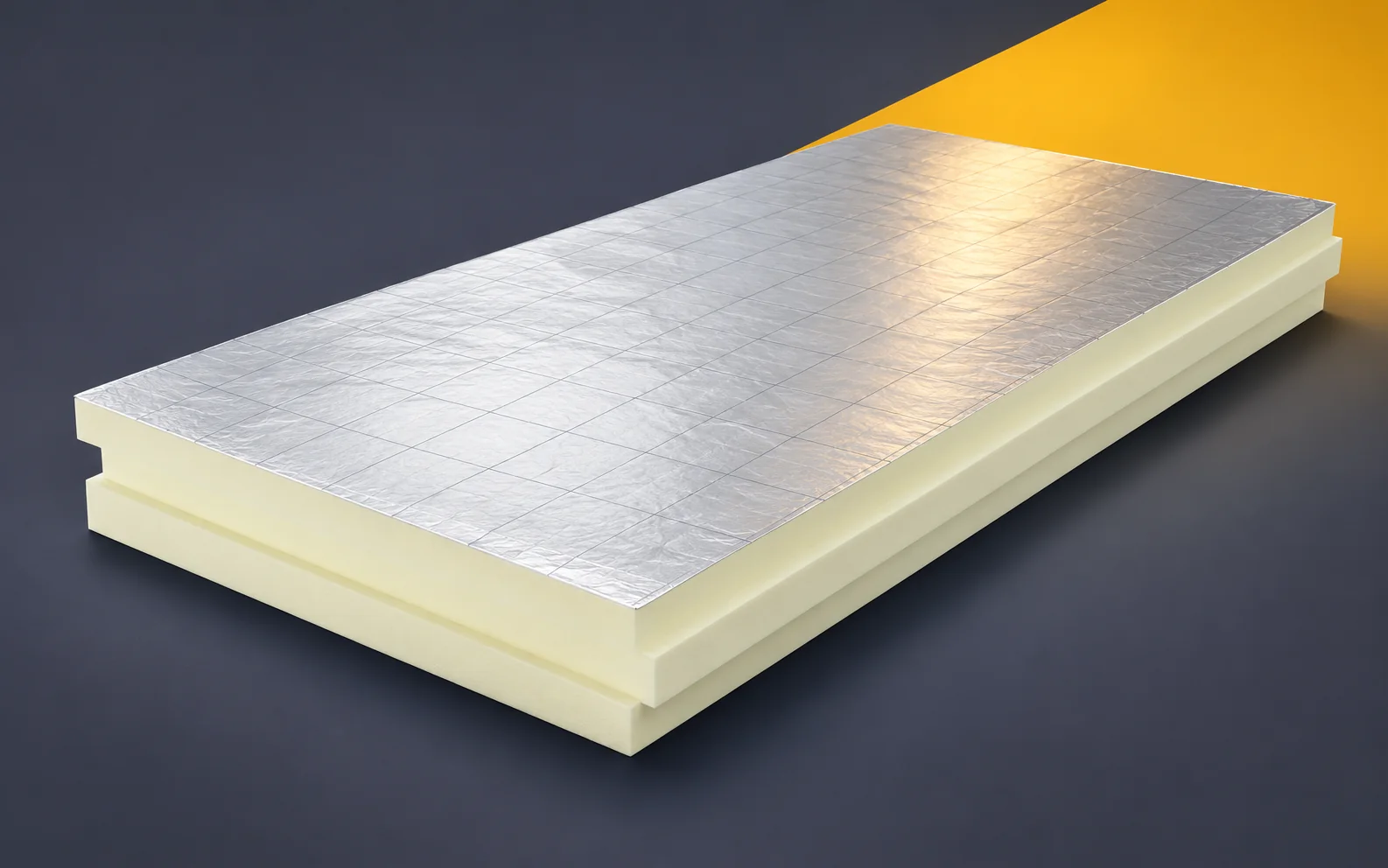
A comparison of insulation should separate thermal conductivity, the heat storage capacity of the layers and the method of execution. PIR boards, cellulose and wood fibre do not have an identical form. The specification must define the function, the acceptance criteria and the scope of the analysis of summer conditions and moisture conditions. PIR boards are rigid products of a defined thickness and facing. Cellulose can be blown into prepared cavities. A factory-made board has a declared thickness, whereas a blown-in layer is produced on site. The acceptance description should correspond to this technological difference. For blowing in, the thickness and the density specific to the application are significant.
In this article
Different forms of the material
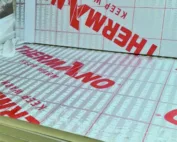
For boards, the facing variant and the pattern of joints are also checked. The two methods should not be reduced to a single figure in metres. Separating the criteria makes it easier to compare offers and assess the finished solution.
What determines summer comfort
The lambda value of the insulation layer alone is not enough to determine summer comfort. How a room behaves on a hot day is determined jointly by the thermal capacity of the building elements, the area and type of glazing, the shading method and air exchange. For this reason, overheating analysis is carried out for the whole building together with the assumed usage scenario, not for a single material.
The lambda of a single layer does not replace information about windows, shading and the thermal capacity of the interior. The calculation of summer conditions should assume the geometry, orientation and usage schedule of the rooms. Data on glazing and solar shading are needed. The dynamic properties of the layers are only part of this set. It is worth recording the assumptions so that the result can be reproduced later. The comparison of PIR with fibres should not be based on two different ventilation or solar exposure scenarios.
Where a small thickness is useful
The choice of PIR is most often determined by limited space: with a small layer thickness, a high thermal resistance can be achieved. However, for a thickness comparison with cellulose or wood fibre to be meaningful, both variants must be related to the same insulation target adopted in the design.
It must also be determined whether the variants under consideration retain the same structural connections. Material variants should be compared for a clearly defined thermal objective. If one cross-section requires a greater thickness, the consequences for details and fixing must be checked. It is not always possible to retain an identical surrounding geometry. Equivalence should therefore cover the full assembly. This makes it possible to identify the real advantage of thin PIR or of a technology that is convenient to fill a prepared cavity.
Shared separating structure and moisture flow
An assembly in which PIR works together with fibrous insulation is feasible provided it has been designed as a whole. The layers must not inadvertently trap moisture in the timber or the sheathing. The diffusion resistance must therefore be attributed to the specific facing and core, and not to the material name alone.
The general term natural or foam insulation does not provide complete data for moisture analysis. The diffusion data should relate precisely to the layers adopted. The core and the facing may have a different influence on vapour transport. The analysis must also take into account airtightness and the drying conditions of the sheathing. A general designation of a fibrous material does not replace its documentation. In a mixed assembly, it is worth retaining the data set on the basis of which the interaction of the materials was accepted.
Acoustics and fire protection
In the specification, the comparison of PIR, cellulose and wood fibre must be based on documents, not on the name of the raw material. The reaction to fire is read from the document for the specific product, whereas fire resistance is determined for the entire separating element. The acoustic requirement should likewise relate to a tested or calculated assembly, and not to the material alone.
It cannot be derived solely from the material density in the table. If specific acoustic properties are required, the assessment scope for the entire building envelope must be specified. A similar material mass does not prove an identical result. The facings, joints and boundary conditions of the test or calculation matter. The same approach must be taken with fire requirements. The specification should not create a fictitious assembly by combining the best results from different sets.
Selection by task, not by slogan
The starting point for the comparison is the required outcome: the available height, the expected thermal insulation performance and the way the rooms are used. The description of the equivalent solution must also cover the installation technology, since this translates into the preparation of the structure and the inspection of the workmanship.
An equal thermal result does not guarantee that the working time or the quality control method will be the same. A change of technology at the procurement stage can affect the preparation of the structure and the schedule. Blowing in requires different operations from installing ready-made boards. Equivalence should also be assessed in this respect. It should cover the feasibility and inspection of the layer in the designed location. This allows the equivalent solution to retain the function of the building envelope without shifting significant decisions to the crew during the works.
An example that brings order to the comparison
The calculation shows how to separate the mass of the layer from the specific heat capacity. At a density of 160 kg/m³, a specific heat capacity of 2100 J/(kg·K) and a thickness of 140 mm, the area heat capacity is approximately 47.04 kJ/(m²·K), and for 45 m² approximately 2116.8 kJ/K. These values describe the assumed layer, not the room temperature or a guaranteed heating delay time; assessing the summer case requires the entire cross-section and a balance of heat gains and heat removal. Because polyurethane boards come in different designs, a comparison with fibres requires specifying the core and the facing. Polyurethane insulation in a factory-made board is not the same process as spray application, and the term polyurethane foam alone does not describe the parameters of a finished roof. Polyurethane insulation must be described by the form of the material and the place of application.
7 branches. Materials closer to your project.