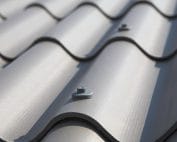
Rain noise on corrugated fibre cement roofing: what affects indoor sound?
Fibre cement coverings
The sound of rain is assessed inside the building, not only at the surface of the sheet itself. The covering material matters, but the effect also depends on the roof layers, the supports and the room. Fibre cement sheets are sometimes chosen for their favourable acoustic behaviour. However, this does not guarantee a specific level of quiet in every hall. Asbestos-free fibre cement is worth considering as part of the whole building envelope, particularly above work and rest areas. Drops strike the surface, and the resulting energy can be transmitted through the material and the connections. The character of the sound depends on stiffness, mass, damping and the method of support. This is why different coverings do not sound identical.
In this article
Rain sets the covering vibrating
However, it is not enough to compare two loose samples. On the roof, the sheets are fixed, have overlaps and interact with the structure. This changes the vibration conditions. The intensity of the rain and the size of the drops also affect the result. A reliable comparison requires similar test conditions. Random recordings from two buildings may show different rainfall, microphone distances and interior finishing methods.
The material helps, but does not determine the whole result
Fibre cement sheets have a different structure from thin metal sheets. Manufacturers cite the reduction of rainfall noise as one of their performance features. This should not be translated into any arbitrary number of decibels or a promise of “twice as quiet”. Such terms require specific data and a comparable setup. It is also important to distinguish sound absorption from the insulation of the partition. A material may perform well under droplet impact without constituting a full barrier to external noise. When assessing a roof above a bedroom or workstation, it is therefore necessary to establish what type of sound we actually want to reduce.
The layers under the roof change how the noise is perceived
An open hall with a single covering and an attic with insulation and a ceiling are two different setups. The fibre cement sheets on the outside may be the same, but the sound passes through different layers. Their mass, connections and any cavities matter. Acoustic insulation should not be selected solely by thickness. The method of installation and the interaction of the entire system also count. For high requirements, an acoustic design or test results for the specific solution are needed. Simply adding any material under the covering may not achieve the desired effect if easy paths for vibration and sound transmission remain.
Loose components can dominate the sound of rainfall
A loose flashing, a poorly seated fitting or a moving element can make noise in wind and rain. This is not a normal characteristic of the roofing material. Asbestos-free fibre cement will not solve the problem of a loose detail just because the sheet itself damps some vibration well. The condition of the fastenings, washers and finishes must be checked. At the same time, avoid automatically tightening everything with greater force. Excessive pressure can damage the sheet. The repair is to restore the correct method of connection. If the noise appeared suddenly after a storm, it is worth treating it as a signal for inspection rather than getting used to the new sound of the roof.
The interior can amplify the impression of loudness
A large, empty hall with hard surfaces tends to be reverberant. Sound entering the interior is reflected and persists longer. Fibre cement sheets on the roof do not control all these reflections. Equipment, screens and interior materials can significantly change the perception of noise. In a livestock or service building, the needs of users and other sound sources must also be considered. It is worth separating the problem of rainfall penetration through the roof from the problem of excessive reverberation in the room. These tasks may require different solutions. Replacing the entire covering is not always the most effective way to improve acoustic conditions.
Compare complete solutions with a similar function
If a supplier presents an acoustic result, the tested partition, method and conditions should be checked. Fibre cement sheets assessed as a single sheet do not automatically give a result for a roof with a different ceiling. It is worth asking whether the data relate to rain, airborne sounds or another phenomenon. A distinction should also be made between a description of user experience and a measurement. Both can be helpful, but they answer different questions. When comparing offers, the same building function and required level of comfort must be maintained. A cheaper covering may need additional layers, and a more expensive one does not necessarily meet all expectations on its own.
First name the user’s expectation
In a garage, occasional rain noise may be acceptable. Above a classroom or a rest area, the requirements will be higher. Fibre cement sheets should be selected with reference to the actual task, not a general promise of quiet. With an existing roof, it is worth describing when the noise occurs, its character and its relationship to wind. This makes it possible to distinguish a normal reaction to rainfall from loose accessories. If measurements are needed, they should cover representative conditions. A well-defined objective makes it easier to choose between improving details, adding appropriate interior finishes or a broader upgrade of the building envelope.
When choosing asbestos-free fibre cement, describe the function of the interior and the expected comfort. This allows complete roofs to be compared instead of relying on an imprecise promise of quiet.
7 branches. Materials closer to your project.