Horizontal metal fence pickets: creating clean, balanced lines

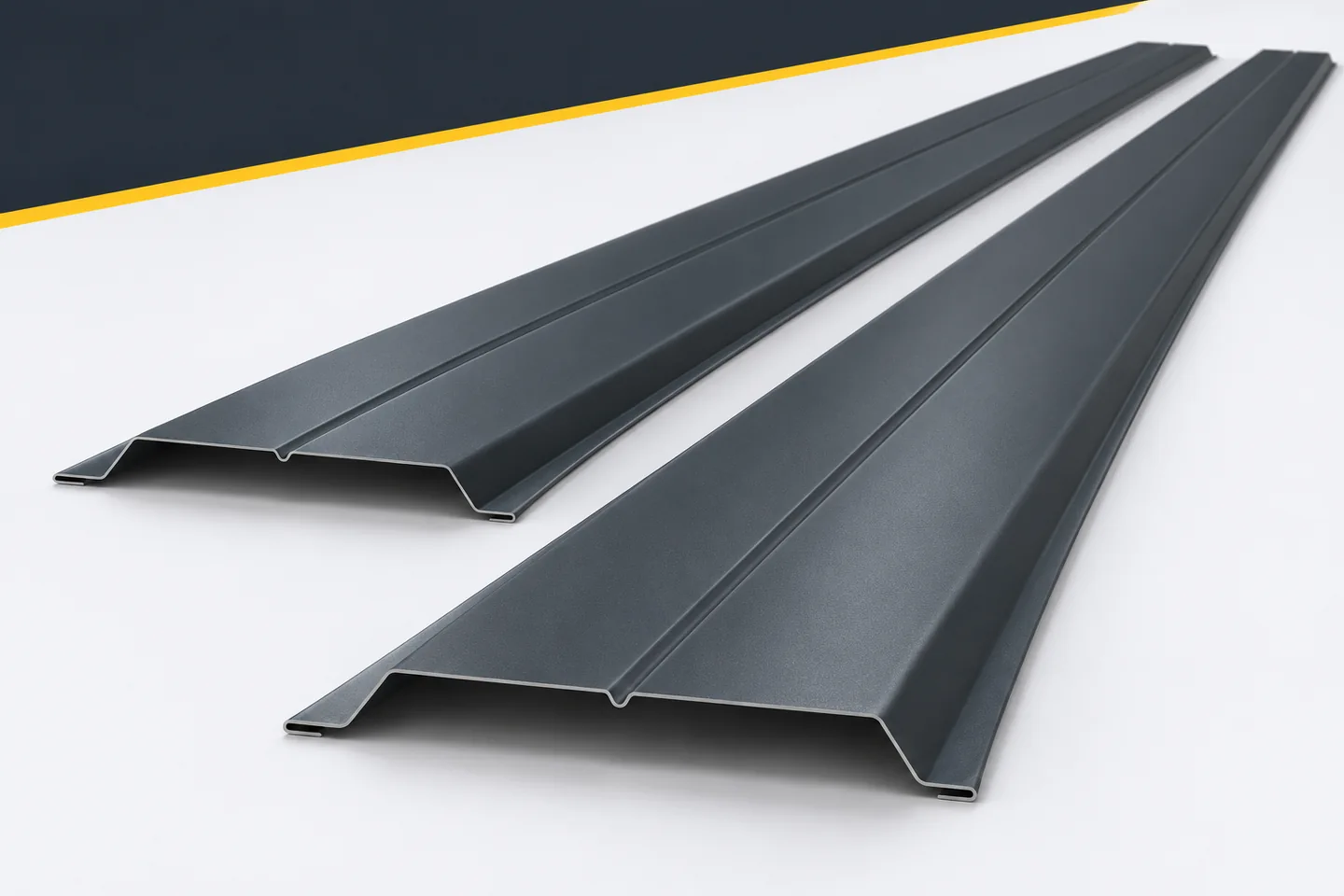
Horizontal pickets give a fence a different character from vertical ones. The eye easily follows the successive bands, and the posts and the gaps between bays gain in importance. Such an arrangement can work well with a wide house volume. However, it should not be designed by simply turning any profile on its side. Metal pickets must be intended for horizontal installation and have proper support. Only on that basis is it worth refining a calm rhythm of lines and the proportions of the whole fence. Not all pickets carry the same recommendations. Some solutions permit horizontal installation, others specify vertical. The finish of the element also matters. With a horizontal arrangement, a straight cut on both sides is often used. This must be confirmed for the specific model before the length and coating are ordered.
2026-11-15T17:54:31+01:00

Balancing the proportions of fence pickets, posts and the plinth

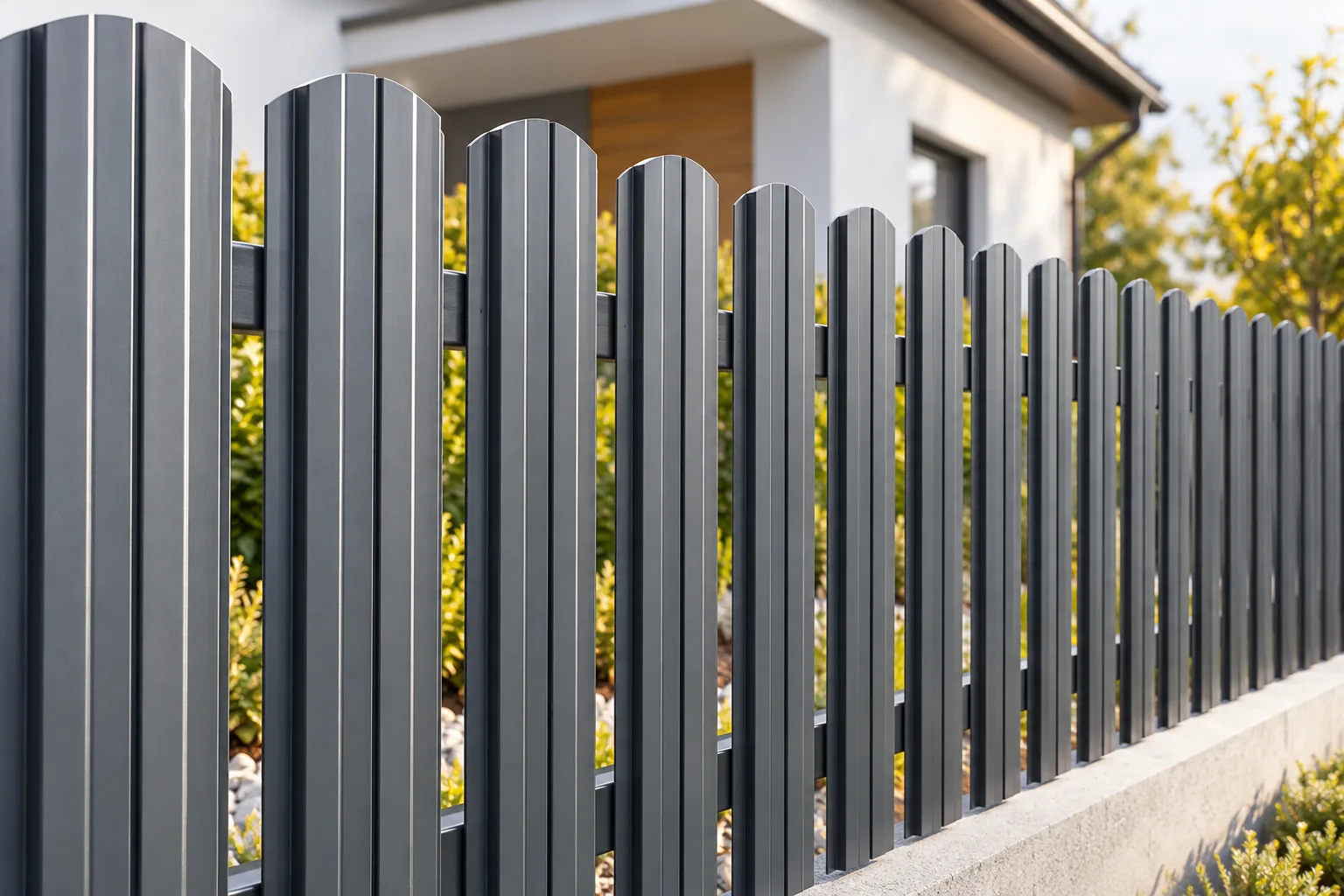
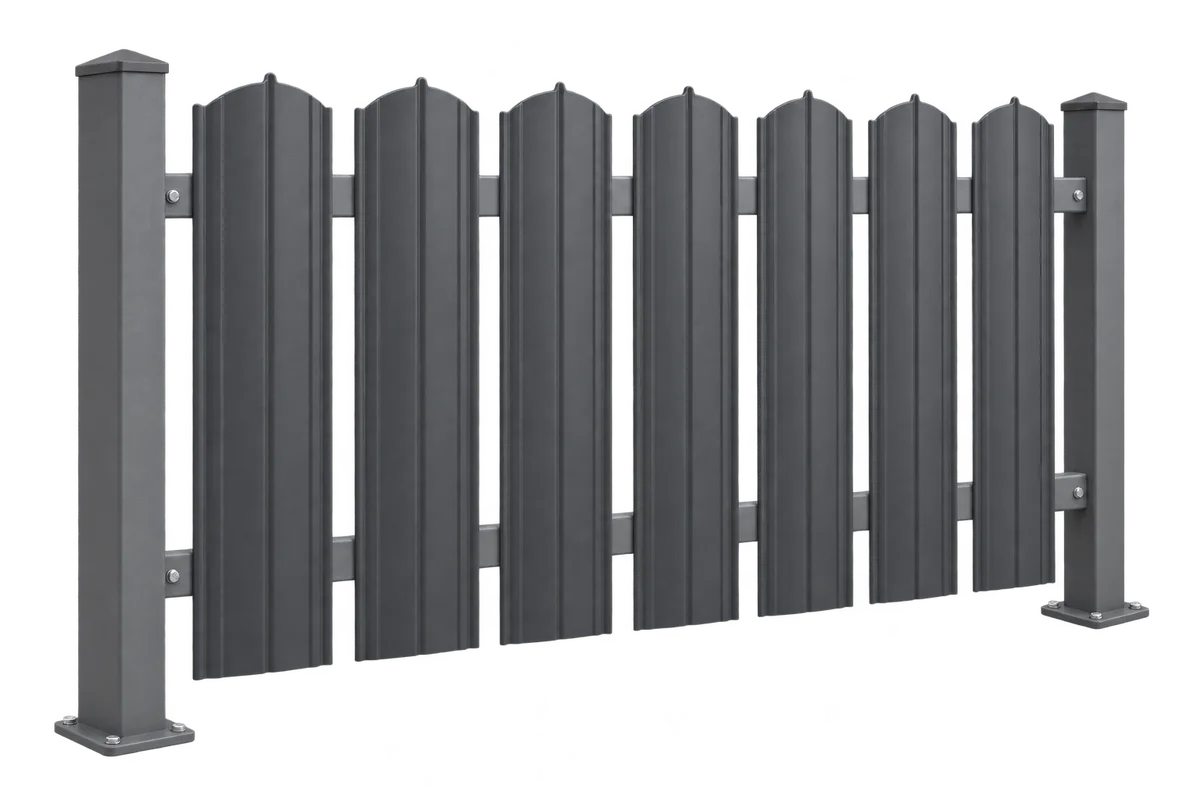
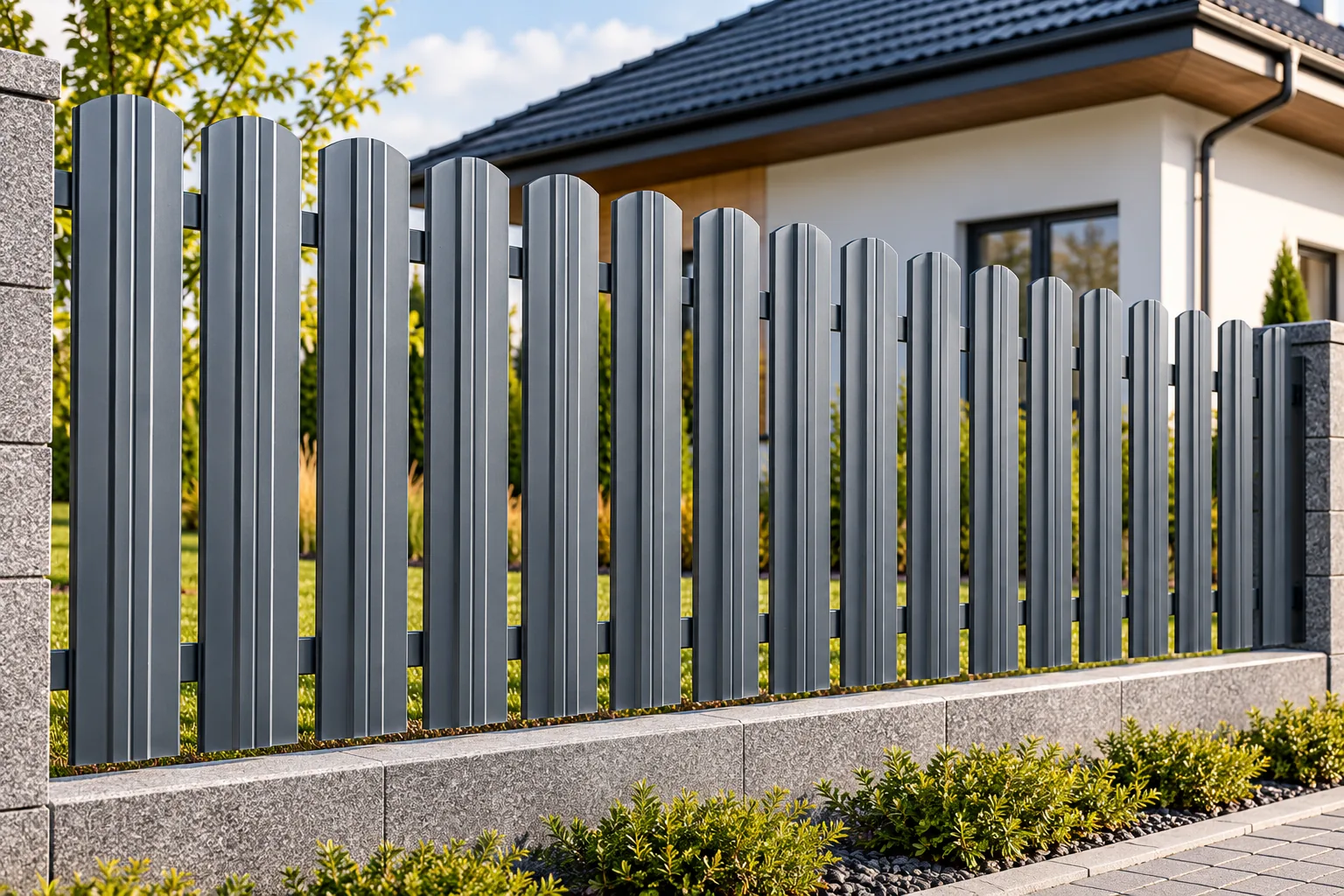
A picket viewed on its own may look light, but once mounted on a massive base it becomes part of a heavy frontage. That is why the choice of profile should be combined with the decision on posts and plinth. These three elements form the main proportions of the fence. Metal fence pickets fill the bays, the posts set a stronger rhythm, and the plinth defines the lower line. It is good when each part has a clear role. Randomly emphasising all surfaces at once makes it difficult to achieve a calm effect. Strong masonry posts can become the main motif of the frontage. In that case, a calm infill helps to maintain order. With delicate steel supports, the rhythm of the pickets can take on a greater role. A high plinth produces yet another arrangement. There is no need to choose a single recipe for every property. What matters is that the hierarchy is deliberate and visible along the entire length.

2026-11-15T17:54:54+01:00

Six advantages of metal picket fencing

Metal pickets let you adapt the rhythm, colour and degree of screening of a fence to your own needs. However, it is worth checking not only the advantages of the pickets but also the structure of the bays, the fixings and the intended use of the specific system. Buying the pickets alone does not include posts, rails, a gate or installation. Before deciding, draw the layout along the entire fence length and assess whether the chosen arrangement provides the expected screening and coating durability.

2026-11-14T19:20:12+01:00

Choosing a metal fence colour to suit the façade

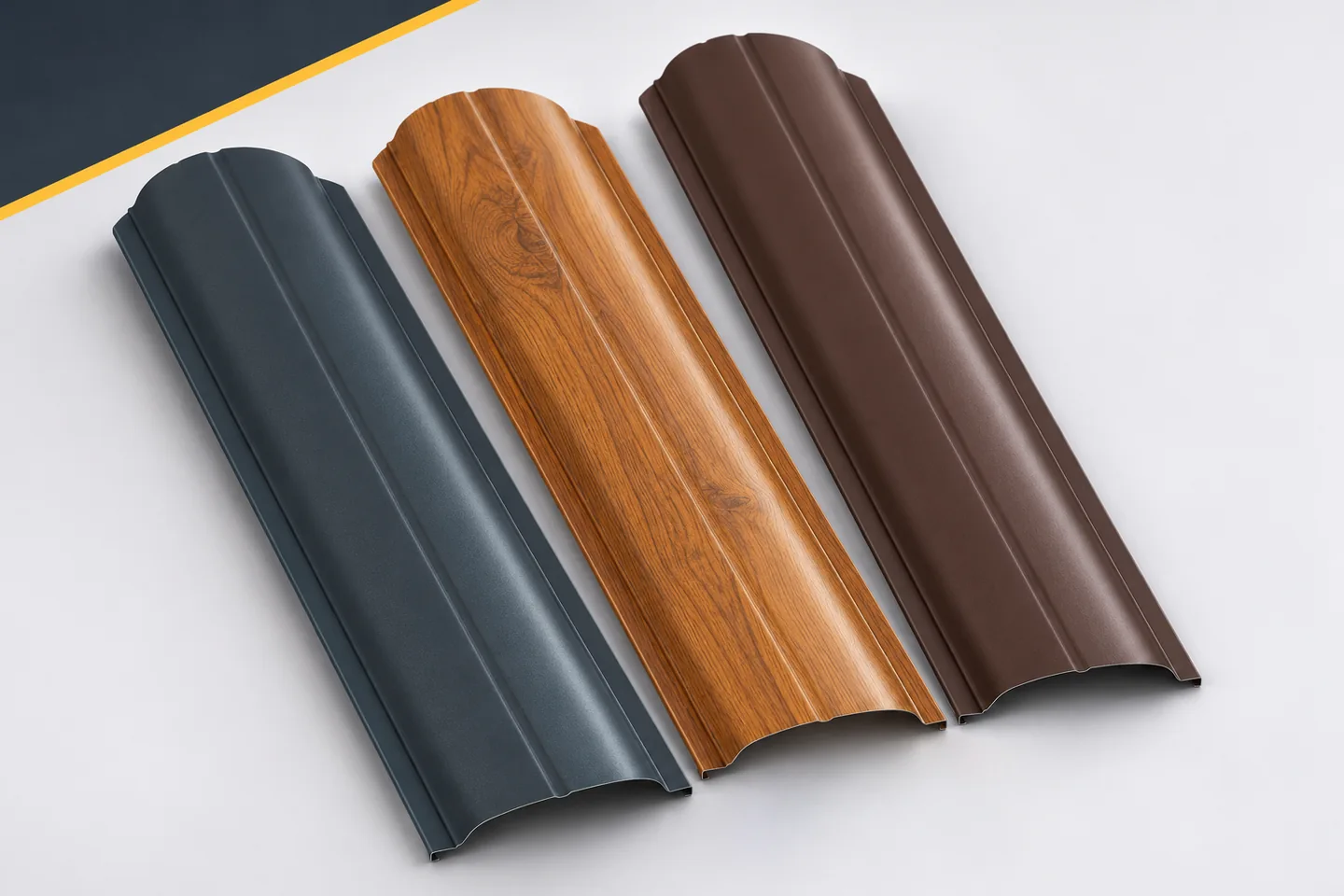
The fence colour is best chosen with reference to the actual façade. A small sample on a white screen does not show the full composition. Metal fence pickets stand in front of the house, cast shadows and reveal the background through the gaps. Therefore the same shade can look different on different properties. The selection should be based on a few simple steps. First determine the role of the fence, then choose the colour relationship, and finally compare real samples in appropriate light. A dark infill against a light wall creates a clear contrast. Similar shades can produce a calmer division. There is no single better answer. It depends on whether the fence is to be a strong element of the frontage or a discreet boundary. It is worth recording this decision before viewing the whole palette. This limits the choice of random colours that appeal only in isolation.

2026-11-15T17:54:18+01:00

Planning a fence with metal pickets

A boundary fence can have open spaces between its pickets. Screening a garden from view calls for a closer arrangement, which also affects the supports. Check how the fence looks both from the side and straight on, ideally using a sample panel, and plan the panels, gate and side entrance together with the slope of the ground. A denser infill reduces visibility but increases wind load, so leave the choice of posts and rails to the designer.

2026-11-14T19:20:58+01:00

Light and shade on metal fence pickets throughout the day

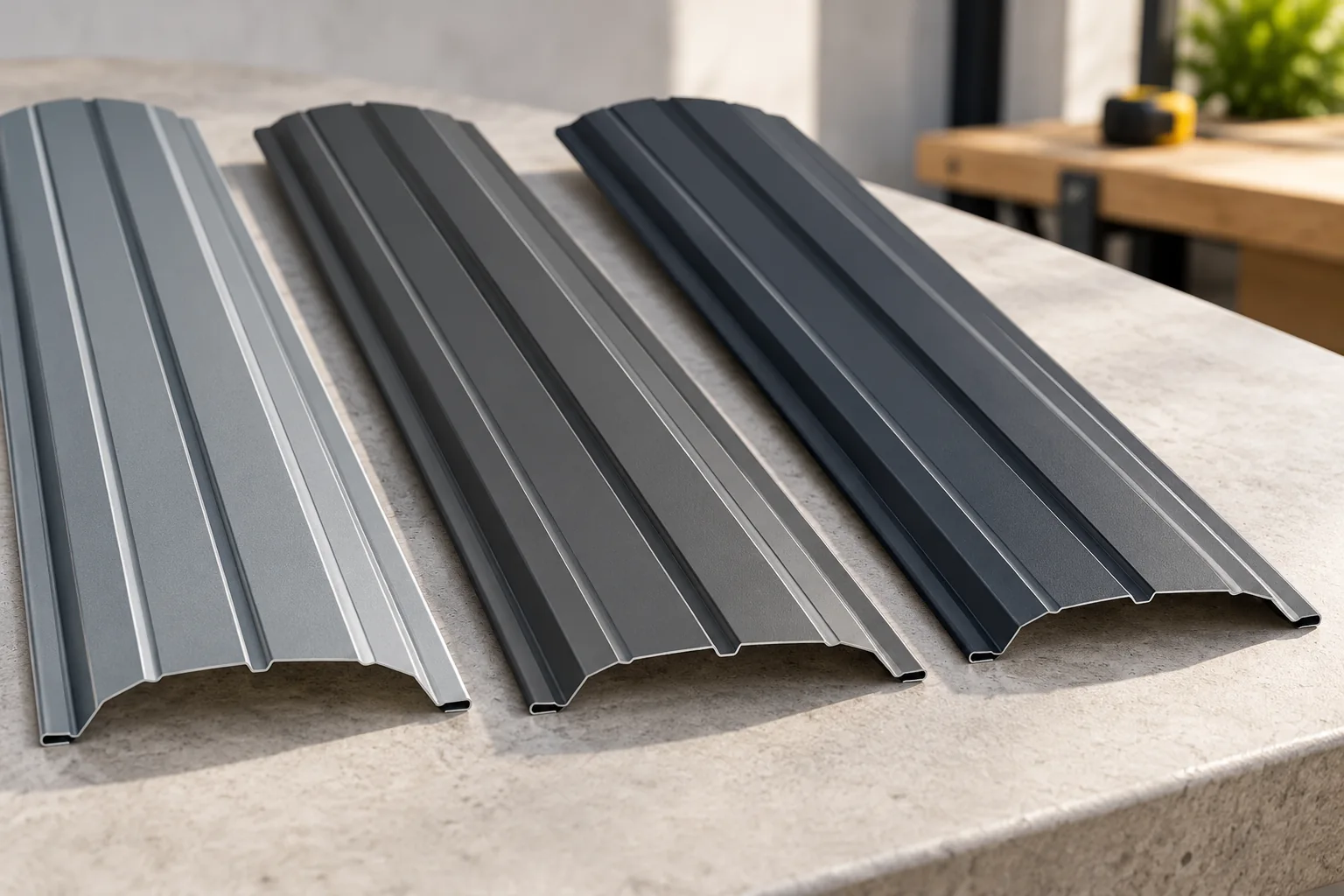
Metal fence pickets do not have a single unchanging appearance. In the morning their pressings may stand out clearly, while under an overcast sky they look much calmer. The angle of the light, the surroundings and the viewing position all change. A matt coating reacts differently from a glossy one. It is worth taking this variability into account when choosing a fence. A sample placed only briefly in deep shade may conceal features that will appear on an open frontage. There is no need to choose the material afresh, but it is good to see it in more than one position. This way the difference between a sample in the shop and the view on the property will not come as a surprise. Assessing the material should cover several ordinary conditions in which it will be viewed.

2026-11-15T17:55:05+01:00

Replacing metal fence pickets: which parts of the existing fence can stay?

Replacing metal fence pickets allows the appearance of the fence to be renewed, but does not automatically mean that the existing posts and rails are suitable for reuse. Their condition, dimensions, fixings and suitability for the planned height and clearances must be checked. On Izoprofil.eu we discuss the preparation for such a modernisation: assessment of the existing bays, trial assembly of the new profile and organisation of the replacement. A picket made of profiled steel sheet is an infill element; it does not replace the supporting structure. A change in the installation direction or the addition of a second row requires a separate assessment of the entire system. The decision to retain part of the fence is made before ordering the material. This allows the choice of colour and shape to be combined with the actual constraints of the existing property.

2026-11-15T17:55:12+01:00

Metal fence pickets for a modern home: a simple, carefully detailed design

A simple house clearly reveals the quality of the details around it. Against a calm background, uneven gaps, a random colour of fasteners or a poorly finished bay are easy to spot. Metal fence pickets can form an orderly fence if their selection does not end with a dark coating. The proportions of the profile, the rhythm and a clear structure are what matter. A modern effect does not require many decorative solutions. Repetitive pickets allow the chosen motif to be carried over a longer section and adapted to fields of different widths. This flexibility is worth using to organise the front instead of adding yet another different material. More often it results from limiting random differences and carefully combining a few simple elements.

2026-11-15T17:54:49+01:00

The top line of a metal picket fence: straight, curved or stepped?

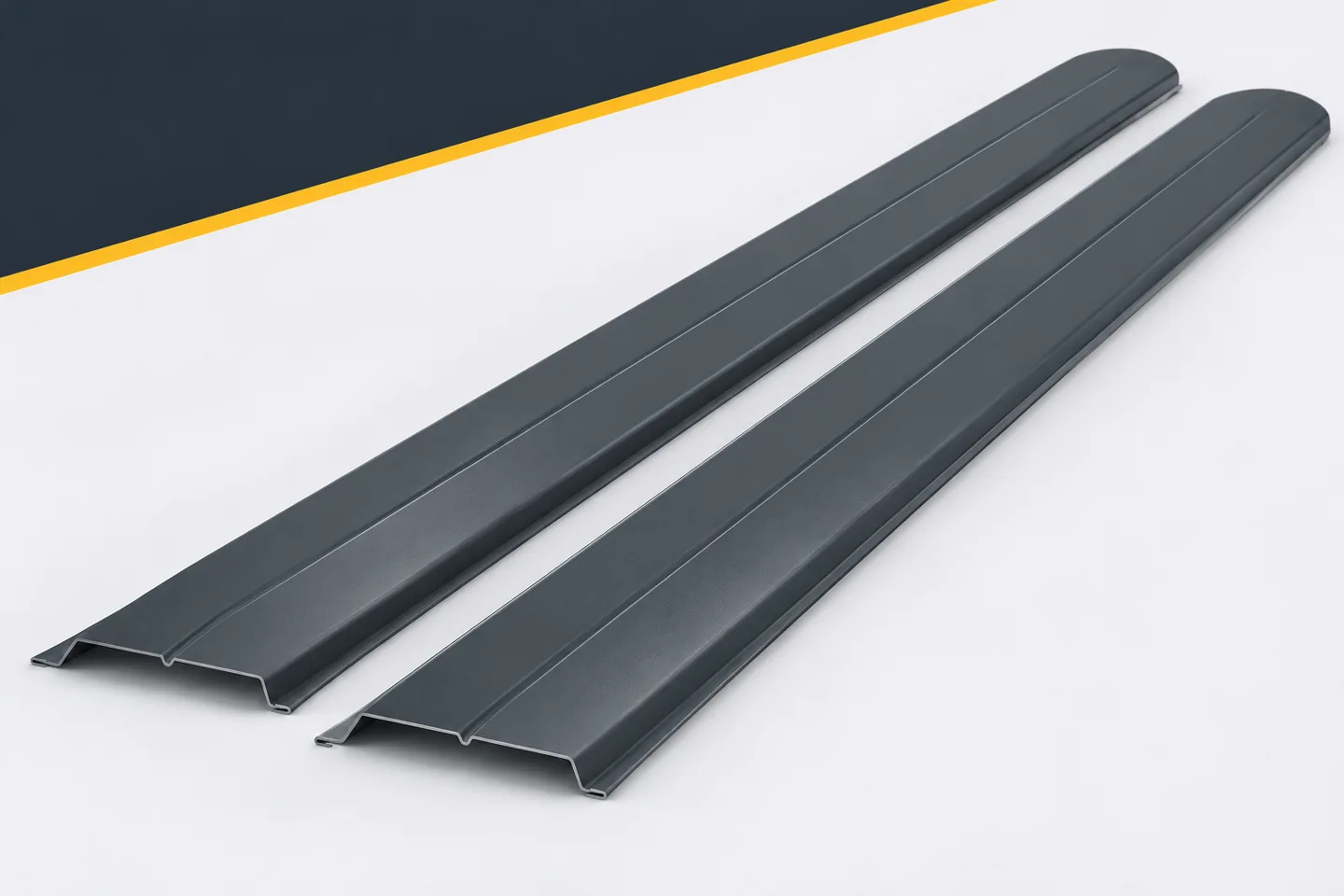
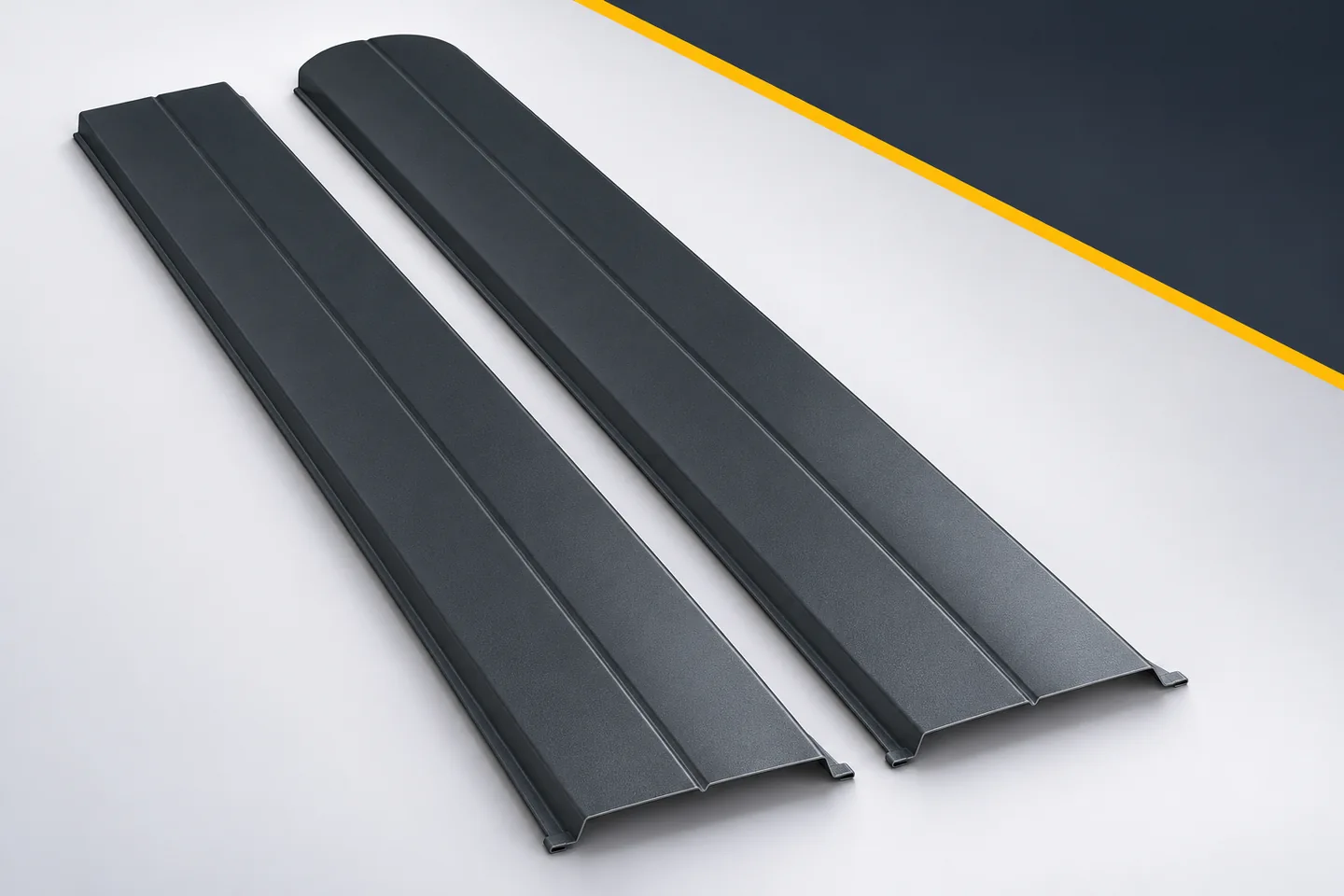
The appearance of the top edge of a fence comes down to two decisions. The first concerns how an individual picket is finished. The second concerns the length and position of all the elements within a bay. Rounded ends do not automatically mean the whole fence is arched. Metal pickets of equal length can have level tops even if each end has a gentle curve. It is worth separating these two questions before ordering. Make two sketches of the same bay, changing only one element. First compare the ends at equal height, then check how the outline changes. That way you will see more easily which decision really gives the fence the character you want. This makes it easier to achieve the intended effect and prevents mistakes during production.

2026-11-15T17:54:48+01:00

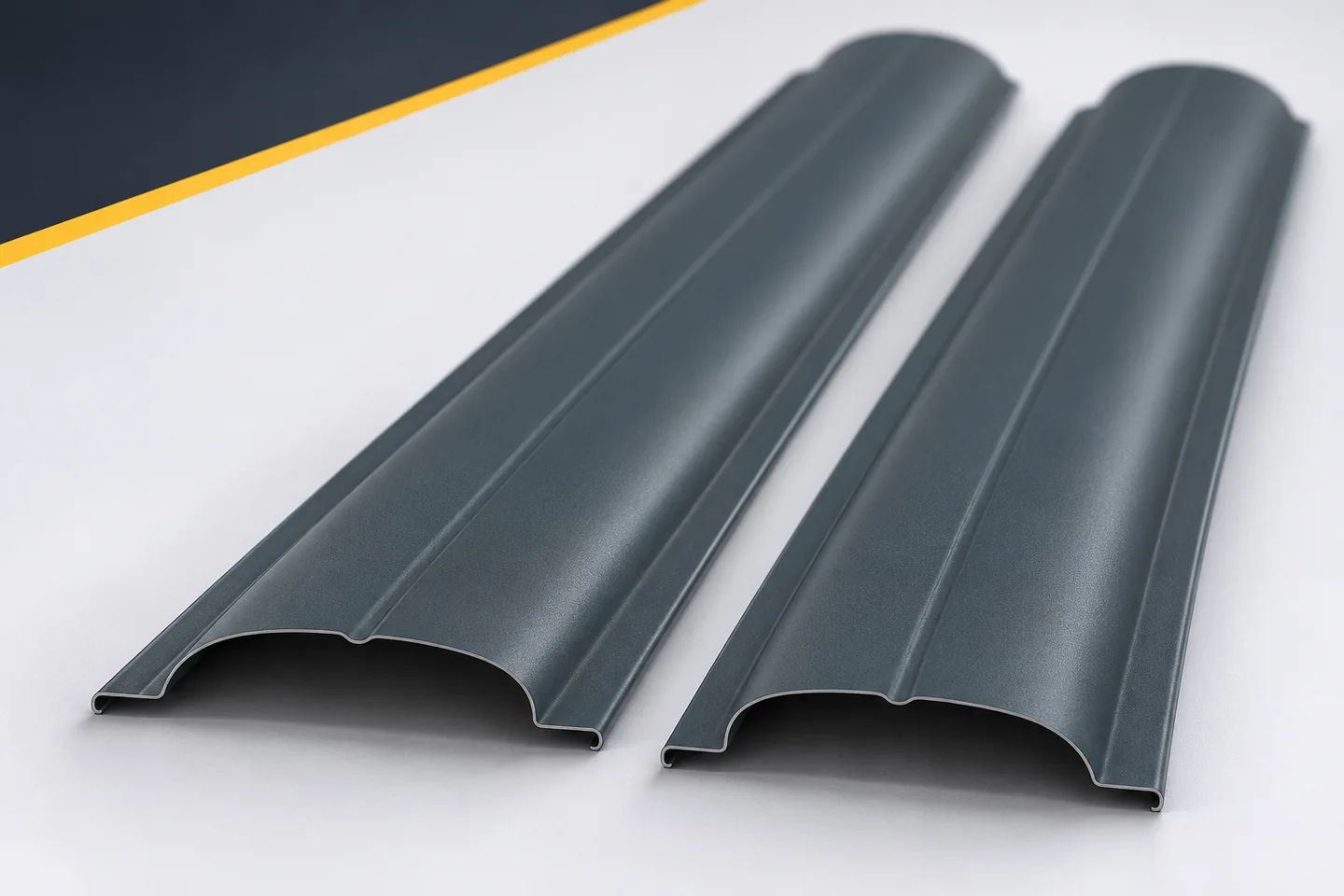
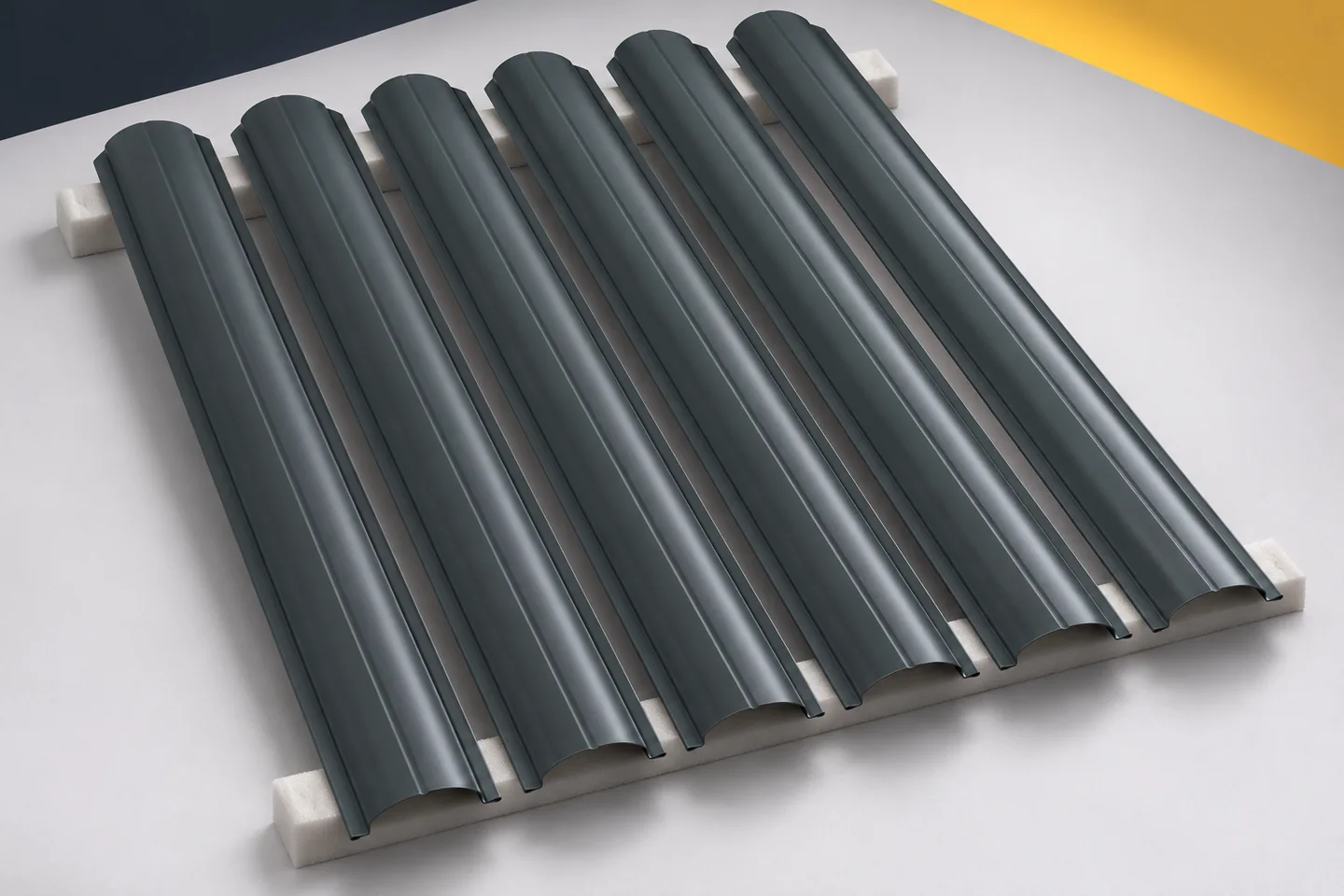
Metal fence pickets: how they work and when to choose them

Metal fence pickets are profiled infill elements for fence bays, available in various widths and profile depths. Before buying, check whether the chosen profile suits the existing structure and the desired gap, not just the façade colour. By examining a real sample, you can assess the surface on the street and garden sides and the finish of the edges. Bear in mind that a similar front appearance does not guarantee identical installation requirements. The decision on a double-sided layout or denser spacing should account for wind loads and fixing to the rails.

2026-11-14T19:22:27+01:00
Back to top