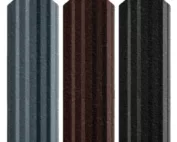
Horizontal metal fence pickets: creating clean, balanced lines
Metal pickets and fences
Horizontal pickets give a fence a different character from vertical ones. The eye easily follows the successive bands, and the posts and the gaps between bays gain in importance. Such an arrangement can work well with a wide house volume. However, it should not be designed by simply turning any profile on its side. Metal pickets must be intended for horizontal installation and have proper support. Only on that basis is it worth refining a calm rhythm of lines and the proportions of the whole fence. Not all pickets carry the same recommendations. Some solutions permit horizontal installation, others specify vertical. The finish of the element also matters. With a horizontal arrangement, a straight cut on both sides is often used. This must be confirmed for the specific model before the length and coating are ordered.
In this article
Choose a profile suited to the installation direction
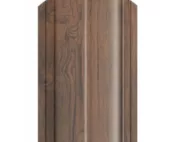
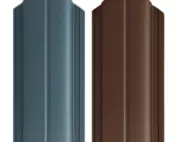
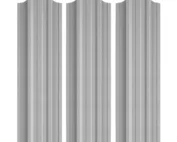
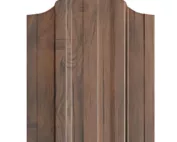
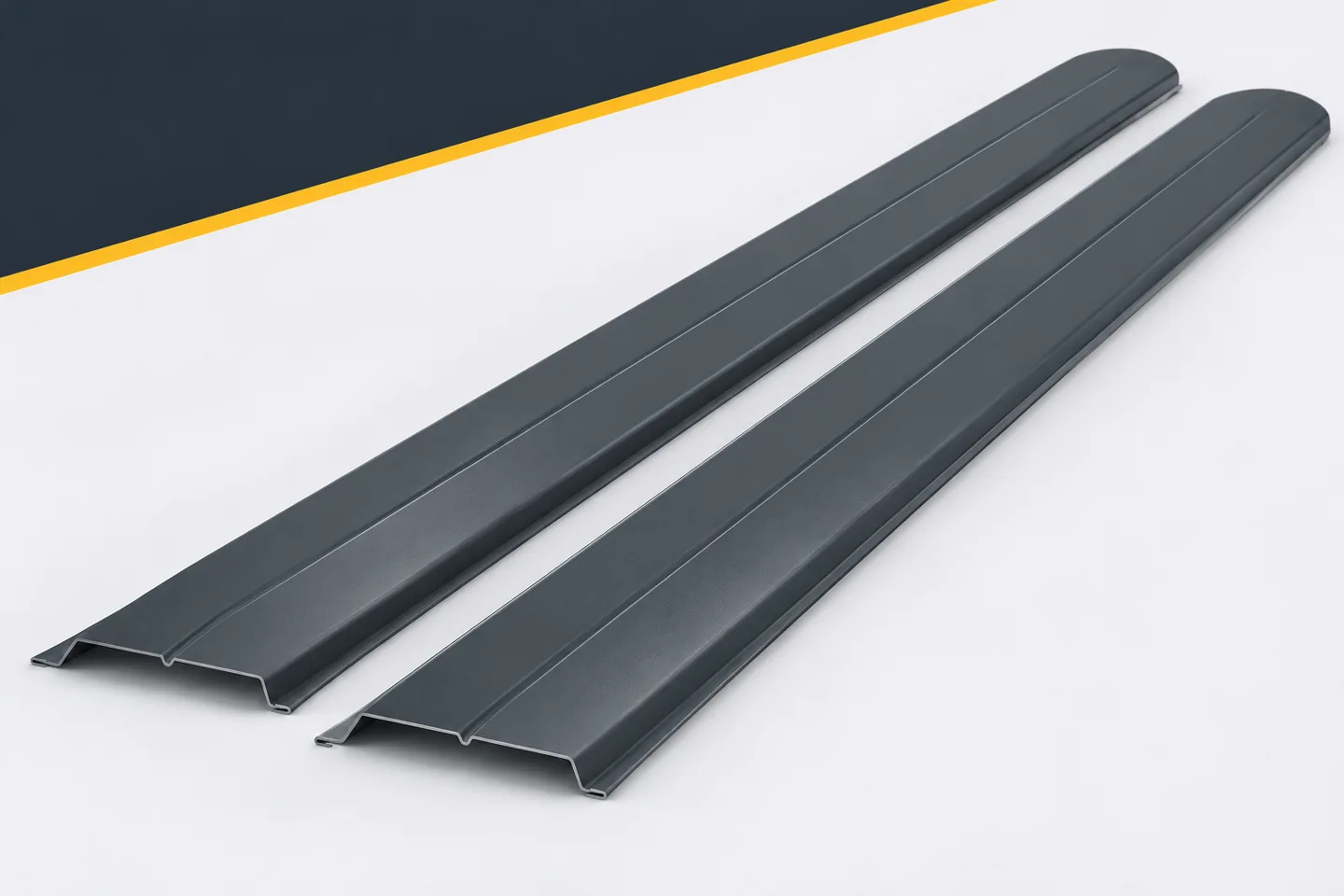
The actual cross-section also remains important for appearance. Sheet metal pickets do not become thick boards when turned. They still have thin walls, bends and the open geometry specific to the product. It is worth viewing them at an angle. This allows you to assess how visible the side surfaces and the gaps between the strips will be.
Plan the height across the whole set of rows
In a horizontal layout, the number of pickets and the width of the gaps build the height of the field. The lower and upper clearance from the structure must be taken into account. Simply dividing the height by the profile width is not enough. Each internal gap takes up additional space. It is worth drawing all the rows to avoid an accidental narrow remainder at the top of the bay.
With different field heights, it must be decided how to maintain a common rhythm. The layout can end at a different point if this suits the design. However, it is not worth changing the spacings without a clear rule. Metal fence pickets form long lines, so discrepancies between adjacent bays can be clearly visible. An accurate sketch helps to spot them earlier.
Decide how the lines end at the posts
The post interrupts the horizontal rhythm and gives it greater division. It can be clearly visible or partially concealed by a system detail. Both approaches require thought. Connections should not be hidden with any arbitrary strip if this makes installation and maintenance difficult. The correct cover is part of a specific solution, not merely decoration.
The picket length must be chosen taking into account clearance and accessories. It is not ordered automatically according to any measurement of the posts. The actual mounting position of the ends is important. Sheet metal pickets should not be forced in or bent so that they fit into a field that is too short. Such adjustment can change their geometry and damage the coating.

A long line requires proper support
The ability to make a long picket does not mean that it will remain unsupported along its entire length. A horizontal system may require an intermediate support and specific connections. These elements must not be omitted for the sake of a cleaner view. If they are visible from the garden, they should be included in the composition and colour scheme.
A well-designed structure can also look orderly from the back. It is worth viewing it at the stage of trying one bay, when the connections can still be calmly assessed and the details agreed. Consistent positioning of the supports and a matching colour of the accessories help. However, solutions should not be transferred between different profiles without checking. Every change in length, cross-section or degree of infill requires an assessment of compatibility. The aesthetics of the horizontal strips should result from the actual method of construction.
Assess the clearance from where you look every day
Horizontal gaps reveal the background differently depending on the observer’s height. The view from a chair on the terrace differs from that of a standing person. It is therefore worth checking the layout in both positions. A smaller gap may restrict visibility but does not guarantee full screening. Especially at an angle, the effect depends on the profile depth and the distance from the fence.
A two-row variant, if provided for, requires separate geometry and construction. It should not be confused with a colour applied to both sides of the picket. The offset between rows and the terminations at the posts must be defined. Increasing the amount of material changes the working conditions of the bay. This should be planned before selecting the supports, not added after the fence has been built.
Connect the fence line with its surroundings
The horizontal rhythm can be aligned with a band of windows, a wide roof overhang or a simple plinth. It is not necessary to repeat all these divisions at once. Choose one calm relationship and check the entire front from several positions. On uneven terrain, the transitions between heights are particularly important. Steps should result from the design, not from random adjustment of the last row.
Horizontal metal pickets offer great freedom in shaping the appearance, provided the product requirements are respected. The effect is determined by even spacing, good terminations and a logical division by posts. The right supports complete this design from a technical standpoint. As a result, the horizontal lines look calm both in a photo of the front and in everyday viewing of the fence from inside the property.
7 branches. Materials closer to your project.