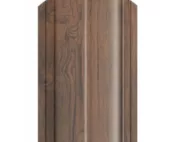
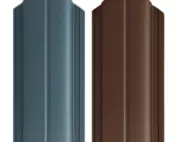
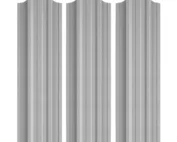
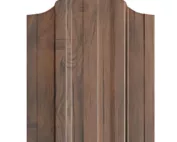
The top line of a metal picket fence: straight, curved or stepped?
Pickets and metal fences
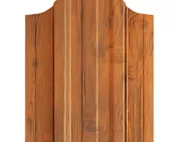
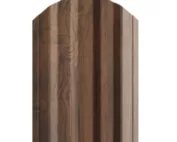
The appearance of the top edge of a fence comes down to two decisions. The first concerns how an individual picket is finished. The second concerns the length and position of all the elements within a bay. Rounded ends do not automatically mean the whole fence is arched. Metal pickets of equal length can have level tops even if each end has a gentle curve. It is worth separating these two questions before ordering. Make two sketches of the same bay, changing only one element. First compare the ends at equal height, then check how the outline changes. That way you will see more easily which decision really gives the fence the character you want. This makes it easier to achieve the intended effect and prevents mistakes during production.
In this article
A straight line creates clear order
Uniform picket heights create a calm outline. This can work well with simple posts, a gate and the façade. With this arrangement, installation accuracy is important. Small differences in level can be noticeable, especially against a bright sky. It is worth setting a common reference line and checking each successive picket rather than relying solely on measuring from uneven ground.
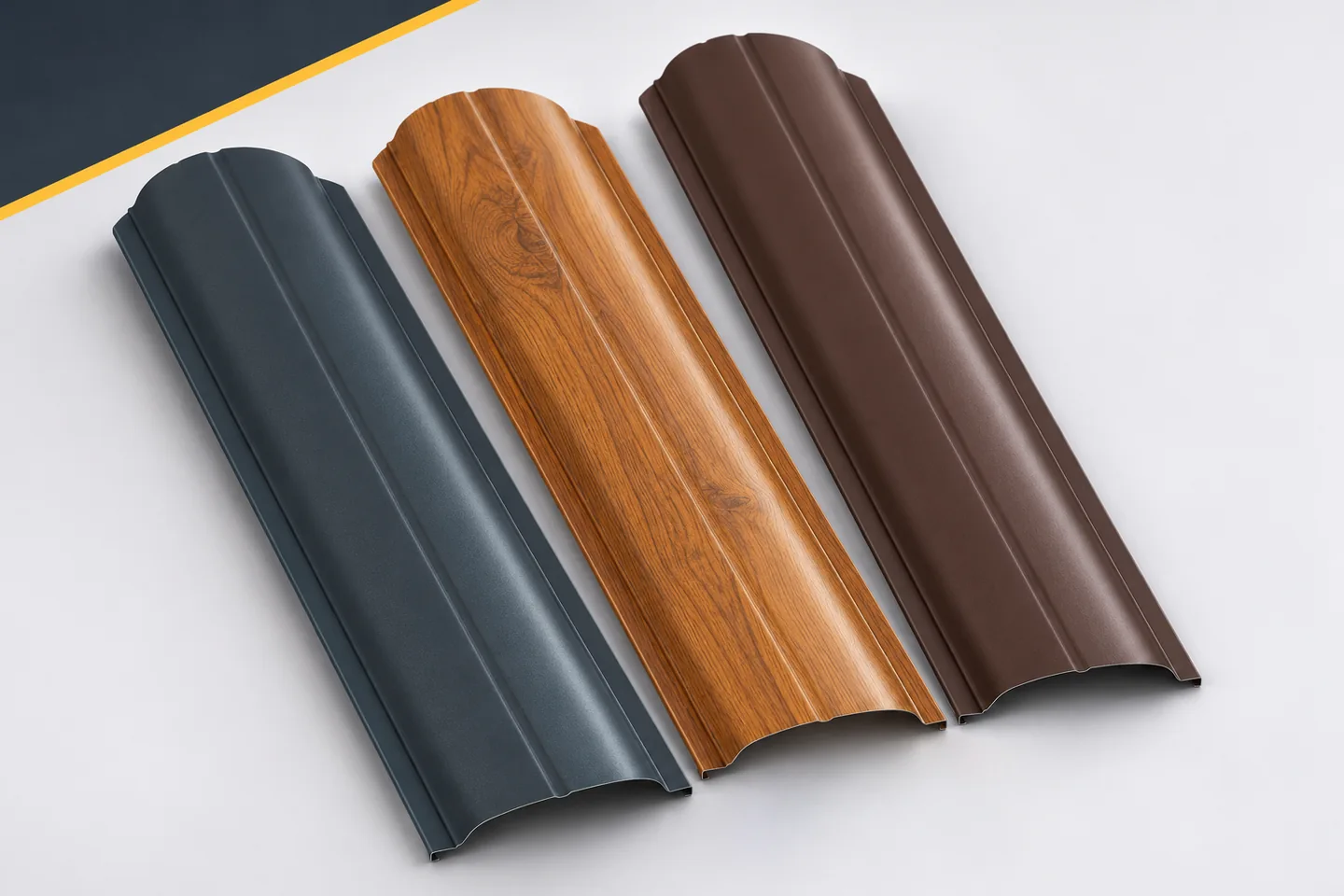
A straight top does not require straight ends only. It can also be achieved by setting arched pickets at the same height. The effect will be more rhythmic because the individual rounded shapes remain visible. Metal pickets should therefore be chosen on the basis of the whole panel. A single detail in a sample does not yet show the line that a dozen or so elements will form.
The arch of a bay results from planned lengths
If the centre of the bay is to be higher than the sides, the lengths of the successive pickets must be specified accordingly. This arrangement should be drawn before purchase. It should not be created by randomly moving elements up and down if this disrupts the support or the bottom line. The structure must match the chosen method of running the infill.
For illustration, five axes with heights of 1200, 1250, 1300, 1250 and 1200 mm can be drawn. This is an example of a stepped outline, not a finished fence design. In a real bay, the number and lengths of pickets depend on the panel width, profile and intended shape. The available dimensions and the method of measuring factory ends must also be confirmed.
Don’t multiply details unnecessarily
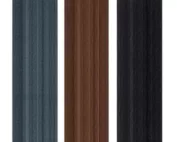
A pronounced arch across the whole panel, decorative ends and a strongly profiled face can together create an intense pattern. In some compositions this will be intentional. In others it will begin to compete with the house architecture. It is worth choosing one dominant feature. If the bay outline is decorative, a calmer profile or colour can help maintain order.
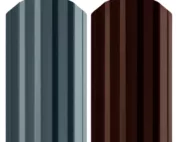
Metal pickets do not have to imitate a wrought-iron fence. Their own aesthetic comes from repeated geometry and thin coated sheet. Before choosing a decorative outline, check which ends are actually available for the given profile. Every detail should be backed by the actual product range and method of installation. This keeps the visualisation feasible.

On a slope, distinguish the outline from the ground level
Different picket lengths may result from the composition or from the terrain. These two reasons must be separated. On a sloping plot, it is worth first determining how the bays and the foundation wall will run. Only then is the top line chosen. Otherwise the intended arch may be accidentally distorted by level differences.
In the drawing, also show the lower ends. Sheet metal pickets should not rest on the ground or concrete to level the top. The clearance should match the design and the material conditions. If steps are needed, it is good to place them in clearly readable locations, for example at a structural division. Improvisation at the last picket usually does not improve the whole.
Define the relationship to the gate and pedestrian gate
The top line of the front also includes the movable leaves. They may repeat the outline of the bays or form a separate accent. It is important that the difference looks deliberate. However, the pickets on the gate and pedestrian gate require their own frame and method of fixing. They must not be shifted arbitrarily to achieve a nicer curve without checking the structure.
In the entrance area, the ends are viewed up close. It is worth assessing their quality and conformity with the product. A gentle outline does not remove all cut edges. Sheet metal pickets still require proper use and careful installation. An aesthetic detail should not be presented as standalone confirmation of safety for every application.
Order lengths unambiguously
With a variable line, each group of elements should have a designation and a quantity. Keep one unit and a clear measuring point. It is worth adding a sketch of the installation sequence. This way, similar lengths will not be confused after unpacking the delivery. The material must also be stored so as not to damage the ends before work.
The top outline gives the fence a distinct character, but it should remain part of the overall design. A straight line, a gentle curve and stepping are different possibilities, not successive grades of quality. Well-planned metal pickets combine the chosen appearance with proper support. A clear length schedule allows this intention to be carried out without accidental cutting and fitting at the final stage.
7 branches. Materials closer to your project.