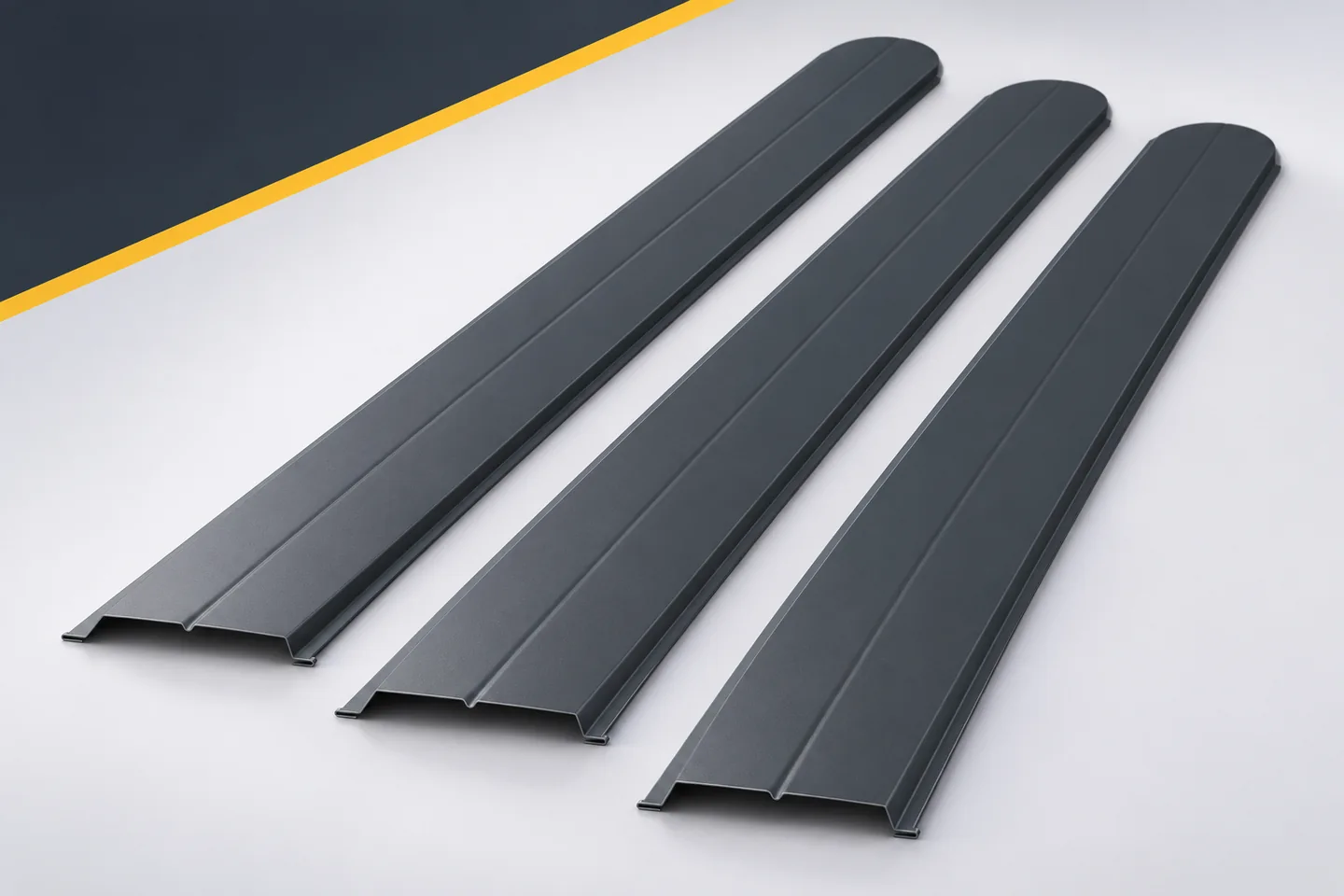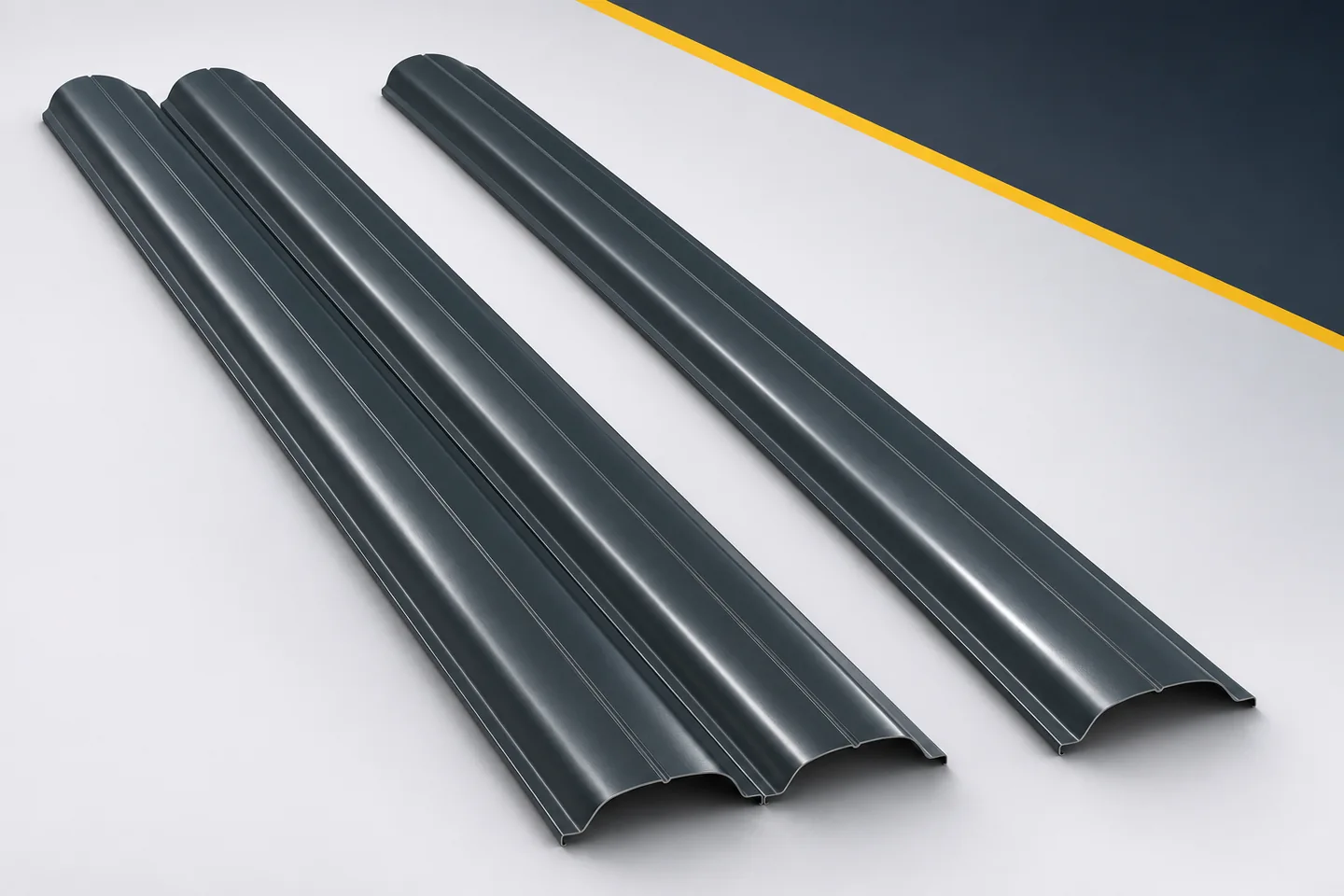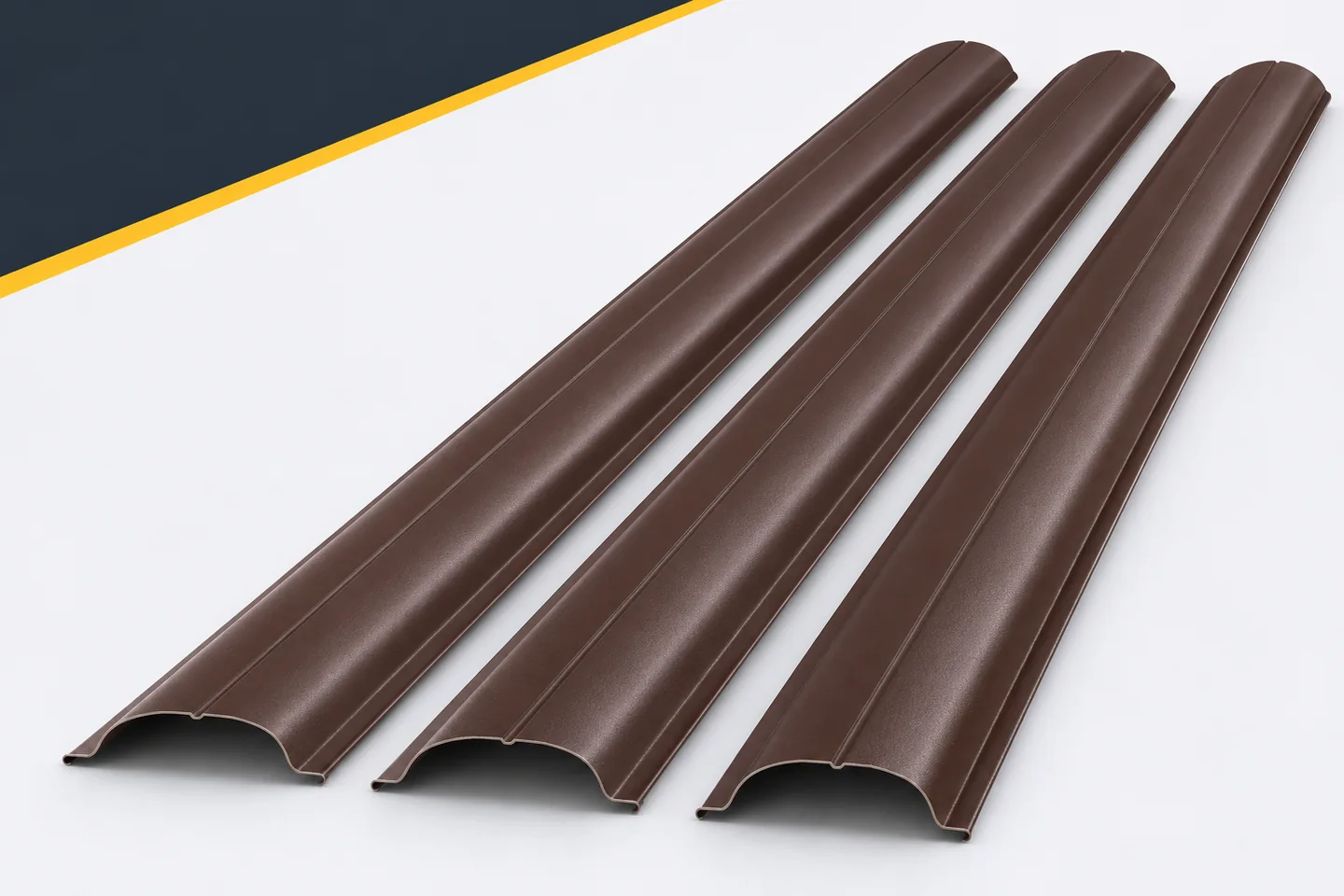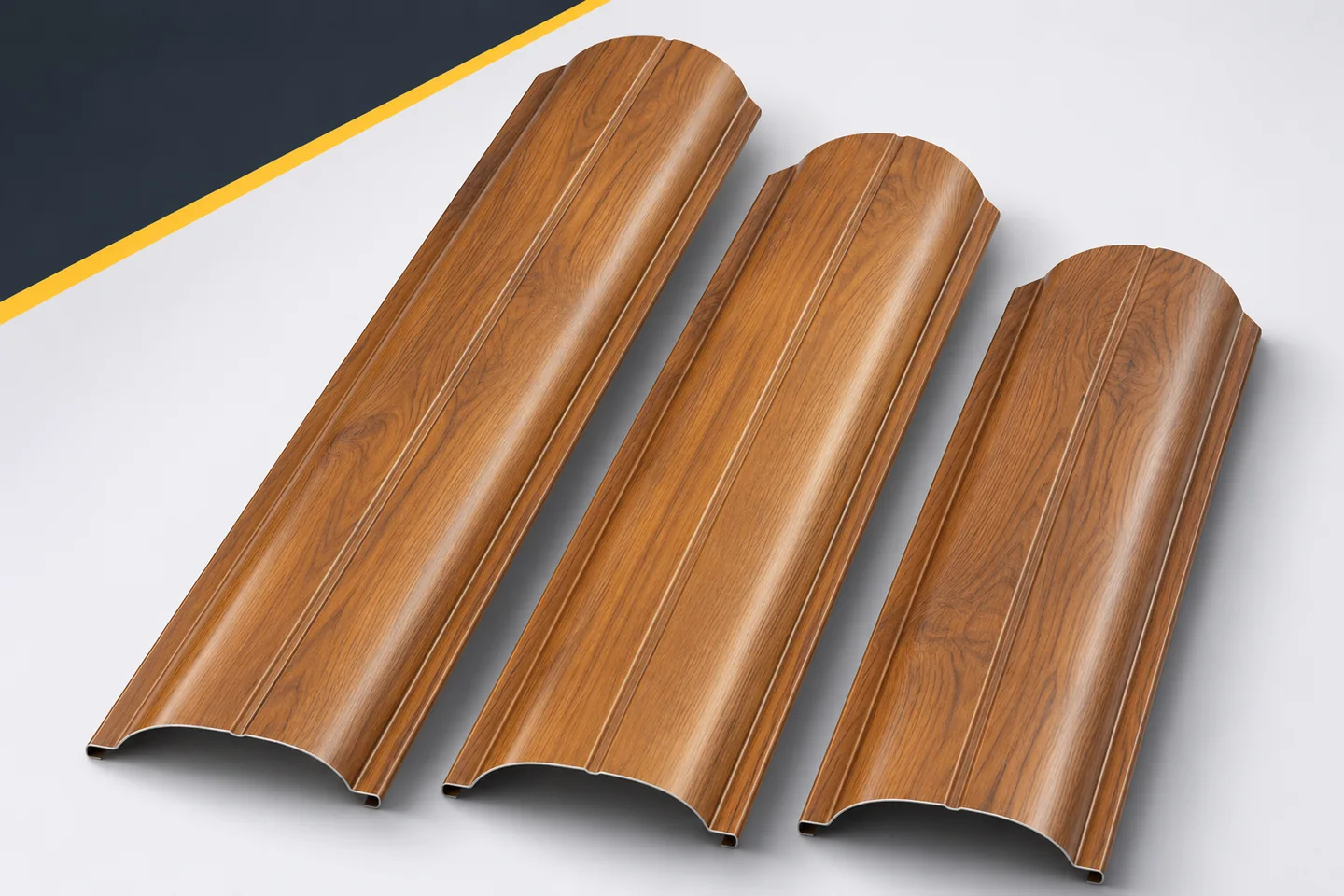
Choosing a garden fence: when are metal pickets a good fit?

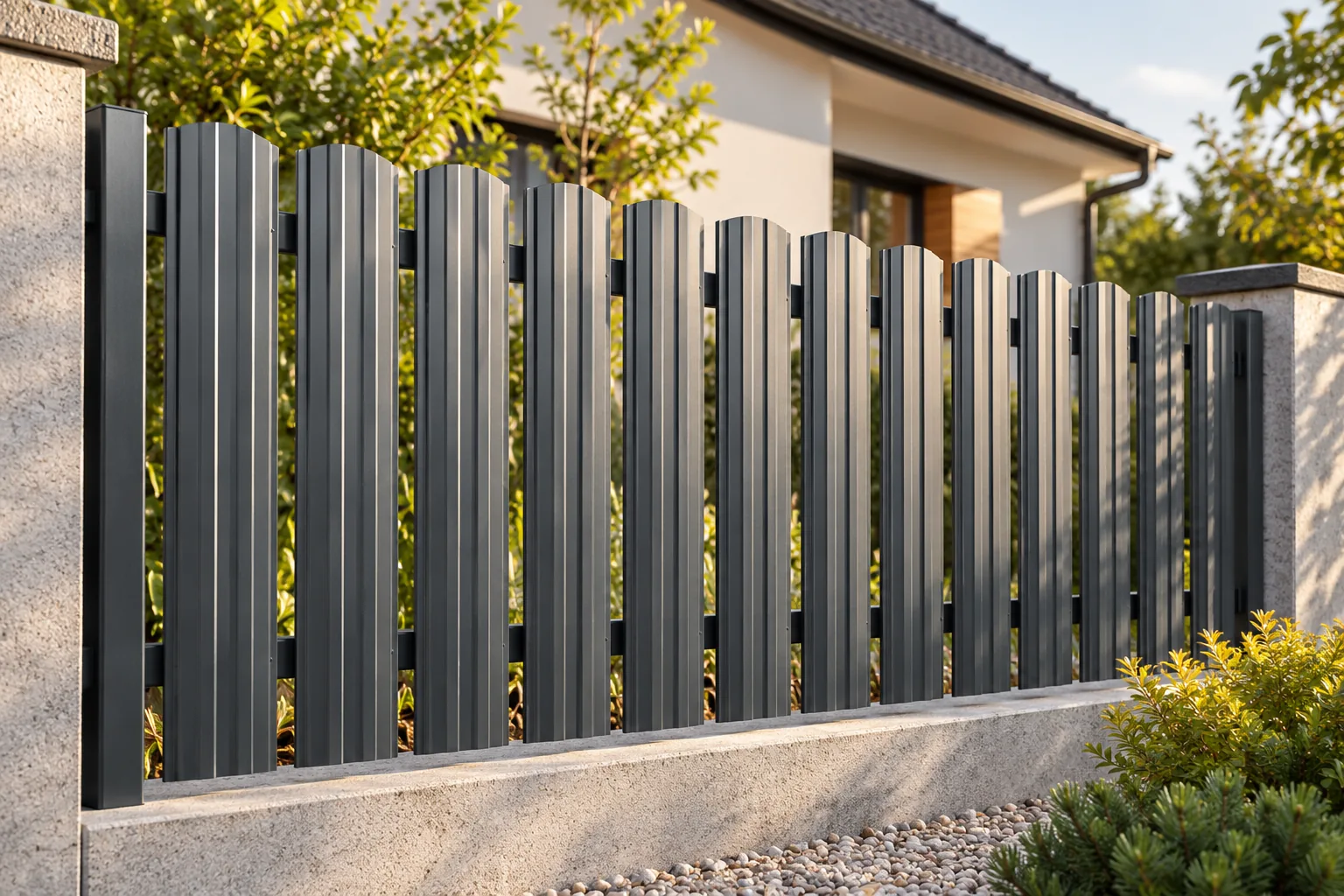
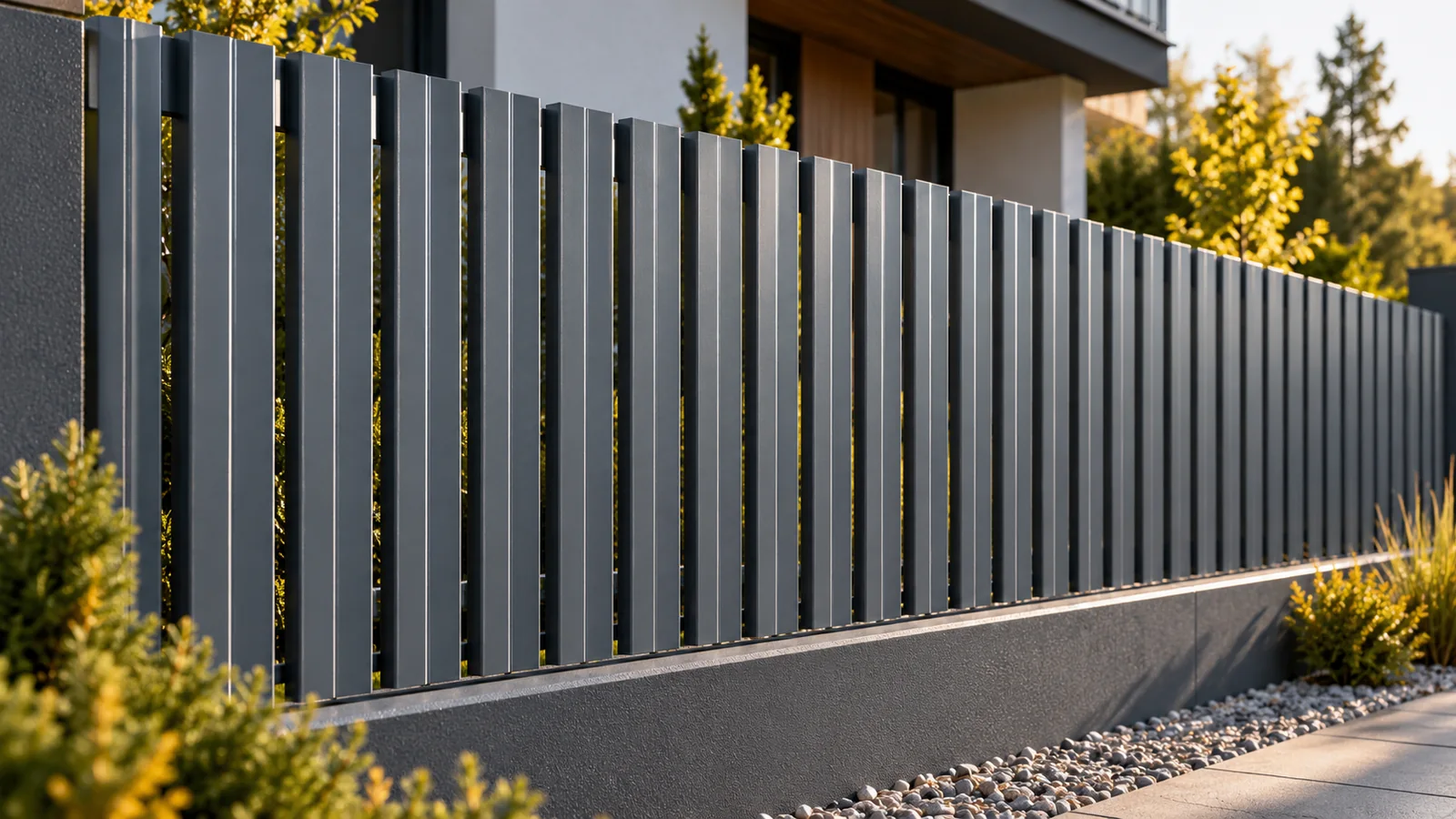
Begin by deciding which parts of the boundary genuinely need screening and where good visibility matters. A larger screen usually works well by the terrace, while the driveway area needs a clear field of view. Metal pickets let you adjust the gaps and the rhythm of the bays, but their durability depends on the coating, construction and installation, not on colour alone. Check the width, cross-section and finish of the elements, as well as how both sides of the fence look. Remember that posts and foundations carry the loads, so component selection should suit the site conditions.
2026-11-14T22:55:03+01:00

How to choose metal fence pickets? Dimensions, gaps and installation

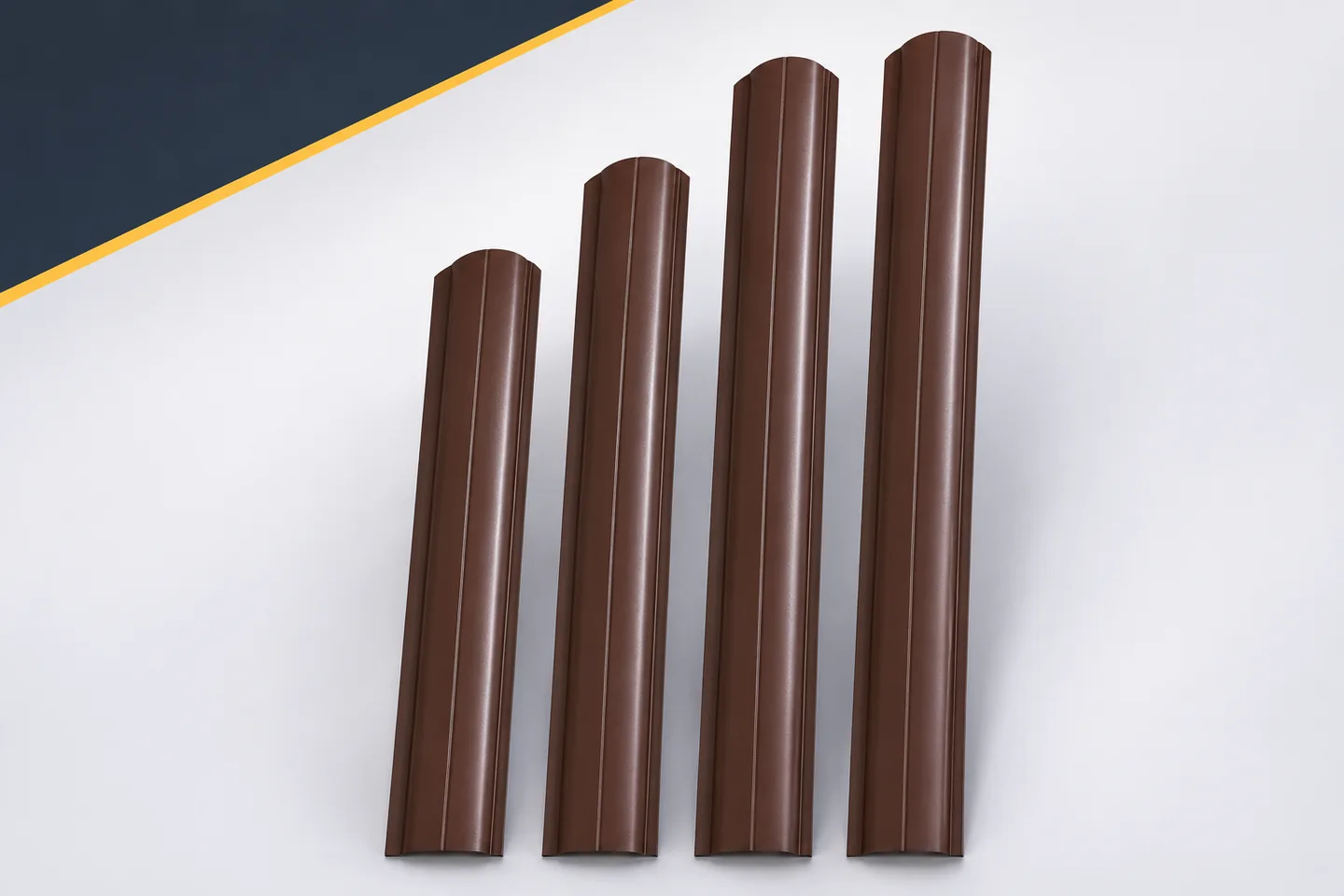
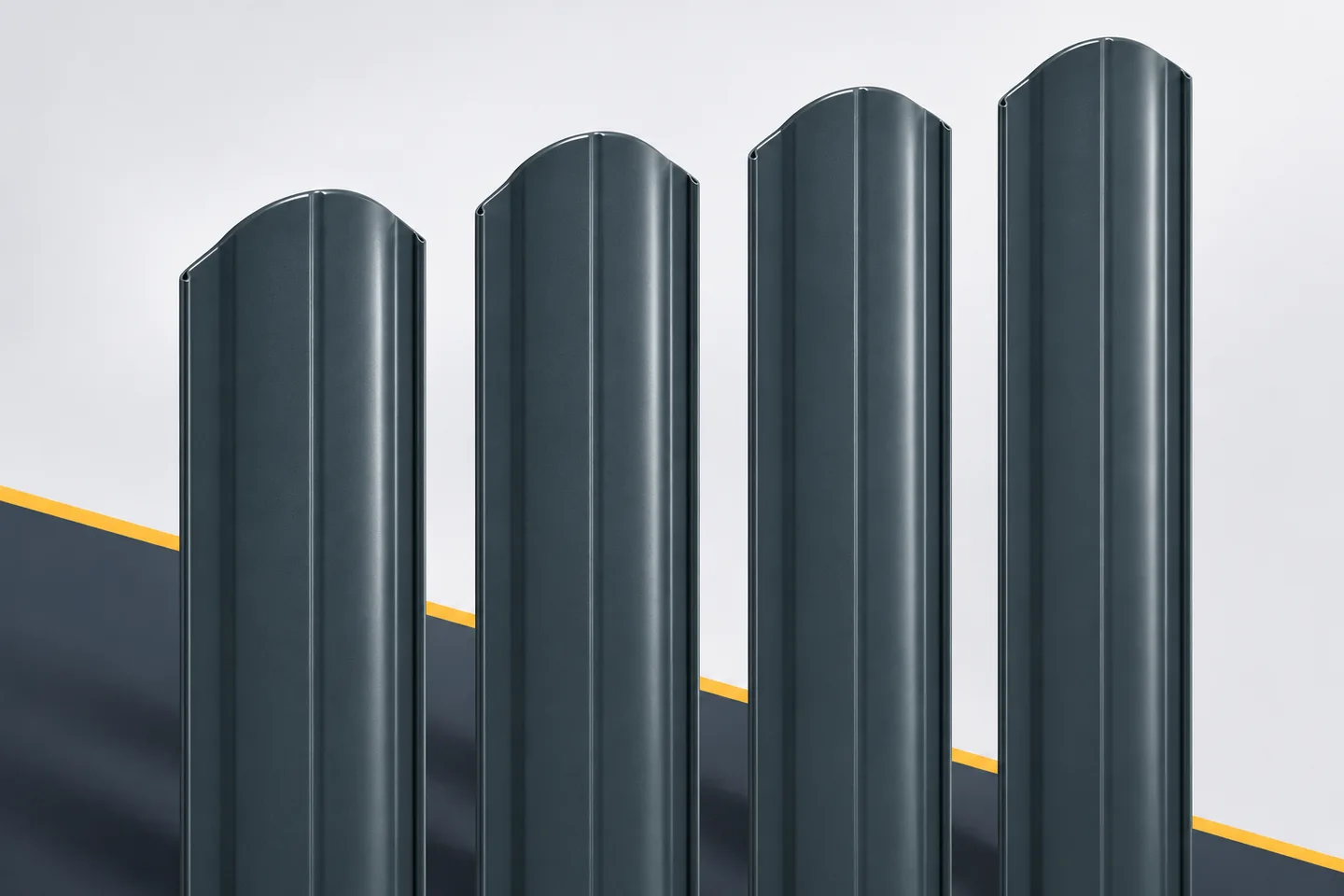
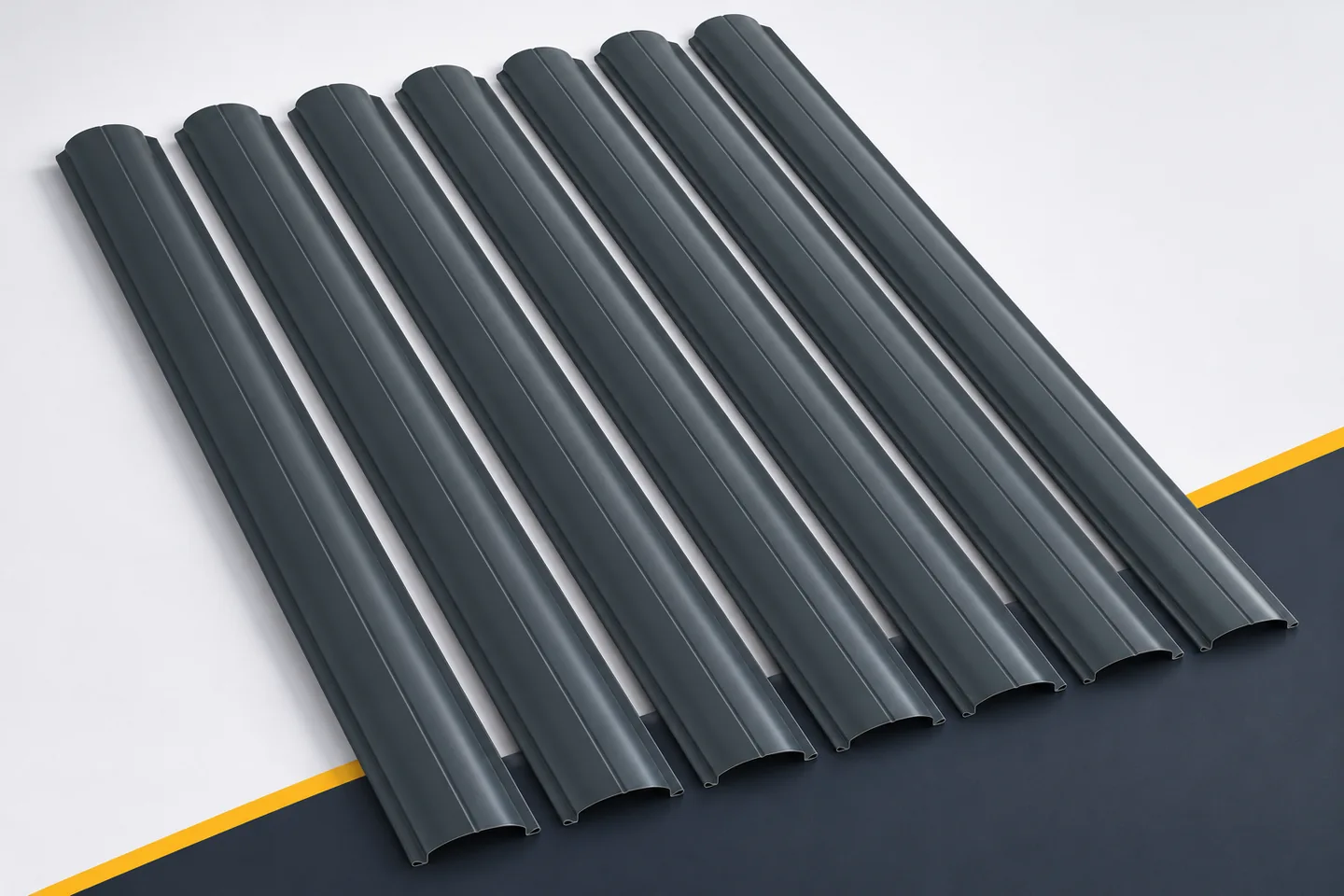
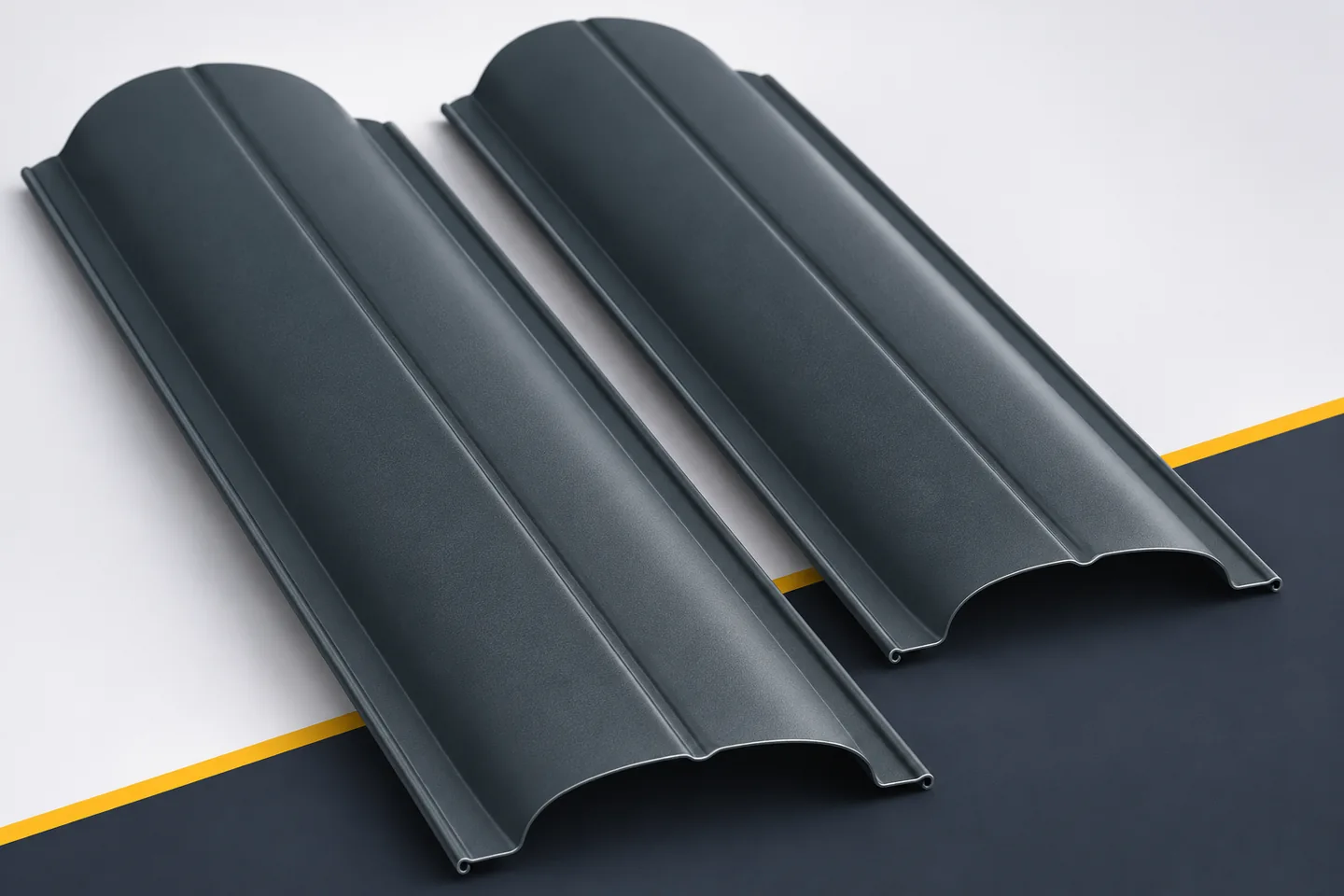
Metal pickets allow you to choose the height, gaps and rhythm of the fence without giving up lightweight, profiled elements. Before purchase, however, you need to calculate the clear width of the bays and plan the support. The number of metres of fence alone does not determine the number of pickets. What matters is the profile width, the spacing, the type of finish and whether the layout is single-sided or double-sided. Posts and foundations must correspond to the load of the entire fence. Width determines the rhythm of the bay, and height determines the course of its top line. Profile depth describes the pressing that increases the rigidity of thin sheet metal. This is a different dimension from material thickness. A picket a dozen or so millimetres deep is not a solid steel element of that thickness.

2026-11-14T09:54:08+01:00

Metal fence pickets for a traditional home: preserving a harmonious appearance

A traditional house does not need a wooden fence to keep a coherent appearance. Metal fence pickets with the right profile, colour and top detail can work well with brick, render and timber features. It is worth avoiding a random mix of many ornaments, however. The calm character is decided by the proportions and rhythm of the whole frontage. Coated steel sheet gives a ready-made finish, but it remains a different material from timber. It is better to make use of its own qualities than to hide them behind an excess of decoration. The rhythm of the windows, the roof colour or a simple entrance detail can serve as a reference point. Not all of these elements need to be repeated in the fence. Choose one relationship that will read clearly from the street. With a façade that has many textures, a calm infill often helps to bring order to the view. With a simpler house, a slightly more pronounced picket top can act as an accent.

2026-11-15T17:54:51+01:00

Coordinating metal fence pickets with the lines of the house façade

The fence and the façade are usually seen together. Their divisions can either give each other order or compete unnecessarily. Metal fence pickets create a regular, fine rhythm that is worth setting against the larger elements of the house. There is no need to align every picket with the window axis. What matters more is a clear relationship between the entrance, the posts and the infill. A well-composed front looks coherent even though it consists of elements of different scales and purposes. On the façade, we first notice the volume, the roof and the larger openings. The fence has its own large divisions: the gate, the pedestrian gate and the bays. Only within these does the rhythm of individual pickets appear. It is worth keeping this order when planning. Trying to match the width of every profile to the window detail can complicate the composition without any visible benefit.

2026-11-15T17:54:16+01:00

Designing a coordinated metal picket fence: from concept to specification

A fence project can easily fragment into separate decisions. First the colour is chosen, then the gate, and only at the end does one try to match the missing bays. Metal pickets offer many possibilities, but they are best used within an orderly plan. It is worth moving from the function of the property to the geometry, and only then to the finish. This order helps create a coherent appearance and an unambiguous order. It does not require complicated drawings at every stage, but it does need a few specific determinations. Start by dividing up the property. Mark the entrance, the driveway, the rest area and the quiet rear. For each section, note whether openness, screening or easy access for maintenance is more important. This allows photos to be assessed according to your own needs. Not every attractive fence will suit the actual layout of the plot.

2026-11-15T17:55:07+01:00

Two colours in a metal picket fence: when to keep the palette simple

Two colours can organise the zones of a property or introduce unnecessary chaos. In a fence made of pickets the effect is particularly clear, because each shade is repeated on many elements. Metal fence pickets offer various combination options, but the availability of specific coatings must be confirmed. It is worth starting with the question of what role the second colour is to play. If the answer comes down only to adding variety, it is also worth comparing a calmer variant with a single colour of infill. A fence can be two-colour without alternating different pickets. The second colour can appear on the posts, the frame or the plinth. Such a division corresponds to the construction of the fence and is often easy to read. It is worth considering it first. It allows a repeatable rhythm of the infill to be maintained while clearly showing the larger fields of the structure.

2026-11-15T17:54:52+01:00

Fence picket spacing: balancing an open appearance and privacy

The gaps between pickets are just as important as the profiles themselves. They reveal glimpses of the garden, change how the colour is perceived and affect how well the property is screened. Metal fence pickets set closely together can look like a solid surface. The same elements spaced more openly create a more open rhythm. However, there is no single gap that suits every house. The choice should follow from where the fence will be viewed, the need for privacy and the actual layout of the structure. It is worth checking several variants before ordering material. Ask what should be visible through the fence. At the entrance, contact with a visitor may matter. By the terrace, limiting visibility may be more important. Along a side boundary, a calm view of greenery is sometimes needed. These needs do not always lead to identical spacing across the whole property. Sections can be varied while keeping a common profile and colour.

2026-11-15T17:54:32+01:00

A double row of metal fence pickets: planning depth and views through the fence

Two rows of pickets create a spatial arrangement that cannot be assessed from a flat front view alone. Offsetting the elements affects what can be seen through the gaps. A second layer of shadows and a more pronounced depth of the bay are also added. Metal fence pickets can thus screen a selected part of the property more effectively. However, this is not automatically a full wall. The design should cover the geometry of both rows, the structure and the view from several directions. Before choosing the spacing, mark the observation points. This may be the pavement by the street, the neighbouring garden or the entrance area. Also check the position of people sitting on the terrace. A two-row arrangement is worth designing for specific viewing directions. Simply adding another layer of material does not guarantee the same effect from every side.

2026-11-15T17:54:34+01:00

Vertical metal fence pickets: using slim lines in the garden design

A vertical arrangement is the natural way to use individual fence pickets. It creates a regular rhythm and makes each element clearly legible. This does not mean there is only one possible appearance, however. Narrow pickets with a large gap produce a different effect from wide profiles set close together. Height and the shape of the top ends also matter. Metal fence pickets are therefore best assessed as a series of repetitions within a specific bay. Verticality alone guarantees neither lightness nor privacy. Two pickets of the same length can appear more slender or more massive. The width of the face and the depth of the section influence this. By way of illustration, an element 1500 mm long and 100 mm wide has a ratio of 15 to 1. At a width of 115 mm the ratio is approximately 13 to 1. This describes geometry, not a judgement of product quality.

2026-11-15T17:54:20+01:00

Fence picket height and proportions: assessing the design before installation

Fence height strongly influences how the house is perceived, but it cannot be reduced to the length of a picket. The overall appearance also includes the plinth, the gap and the fence posts. The ground level on both sides matters. Metal fence pickets must therefore be matched to the full cross-section of the property. An overly general sketch can hide a massive base or an excessive gap at the ground. It is worth checking the proportions from several places before the dimensions go into the order. Show the surroundings in one view as well: the door, the garage and the adjacent section of the façade. Without these reference points, a tall fence can look the same in a sketch as a low one. The real scale helps make an informed choice.

2026-11-15T17:54:37+01:00
Back to top