Fence picket height and proportions: assessing the design before installation
Pickets and metal fences
Fence height strongly influences how the house is perceived, but it cannot be reduced to the length of a picket. The overall appearance also includes the plinth, the gap and the fence posts. The ground level on both sides matters. Metal fence pickets must therefore be matched to the full cross-section of the property. An overly general sketch can hide a massive base or an excessive gap at the ground. It is worth checking the proportions from several places before the dimensions go into the order. Show the surroundings in one view as well: the door, the garage and the adjacent section of the façade. Without these reference points, a tall fence can look the same in a sketch as a low one. The real scale helps make an informed choice.
In this article
Separate the overall height from the length of the element
If the pickets stand above a plinth, their length is only part of the overall dimension. The plinth height and the gap between materials are added. These values should appear on a single drawing. This allows the actual top line to be assessed, not just the element itself. A high plinth can change the character of the fence even with a moderate picket length.
It is also worth marking the height of the posts. They may be level with the infill or clearly exceed it, if this suits the design. This difference should not be treated as an incidental detail. The posts create a strong rhythm across the whole front. The sheet-metal pickets fill the fields between them and should keep the right scale relative to the structure.
Check the view from the street and from the house
From the outside, the fence is viewed together with the building volume. From the inside, it may obscure a significant part of the immediate surroundings. The same dimension does not give an identical effect from both sides. It is well worth assessing the view while standing, sitting on the terrace and looking through a window. Especially on a small plot, the distance from the fence matters a great deal.
If the aim is to screen a specific place, height alone is not enough. The gaps still show the background, and looking at an angle changes visibility. Metal fence pickets do not become a full barrier by adding a few centimetres. It is better to check a trial section and the direction of observation. This will allow the proportions to be chosen without unnecessarily raising the entire property boundary.
Combine the length with the slenderness of the profile
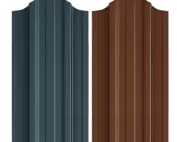
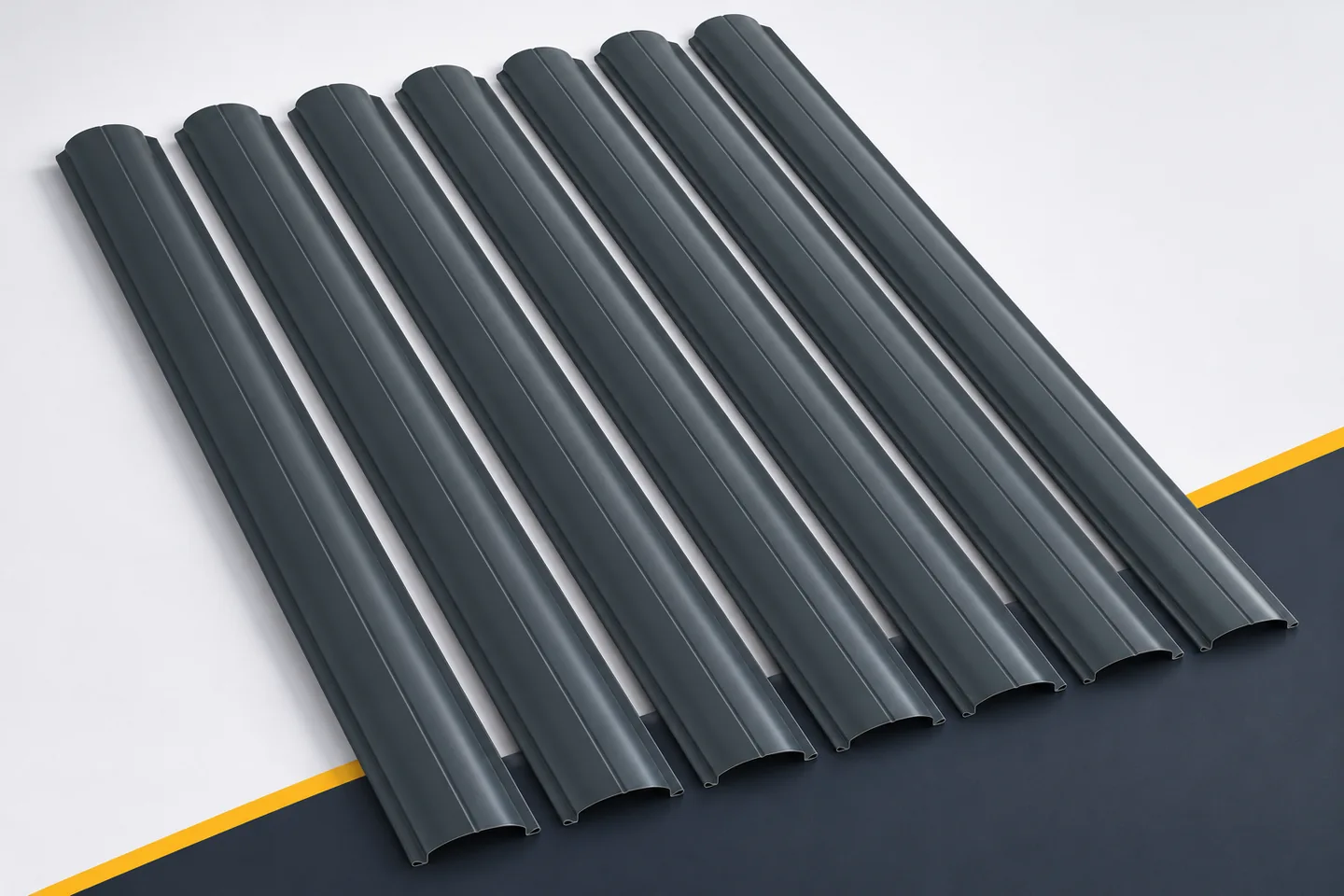
A tall, narrow element gives a different rhythm than a wide profile of the same length. The perception also depends on the embossings and the colour. Therefore the height should not be chosen before the cross-section is determined. It is worth comparing two or three arrangements at the same scale. A drawing of the whole bay will show the proportions better than separate photos of the pickets.
When increasing the length, the required supports must be checked. A visually slender picket still requires correct fixing. The instructions may specify an additional rail for a given dimension. It should not be removed to achieve a lighter look. Sheet-metal pickets must retain both the intended appearance and the conditions of use specified for the product.

Allow for slope and different ground levels
The plot may be higher than the pavement or slope down along the boundary. In that case, the stated fence height requires a clear reference point. The target levels should be measured, not just the condition before the surfacing is installed. A change in the amount of soil or sub-base can affect the bottom clearance. The pickets should not later be buried.
On a slope, it is worth comparing how the top line and the base are run. Steps can create a clear order if they have been planned. Accidental differences in length usually do not help. On the sketch, show each bay and the points of change. This will make it easier to assess the view and to prepare an unambiguous order, without guessing the position of subsequent elements.
Don’t solve every need with greater height
Sometimes the problem is an unwanted view through a particular gap or a gate positioned incorrectly. Raising the entire fence may then change little. It is worth identifying the cause first. Perhaps a different spacing is needed on one section, or a change to the garden layout. The decision should follow from how the property is actually used.
Height also affects the structure and the installation conditions. It should not be increased arbitrarily without checking the design. This applies especially to existing posts and dense infill. Sheet-metal pickets are part of the whole system. Their light appearance does not mean that a change in dimensions will leave the supports and connections unaffected.
Make a mock-up at real scale
Before ordering, it is worth marking the planned fence line on site. Temporary reference points can be used without building the final structure. A few actual pickets help to assess the rhythm. Look at the trial from normal observation points. This way, a high plinth or an overly bulky outline will not only become apparent after construction is finished.
Good proportions come from the relationship between all parts of the fence. The picket lengths, plinth, posts and gaps should follow a coherent design. Well-chosen metal fence pickets can complement the character of the house and give the garden a more ordered appearance. Final dimensions must still suit the design and site conditions. A visual mock-up helps assess the choice but does not replace the structural design.
7 branches. Materials closer to your project.