

Building handbook
The Izoprofil.eu handbook covers roofing, wall cladding and insulation, from reading specifications to preparing an order. Find guidance on sandwich panels, PIR boards, trapezoidal sheets and metal roof tiles. Understand overall sheet width and effective cover width, compare insulation options and plan installation details. The articles also cover renovation, material storage and costs that are easy to overlook. Worked examples explain the calculation method. Check the design and product documentation before making the final selection. Once you have identified the material, prepare the dimensions, quantity and delivery location for a quote.
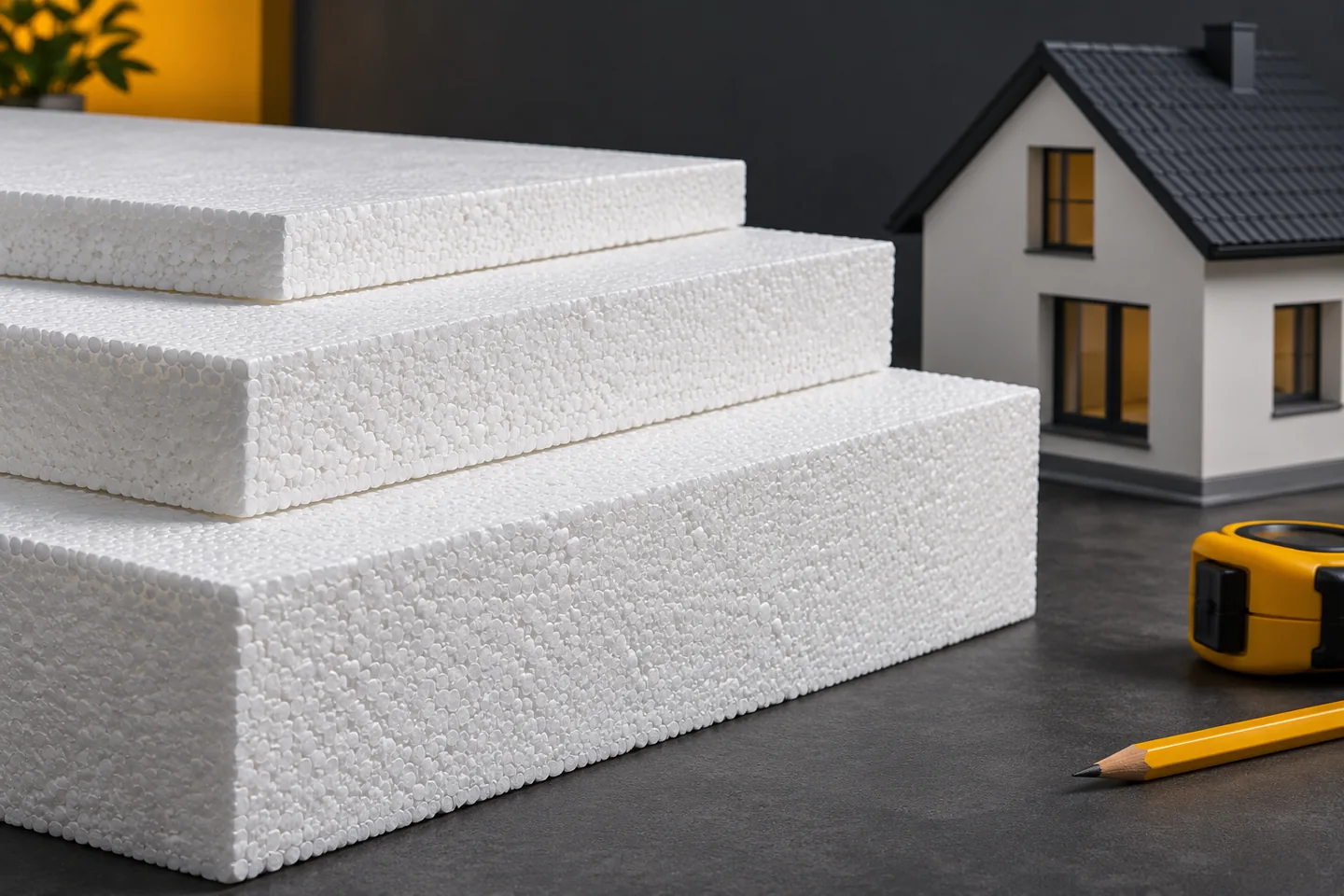
Why increasing EPS thickness from 10 to 20 cm does not halve heating bills
Doubling the thickness of EPS doubles the thermal resistance of the insulation itself, but does not automatically halve the heat losses of the whole wall or the heating bill. A wall also has other layers, and a building loses heat through the roof, windows and ventilation. It is worth separating the U-value calculation from the balance of the whole house. Only then can the real value of each additional centimetre be assessed. For the same lambda, the thermal resistance of a layer is R = d/λ. If the thickness increases from 10 to 20 cm, the thermal resistance of the EPS doubles. This is a simple relationship concerning the material. However, the U-value of a wall is the reciprocal of the sum of the thermal resistances. It covers the masonry, the finish and the relevant surface resistances, and in a full assessment also the appropriate corrections.
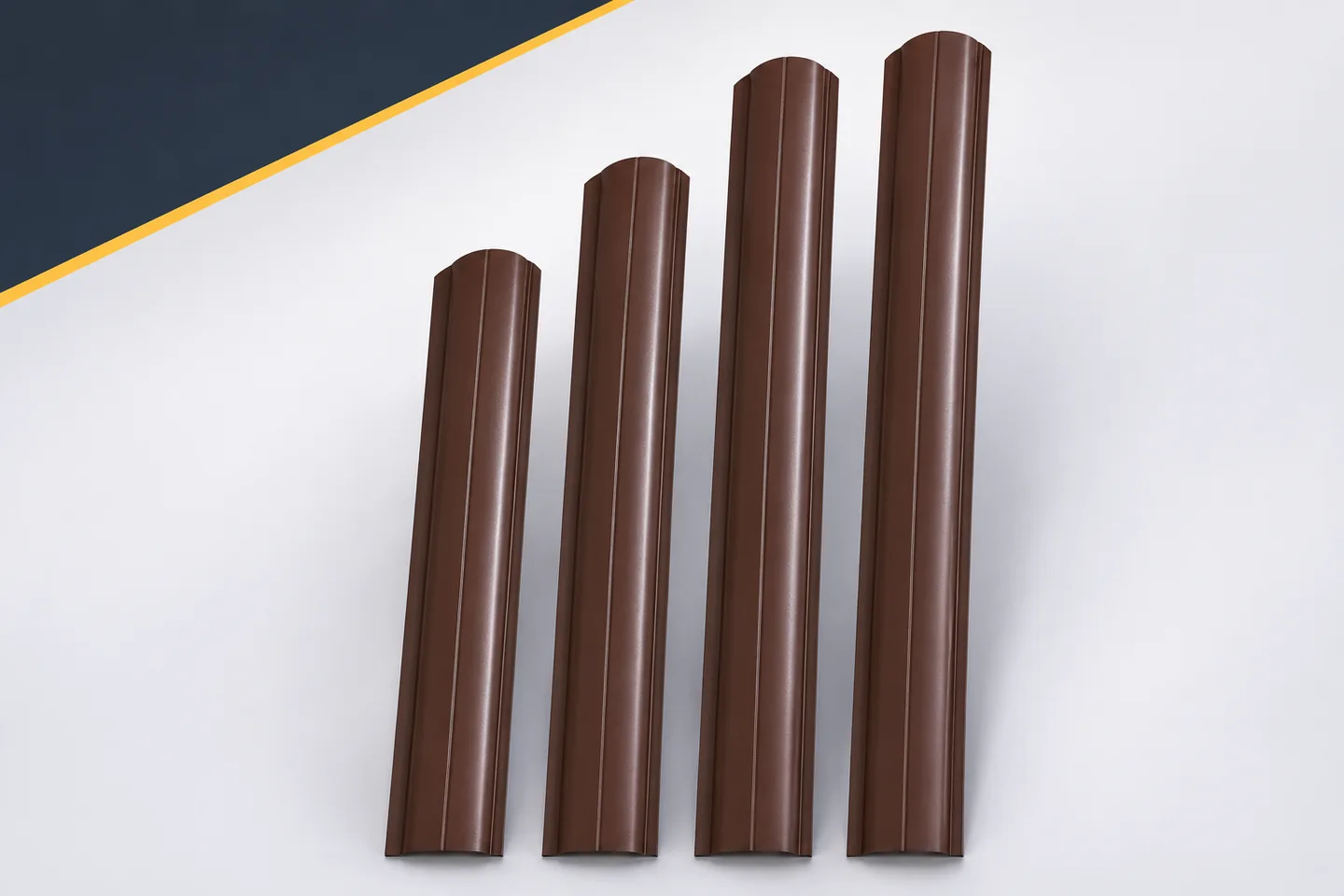
A double row of metal fence pickets: planning depth and views through the fence
Two rows of pickets create a spatial arrangement that cannot be assessed from a flat front view alone. Offsetting the elements affects what can be seen through the gaps. A second layer of shadows and a more pronounced depth of the bay are also added. Metal fence pickets can thus screen a selected part of the property more effectively. However, this is not automatically a full wall. The design should cover the geometry of both rows, the structure and the view from several directions. Before choosing the spacing, mark the observation points. This may be the pavement by the street, the neighbouring garden or the entrance area. Also check the position of people sitting on the terrace. A two-row arrangement is worth designing for specific viewing directions. Simply adding another layer of material does not guarantee the same effect from every side.
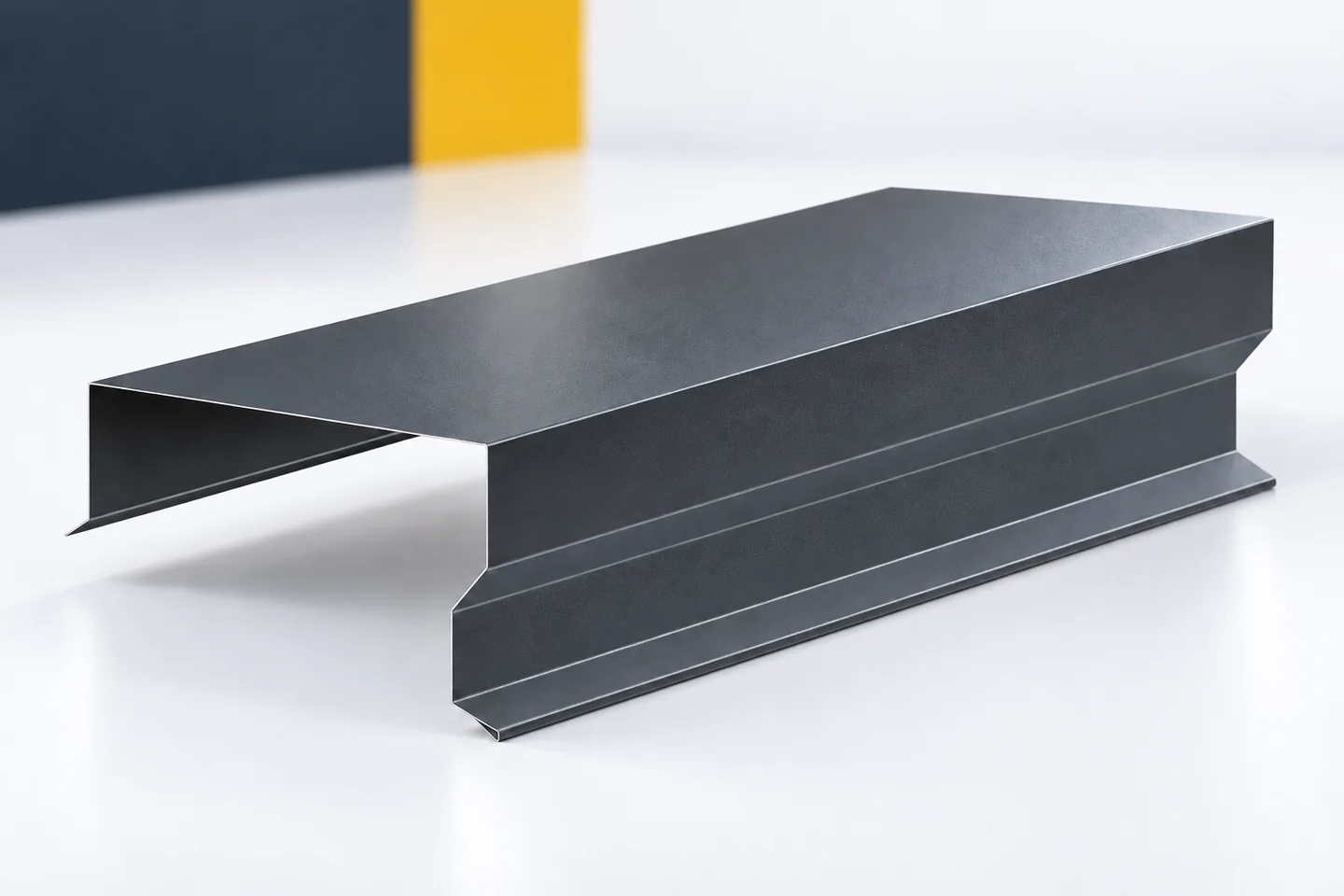
Thermal movement and joints in long parapet copings
A long parapet cover changes dimensions with temperature. As it heats up, the steel expands; as it cools, it contracts. The detail should account for this process in how sections are divided and fixed. Choosing an attractive coating is not enough. The substrate, shape and connections must also be addressed. The flashing can then perform its function without unintentionally stressing the entire strip. Thermal expansion is a property of the material. With a small element the change may be slight, but over a long run it becomes more noticeable. As a guide, a steel element three metres long can change length by about 1.8 millimetres with a temperature change of fifty degrees.
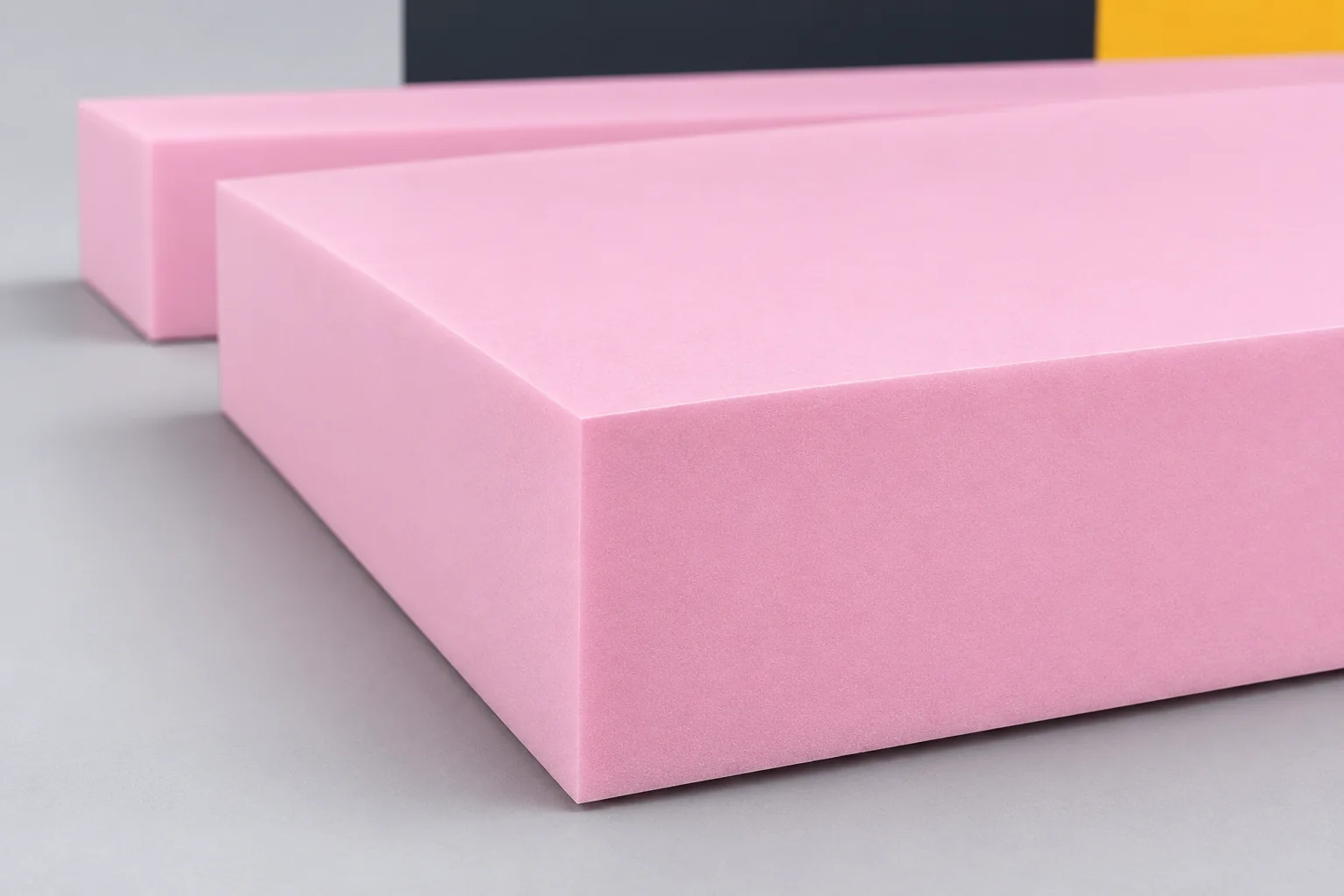
XPS vapour diffusion resistance: what does the μ factor mean?
In XPS documentation, alongside the lambda value and strength, you can find the diffusion resistance coefficient μ. It describes how the material behaves with regard to water vapour penetration by diffusion. This is a different property from water absorption by immersion. Extruded polystyrene has a specific diffusion resistance, and in the finished building element the thickness of the layer also matters. Understanding these data helps to assess the thermal and moisture behaviour of the system without oversimplifications about "breathing" or completely sealed walls. The μ value shows how great a diffusion resistance the material has compared with a stationary layer of air of the same thickness. It is a dimensionless quantity. A higher value means greater resistance to vapour diffusion.
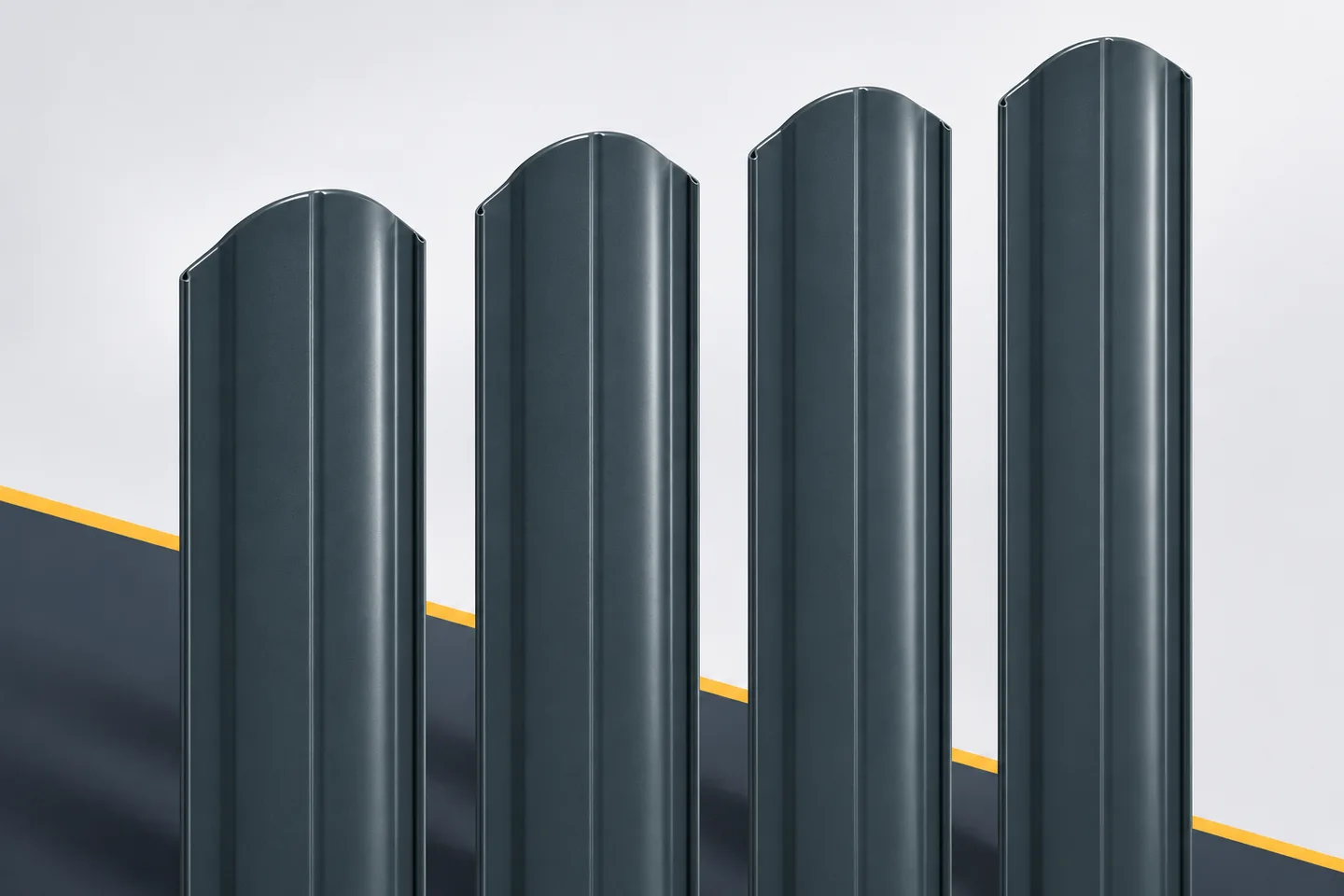
Vertical metal fence pickets: using slim lines in the garden design
A vertical arrangement is the natural way to use individual fence pickets. It creates a regular rhythm and makes each element clearly legible. This does not mean there is only one possible appearance, however. Narrow pickets with a large gap produce a different effect from wide profiles set close together. Height and the shape of the top ends also matter. Metal fence pickets are therefore best assessed as a series of repetitions within a specific bay. Verticality alone guarantees neither lightness nor privacy. Two pickets of the same length can appear more slender or more massive. The width of the face and the depth of the section influence this. By way of illustration, an element 1500 mm long and 100 mm wide has a ratio of 15 to 1. At a width of 115 mm the ratio is approximately 13 to 1. This describes geometry, not a judgement of product quality.
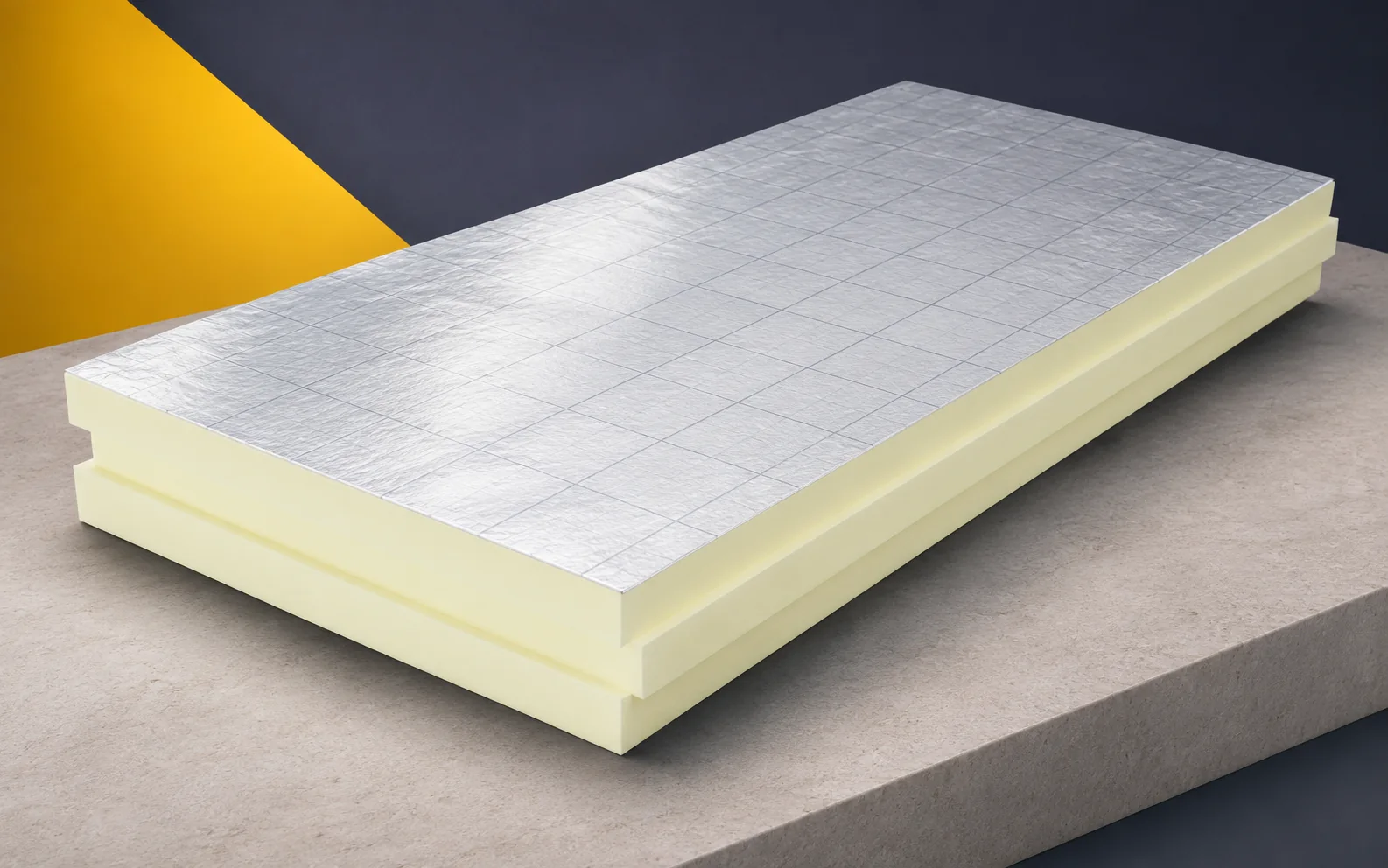
Comparing PIR and XPS in a technical specification
In the specification of a PIR-for-XPS substitute, it is not enough to compare lambda and thickness. A common set of requirements for the given location is needed. PIR boards can provide a favourable thermal resistance, but equivalence also covers moisture, mechanical and installation conditions. Polyurethane foam and extruded polystyrene are different plastics. Comparing their lambda does not exhaust the description of the materials. Lower conductivity does not automatically mean better water resistance, greater load-bearing capacity or a more favourable reaction to fire. Each of these properties is assessed separately. For a thermal objective, specify the required property of the layer or of the entire building element.