How sun and rain affect the finish on metal ridge caps

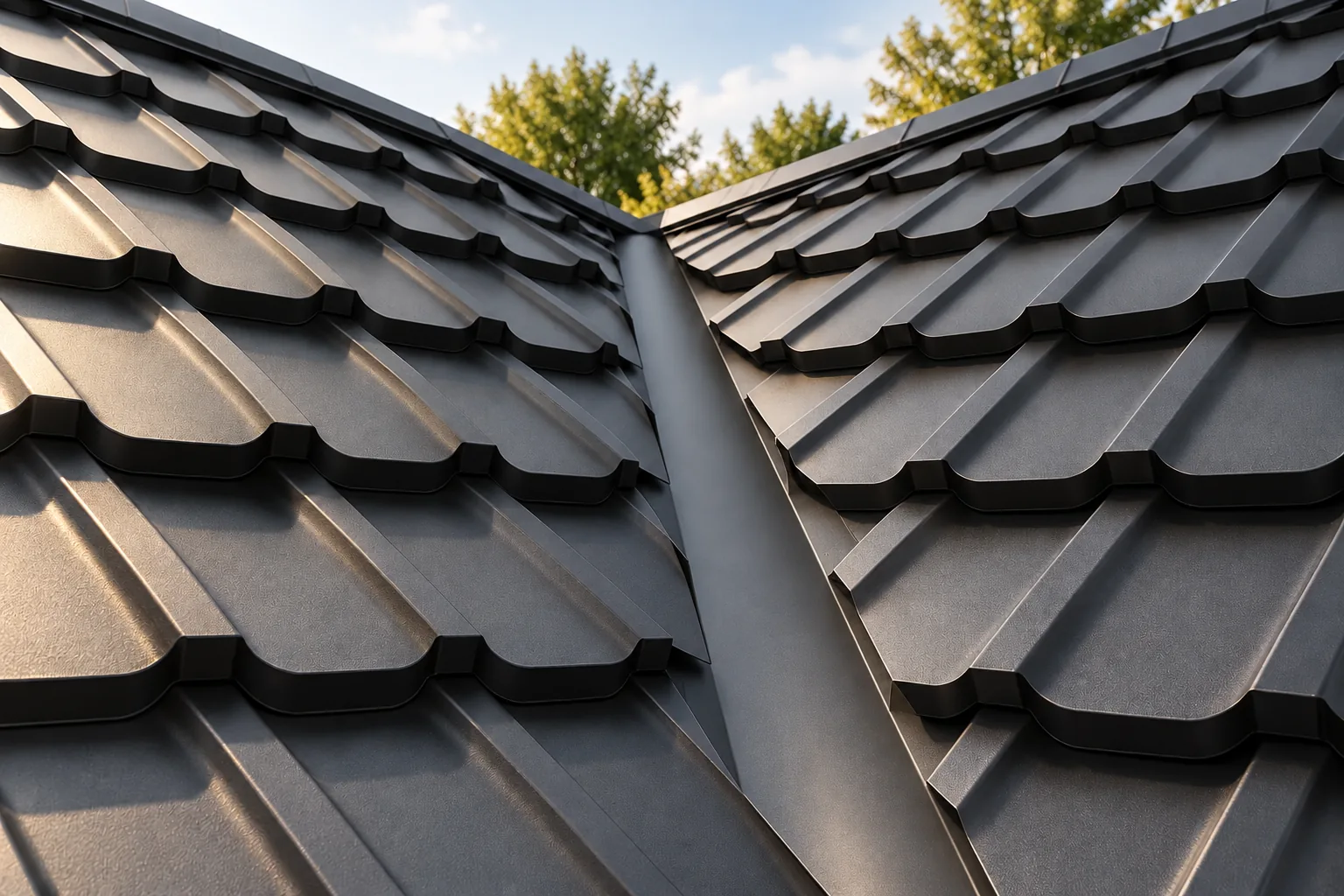
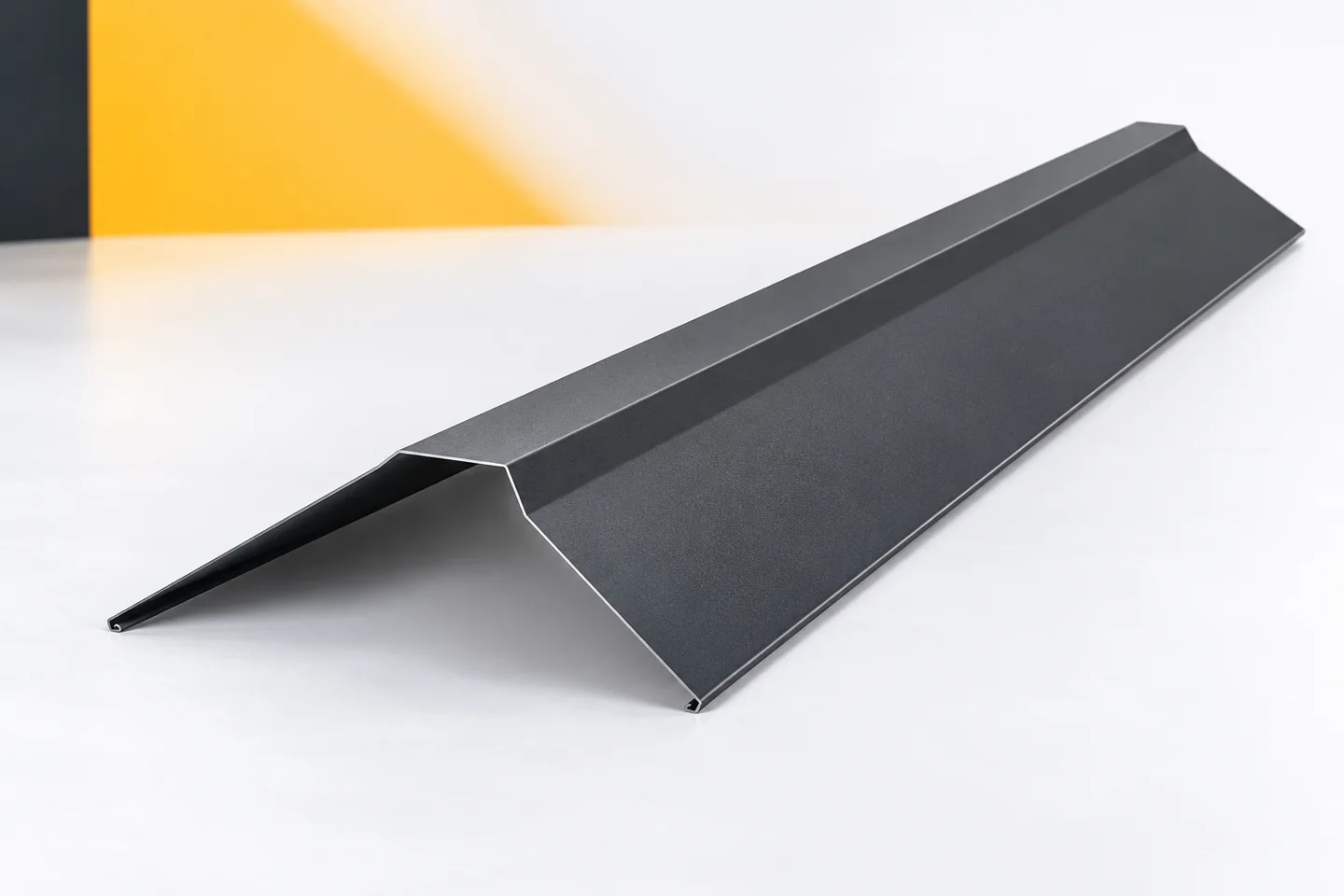
Ridge tiles are located in the most exposed part of the roof. Their surface is subjected to sun, precipitation and temperature changes. The choice of material therefore matters, but it does not explain everything. The durability of the ridge is also determined by the shape of the flashing, the condition of the edges and correct connections. It is worth assessing the whole detail before assuming that the colour alone or the name of the coating will deliver the expected result. Surface heating depends on its colour, finish and exposure conditions. A dark flashing may perform under different conditions than a light one on a shaded roof slope. This does not mean dark colours are prohibited. It means the coating and detail need to be matched to the actual application.
By |2026-11-15T03:03:17+01:002025-01-01|Building guide|Comments Off on How sun and rain affect the finish on metal ridge caps

Is a metal fence suitable for your property?

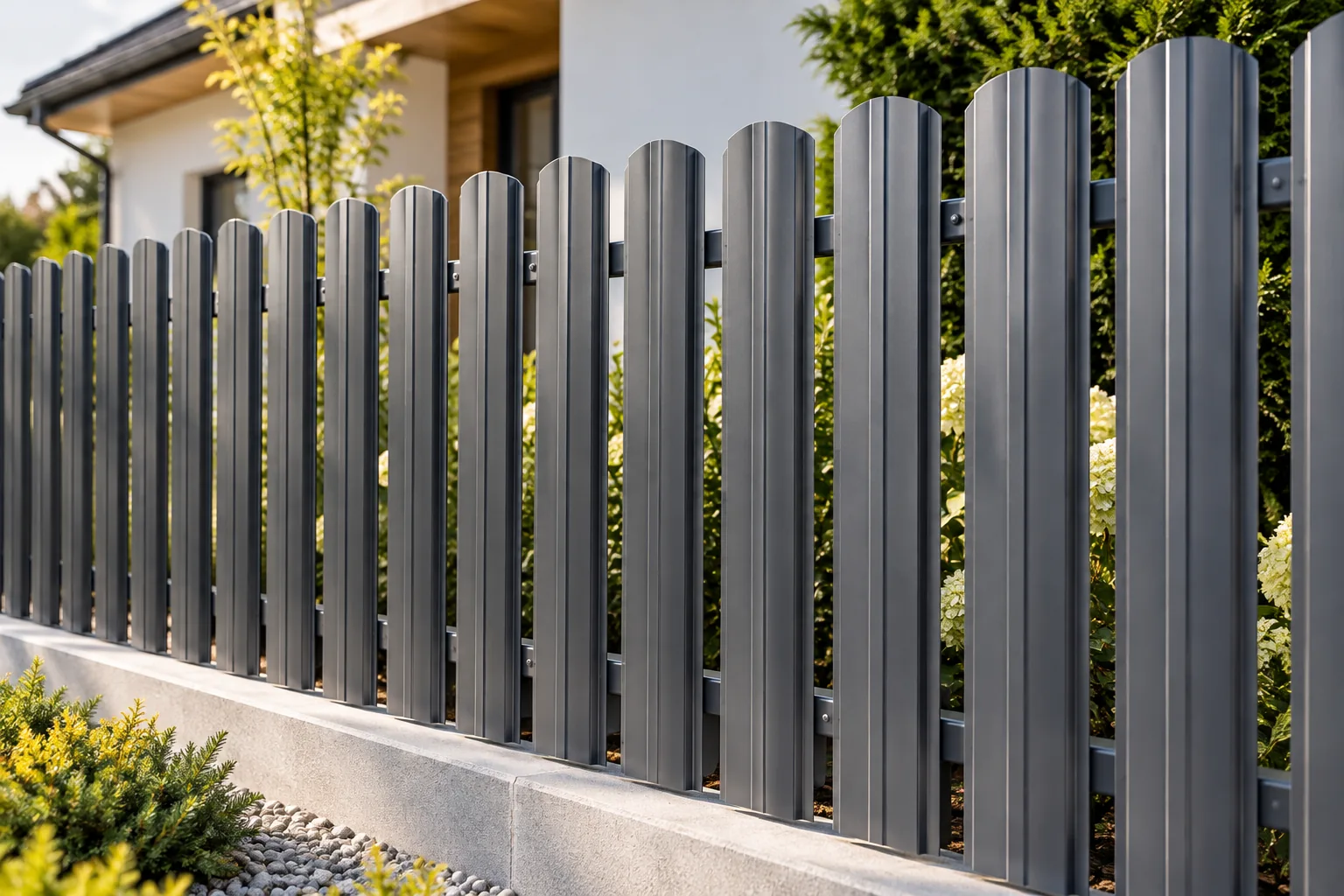
The spacing between metal pickets determines how much of the garden can be seen from the street. Start by deciding which parts of the property need screening and where an open view is welcome. This article sets out the trade-offs between infill density and screening, how wind affects the structure, and why coating and installation matter. It also covers matching the look to the façade and roof, what to consider for the gate and a sloping plot, and how to cost the whole fence fairly so that you compare options with the same degree of screening.

By |2026-11-14T19:22:25+01:002024-12-26|Building guide|Comments Off on Is a metal fence suitable for your property?

Metal fence pickets for a modern home: a simple, carefully detailed design

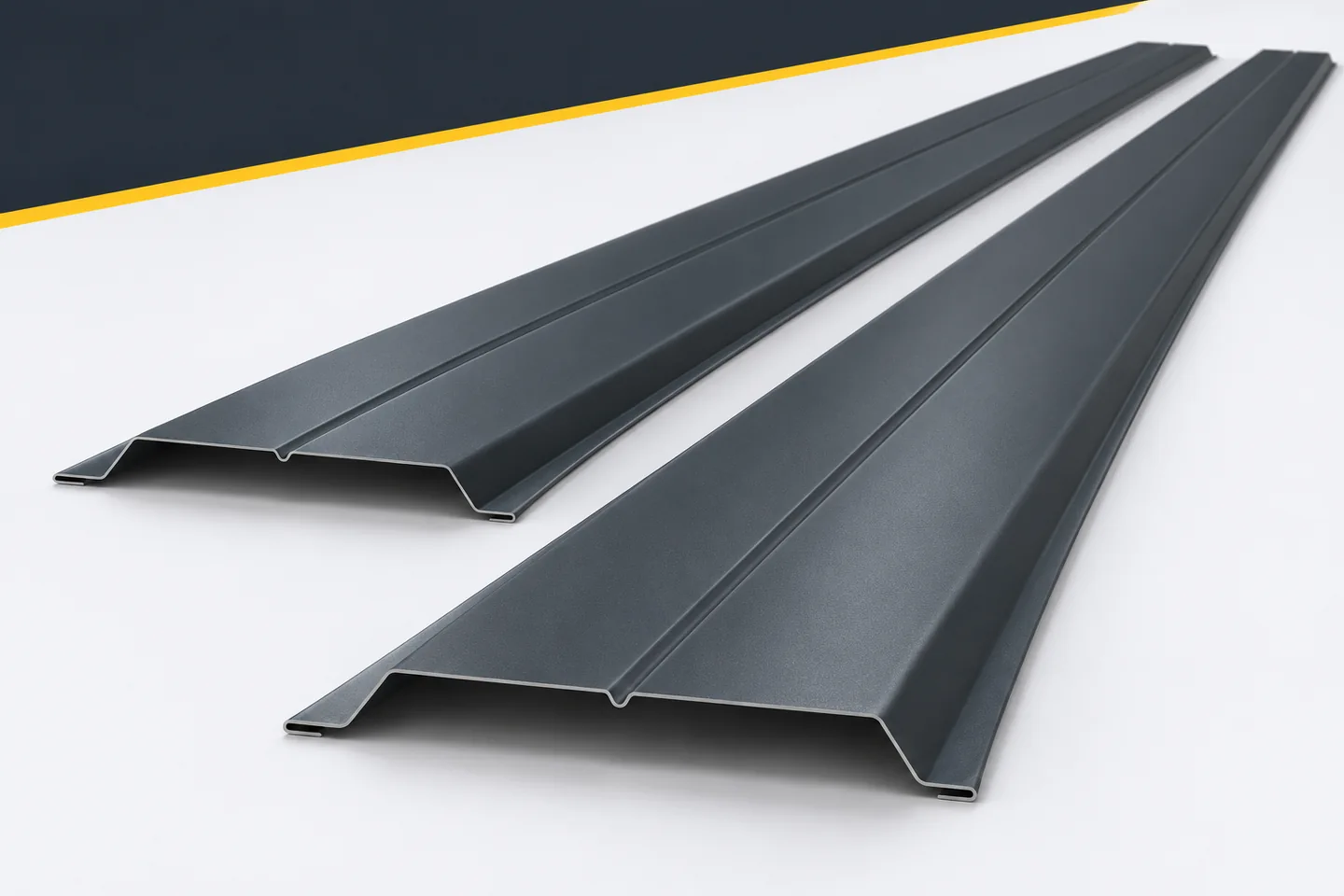
A simple house clearly reveals the quality of the details around it. Against a calm background, uneven gaps, a random colour of fasteners or a poorly finished bay are easy to spot. Metal fence pickets can form an orderly fence if their selection does not end with a dark coating. The proportions of the profile, the rhythm and a clear structure are what matter. A modern effect does not require many decorative solutions. Repetitive pickets allow the chosen motif to be carried over a longer section and adapted to fields of different widths. This flexibility is worth using to organise the front instead of adding yet another different material. More often it results from limiting random differences and carefully combining a few simple elements.

By |2026-11-15T17:54:49+01:002024-12-25|Building guide|Comments Off on Metal fence pickets for a modern home: a simple, carefully detailed design

Why a simple building shape makes solar roof design easier

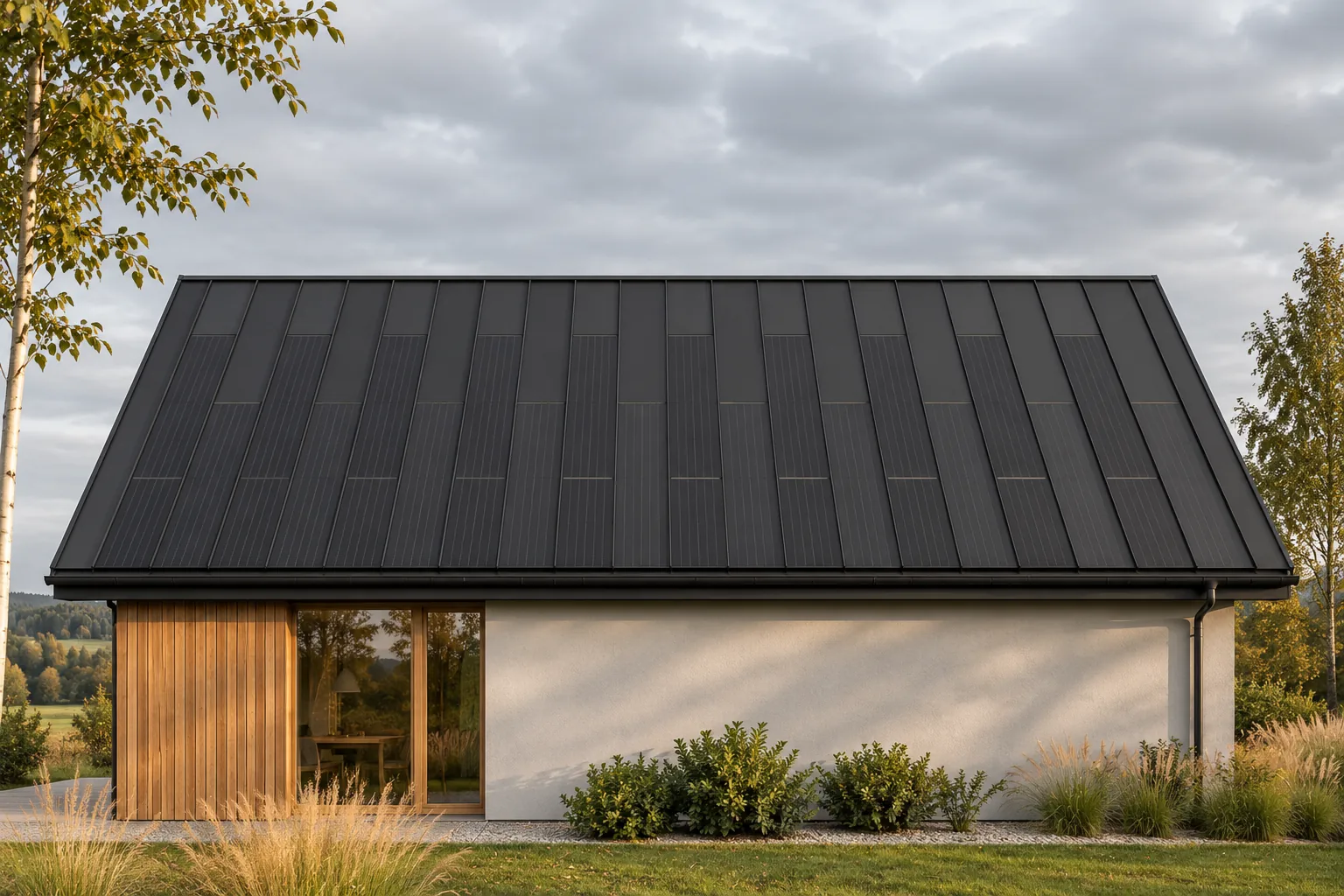
A simple building form gives the photovoltaic roof designer more freedom. Regular roof slopes are easier to divide into active and passive areas, and fewer breaks reduce the number of difficult details. This does not guarantee the lowest price or the highest output, but it creates a good starting point. An integrated steel roof covering can then fulfil its role in a clear way: protect the building, generate energy and keep the overall appearance calm. It is easier to arrange components of specific dimensions on it. Large rectangular areas do not require as many infills as short sections between dormers and roof valleys. This allows the active part to be clearly separated from the areas intended for passive covering.

By |2026-11-15T17:55:46+01:002024-12-15|Building guide|Comments Off on Why a simple building shape makes solar roof design easier

What determines the right insulation material for a roof?

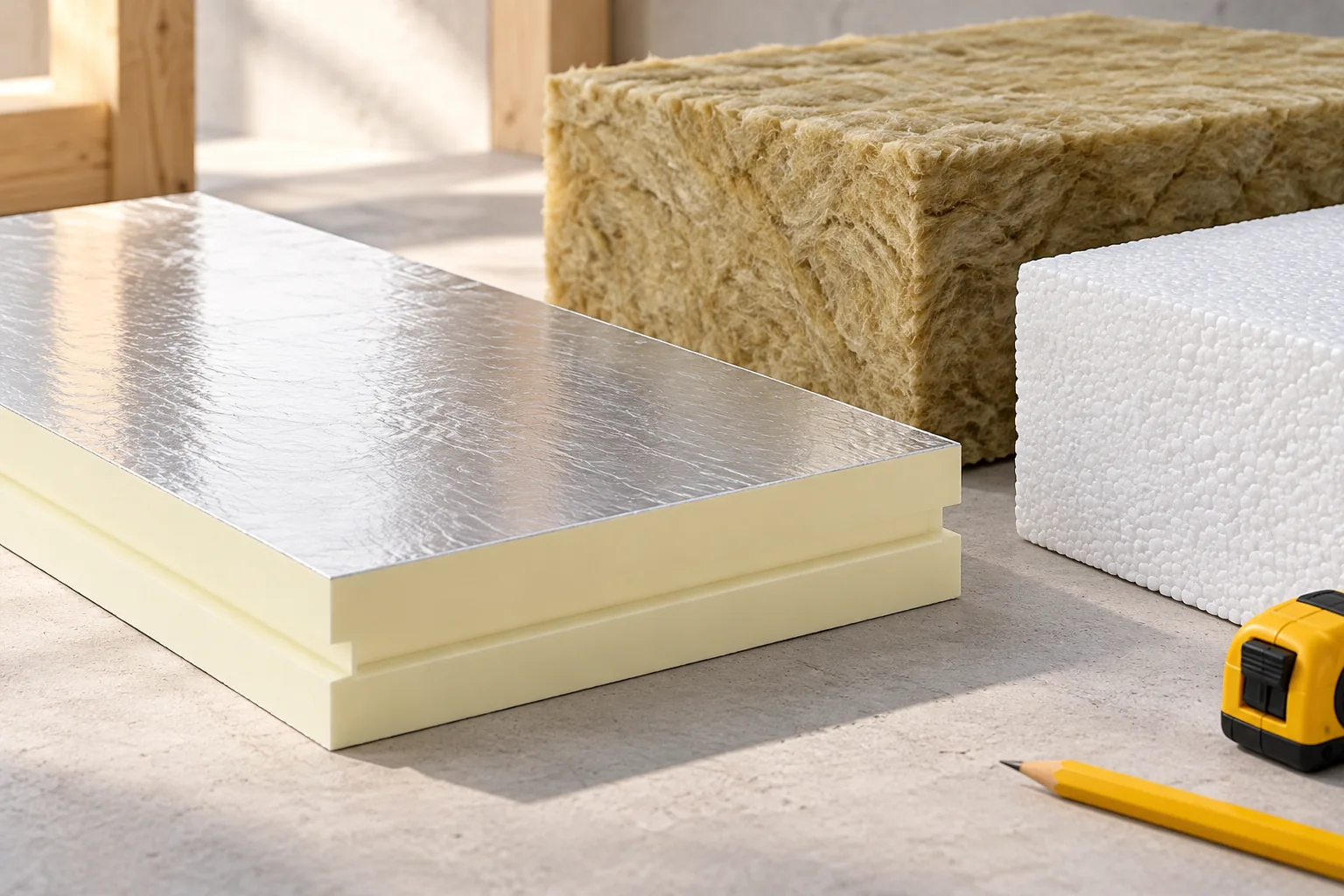
The choice of roof insulation material depends above all on where the heated boundary runs and on the ventilation plan, not on the product name alone. Check which building elements separate the interior from the outside, then compare lambda, thermal resistance and the U-value for the whole assembly. It is also worth establishing whether limited thickness, moisture protection or continuity of insulation is the key issue. Only on that basis should you consider PIR, mineral wool, EPS or XPS, bearing in mind that the overall effect depends on the complete layer build-up and careful joints.

By |2026-11-15T03:01:36+01:002024-12-05|Building guide|Comments Off on What determines the right insulation material for a roof?

How to coordinate the roof colour with the façade, windows and doors

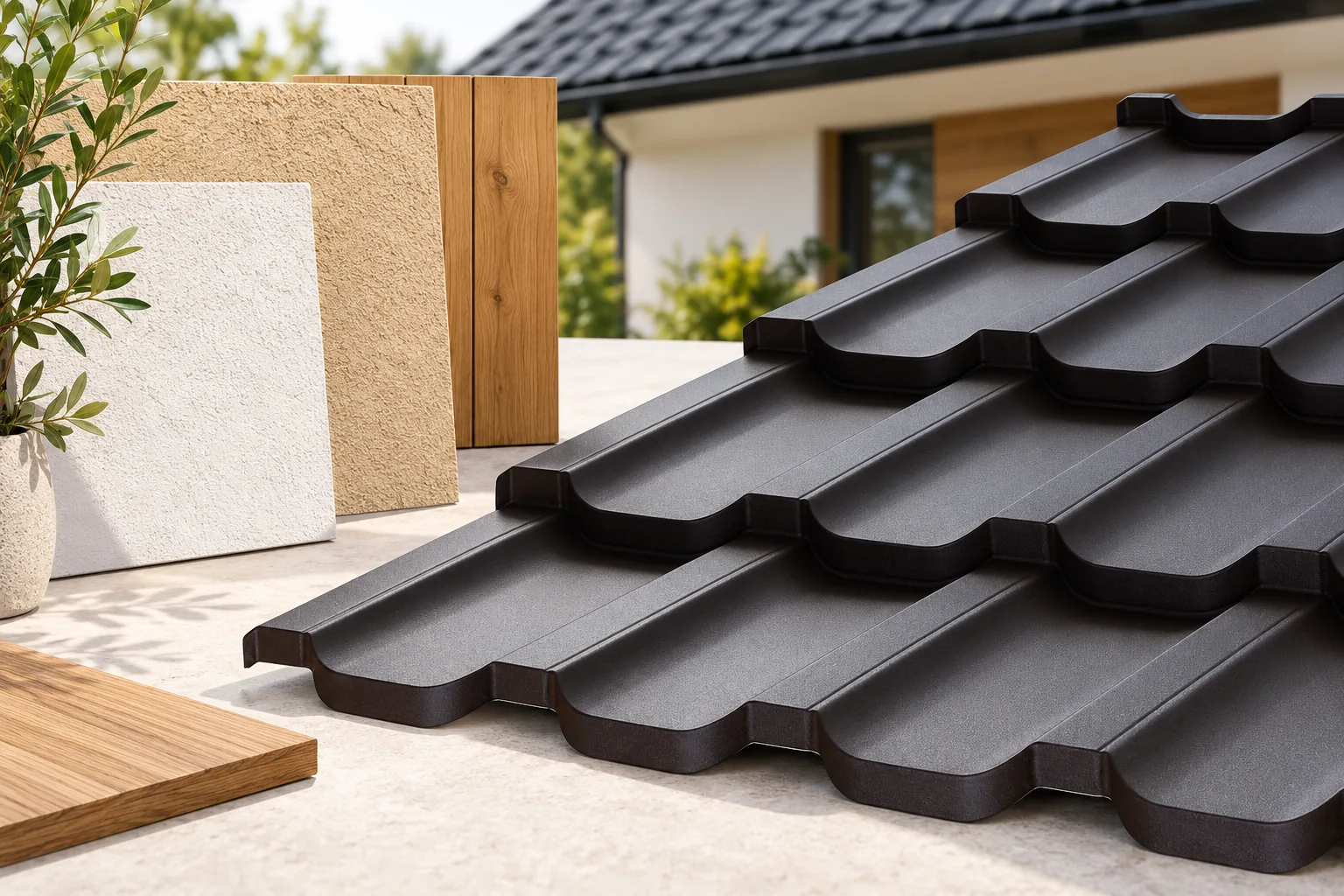
First establish which elements of the building will remain unchanged, and only then choose the colour scheme around them. This guide shows how to reconcile the roof colour with the façade, joinery and guttering without losing the coherence of the whole composition. Check whether the chosen palette is permitted for your plot, how different materials display the same shade, and why samples should be viewed outdoors. Also consider matt versus gloss, surface texture and the working conditions of dark sandwich panels. This information will help you narrow the choice deliberately and avoid an accidental mixture.

By |2026-11-14T22:55:55+01:002024-12-04|Building guide|Comments Off on How to coordinate the roof colour with the façade, windows and doors

Selecting rooflights for a hall, garage or other building

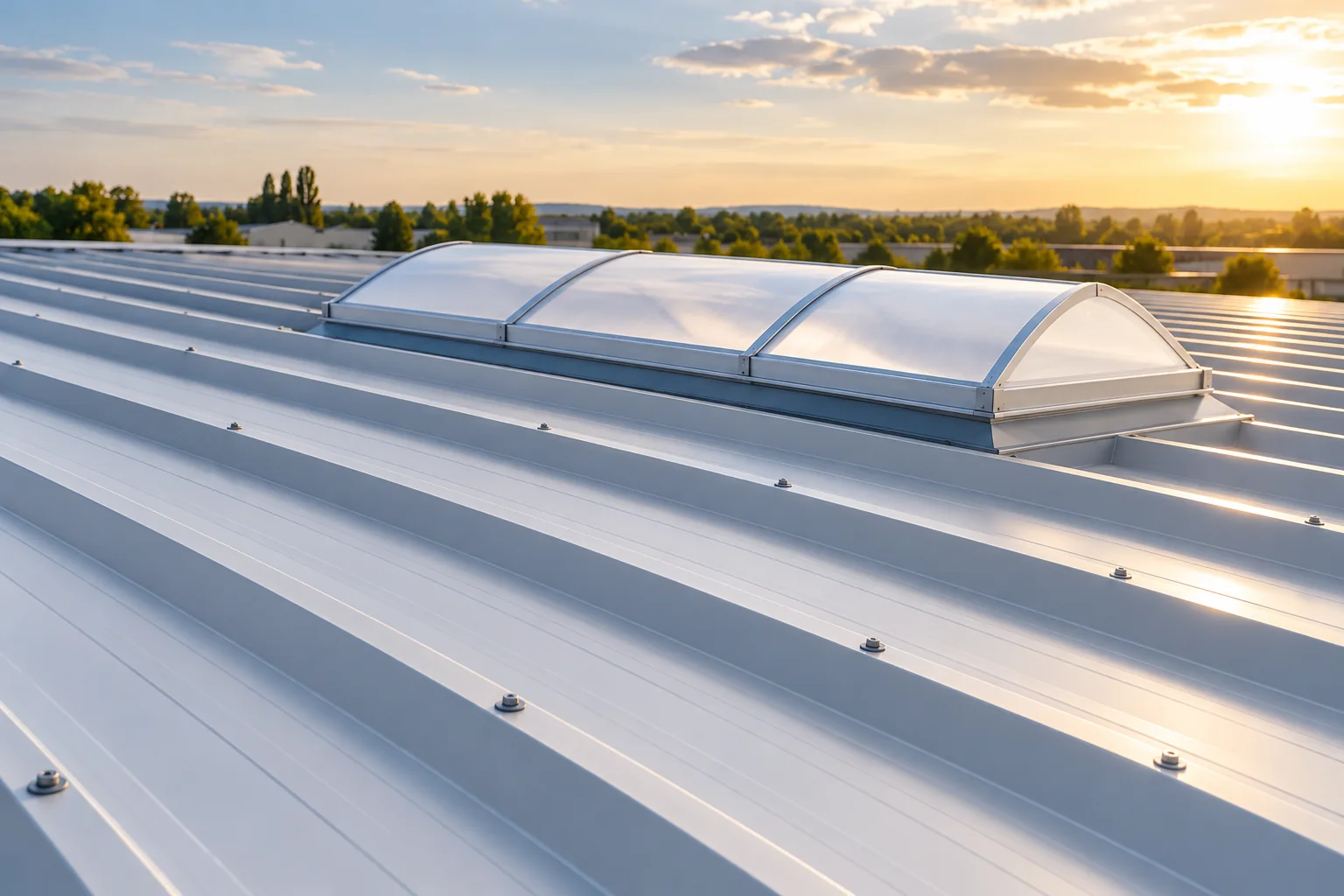
When choosing between a point rooflight and a continuous run, the deciding factors are chiefly the building's internal arrangement and how the roof is constructed. A point unit lights one defined portion of the slope and can be aimed at a particular spot, while a continuous run is longer and uses a different support layout, which may suit a hall with a large floor area. You should also confirm compatibility with the specific covering, how the base and insulation of the complete element are detailed, and whether ventilation or smoke extraction is required. Position rooflights in relation to room layout and structure, not merely total glazed area.

By |2026-11-14T22:55:33+01:002024-12-03|Building guide|Comments Off on Selecting rooflights for a hall, garage or other building

What is a roof valley and how do you keep it watertight?

Whether a roof valley stays watertight depends above all on a correctly shaped drainage path, not on the appearance of the visible strip alone. The building owner and the contractor should jointly check that the width and shape of the flashing match the catchment area, the roof pitch and the ease of clearing debris. Support, continuity of the underlay and the way sheets terminate at the valley are equally important. This article explains these relationships and the consequences of narrowing the detail too tightly for water flow.

By |2026-11-14T22:54:00+01:002024-11-30|Building guide|Comments Off on What is a roof valley and how do you keep it watertight?

What is tile-effect metal roofing made of and what determines its quality?

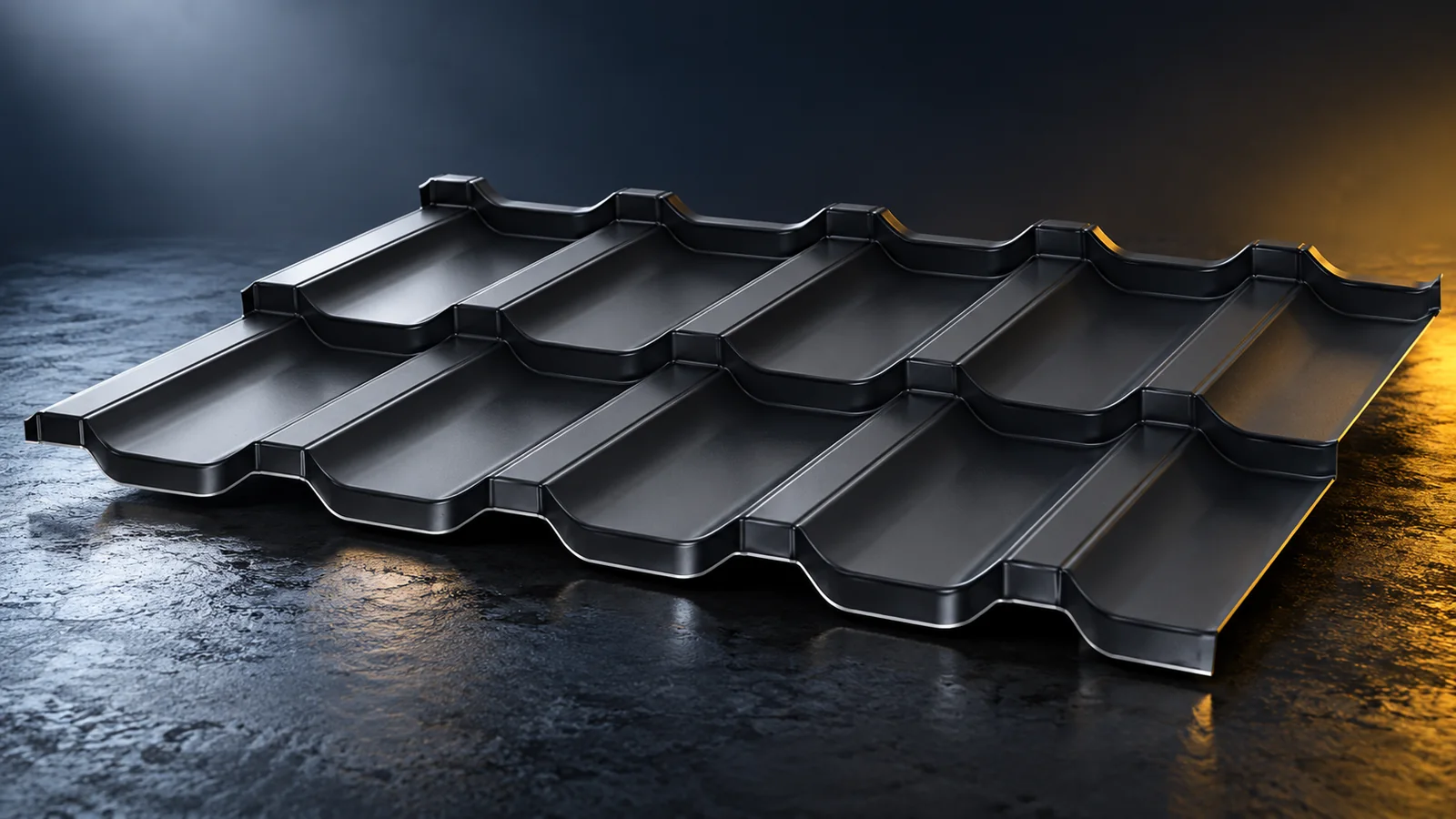
Tile-effect metal roofing is a profiled covering made of thin sheet metal protected against corrosion. Its quality is determined by the steel core, the metallic coating, the organic layers and the precision of the pressings. The compatibility of the entire installation system is also important. Colour does not describe durability, and a long guarantee does not replace checking the conditions of use. It is worth knowing which information from the product data sheet relates to the steel and which to the surface. The core gives the sheet its mechanical properties. Its thickness and grade work together with the shape of the profile. A thin flat strip behaves differently after pressing than before forming. However, this does not mean that geometry will replace steel thickness at will.

By |2026-11-14T09:54:06+01:002024-11-30|Building guide|Comments Off on What is tile-effect metal roofing made of and what determines its quality?

When do thicker insulated panels make little difference to a steel building?

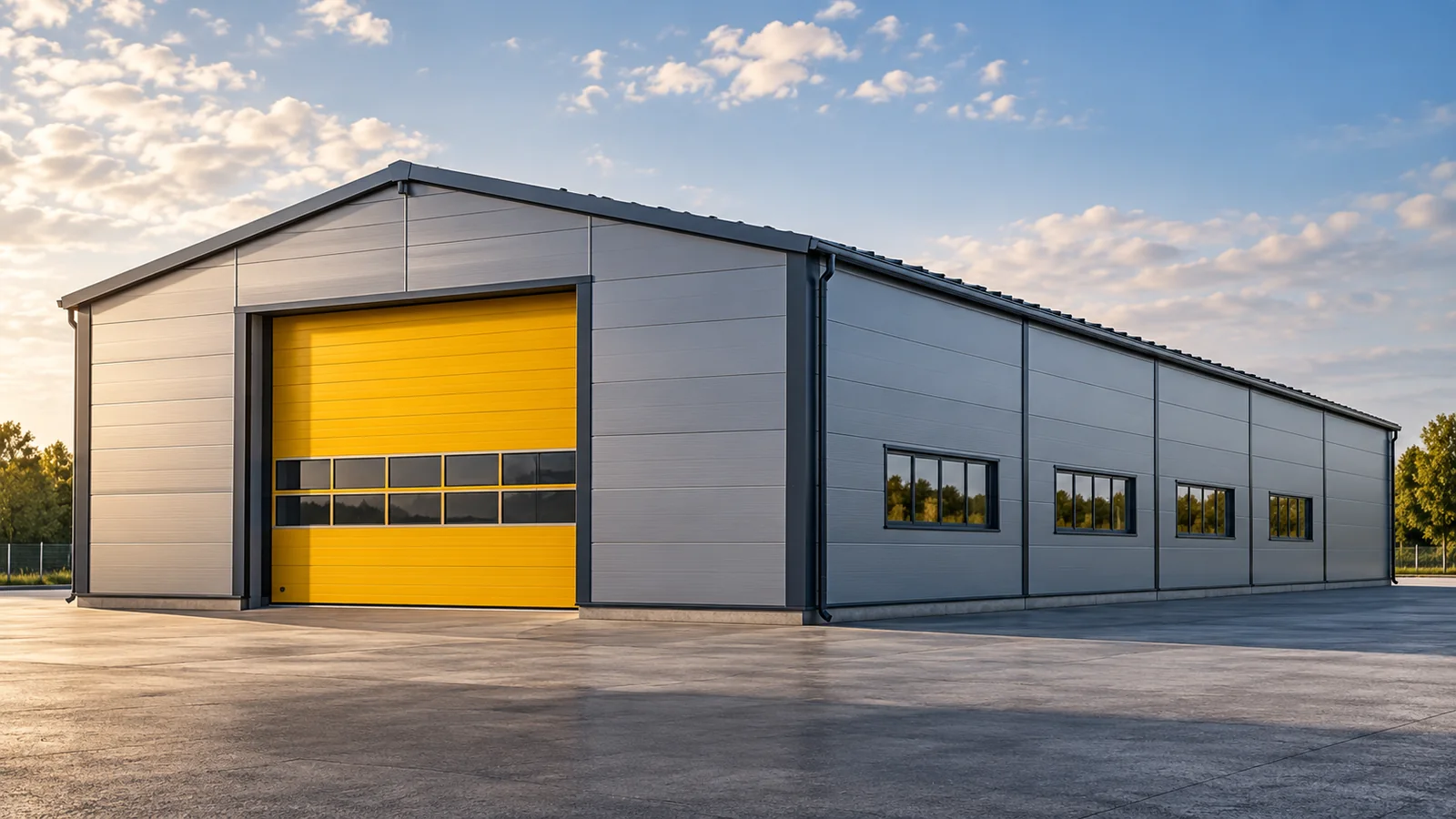
A thicker core usually improves the insulation of a given panel, but not every subsequent change brings a similar effect for the whole building. A steel hall also loses heat through gates, the floor and ventilation. Before you order the thickest wall variant, it is worth checking whether this particular partition is where the additional expense is most justified. Panels of the same thickness can have different properties. The core, facings and joint construction matter. A declared thermal transmittance of the selected product is needed for comparison. A steel hall should receive an enclosure that meets the project requirements, not merely a general description of the material.

By |2026-11-15T03:02:58+01:002024-11-22|Building guide|Comments Off on When do thicker insulated panels make little difference to a steel building?
Back to top