

Building handbook
The Izoprofil.eu handbook covers roofing, wall cladding and insulation, from reading specifications to preparing an order. Find guidance on sandwich panels, PIR boards, trapezoidal sheets and metal roof tiles. Understand overall sheet width and effective cover width, compare insulation options and plan installation details. The articles also cover renovation, material storage and costs that are easy to overlook. Worked examples explain the calculation method. Check the design and product documentation before making the final selection. Once you have identified the material, prepare the dimensions, quantity and delivery location for a quote.
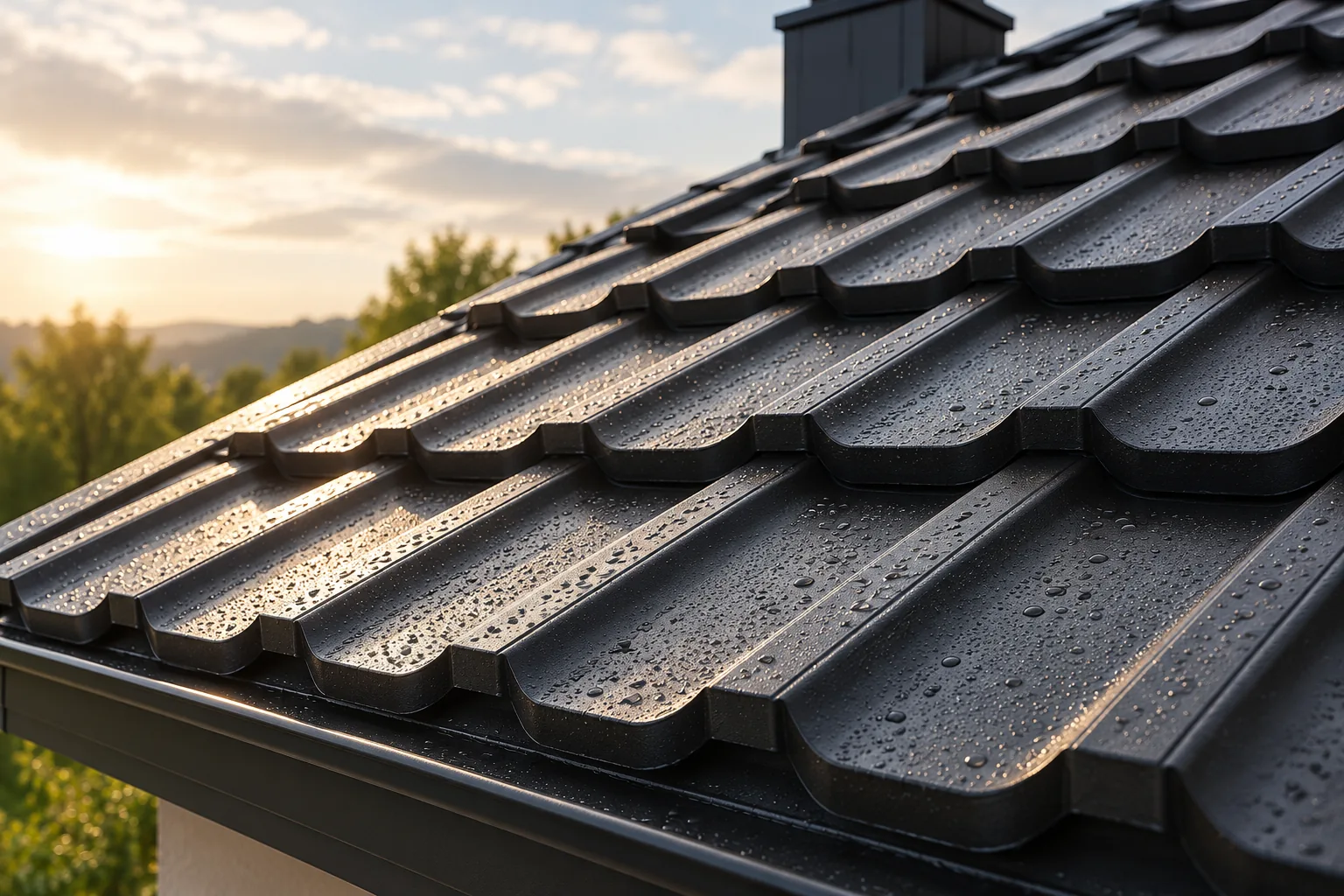
How long does tile-effect metal roofing last and what causes it to wear?
How long a metal roofing tile lasts depends on its protective layers, quality of workmanship and service conditions, not on the age of the covering alone. Before deciding to replace it, check the condition of the coating, the protection of the steel and the tightness of joints and details, especially at the chimney. A change of shade does not necessarily mean damage, just as a good appearance from the street does not guarantee tightness. Compare the documentation with inspection findings and assess whether corrosion, deformation or dampness of the substrate has appeared.
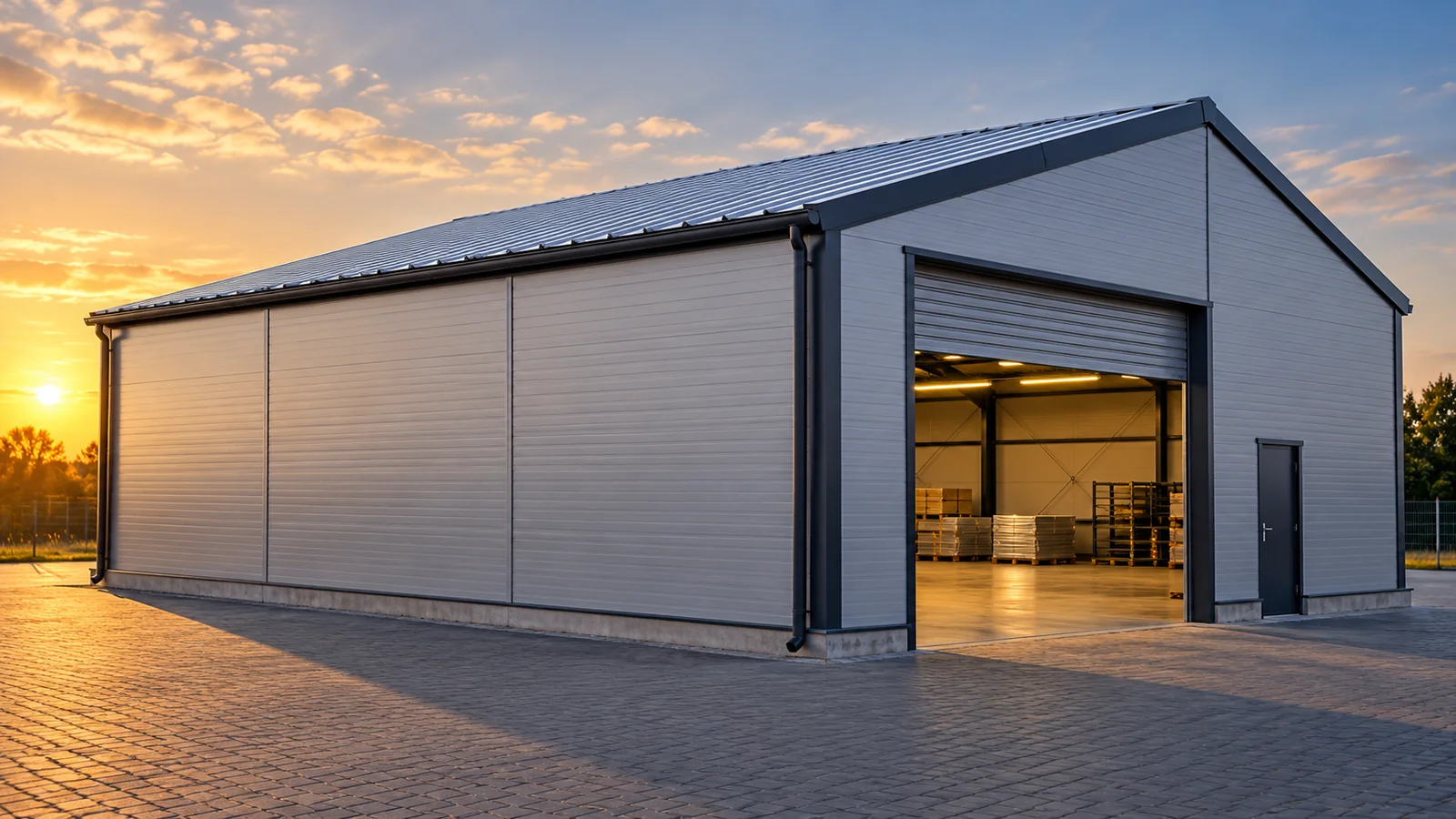
How much does it cost to build a steel-framed hall with insulated sandwich panels, including installation?
The price of a hall made from sandwich panels depends on whether the quote covers just the cladding, the structure, or a building ready for use. The budget also includes foundations, floor slab, gates, services and installation. Without defining the scope, the rate per square metre of the hall explains little. A reliable cost estimate begins with the building's function, geometry and site conditions. Only then are materials and quotes compared. The panels form the walls and roof, but usually work with a separate load-bearing structure. Their price does not automatically include columns, purlins, foundations or the floor slab. The cladding is one part of the building. A price list for the panel alone does not allow you to calculate the cost of a hall ready for business.
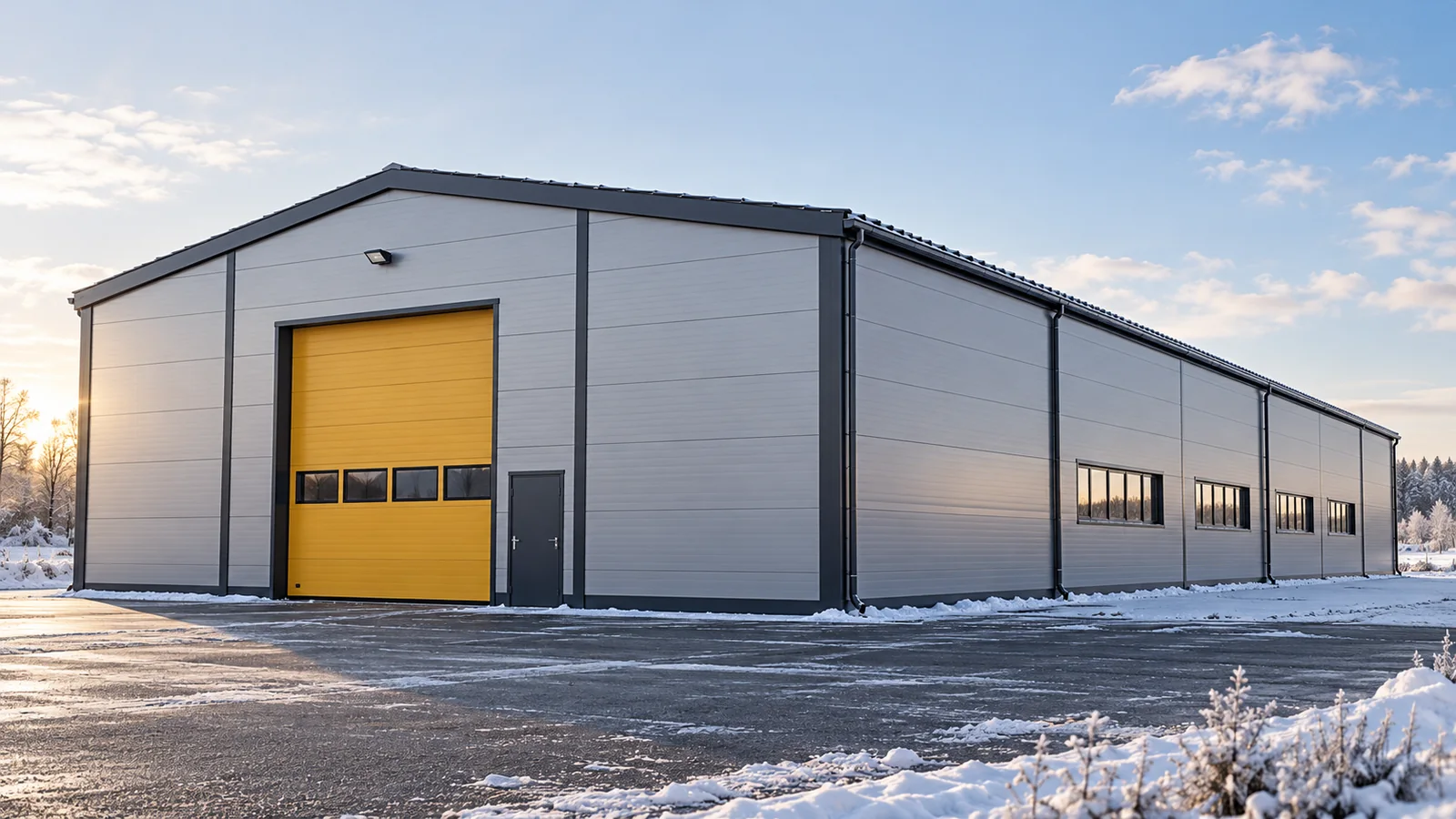
Using a heat balance to estimate heating requirements for a steel building
The question about heating often arises only once the building dimensions have already been fixed. Yet a steel hall may need a completely different system after changes to the doors, temperature or mode of operation. The unit's output should not be derived from floor area alone. First you need to establish where heat escapes and where it comes in. Heating output describes the ability to supply heat at a given moment. Annual consumption also depends on operating time, weather and settings. Two steel halls of the same area may have a similar design output but different bills. One operates daily, the other maintains a higher temperature only for part of the week.
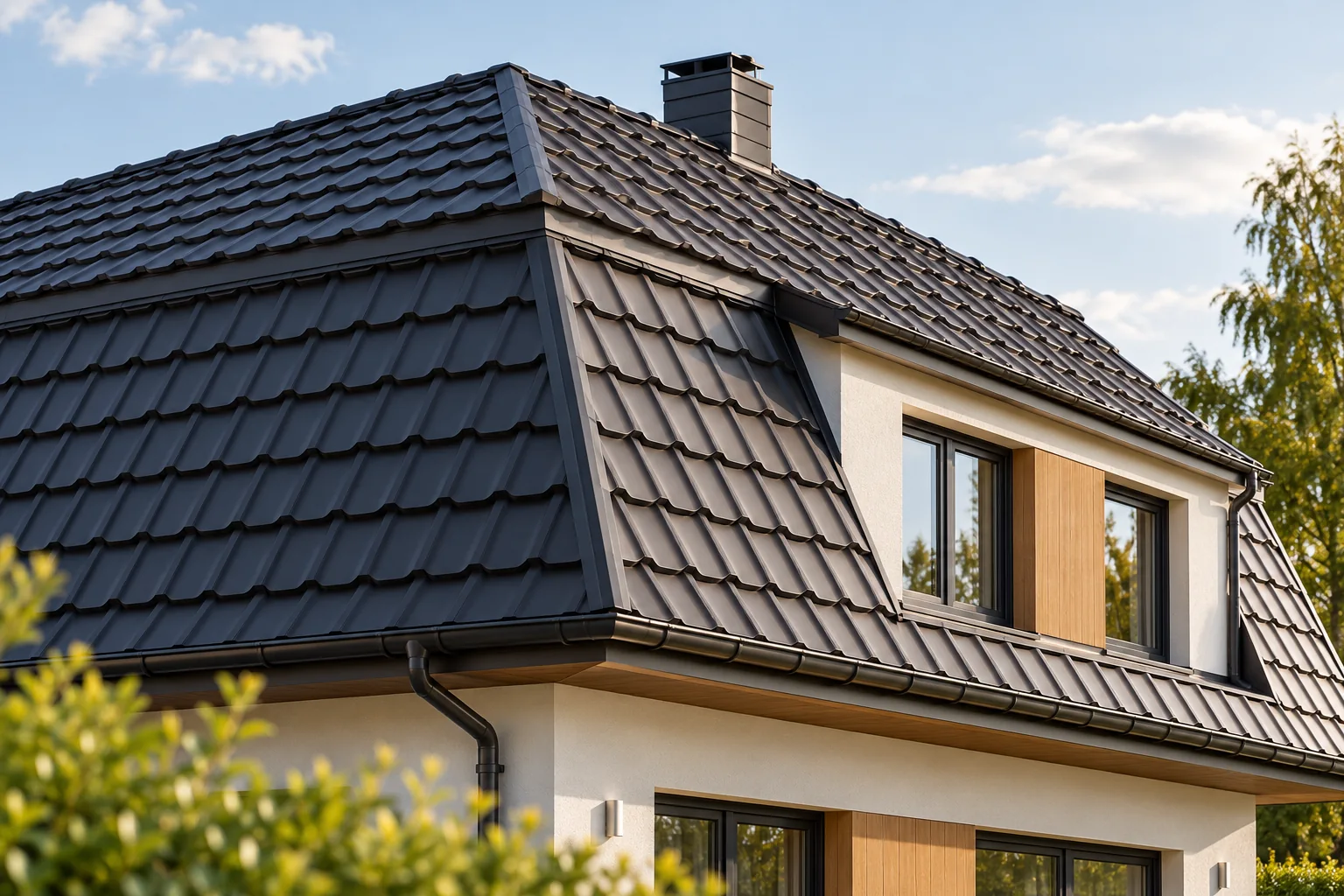
Choosing a covering for a mansard roof
The choice of roofing for a mansard roof should be based on the roof drawing, not on a single averaged slope. Check whether the product is approved for both pitches and how the break, dormers and continuity of the layers under the covering are resolved. Cut-to-length and modular metal tiles differ in cutting layout, number of joints and ease of installation, so compare them using the dimensions of both parts. Cost the covering, flashings and access separately, and leave structural and insulation decisions to the designer.
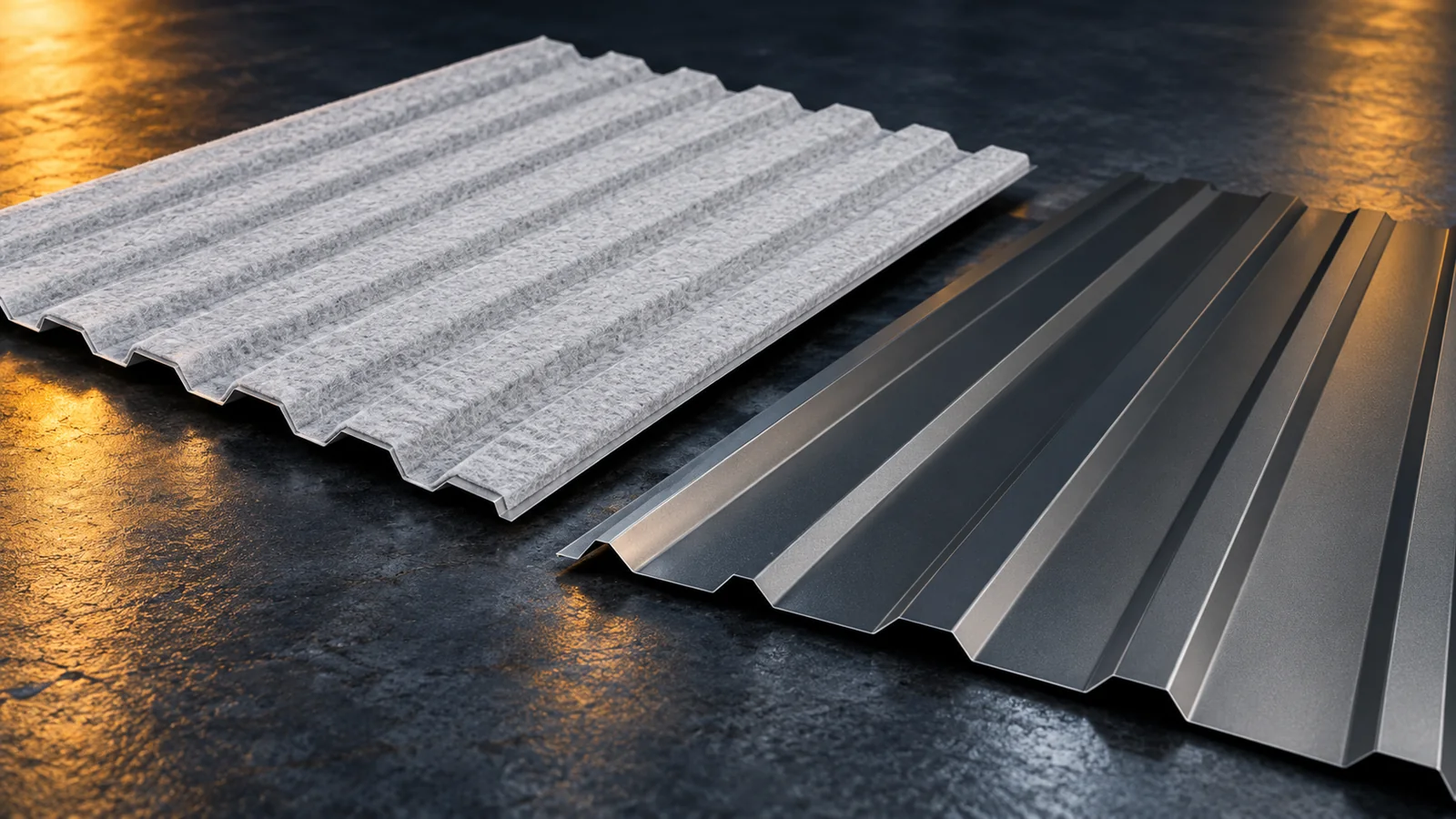
Is it worth ordering trapezoidal steel sheet with an anti-condensation layer?
An anti-condensation layer on the underside of the sheet can reduce dripping of water formed by condensing vapour. It acts as a temporary store of moisture that must subsequently dry out. It is most often considered in adequately ventilated buildings with an uninsulated covering. It does not replace thermal insulation, a vapour barrier or repair of a leaking roof. Whether it makes sense to buy depends on the conditions inside the building and the possibility of removing moisture. The roof surface can cool to a temperature at which the vapour contained in the air begins to condense. Droplets then appear from below, even though no rain has passed through the covering. The phenomenon depends on surface temperature and air humidity. It may be noticeable after a cool night or with a large difference in conditions between the interior and the surroundings.
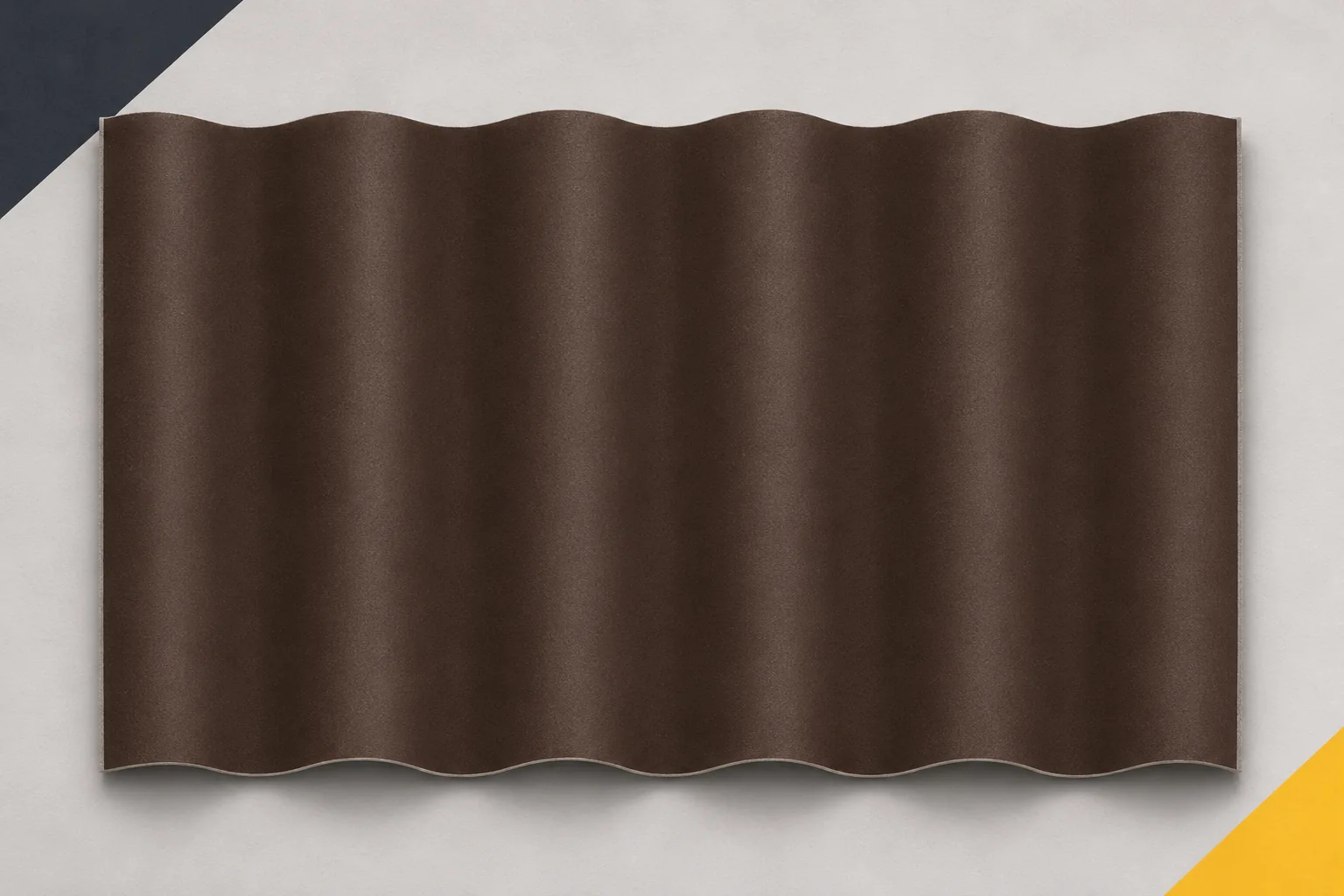
Fibre cement roofing and summer heat inside the building
On a hot day, room temperature is determined by more than the type of outer sheet. Sun, insulation, windows, air exchange and how the building is used all matter. Fibre cement sheets can be part of a well-designed envelope, but they do not guarantee lower temperatures. Asbestos-free fibre cement also heats up in the sun. A sensible choice of roofing requires looking at the path of heat through the whole roof and the other parts of the building. Radiation falls on the roof, and some of the energy is absorbed by the material. The amount depends among other things on the properties of the surface, the angle of incidence and the ambient conditions. A dark colour is often associated with greater absorption of radiation than a light one, but it does not replace data for a specific coating.