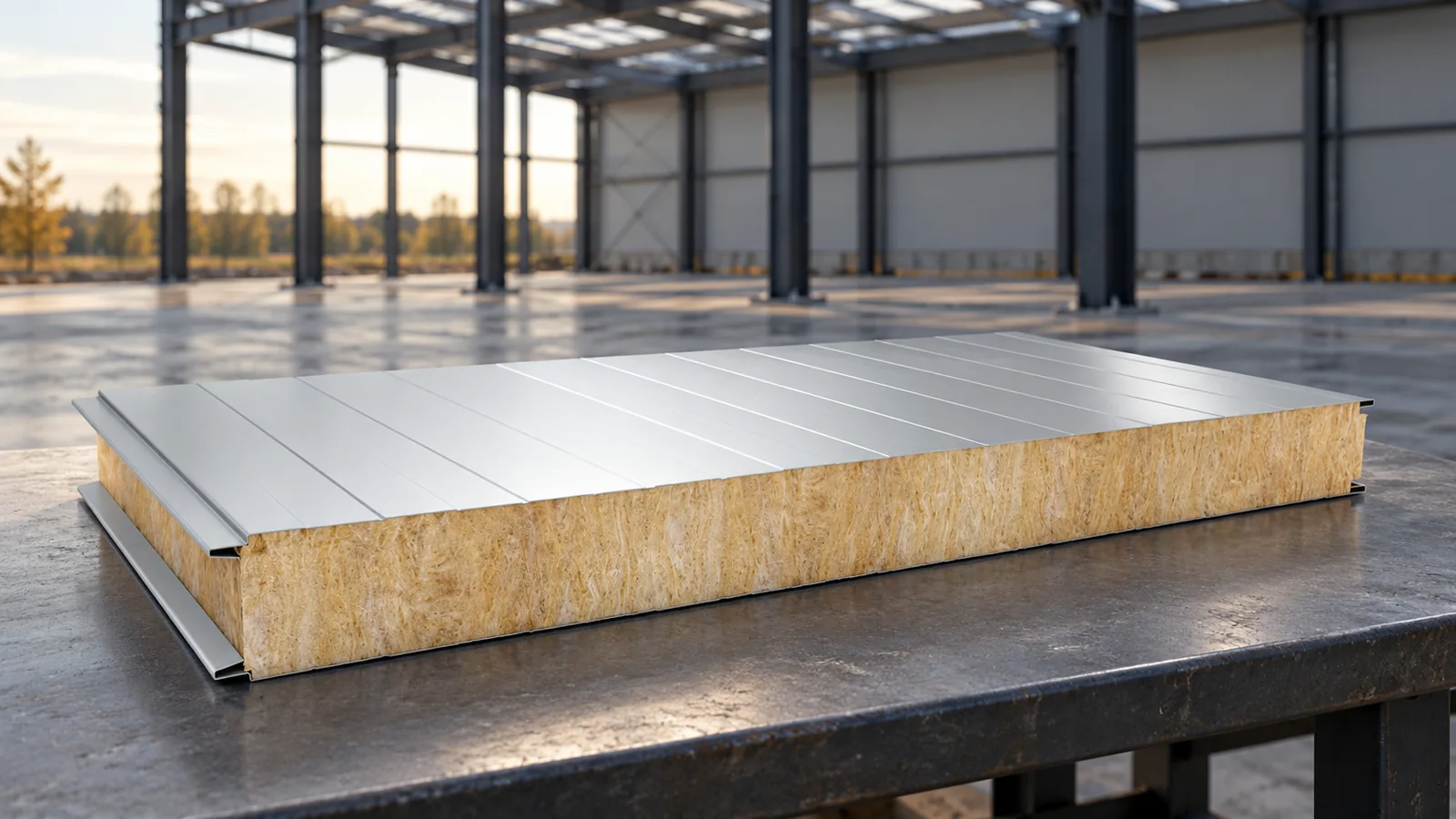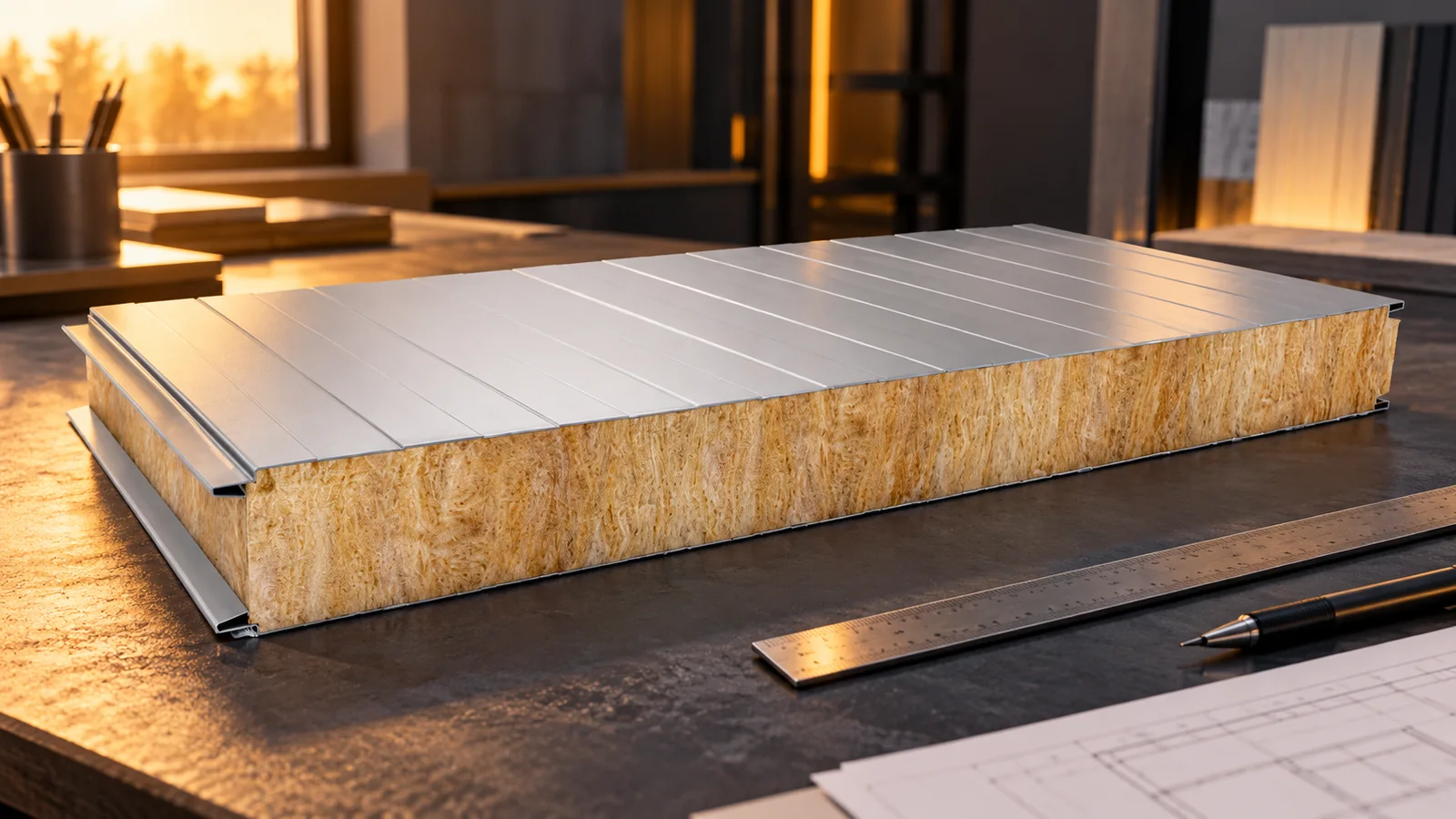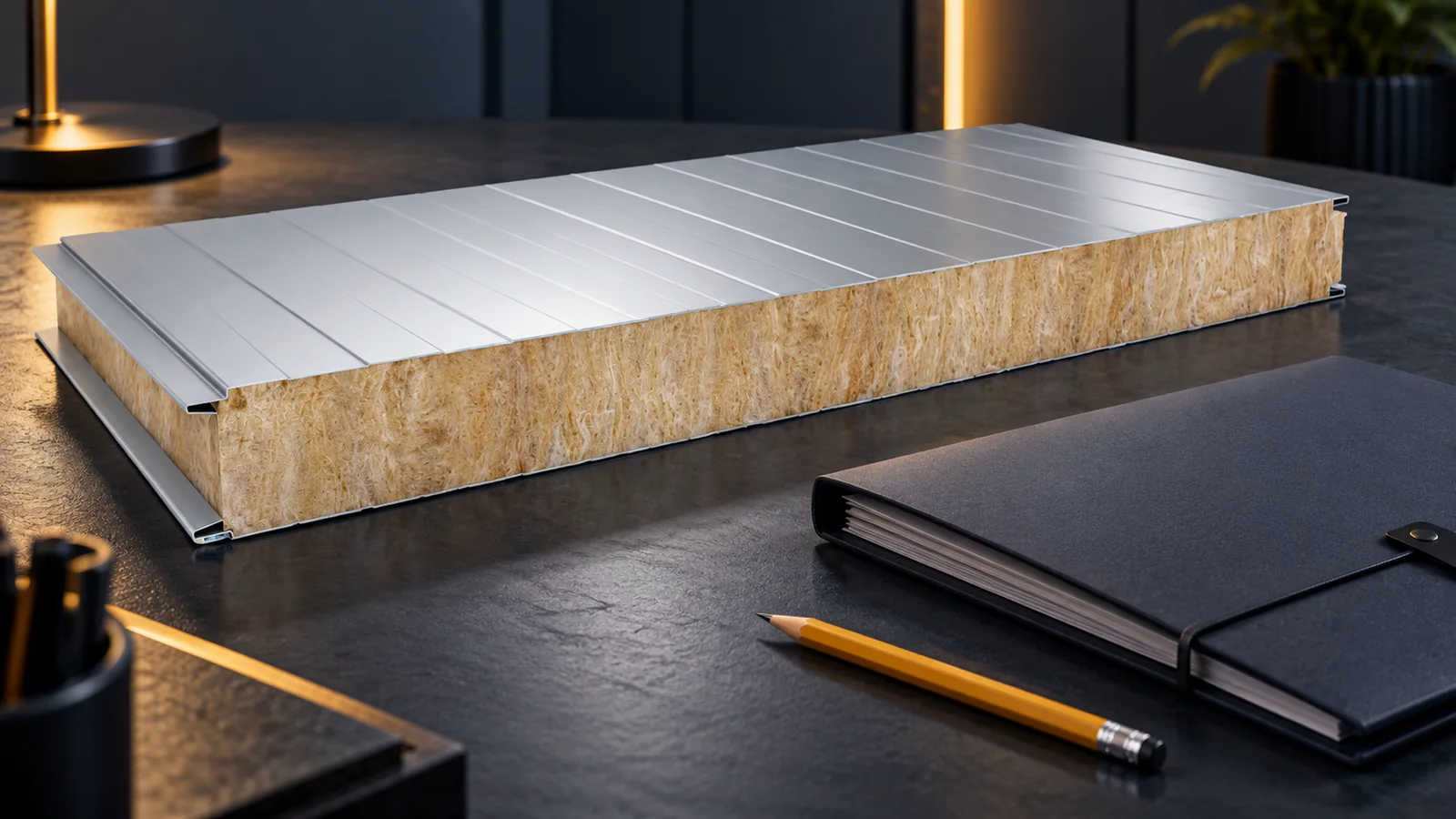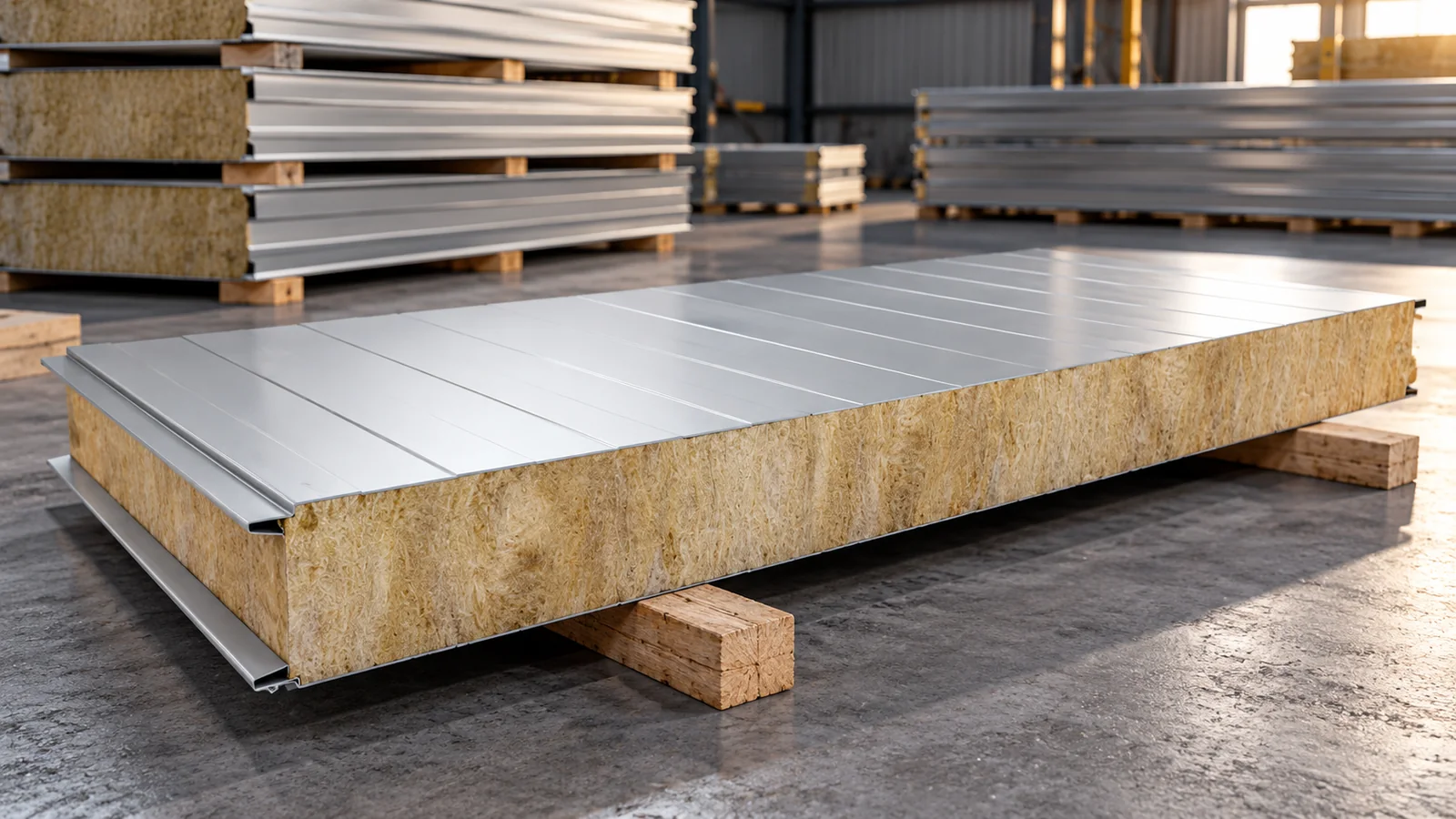
Where is it worth using insulated wall panels with a mineral wool core?

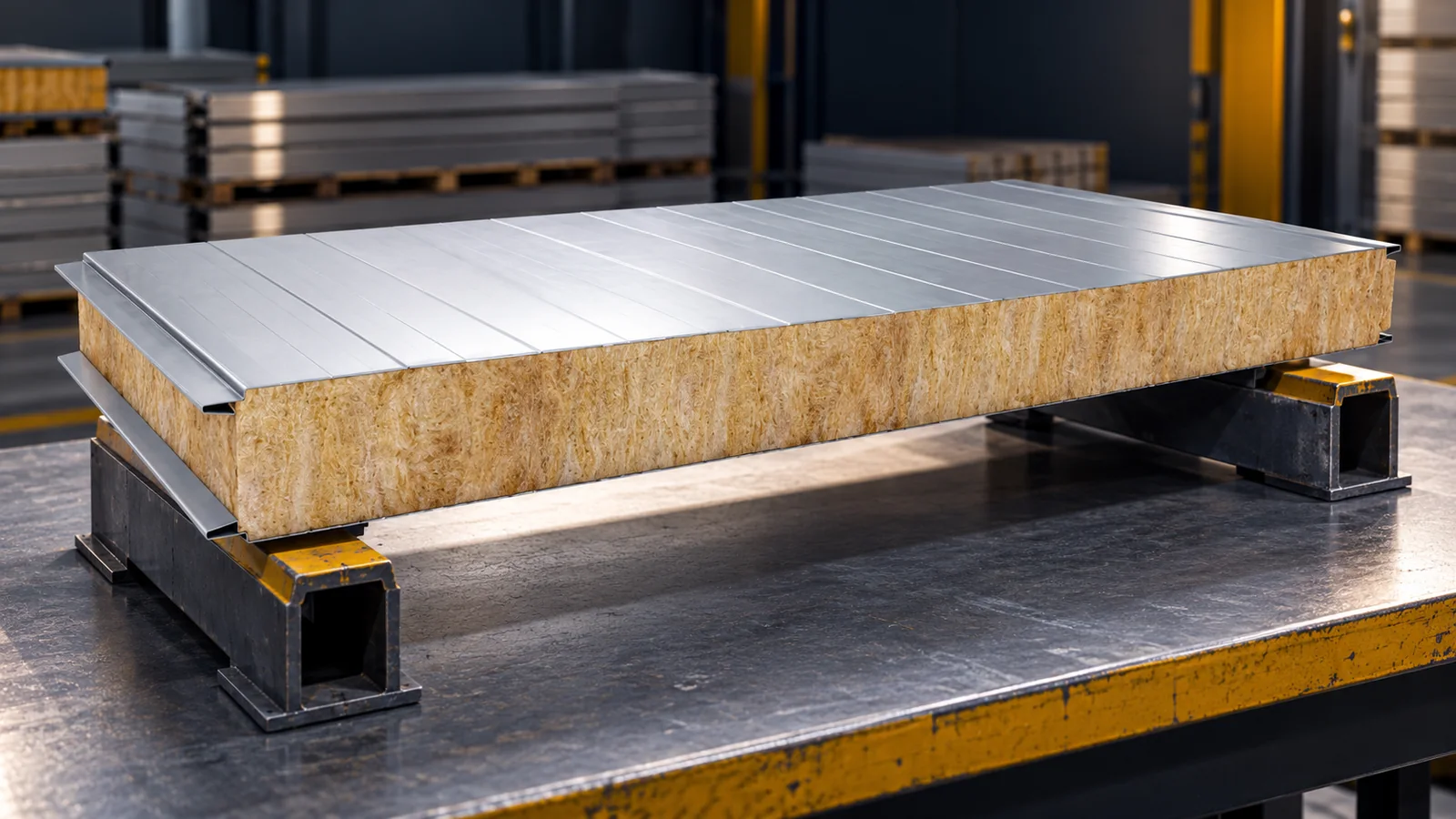
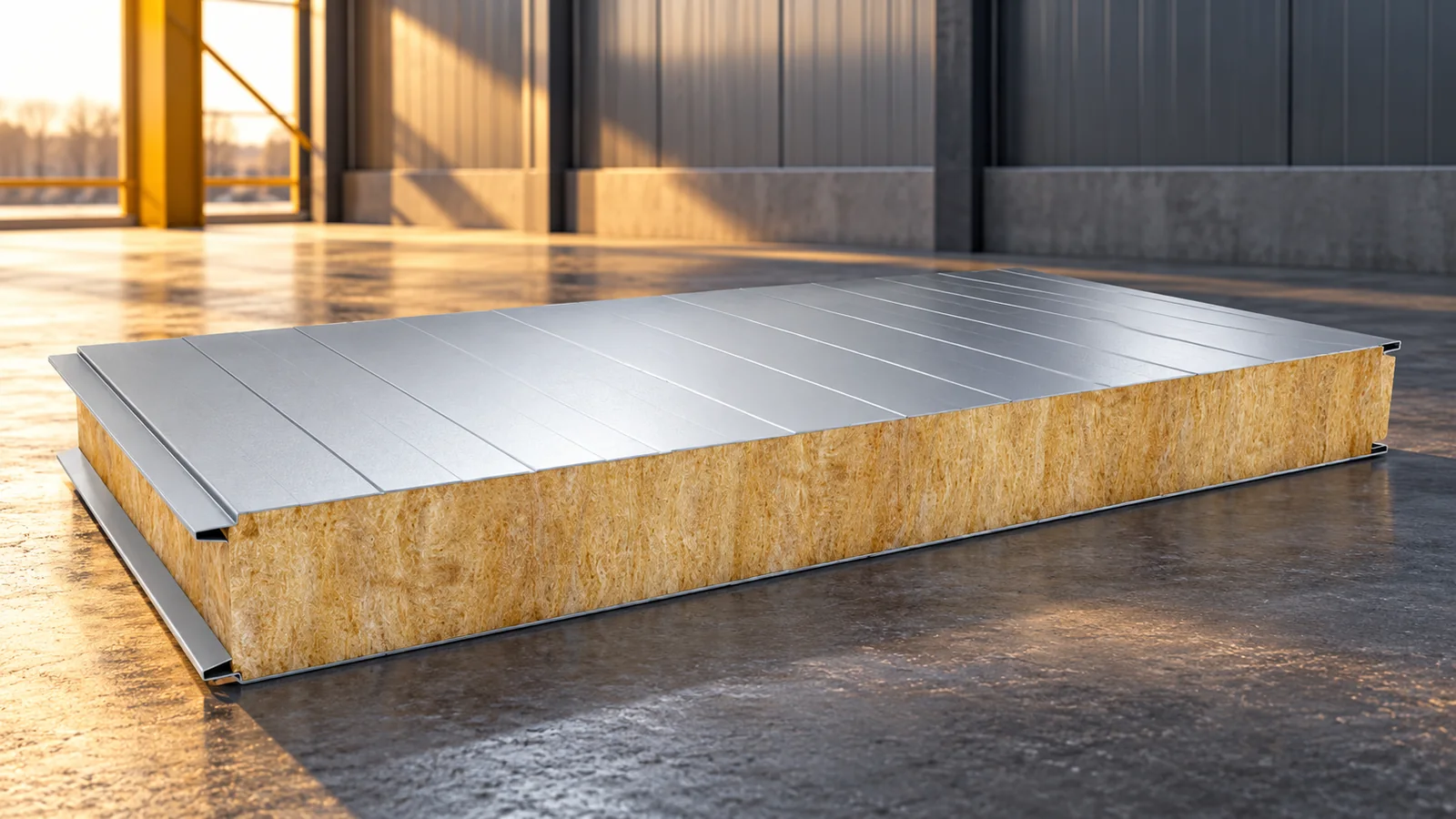
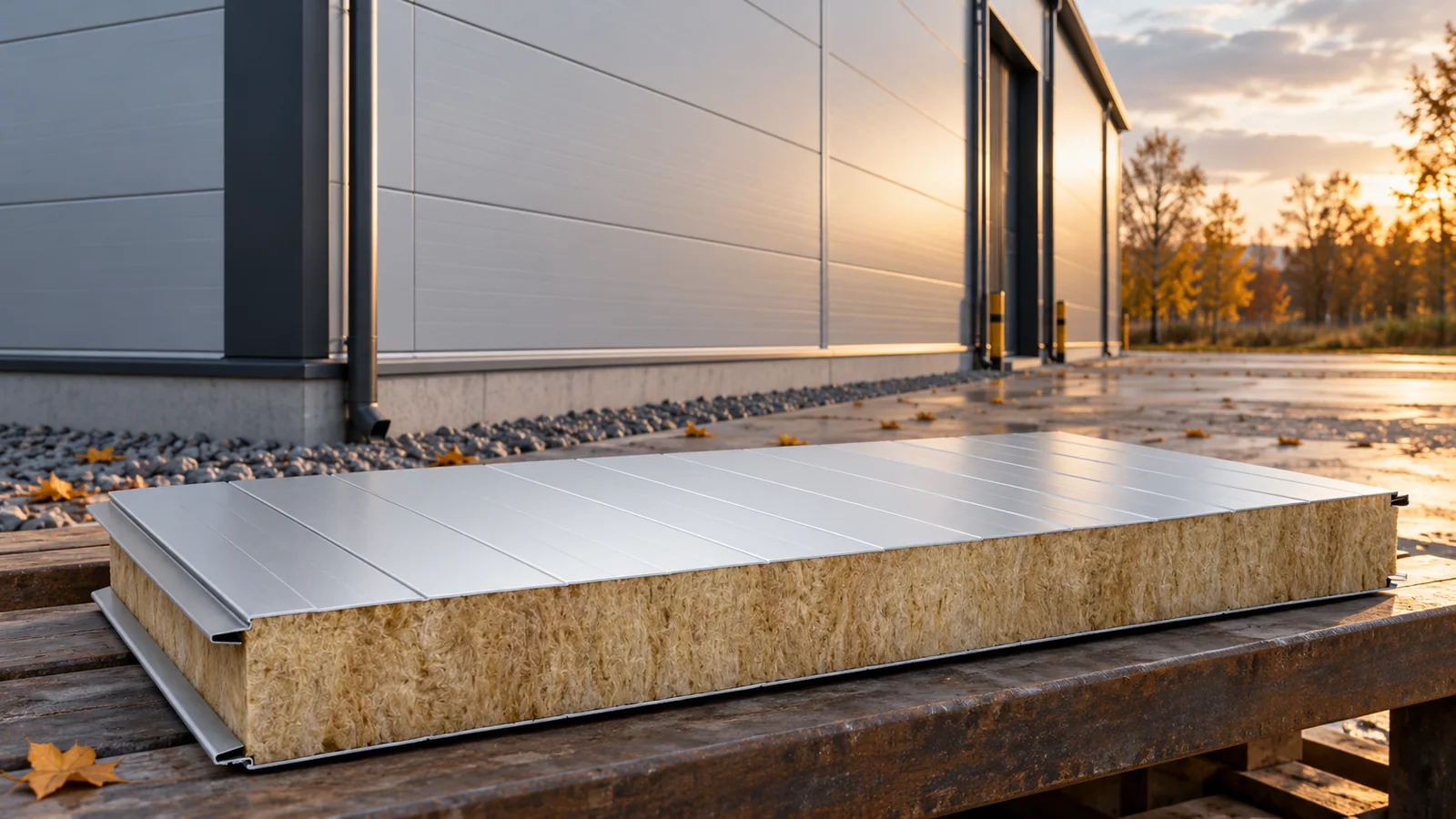
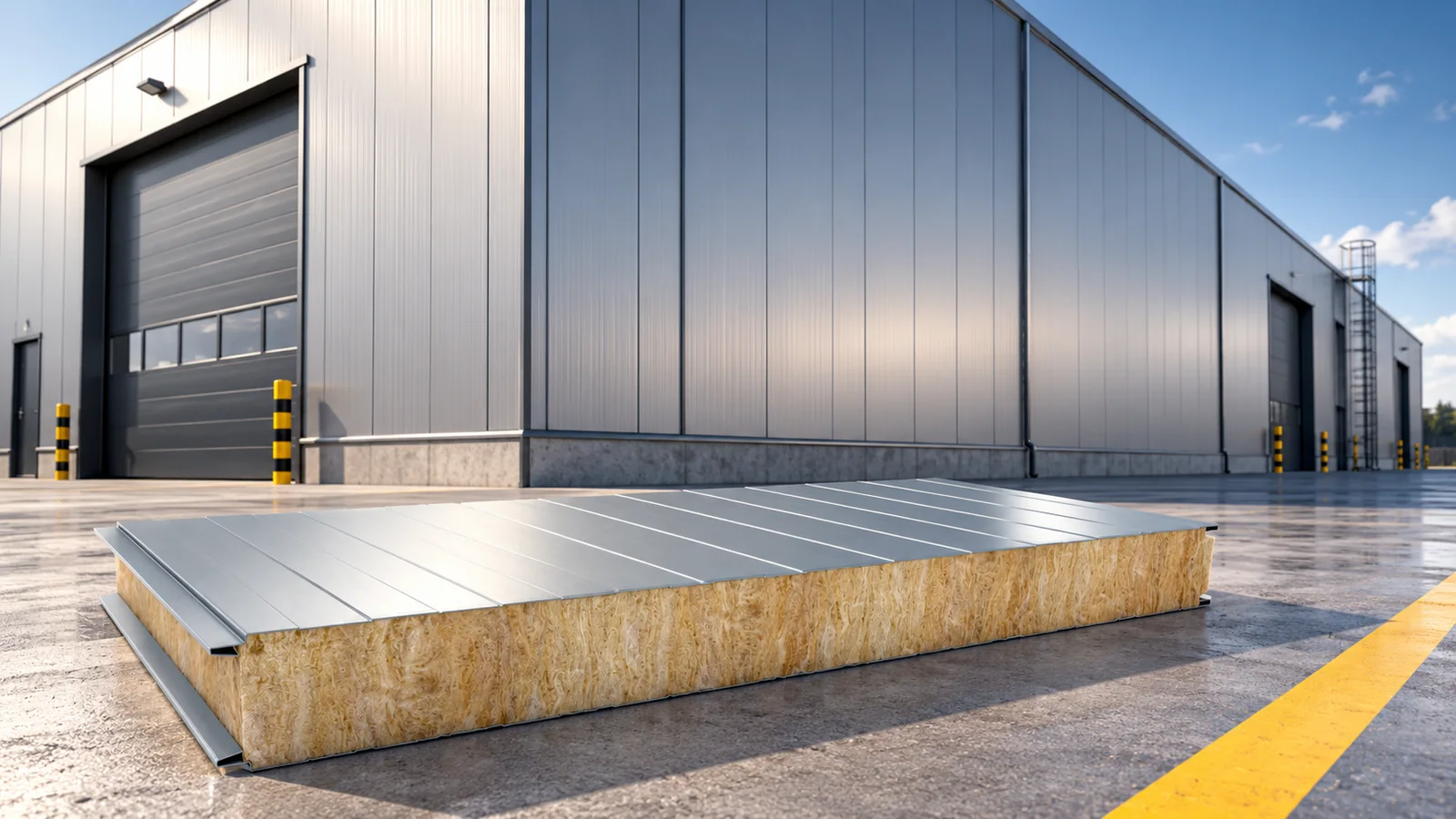
Insulated wall panels with a mineral wool core are worth considering where fire requirements and rapid building enclosure are of major importance. They are used in industrial halls, warehouses and selected technical rooms. However, the building name alone does not determine the choice of core. What matters is the wall design, its fire resistance, thermal insulation and method of support. A mineral wool panel is not a ready-made solution to every fire protection problem. Mineral wool panels are a natural candidate for enclosing buildings where limiting the contribution of combustible materials is important. They can serve as external and internal walls. This applies to many production and warehouse halls.
2026-11-14T09:54:26+01:00

PIR, EPS, XPS or mineral wool? When thin insulation delivers the greatest benefit

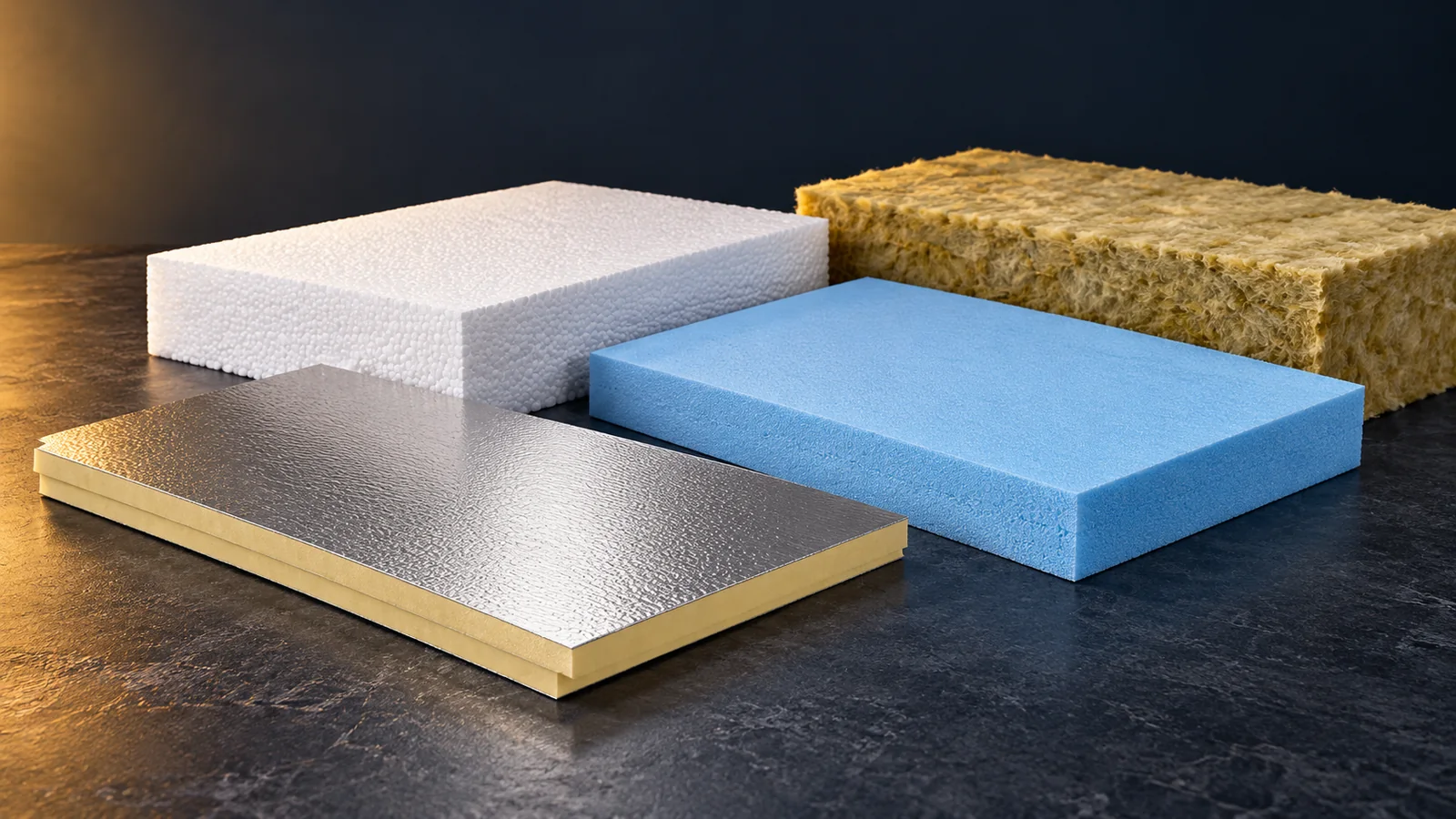
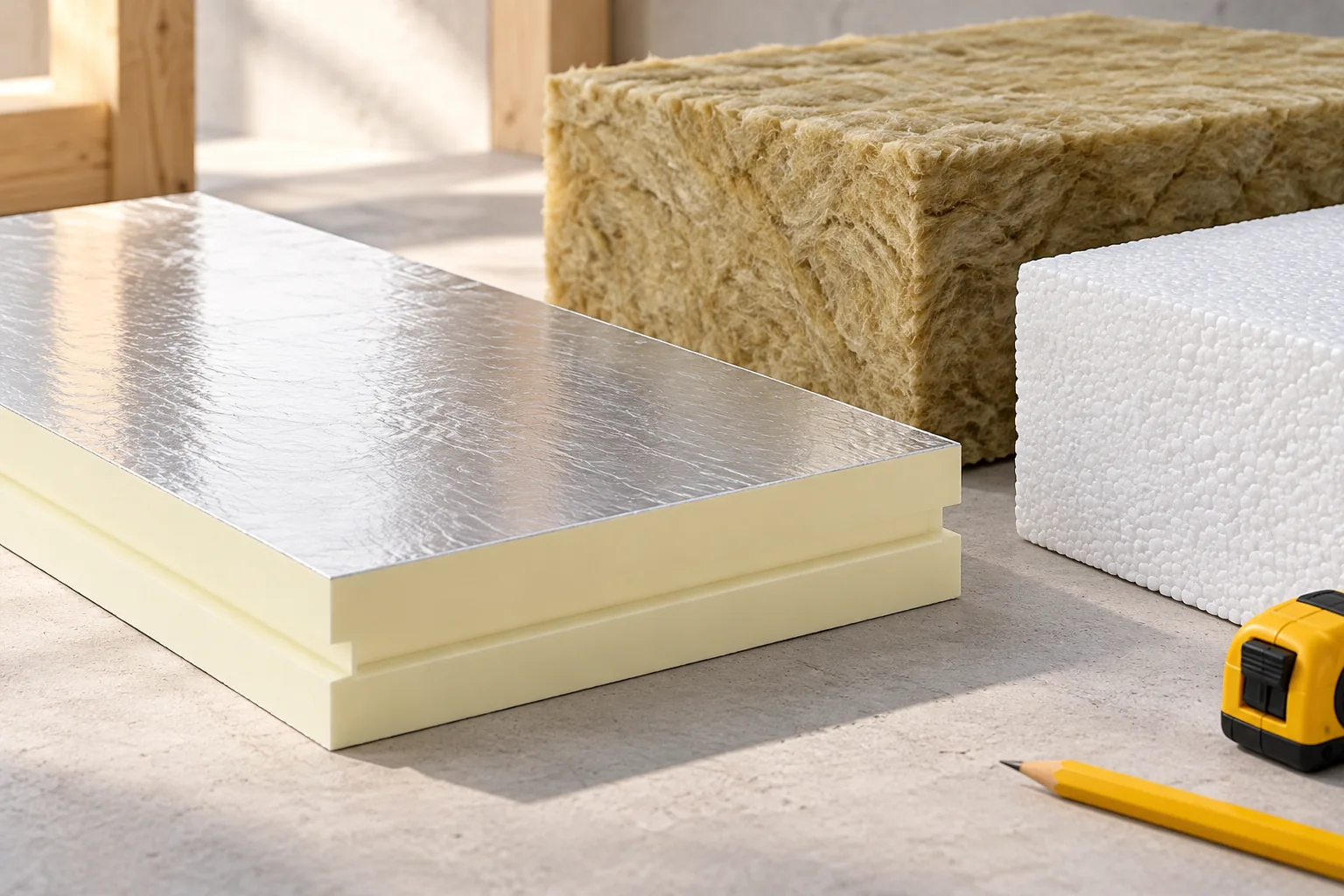
PIR has a clear advantage where high thermal resistance is needed at low thickness. This does not mean it is superior in every application. EPS can be cost-effective, XPS under specific moisture and pressure conditions, and mineral wool where fire or acoustic requirements apply. A good choice follows from the installation location and the properties of the specific product. Lambda alone does not describe the whole insulation. A low terrace threshold, a short eaves overhang or a small room can limit insulation thickness. In such places PIR achieves greater resistance than many materials of the same thickness. For example, a 100 mm layer at a lambda of 0.022 W/(m·K) has a resistance of approximately 4.55 m²K/W.

2026-11-14T12:15:48+01:00

What determines the right insulation material for a roof?

The choice of roof insulation material depends above all on where the heated boundary runs and on the ventilation plan, not on the product name alone. Check which building elements separate the interior from the outside, then compare lambda, thermal resistance and the U-value for the whole assembly. It is also worth establishing whether limited thickness, moisture protection or continuity of insulation is the key issue. Only on that basis should you consider PIR, mineral wool, EPS or XPS, bearing in mind that the overall effect depends on the complete layer build-up and careful joints.

2026-11-15T03:01:36+01:00

How should the structure be prepared for insulated wall panels with a mineral wool core?

The structure for insulated wall panels with a mineral wool core should provide proper support, transfer of loads and a level mounting surface. It is not enough to set a few purlins at approximate spacings. The weight of the panels with a mineral wool core, wind, vertical or horizontal layout and openings must be taken into account. Checking the structure before material delivery helps avoid misaligned joints, makeshift packers and unnecessary cutting. A self-supporting panel transfers the anticipated loads between supports. This does not mean it replaces the main hall structure. Columns, purlins, bracing and connections form a separate system. Their stiffness and displacements affect the performance of the cladding. The panel should not be used to straighten or stabilise a poorly prepared frame.

2026-11-14T09:54:46+01:00

What do lambda and U mean for insulated wall panels with a mineral wool core?

Lambda describes heat conduction through the core material. The U-value indicates how heat penetrates through the panel or the entire building element under specified conditions. These are different quantities with different units. A low lambda is not sufficient to assess a wall. Thickness, joints, fixings and details also matter. Quotes are best compared on the basis of U-values for an identically defined solution. Lambda, written as λ, defines the thermal conductivity of a material. Its unit is W/(m·K). At the same thickness, a lower value means greater thermal resistance of the layer. However, it does not describe the complete wall with connections and structure. It applies to the material under the conditions adopted when determining the properties.

2026-11-14T09:54:42+01:00

How do wall panels with enhanced mineral wool differ?

Panels with enhanced mineral wool can differ in core, facings, joint and scope of classification. There is no single common standard for the 'better' version. Higher wool density does not automatically guarantee lower U-value, better acoustics and greater fire resistance all at once. You need to establish which parameter matters in the given building, then compare the datasheets of specific products. The offering may concern better fire resistance, greater permissible span or a different surface finish. Sometimes the core construction changes, and sometimes the sheet thickness. The trade name alone does not explain the scope of improvement. You need to check what result is declared and under what conditions.

2026-11-14T09:55:19+01:00

How to buy second-grade insulated wall panels with a mineral wool core?

Second-grade insulated wall panels with a mineral wool core can lower the cost of the building envelope. Saving makes sense when you know the reason for the price reduction and the limitations of the specific batch. A scratch in the coating, a damaged interlock and a detached facing are three different situations. Before buying, you need to check the documents, inspect the panels and calculate the offcuts. Information about non-combustible mineral wool alone does not confirm the parameters of the entire wall. A trade designation does not precisely describe the defect. It may concern shade, scratches, surface waviness or damaged edges. An outlet is also sometimes a place where end-of-series stock and short lengths are sold. You should not assume that every cheaper panel has the same reason for the price reduction.

2026-11-14T09:54:20+01:00

How much does an insulated panel with mineral wool weigh and how do you allow for it in the design?

A panel with mineral wool has a defined mass per square metre, but for unloading you need to know the weight of the whole element. The result depends on the core thickness, its construction and both facings. Two panels described as 100 mm may weigh differently. For the design and order you need the datasheet for the specific variant. The mass affects the structure, transport and lifting, but does not replace checking the load-bearing capacity of the panel. The mass consists of the core, two facings and the bonding layers. The thicker the mineral wool at the same density, the greater the share of the core. However, the steel also matters. Changing the thickness of one or both sheets affects the weight of the element.

2026-11-14T09:54:48+01:00

What do you need to know before buying insulated wall panels with a mineral wool core?

It is worth preparing the purchase of insulated wall panels with a mineral wool core as a complete cladding order. You need to establish the parameters, dimensions and details, then plan delivery and installation. The wall area alone is not enough to place an order. The panels must fit the structure, openings and fire requirements. A well-prepared material list reduces waste and the risk that a small but essential item will be missing on site. Insulated wall panels have metal facings and a bonded insulating core. They form finished cladding surfaces once fixed to the designed structure. Variants with a mineral wool core are used, among other things, where fire requirements are important. However, they are not a material with one common specification.

2026-11-14T09:55:21+01:00

How long does an insulated panel with mineral wool last and what shortens its service life?

The durability of an insulated panel with mineral wool is determined by the entire element. The facings, their protection, the bond with the core and the tightness of the joints all matter. There is no single number of years that applies to every hall. A dry warehouse performs differently from a building with high humidity or an aggressive atmosphere. Good choice of coating and regular inspections help avoid repairs that seemingly start from a minor scratch. Mineral wool is an important part of the panel, but the enclosure does not consist of insulation alone. Thin facings and the core work together to carry loads. Loss of adhesion, severe denting or corrosion of the sheet can impair the element's performance even when the insulating material is still in place.

2026-11-14T09:54:22+01:00
Back to top