Where is it worth using insulated wall panels with a mineral wool core?
Insulated panels
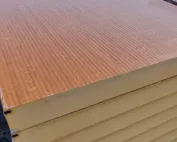
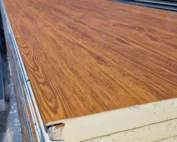
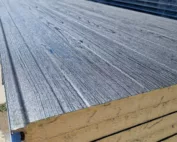
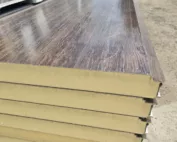
Insulated wall panels with a mineral wool core are worth considering where fire requirements and rapid building enclosure are of major importance. They are used in industrial halls, warehouses and selected technical rooms. However, the building name alone does not determine the choice of core. What matters is the wall design, its fire resistance, thermal insulation and method of support. A mineral wool panel is not a ready-made solution to every fire protection problem. Mineral wool panels are a natural candidate for enclosing buildings where limiting the contribution of combustible materials is important. They can serve as external and internal walls. This applies to many production and warehouse halls.
In which halls is mineral wool a good direction?
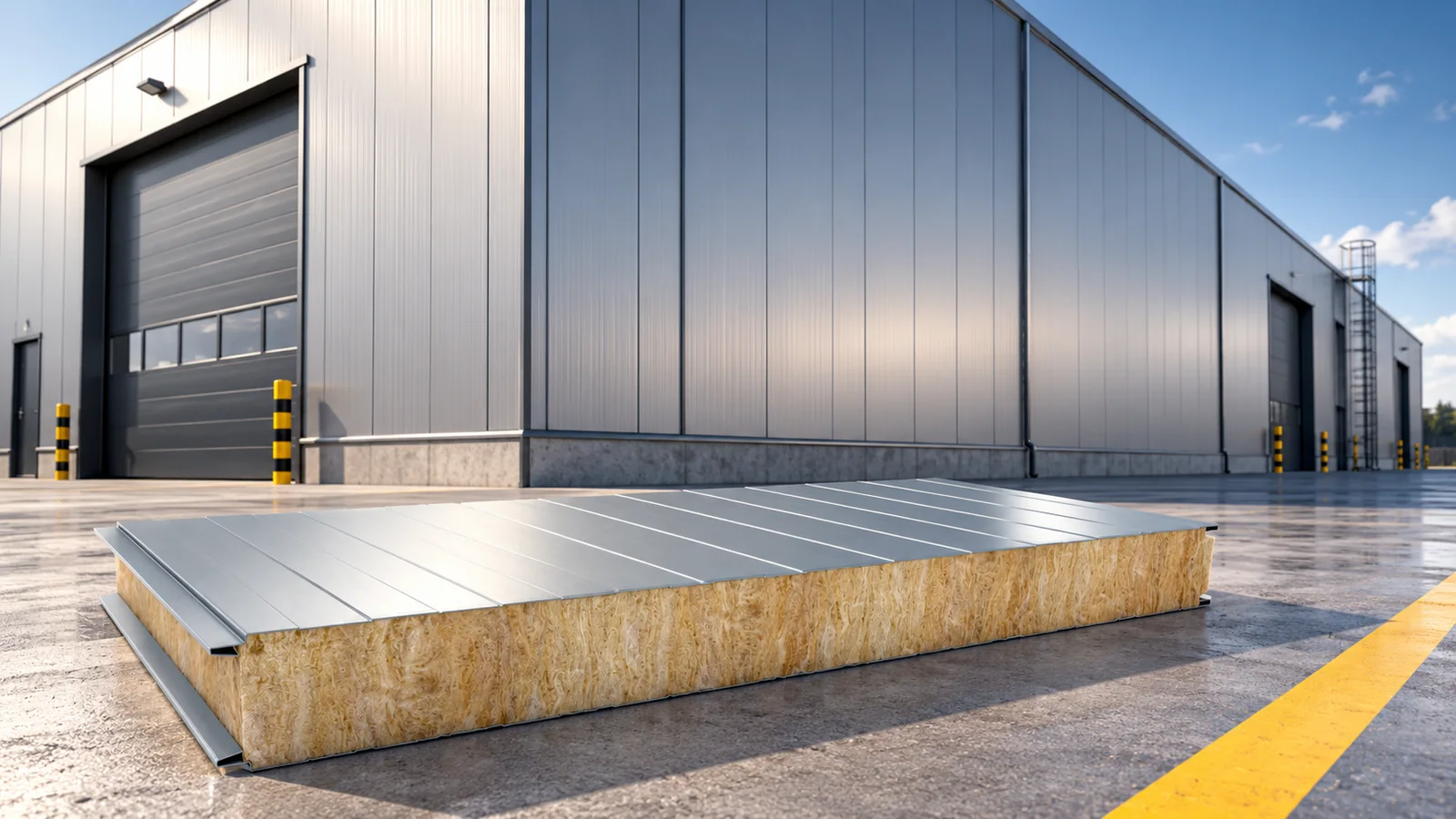
Panels with a mineral wool core are a natural candidate for enclosing buildings where limiting the proportion of combustible materials matters. They can serve as external and internal walls. This applies to many production and storage halls. Suitability is determined, however, by the set of requirements arising from the specific activity and the design.
The wall should not be selected solely on the basis of what will be stored in the hall. Height, area, building subdivision and distances from the surroundings also matter. Mineral wool gives access to solutions with high fire resistance, but not every panel and every installation has the same parameters. The documentation must correspond to the assembly that will actually be built.
Can a compartment wall be made?
Such an application requires verification of the entire building envelope. The properties of the panel must be linked to its thickness, position, supports and fasteners. The classification may specify a maximum height or span. It must not be extended to another solution merely because the core is still mineral wool.
Details at columns, the roof and the floor should maintain the required continuity. The same applies to doors, gates and service penetrations. An unsealed opening around a duct can undermine the assumptions of the entire subdivision. Before purchase, agree the details with the designer. Only once they are established can the complete set of materials be determined, rather than just the panel area.
Where does noise reduction matter?
A panel wall can separate the production area from the warehouse or auxiliary rooms. Some variants with mineral wool have a higher declared acoustic insulation than selected PIR panels. However, specific values must be compared. The type of core alone does not determine what noise will be heard on the other side.
Gates, doors, leaks and the transmission of vibrations through the structure are of great importance. A full metal facing is not automatically a highly sound-absorbing surface inside the hall. If reverberation is the problem, a separate acoustic solution may be needed. It is worth separating two objectives: limiting sound transmission and reducing its reflections within the room.

Will mineral wool work in a heated building?
It may prove suitable if the selected thickness provides the required level of insulation. For one of the wall systems, 150 mm means Uc 0.27 W/(m²·K), and 200 mm means 0.20. This is an example for a specific panel. It should not be treated as a common table for all products or as automatic confirmation of the entire wall.
Where installation space is limited, PIR panels can be compared. They usually allow a similar thermal resistance to be achieved with a smaller thickness. However, if fire conditions justify mineral wool, choosing a thinner core of another type requires reassessment. Selection should take into account thermal performance, fire, structure and cost at the same time, not just one parameter from a table.
What limitations do damp rooms have?
Moisture in the building does not rule out a mineral wool panel, but it requires suitable facings and tight joints. Water should not reach the core. Pay attention to plinths, flashings and areas subject to frequent cleaning. The description of conditions must also cover detergents and substances present in the technological process.
It is not enough to order light-coloured sheet metal, because colour does not determine chemical resistance. When humid air condenses on the wall, ventilation and surface temperatures must be checked. Changing the core without eliminating a thermal bridge or leak may not solve the problem. In agricultural and food facilities, the compatibility of the coating with the intended use is particularly important.
Before choosing the facing, record the cleaning method and the agents used. The name of the room alone does not describe the concentration of substances or the duration of contact with the wet surface.
When might another material be more sensible?
In a dry, heated building with limited wall thickness, a PIR panel is a strong candidate. Where fire requirements favour mineral wool, its greater weight and thickness can be accepted. A enclosure constantly exposed to impacts, in turn, requires an assessment of mechanical resistance and possible protective covers, regardless of the core.
Before deciding, prepare a short list: wall function, fire parameters, target U-value, moisture conditions and support spacing. Add access for unloading and the ability to lift the elements. The choice of mineral wool should follow from these needs. This way the material performs in the application for which it was selected, instead of merely looking good in a comparison of offers.
7 branches. Materials closer to your project.