How to choose PIR insulation for a ceramic block wall?

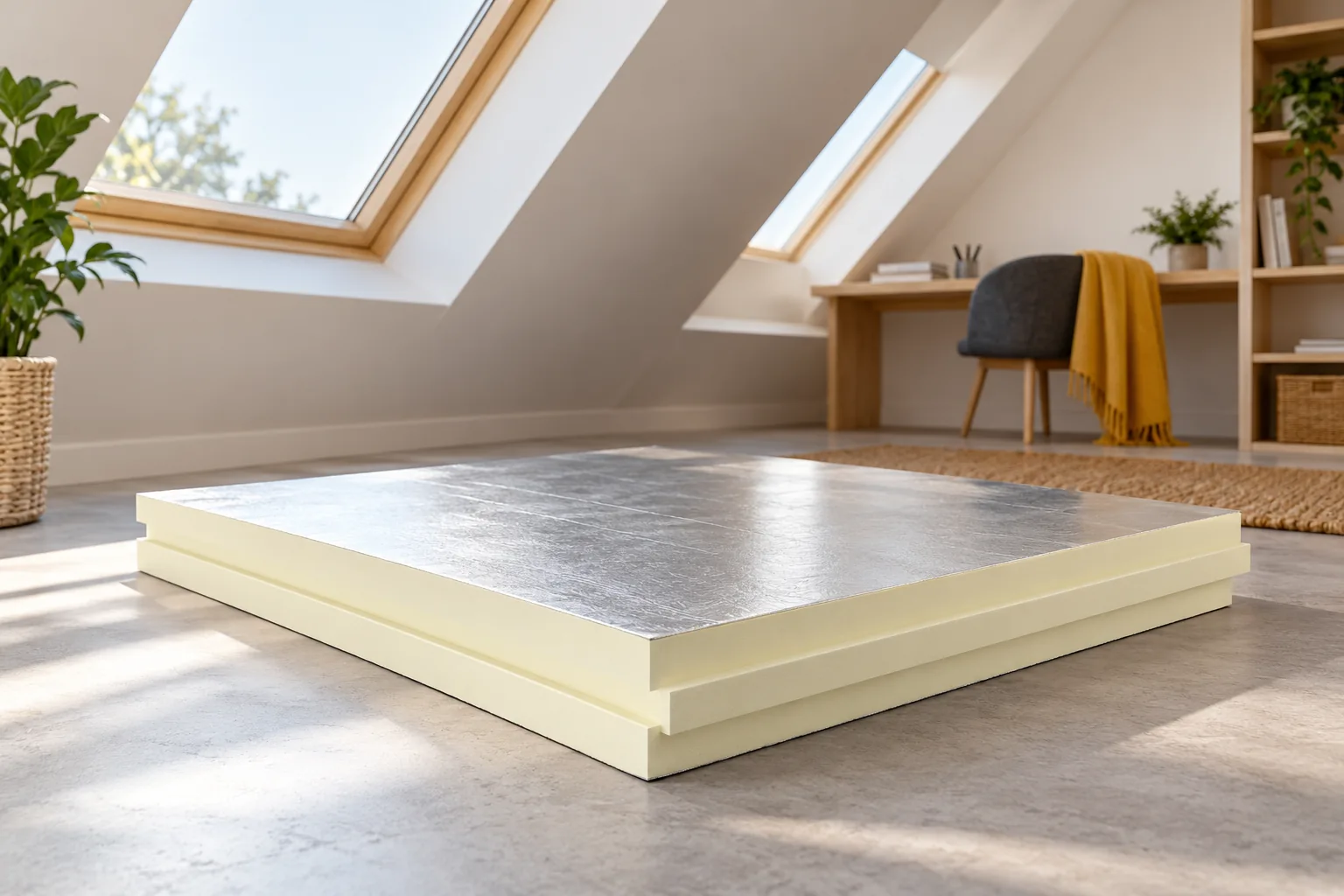
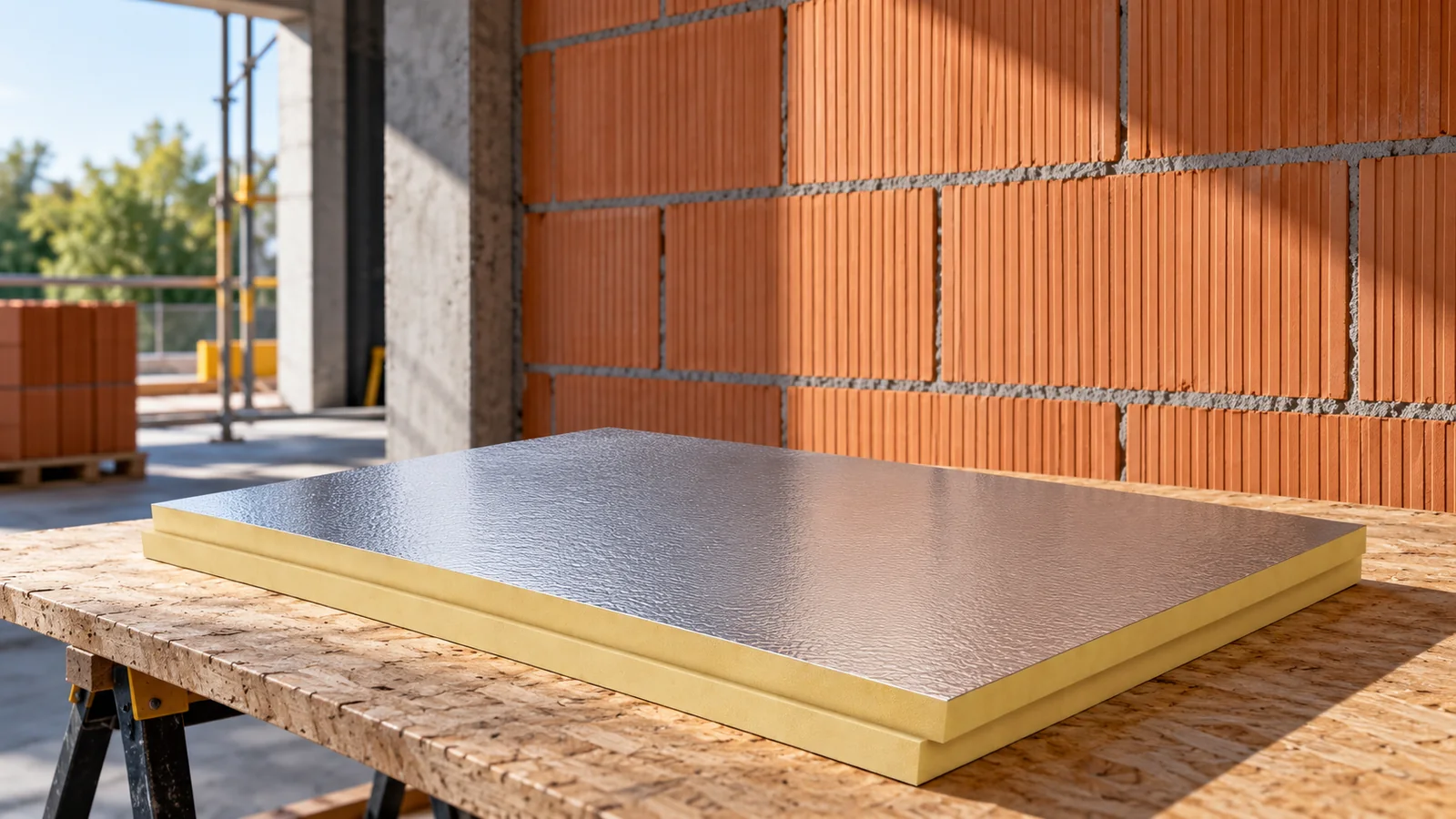
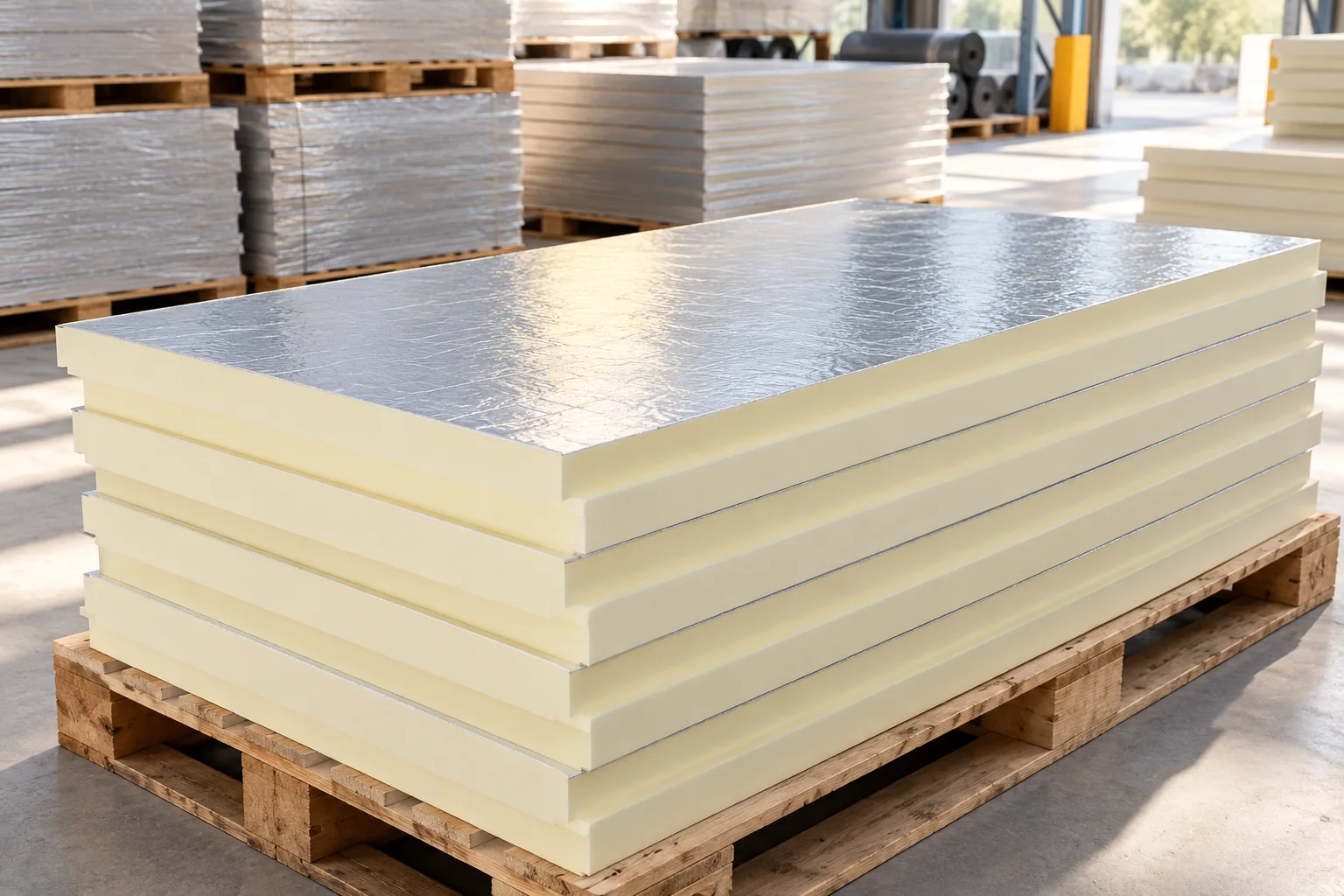
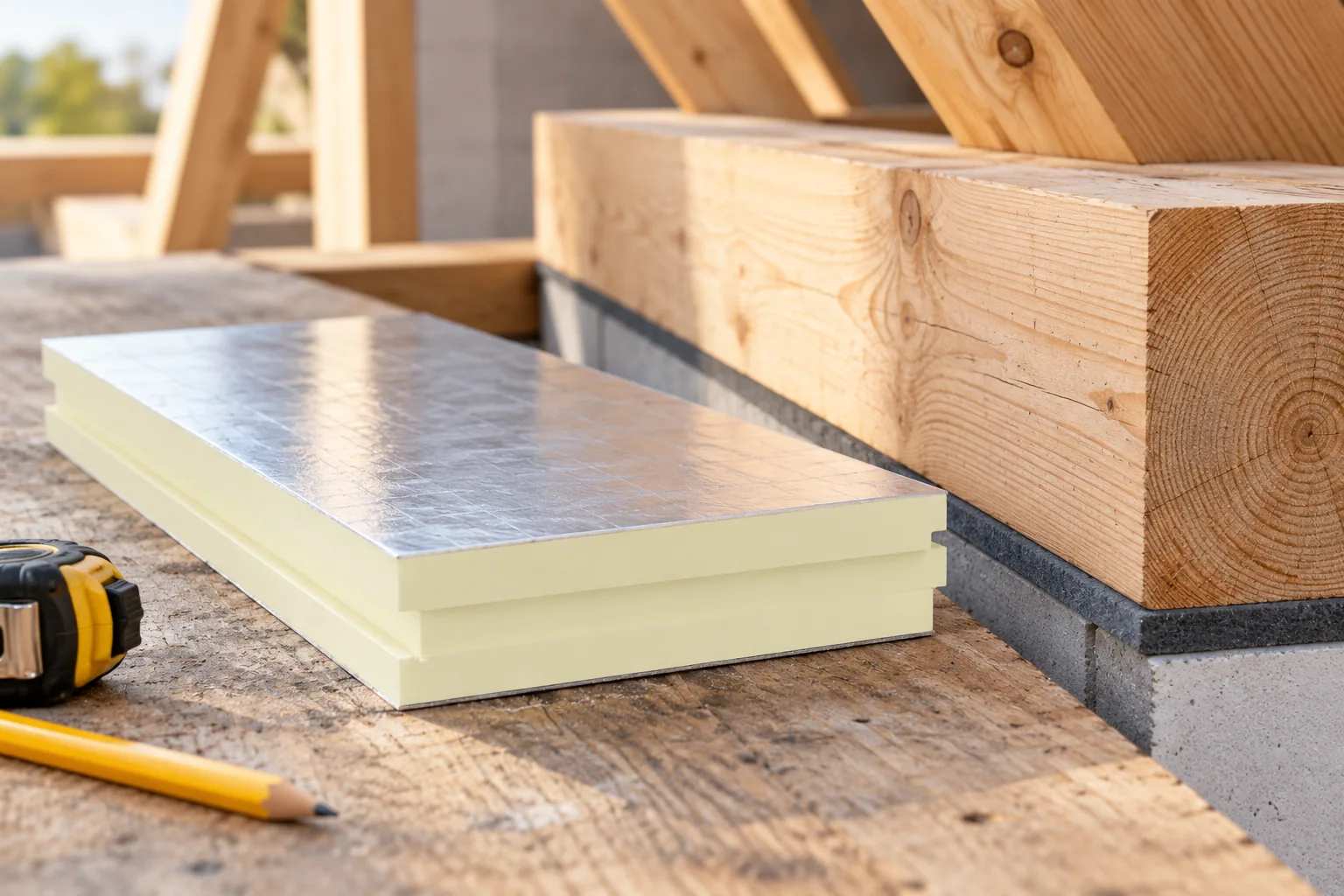
PIR insulation for a ceramic block wall is selected according to the parameters of the entire wall, not just the material name. PIR can reduce the insulation thickness and make it easier to detail around windows or a narrow eaves. However, a board suitable for external walls must be chosen. A standard aluminium facing does not mean that adhesive, mesh and render can be applied directly to the product. Ceramic blocks vary in thickness, void layout and thermal properties. The mortar and the way joints are executed also matter. A wall made of blocks filled with insulation behaves differently from an older wall made of blocks without such filling. Measuring the wall width alone is not enough for an accurate selection.
By |2026-11-14T09:55:38+01:002025-12-20|Building guide|Comments Off on How to choose PIR insulation for a ceramic block wall?

Choosing a flat roof covering and the layers beneath it

A flat roof needs a considered layer build-up, not just a single decision about the covering. The building owner and the trade should check whether the structural base, moisture control, thermal insulation and waterproofing form a coherent system, and whether the roof plan shows outlets and high points. The choice of PIR variant depends on the declared lambda and its compatibility with the membrane, not on the material name alone. The fall and its execution must suit the chosen system, so the drainage plan is developed together with the cross-section.

By |2026-11-14T19:18:42+01:002025-12-15|Building guide|Comments Off on Choosing a flat roof covering and the layers beneath it

Insulating a wall plate where the roof meets the wall

Insulating the wall plate must be considered together with the whole junction where timber, the ring beam, the eaves and the roof layers meet. Above all, check whether the roof-slope insulation actually connects to the wall layer rather than merely sitting next to it on a drawing. The article compares mineral wool and PIR boards, discusses eaves ventilation and the sequence of work on an existing detail. Material choice depends on the available space and the adopted layer arrangement, so the structural decision is left to the designer.

By |2026-11-14T22:52:58+01:002025-11-19|Building guide|Comments Off on Insulating a wall plate where the roof meets the wall

PIR roof panel or EPS-core panel? How to compare the options

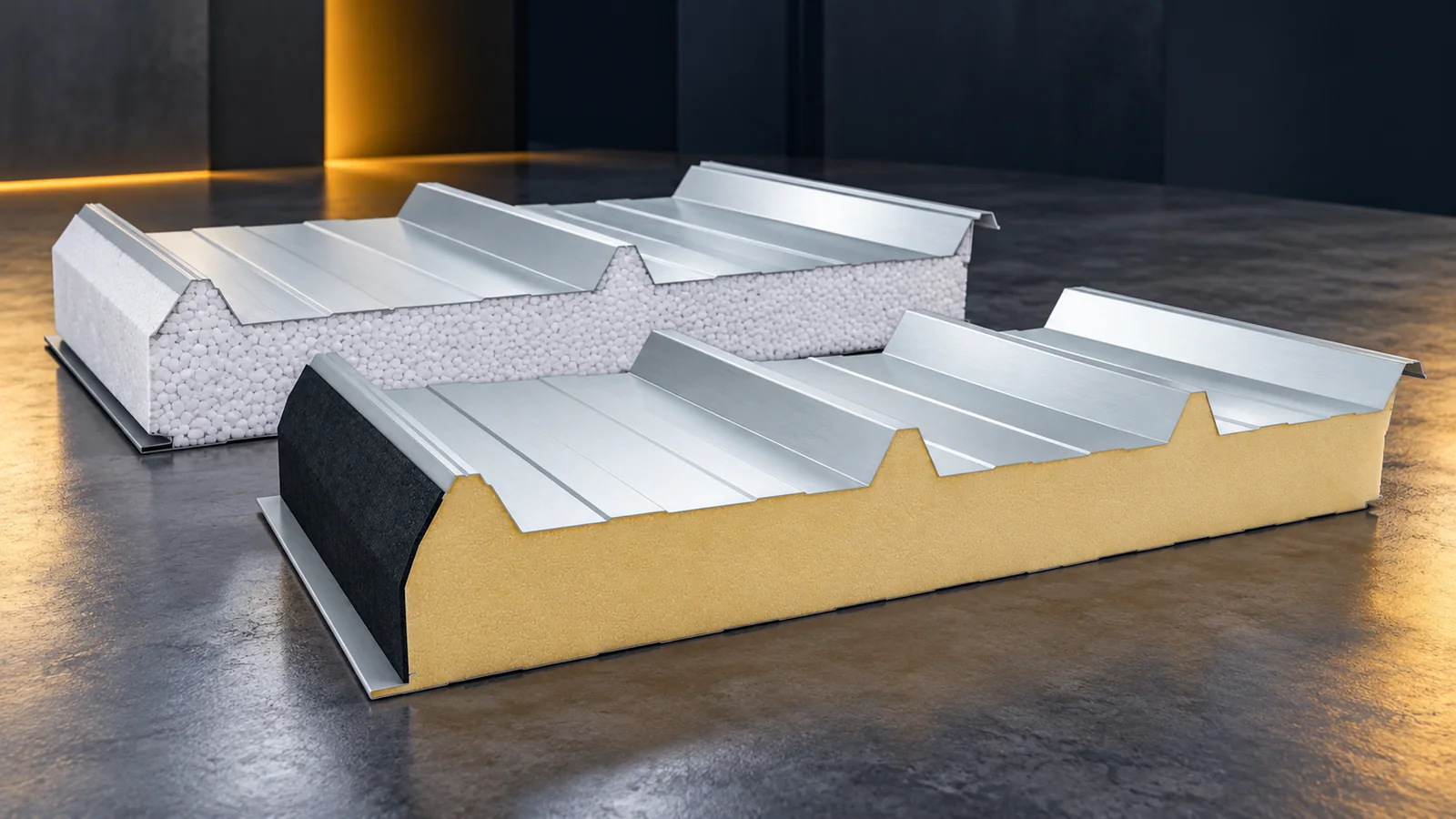
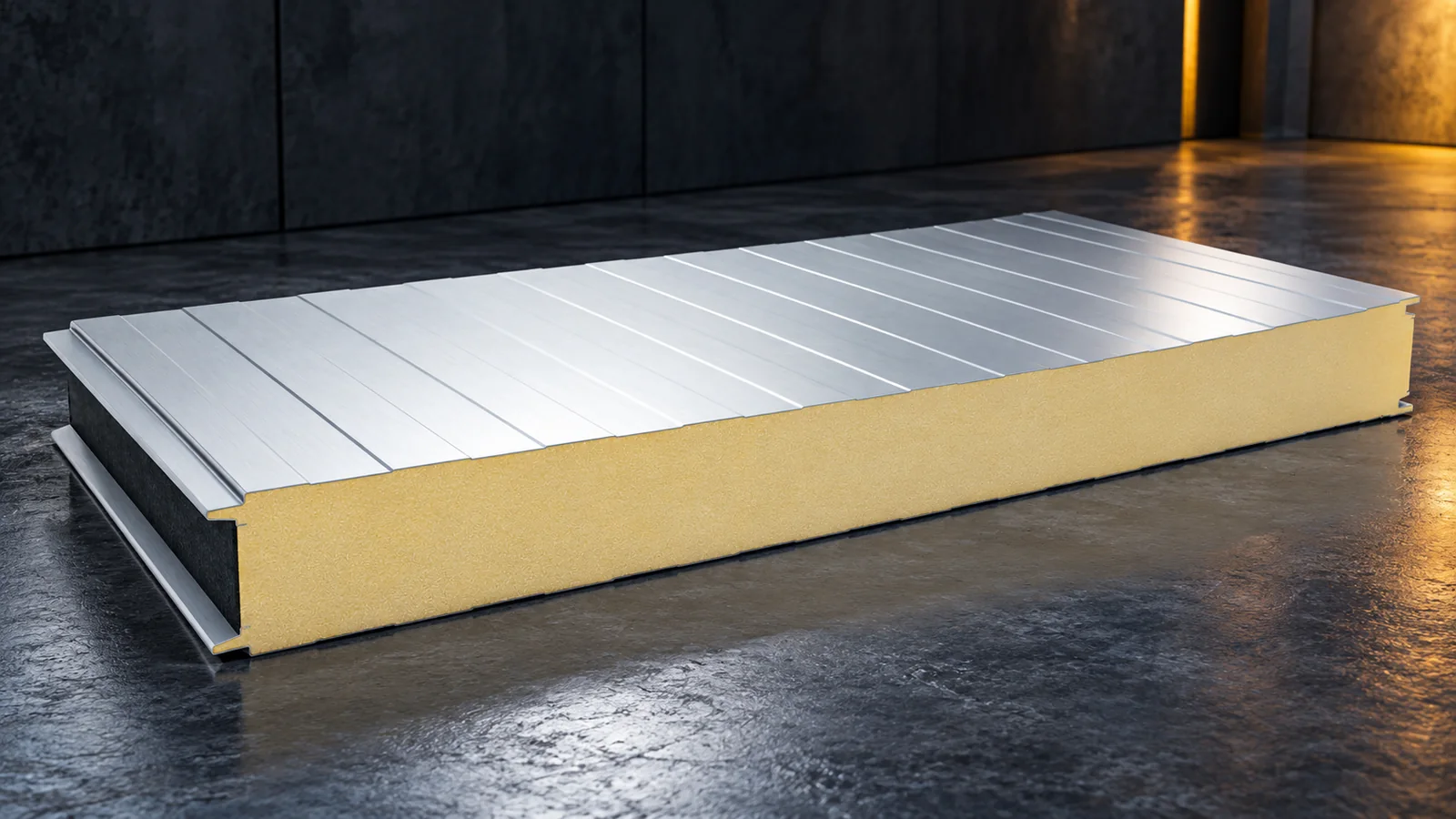
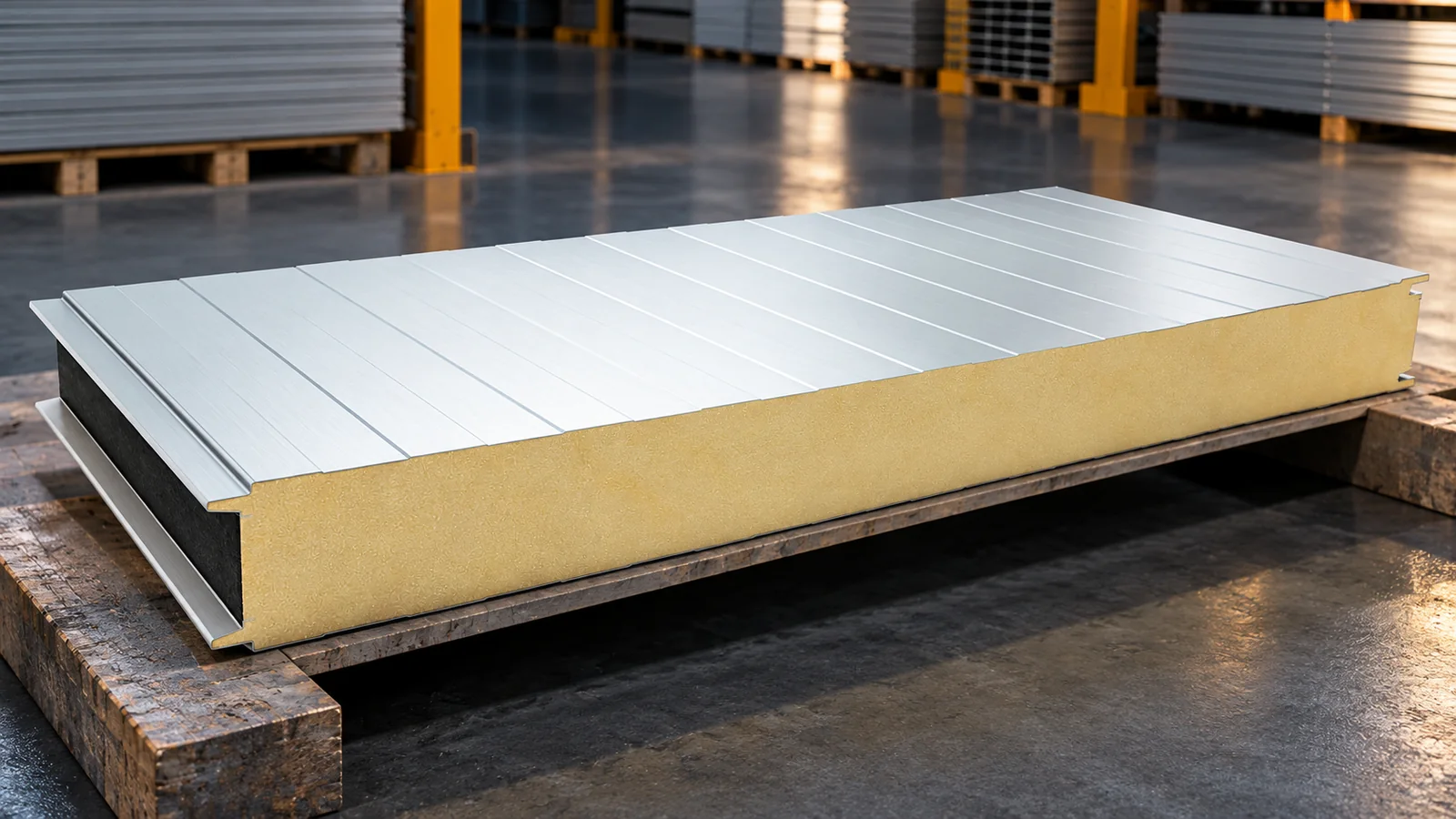
A PIR roof panel usually achieves better thermal insulation at a smaller thickness than a comparable EPS-core panel. The polystyrene variant can be cost-effective and lightweight. However, the choice should be governed by the requirements of the entire roof. U-value, loads, the range of fire classifications, coatings and installation cost must be compared. The same thickness does not mean the same thermal function. An insulated roof panel has metal facings and a bonded core. Its price should not be compared directly with a PIR insulation board alone or a pack of EPS. These materials require other layers to form a roof. In both panel variants, the outer profile and the joints are part of the roofing system.

By |2026-11-14T12:18:14+01:002025-10-24|Building guide|Comments Off on PIR roof panel or EPS-core panel? How to compare the options

Planning a loft room with enough headroom under the eaves

The key decision when arranging a sloped attic concerns how to reconcile limited height with everyday comfort. It is worth checking the room's cross-sections along walking routes and the height after insulation and lining are in place, because the rafter level is not yet the finished interior outline. The article covers the choice of functional layout, the effect of insulation on available space, light and ventilation issues, and the order of works. Rather than generic recommendations, readers will find criteria for judging which solution suits a particular attic.

By |2026-11-14T22:52:08+01:002025-06-23|Building guide|Comments Off on Planning a loft room with enough headroom under the eaves

PIR, EPS, XPS or mineral wool? When thin insulation delivers the greatest benefit

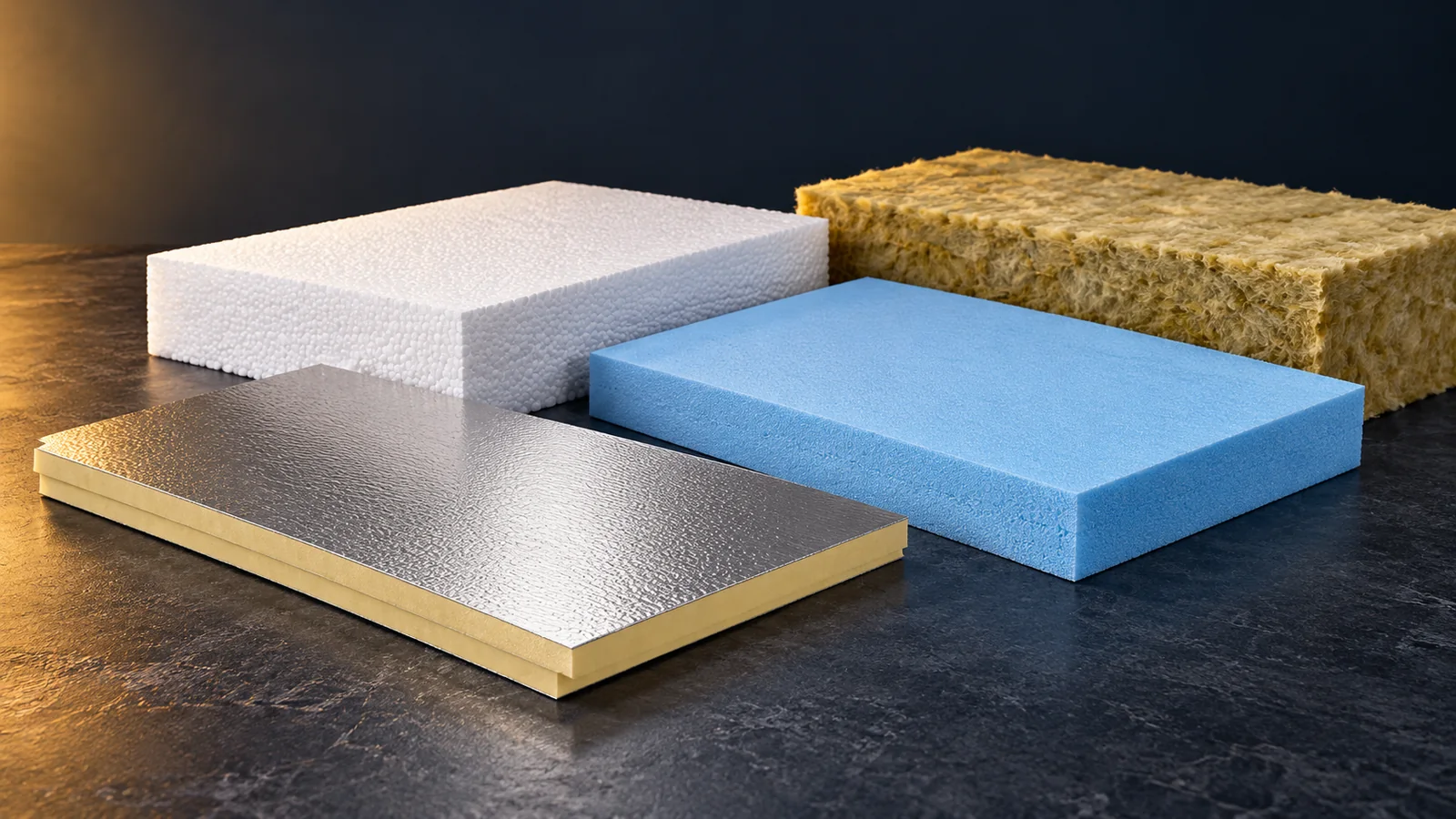
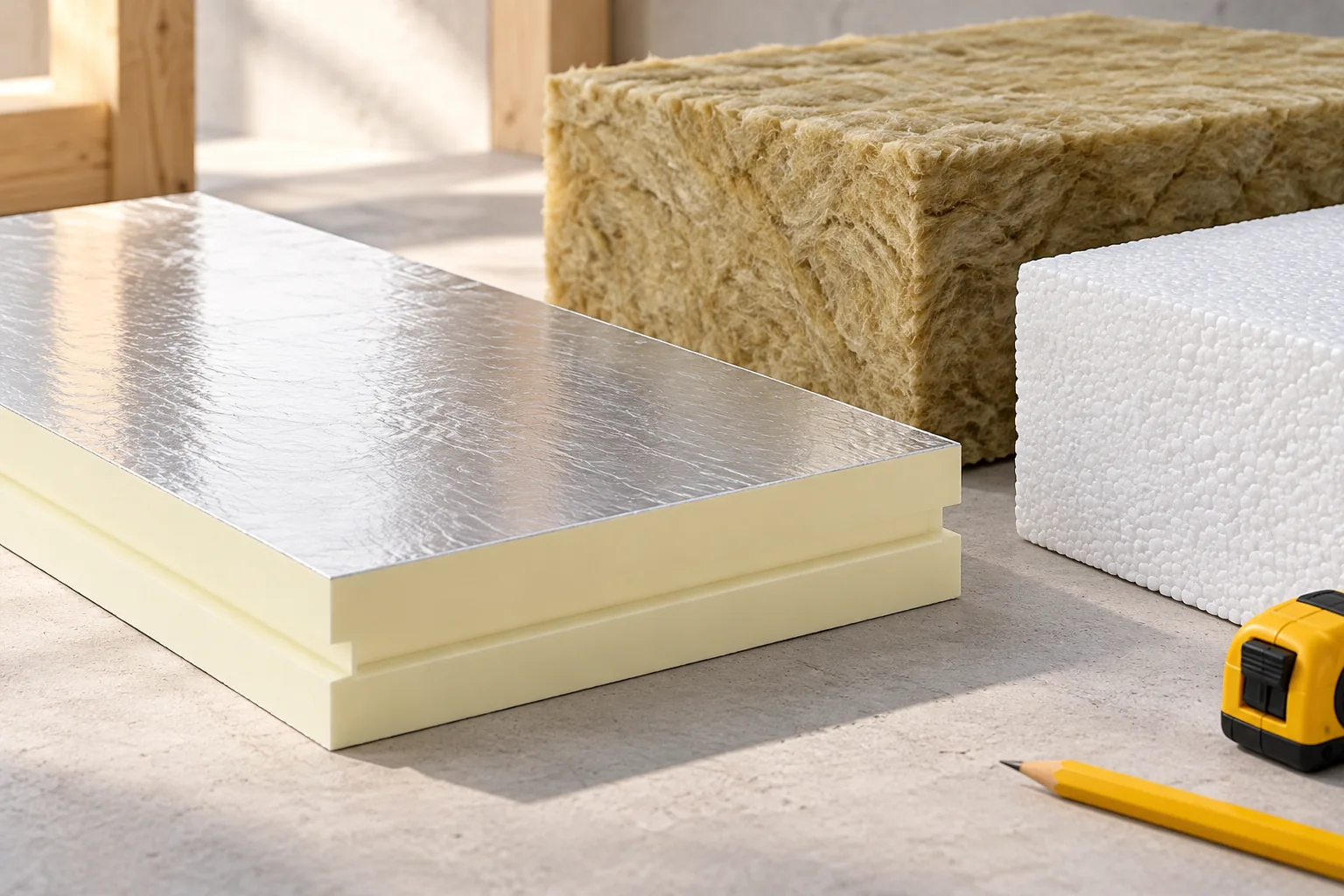
PIR has a clear advantage where high thermal resistance is needed at low thickness. This does not mean it is superior in every application. EPS can be cost-effective, XPS under specific moisture and pressure conditions, and mineral wool where fire or acoustic requirements apply. A good choice follows from the installation location and the properties of the specific product. Lambda alone does not describe the whole insulation. A low terrace threshold, a short eaves overhang or a small room can limit insulation thickness. In such places PIR achieves greater resistance than many materials of the same thickness. For example, a 100 mm layer at a lambda of 0.022 W/(m·K) has a resistance of approximately 4.55 m²K/W.

By |2026-11-14T12:15:48+01:002025-04-20|Building guide|Comments Off on PIR, EPS, XPS or mineral wool? When thin insulation delivers the greatest benefit

PIR or XPS for a flat roof? How to choose insulation for the layer build-up

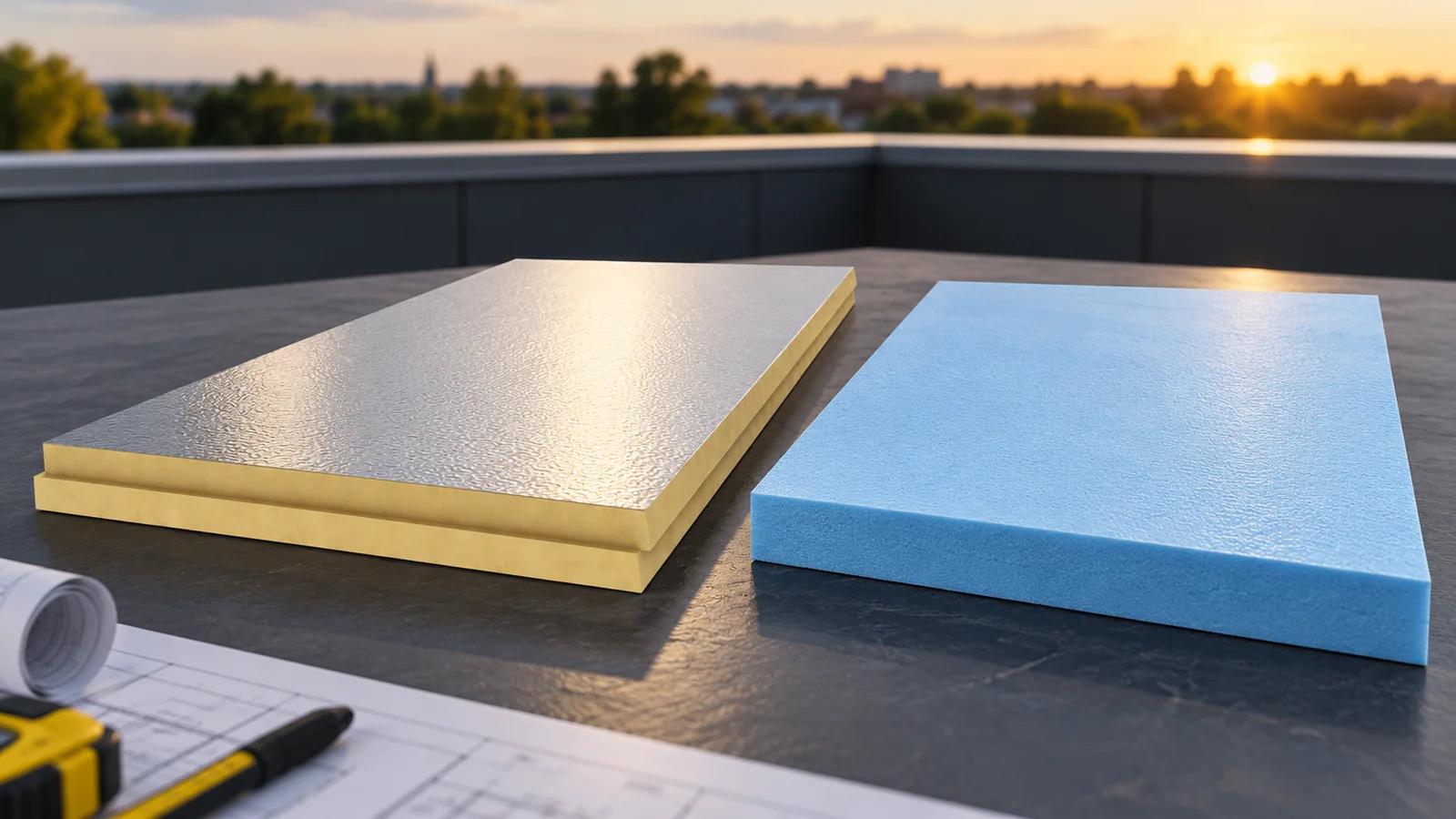
PIR and XPS can be used on flat roofs, but they do not perform the same role in every build-up. PIR allows the layer thickness to be reduced. XPS can be advantageous where the insulation is exposed to water and high loads. First, the sequence of layers and the way the roof is used must be established. Only then should a specific board, its parameters and its cost be compared. In a traditional roof, the thermal insulation is located beneath the waterproofing layer. In such a build-up, PIR can be installed on a suitably prepared substrate together with the specified vapour control. Above it, waterproofing matched to the entire system is applied.

By |2026-11-14T09:56:16+01:002025-02-01|Building guide|Comments Off on PIR or XPS for a flat roof? How to choose insulation for the layer build-up

What does the Polish term ‘płyta obornicka’ mean, and where are these panels used?

The name “płyta obornicka” is a colloquial term for a sandwich panel, so when choosing one you should first check the full product specification rather than the name alone. The order should state the building’s function, panel type, core type, thickness, required parameters, facings, coatings, colour, module and lengths, and include the layout of supports and openings. The name alone does not indicate the core type, thickness or whether the panel is for a wall or roof, so comparing offers requires reference to the data sheet and instructions for the specific product.

By |2026-11-14T16:06:31+01:002025-01-23|Building guide|Comments Off on What does the Polish term ‘płyta obornicka’ mean, and where are these panels used?

What determines the right insulation material for a roof?

The choice of roof insulation material depends above all on where the heated boundary runs and on the ventilation plan, not on the product name alone. Check which building elements separate the interior from the outside, then compare lambda, thermal resistance and the U-value for the whole assembly. It is also worth establishing whether limited thickness, moisture protection or continuity of insulation is the key issue. Only on that basis should you consider PIR, mineral wool, EPS or XPS, bearing in mind that the overall effect depends on the complete layer build-up and careful joints.

By |2026-11-15T03:01:36+01:002024-12-05|Building guide|Comments Off on What determines the right insulation material for a roof?

When are second-quality white 100 mm PIR wall panels suitable?

A white PIR insulated wall panel 100 mm thick can be a practical material for building cladding. In second grade, however, you need to check more than colour and price. The most important things are the condition of the joints, the reason for the downgrade and the batch documentation. A specified stock length is an advantage only if it fits the wall cutting plan. The complete set of parameters matters. One hundred millimetres describes the nominal panel thickness. It does not on its own determine load-bearing capacity, fire classification or the thermal performance of the finished wall. In one documented system, a wall PIR panel of this thickness has Uc 0.22 W/(m²·K). That is a parameter of a specific product. It must not be attributed to an unknown panel just because it looks similar.

By |2026-11-14T12:15:54+01:002024-08-13|Building guide|Comments Off on When are second-quality white 100 mm PIR wall panels suitable?
Back to top