Assessing stains on coated chimney flashings

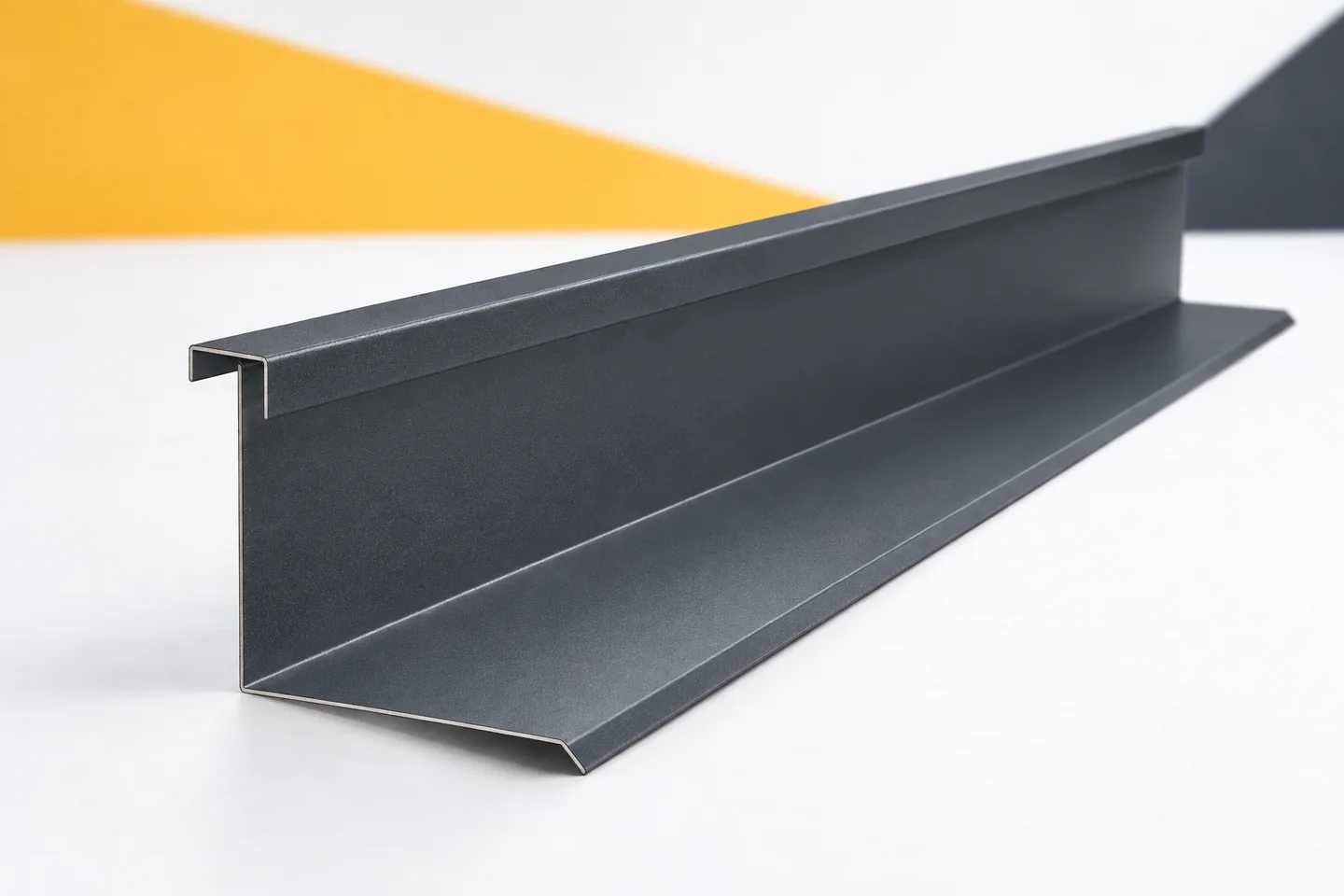
A dark mark on a chimney flashing does not yet tell you what is happening to the sheet metal. It may be a deposit, soiling left after works, or a sign of surface damage. Before cleaning, it is worth identifying the source of the change. Chimney flashings work in a complex environment, so an arbitrary chemical agent is often a poor choice. The assessment must be combined with checking the joints and the path of water around the roof penetration. Check where the soiling appears and whether it recurs after cleaning. Its location can help distinguish run-off from the chimney surface from contamination left on the roof. However, final conclusions should not be drawn from the colour of the stain alone. An inspection of the location is needed.

By |2026-11-15T03:03:36+01:002023-01-19|Building guide|Comments Off on Assessing stains on coated chimney flashings

Choosing a new covering after an asbestos cement roof is removed

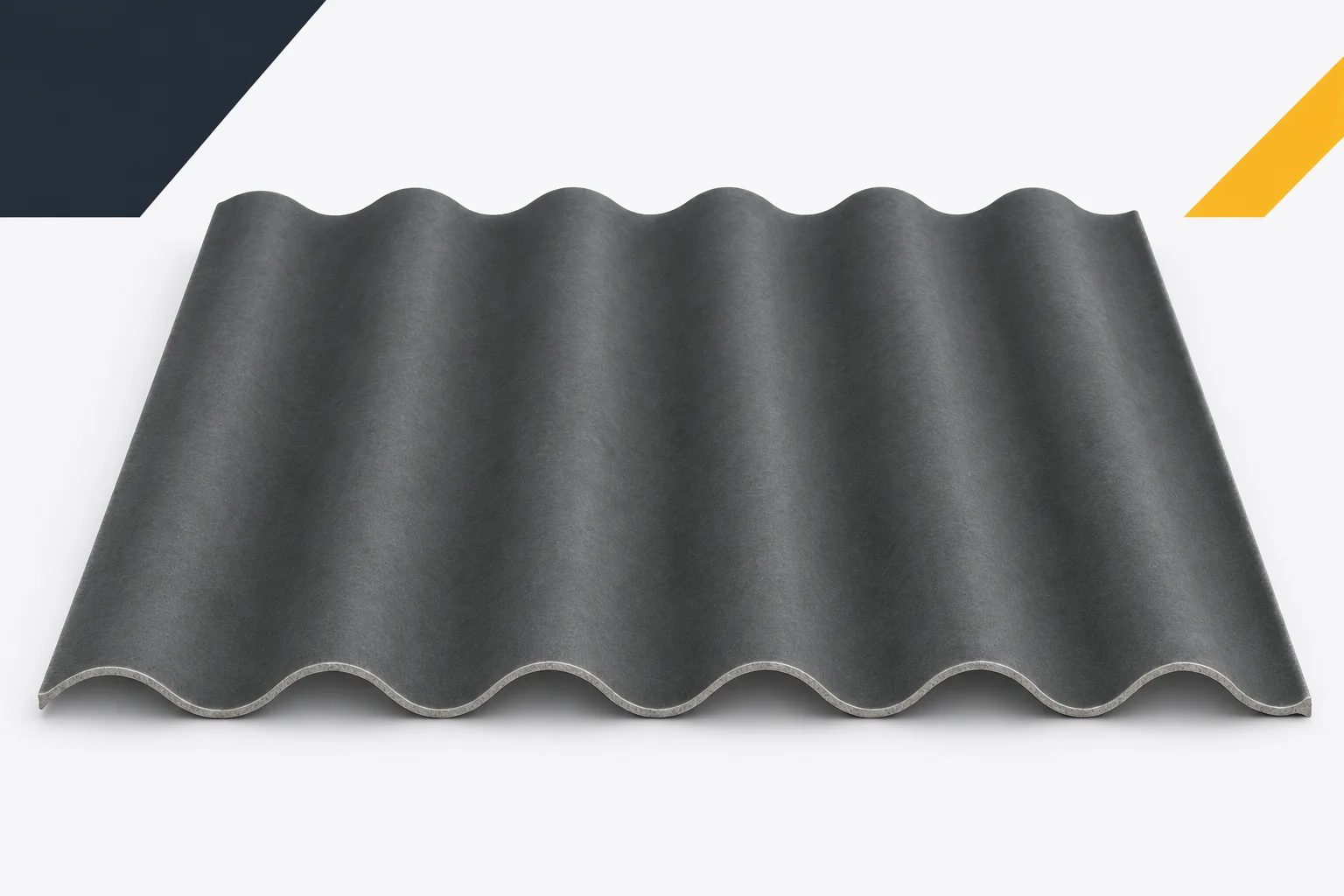
First establish whether the old sheets contain asbestos and plan their safe removal — only then choose the covering. The key variable is the condition of the roof structure, not just the weight or price of the new material. Check rafters, purlins, wall plates and connections, especially near chimneys and former leaks; do not judge the load-bearing capacity of the timber from a photograph. The colloquial term “eternit” is used for various sheets, so determine the covering’s composition from documentation and expert assessment. Before setting a date, ask your municipality about collection rules and possible support. Only after these steps should you compare trapezoidal sheet with modular metal tile.

By |2026-11-14T19:20:32+01:002023-01-11|Building guide|Comments Off on Choosing a new covering after an asbestos cement roof is removed

Finding thermal bridges in buildings with corrugated fibre cement roofs

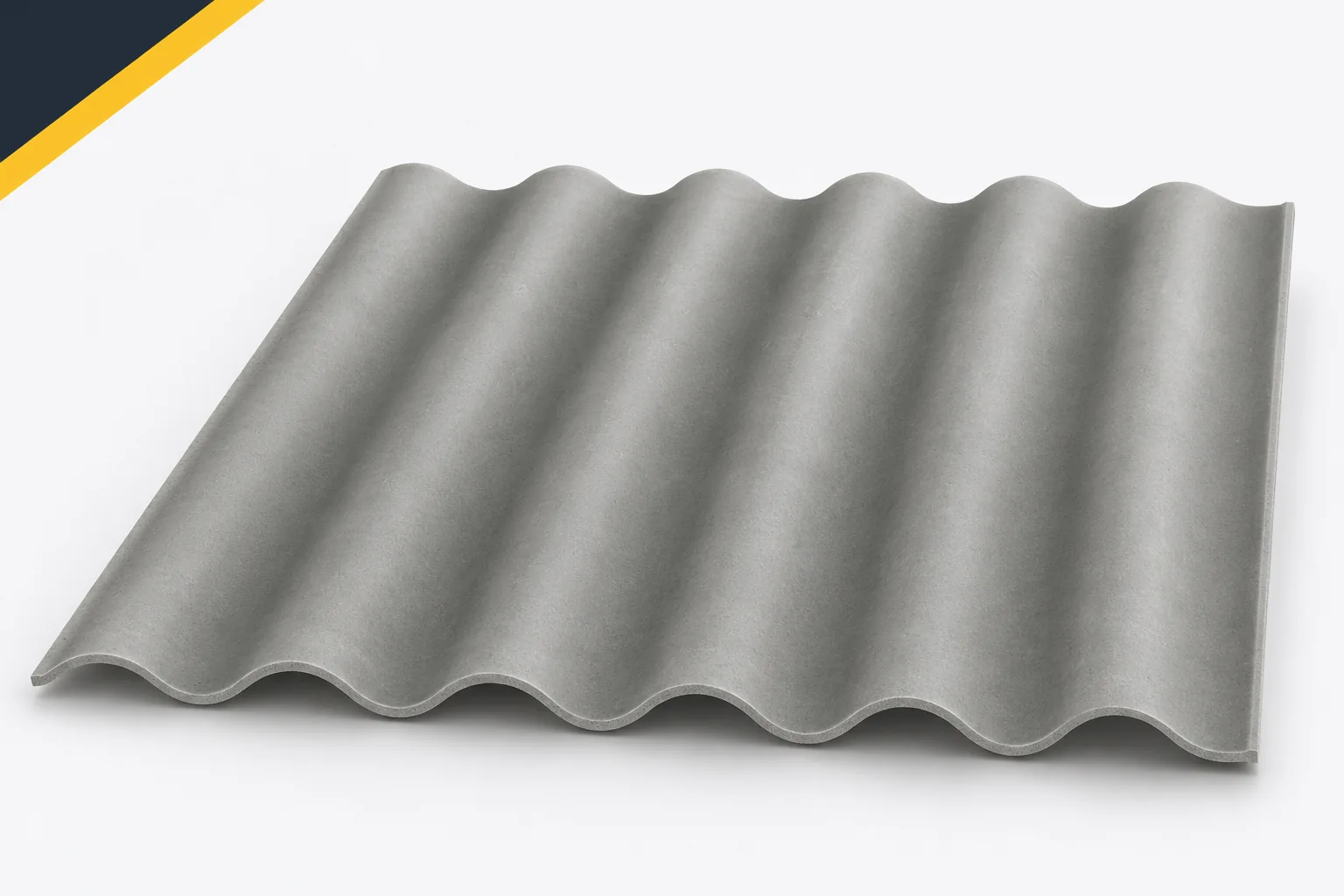
Even a thick layer of insulation may not provide uniform protection if heat finds an easier path through the junctions. Thermal bridges often occur in places that are not visible once the work is finished. Fibre cement sheets are the outer part of the roof and do not automatically resolve these details. Asbestos-free fibre cement must be considered together with the structure and the insulation. It is precisely at their interface that the causes of cold strips or local dampness should be sought. A cold spot may result from easier heat flow through the material, but also from air leakage. The symptoms may be similar, but the repairs are different. A structural thermal bridge will not disappear by simply taping the membrane.

By |2026-11-15T17:56:39+01:002022-09-14|Building guide|Comments Off on Finding thermal bridges in buildings with corrugated fibre cement roofs

Vapour control layers beneath fibre cement roofing: when are they needed?

The need for a vapour control layer is not decided by the name of the covering alone. Temperature, indoor humidity and the layer build-up of the roof are more important. Fibre cement sheets can cover both an open canopy and a heated attic. In each case, water vapour behaves differently. Asbestos-free fibre cement does not replace a layer that controls its flow. The choice of such a solution must be linked to airtightness and the ability of the assembly to dry out. Simplified guidance usually refers to vapour diffusion through materials. In a real building, the flow of moist air through gaps is also significant. A leaky joint at a wall or duct can supply moisture to cool layers.

By |2026-11-15T17:56:34+01:002021-12-14|Building guide|Comments Off on Vapour control layers beneath fibre cement roofing: when are they needed?

Choosing an underlay membrane for a corrugated fibre cement roof

A roof membrane is not selected solely on the basis of the type of external sheet. You need to know what it is to protect against and where any water will be drained away. Fibre cement sheets are the main covering, while the underlay can perform an additional function in a specific assembly. Asbestos-free fibre cement does not impose a single membrane for every building. The choice is determined by the structure, insulation, ventilation and the requirements in the documentation for the materials used. The membrane can help protect the layers below against water penetrating under the covering. Its scope of action results from the properties of the product and the method of installation. It is not automatically a substitute roof for any length of time.

By |2026-11-15T17:56:36+01:002021-01-10|Building guide|Comments Off on Choosing an underlay membrane for a corrugated fibre cement roof
Back to top