When are second-quality white 100 mm PIR wall panels suitable?
Sandwich panels
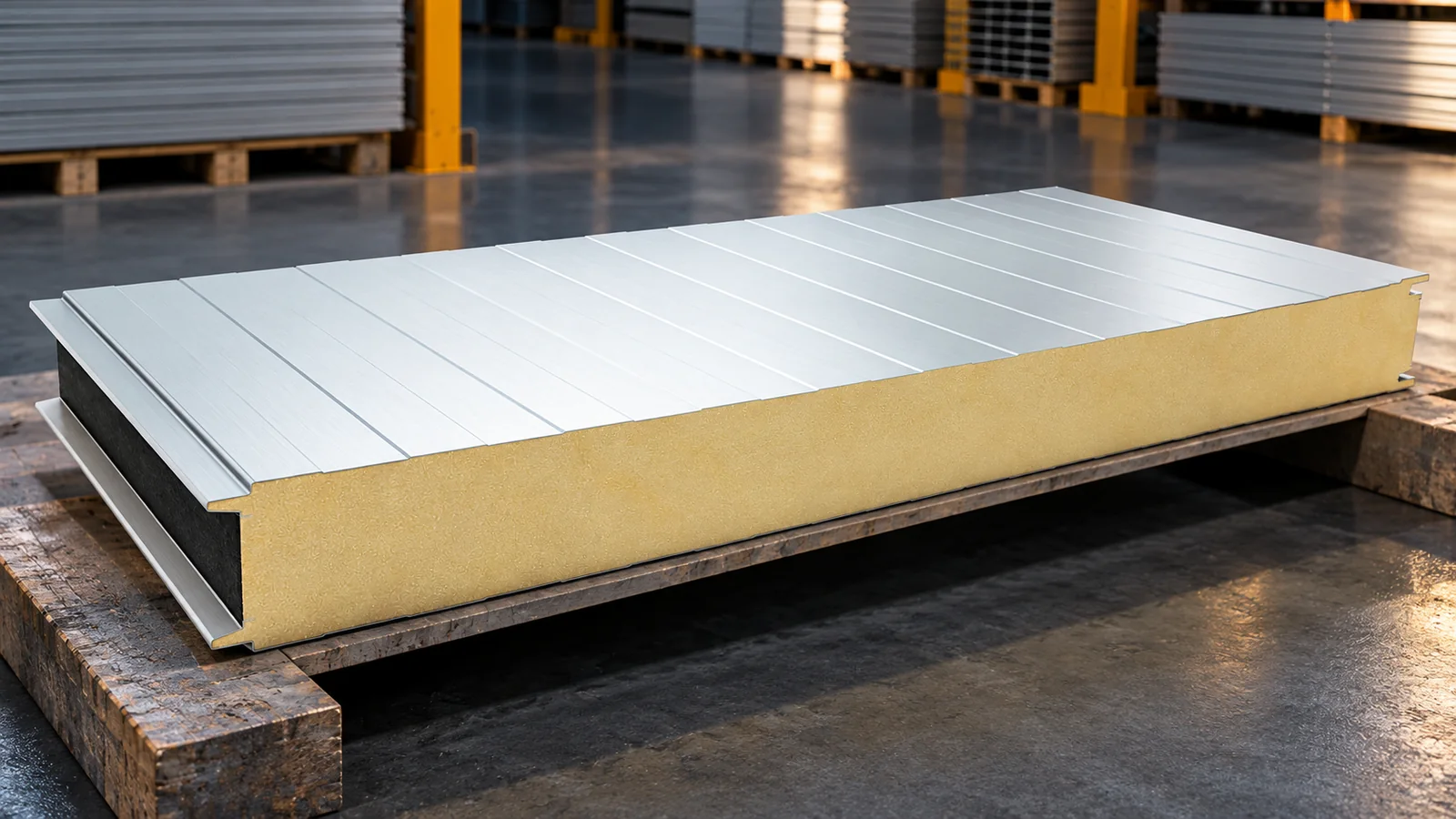
A white PIR insulated wall panel 100 mm thick can be a practical material for building cladding. In second grade, however, you need to check more than colour and price. The most important things are the condition of the joints, the reason for the downgrade and the batch documentation. A specified stock length is an advantage only if it fits the wall cutting plan. The complete set of parameters matters. One hundred millimetres describes the nominal panel thickness. It does not on its own determine load-bearing capacity, fire classification or the thermal performance of the finished wall. In one documented system, a wall PIR panel of this thickness has Uc 0.22 W/(m²·K). That is a parameter of a specific product. It must not be attributed to an unknown panel just because it looks similar.
What does the 100 mm thickness tell you, and what does it not determine?
One hundred millimetres describes the nominal thickness of the panel. It does not on its own determine the load-bearing capacity, fire classification or thermal insulation of the finished wall. In one documented system, a PIR wall panel of this thickness has a Uc of 0.22 W/(m²·K). This is a parameter of a specific product. It must not be attributed to an unknown panel merely because it looks similar.
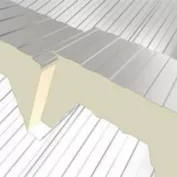
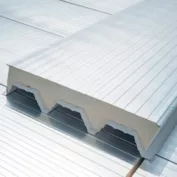
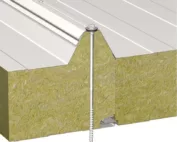
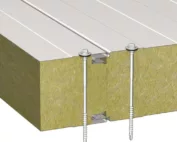
Data on the facings, the joint and the permissible installation are also needed. A panel with a visible fastener may have different requirements from a variant with concealed fixing. If you are planning a heated building, compare the properties of the batch with the design requirement. The entire building envelope is assessed, together with the connections, openings and thermal bridges at the structure.
Why is white colour not enough to assess the coating?
The white surface may be produced in various coating systems. Moisture and cleaning agent resistance is not determined by the shade alone. Ask what the external and internal coating is and where the given panel may be used. This is important especially in wet rooms, agricultural and process environments. An ordinary facing does not become a specialist one simply because of a light colour.
For a larger façade, view samples side by side. Different batches may reflect light differently despite a similar colour designation. The profiling and the laying direction also matter. If the wall is to be representative, establish the acceptable appearance before purchase. Assess the material in daylight, not only in a phone photograph.
What defects can occur in second grade?
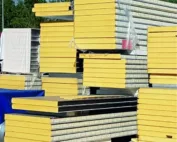
The reason for a downgrade may be a visual defect, a non-standard dimension or damage. These situations require a different assessment. A minor scratch may not matter in a given application, but a breach of the anti-corrosion protection requires clarification. A crushed joint, detached sheet metal or damaged core may affect the performance and tightness of the panel.
Do not assume that all panels in the pack have the same problem. Ask for a description of each group of defects and representative photographs. Establish whether the seller permits inspection before loading. Also confirm the scope of documents and warranty. The catalogue parameters of first grade do not automatically transfer to material whose identification or condition is uncertain.

Does the stock length fit your wall?
Suppose the available panel is 2.48 m long. This does not mean that you can build every 2.48 m high wall from it. The type of support, the plinth, the flashings and the top closure must be taken into account. The final dimension results from the detail. In a horizontal layout, the distance between supports and the possibility of correctly fixing the ends are what matter.
Calculate coverage by width. If a given panel has a module of 1.00 m, ten full modules give 10 m of cladding. With a module of 1.13 m, the number of pieces for the same wall will be different. Do not mix dimensions from different data sheets. Panels with a similar overall width may have different joints. The piece layout must be prepared for the batch actually being purchased.
How do you calculate whether the purchase pays off?
Compare the package price with the surface area you will actually use. Add cutting, edge protection, flashings and transport. If short panels force additional joints, allow for the structure beneath them. A cheap panel may require more details than material ordered at the right length. These costs should be known before purchase.
Do not price the necessary repairs on the basis of a photo alone. Determine which damage can be accepted and which rules out use. In a building requiring a specific fire resistance, the absence of proof of conformity may close the door to using the batch. A discount does not solve this problem. The saving only makes sense once the suitability of the material has been confirmed.
What should be checked on delivery and before installation?
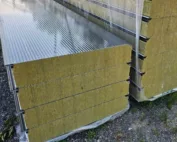
Compare the number of pieces, lengths and markings with the order. Inspect the corners and the places where straps or forks may have pressed on the package. Document any discrepancies before installing the panels. Store them on suitable supports, protected from water and with drainage. Do not leave a wet package tightly closed.
Before work, confirm the fixing and sealing method for the chosen joint. Remove the film in accordance with the instructions for the specific batch. Do not use it as long-term protection for the façade. A white 100 mm second-grade panel can be a good purchase, but it requires conscious qualification. What counts is suitability for the task, not the assurance that “everything will be fine” once it is screwed on.
7 branches. Materials closer to your project.