How do you choose insulated panels for cold rooms and freezers?
Sandwich panels
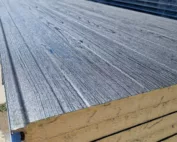
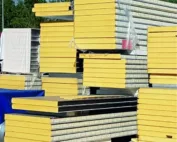
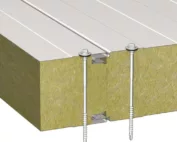
Insulated panels for cold rooms and freezers are selected according to the operating temperature, the ambient conditions and the overall heat balance. Choosing a large thickness alone will not ensure a tight chamber. The joints, seals, doors, floor and service penetrations all matter. PIR is useful thanks to its good insulation performance at a small thickness. However, a solution intended for refrigerated conditions must be used. An insulated panel consists of metal facings and a bonded core. In the refrigerated variant, the edge connection is particularly important. Suitable joint geometry and the specified seal limit the flow of air and vapour. This is not merely a thicker version of any façade panel.
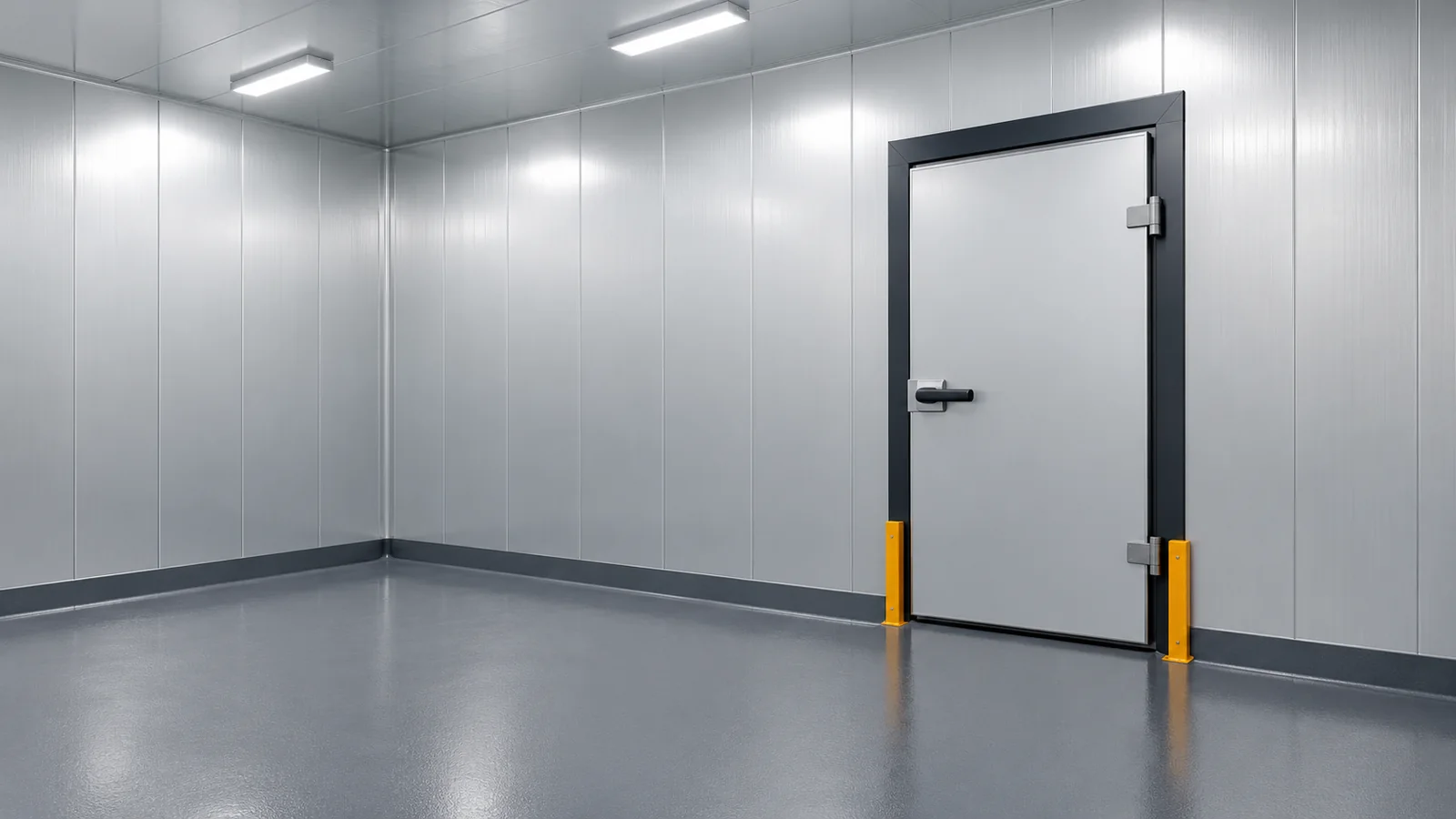
How does a cold-room panel differ from an ordinary wall panel?
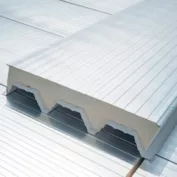
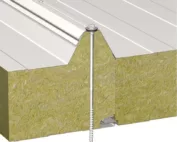
An insulated panel consists of metal facings and a bonded core. In the cold-storage variant, the edge joint is particularly important. Suitable lock geometry and the specified sealing restrict the flow of air and vapour. This is not merely a thicker version of any façade panel.
When purchasing, check the temperature range and the application stated in the documentation. The use of panels on the ceiling requires separate assessment. Supports and the method of load transfer must be taken into account. It must not be assumed that a wall panel is automatically suitable as a walkable surface above the chamber. Service access and equipment require their own solution.
How do you determine the required thickness?
Start with the internal temperature and the conditions on the other side of the building envelope. A chamber in a heated hall performs differently from an enclosure exposed to external conditions. The required level of insulation is then determined and a specific panel with the appropriate U-value is selected.
Thickness should not be selected from a single ‘cold room or freezer’ table without the other data. The balance is also affected by doors, their opening, the goods and the operation of equipment. Thickening the walls will not eliminate large heat gains through an open entrance. It is worth calculating variants together with operating costs. The panel parameter given in the data sheet must be considered in the context of the entire chamber.
The frequency of goods receipt is also important. A chamber opened occasionally has different heat gains from an intensively operated warehouse. In the design, losses through the building envelope must be separated from heat introduced with products and air. Only then can it be assessed whether additional panel thickness provides a significant benefit. Insulation should not be held responsible for a problem arising from work organisation or poorly selected doors.
Why is the tightness of the connections so important?
Air passing through leaky joints can carry moisture. In cold places this promotes condensation or icing. The edge labyrinth alone does not replace the sealing materials specified in the instructions. Their type, position and continuity are important.
Check the corners, the connection to the floor and ceiling, and the door perimeter. Pipes, cables and other penetrations require particular attention. They should not be cut out and filled with random foam without a detail. The vapour-retarding layer must be continuous in the designed arrangement. In a cold chamber, the direction of moisture loads differs from that of a typical heated room in winter.

How do you choose the floor and doors?
The floor should account for temperature, loads and contact with the substrate. Trolley traffic and racking pressure must not be transferred to arbitrary insulation without a load-distributing layer. In a freezer, the risk of ground freezing must also be assessed and a solution appropriate to the structure provided for.
Doors are selected as a component of the system. Gaskets, the threshold, the way it is used and any anti-icing solutions all matter. Not every panel enclosure should be treated as a ready-made standalone cold room for outdoor installation. Some assemblies are intended for installation inside a hall. The foundation and exposure conditions must be confirmed for the chosen solution.
Which surface finishes will perform well during washing?
The coating is selected for the environment on both sides of the panel. In the food industry, the frequency of washing, cleaning agents and hygiene requirements may be important. White colour alone does not confirm chemical resistance. Likewise, a PIR core does not give the facing any arbitrary corrosion resistance.
Before purchase, describe the cleaning method and operating conditions. Select compatible seals and flashings. Areas where water and dirt accumulate must be limited by the correct detail. After installation, swarf must be removed and the intended edges protected. Minor coating damage is easier to repair before the cold room is commissioned than during normal plant operation.
What should the acceptance inspection of the chamber cover?
The inspection covers the conformity of the panels with the order, the condition of the locks and the continuity of the seals. Doors, connections to the floor and all service penetrations are also checked. It is worth documenting before covering hard-to-reach places. The refrigeration system should be commissioned according to an established procedure.
When comparing quotes, compare the entire scope. It includes panels, flashings, seals, doors, floor, structure and installation. The price difference of the panel alone may be less important than the quality of the details. In a well-designed cold room, the insulation thickness works together with a tight enclosure and correct operation. None of these elements replaces the others.
7 branches. Materials closer to your project.