What do you need to know before buying insulated wall panels with a mineral wool core?
Insulated wall panels
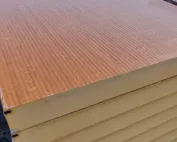
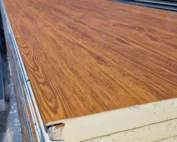
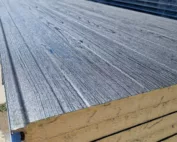
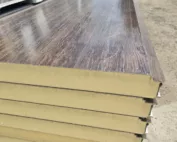
It is worth preparing the purchase of insulated wall panels with a mineral wool core as a complete cladding order. You need to establish the parameters, dimensions and details, then plan delivery and installation. The wall area alone is not enough to place an order. The panels must fit the structure, openings and fire requirements. A well-prepared material list reduces waste and the risk that a small but essential item will be missing on site. Insulated wall panels have metal facings and a bonded insulating core. They form finished cladding surfaces once fixed to the designed structure. Variants with a mineral wool core are used, among other things, where fire requirements are important. However, they are not a material with one common specification.
What task should the panels fulfil?
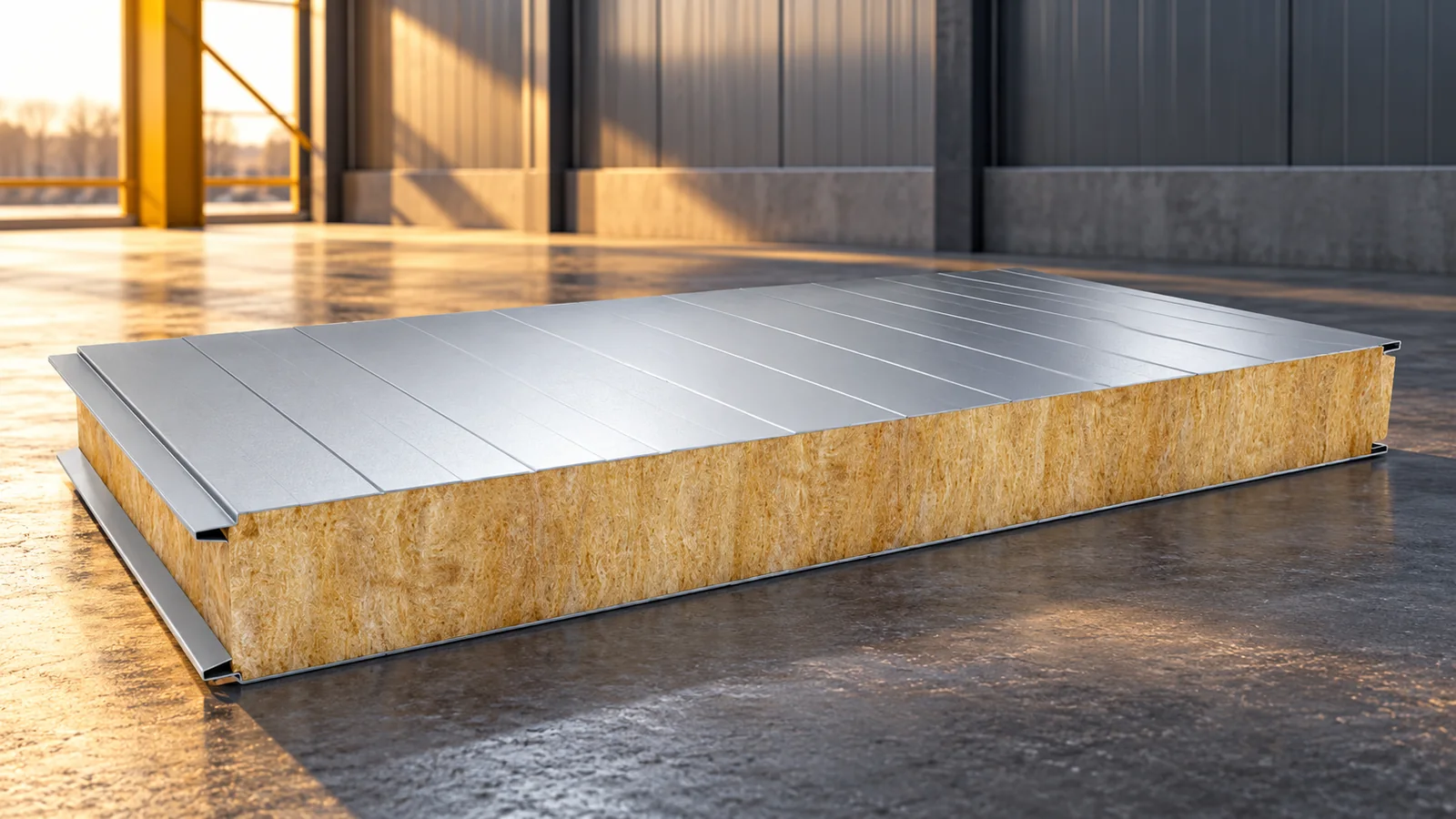
Insulated wall panels have metal facings and a composite insulating core. They form finished cladding surfaces once fixed to the designed structure. Mineral wool variants are used, among other things, where fire requirements are important. However, they are not a material with a single common specification. They differ in core, steel sheet and joint.
First, record the wall function, the temperature inside the building and the humidity conditions. Determine the required U-value, fire classification and loads. Add acoustic requirements and surface resistance to the way it will be used. Once these data are defined, it is easier to compare offers. Without them, the choice comes down to thickness and price, which do not show the whole solution.
How should the measurement and layout of elements be prepared?
Collect the actual dimensions of the façade and supports. Mark gates, windows, doors and installations passing through the wall. Check floor and plinth levels. Then choose a vertical or horizontal layout. The division should take into account the panel module, support locations and aesthetics. Not every offcut remainder can be used elsewhere.
The order should specify the number of pieces in each length. The area results from this schedule, not as its only component. Remember the cover width, which may differ from the total width. Before approval, it is worth checking the layout with the installer. Changing the length after production means cut-offs, extra work and sometimes a problem with the end detail.
What should be included in the specification?
Specify the core type, panel thickness, both facings, coatings and colours. List the parameters required by the design and the type of fixing. Check whether the permissible length corresponds to the selected colour group. A dark façade may require different limits than a very light one. Do not treat colour solely as a visual decision.
The documents should relate exactly to the quoted variant. A declaration of reaction to fire does not replace the wall’s EI classification. Likewise, the core lambda does not replace the panel U-value. If the supplier proposes a substitute, it should indicate the differences. This helps avoid a situation where, after delivery, you discover a thinner steel sheet or a different joint than assumed in the design.

How should the accessories be put together?
Prepare a list of plinth, corner, reveal and roof connection flashings. Select fasteners for the panel and the substrate. Determine the tapes, seals and sealants required in the individual details. Not all seals perform the same function. A separating material between the panel and the structure does not automatically replace a seal in the joint.
Calculate accessories according to the wall layout, not as a fixed percentage of the panel price. Check the lengths of sections and pack sizes. Agree who is responsible for cutting flashings and protecting edges. If the partition has a required fire resistance, the components used must match the documentation for the solution. Any substitute selected only on site may not meet this condition.
How should delivery and acceptance be planned?
Confirm access, the unloading point and the equipment needed to lift the packs. Panels with mineral wool are heavy, especially at greater thickness and length. Check the order of items in the delivery if it affects installation. Prepare spacers and protection against water. Packs should not wait on random, uneven ground.
On delivery, compare the labels, the number of pieces and the lengths with the order. Inspect the facings and the joints and document any damage. Do not slide panels over one another in a way that scratches the coating. Check the deadline for removing the protective film in the instructions for the specific product. It varies between systems and exposure conditions, so it is not worth adopting one general rule for all deliveries.
What should be left to the user of the completed building?
After installation, keep the panel specification, documents and markings of the accessories used. Photos of details before they are covered and an acceptance report are useful. The user should know how to clean the coatings and how often to carry out inspections. It is worth indicating places requiring inspection, such as the plinth, corners and areas around service penetrations.
New openings, heavy equipment and a change in the use of the hall may require a reassessment of the enclosure. The panel should not be treated as any surface for drilling. A well-prepared purchase ends not only with the delivery of material but also with the handover of operating rules. This gives the parameters paid for a chance to be maintained in the daily operation of the building.
7 branches. Materials closer to your project.