How to assess a trial clean on a livestock building ceiling
Sandwich panels
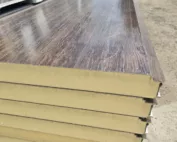
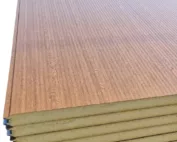
A trial clean on a barn ceiling raises two questions. Does the dry surface look as expected, and which other panels does the result apply to? Choose a patch on a known facing, leave a similarly soiled area beside it for comparison and record both before cleaning begins. Once dry, view them again from the same position. The example below shows how to document a trial in the middle of a panel and decide where to stop if the ceiling differs at the wall or in a later extension.
In this guide
What do you want the trial to establish?
Start with a specific question. For example, the farmer wants to know whether the manufacturer’s permitted method will remove ordinary deposits from a smooth facing. Stating that aim gives you two things to inspect afterwards: remaining dirt and the condition of the finish.
Check the installed product reference and the care instructions for its room-facing side. If the cleaner or its application method cannot be confirmed as compatible, ask the supplier before proceeding. A small patch alone cannot establish that a method is safe to use.
How do you select two comparable patches?
Find two adjoining patches on the same panel with a similar sheen and degree of soiling. A spot near a window and one shaded by a pipe may already look quite different, making the outcome harder to judge.
For an initial trial on the panel face, keep clear of joints, lights and damaged edges. Locate the patches on a sketch using visible landmarks. The crew can then find them again without applying tape to a finish whose response to adhesive is unknown.
What should you record before wetting the surface?
From a safe working position, take one picture that includes both patches. Note which one will be cleaned. If a scratch or an older dull spot is visible at the edge, take a close-up as well.
Agree with the contractor how to describe the outcome. A useful entry distinguishes deposits removed, deposits still visible and any change in the finish itself. Record the observer’s name and date so the finding can later be discussed with the facing supplier.
How do you link the result to a specific method?
On the trial sheet, enter the cleaner name, dilution used, application method and actual contact time. Record what was used and compare it with the instructions. If nobody read a setting, leave it marked as unknown.
Record how the cleaning step ended, including rinsing where the product requires it. If the cleaner, tool and rinsing procedure are all changed in a later trial, it will be difficult to trace a difference in appearance to a particular change.
What should you inspect once the facing is dry?
Wait for the patch to dry, then compare it with its neighbour in the same light. Look closely along the boundary. A pale line precisely at that edge deserves a separate check before you commission cleaning of the whole row.
If new dulling or peeling appears, retain the photographs and suspend the method. If the deposit remains while the finish appears unchanged, record both observations. The supplier will then have something specific to assess when advising on the next step.
Which other areas can you clear for cleaning?
Mark the bays with the same confirmed facing and in comparable condition on the ceiling plan. If the trial met its aim, show the contractor which of these bays may be cleaned using the recorded method. Mark the wall junction separately.
An extension may use a panel from the same family with a different finish on the livestock side. Find its care documents before extending the work. Keep photographs of the dry patch, the recorded method and the plan showing its limits for the next cleaning job.
7 branches. Materials closer to your project.