Metal roofing: compare coatings and exposure, not just the profile
Roofs and roof coverings
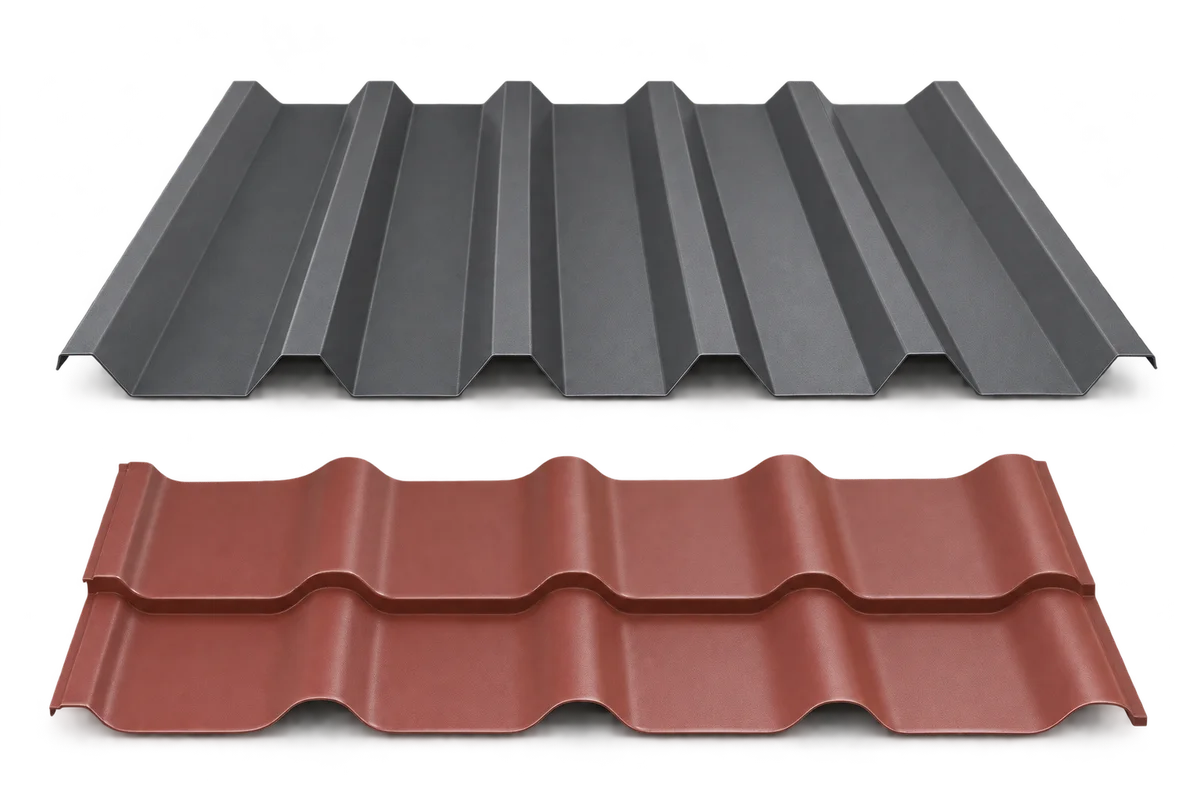
When choosing between trapezoidal sheets and metal roof tiles, compare the sheet shape separately from its surface protection. Similar appearance or colour does not establish equal suitability for the surroundings. Izoprofil.eu suggests preparing a roof exposure record covering location, nearby influences, building use and maintenance requirements. Give it to the supplier together with the precise coating designation. The response should address an identified product and application. Do not select a material solely by the longest warranty period in an offer headline. Read the document’s scope, the owner’s responsibilities and its limitations, and clarify any unclear conditions before purchasing.
In this guide
Separate profile from coating
Prepare separate fields for the profile and coating name. “Matt trapezoidal sheet” combines two descriptions without identifying the protective system. For each option, obtain details that the supplier can connect to specific documentation.
Describe the building’s surroundings
Explicitly note when the two roof coverings have different coatings. Otherwise a comparison result may be wrongly attributed to sheet shape alone. Do not assume that every coating is available in every model and format.
Describe the actual surroundings, including coastal, industrial or agricultural influences where relevant. Do not assign an exposure category yourself from the town’s name alone. The supplier needs to know which circumstances require assessment for the proposed product.
Consider both sides of the sheet
Ruukki’s 2025 selection recommendations for colour-coated steel consider environmental conditions and product application. This guide adopts that distinction between uses, without transferring the manufacturer’s tables to other brands. Obtain confirmation for the material you will actually order.
Also describe how the space beneath the roof will be used. An ordinary store, a process building and premises undergoing a change of use should not all be described simply as a “hall”. Interior-use information allows the building-facing side of the sheet to be considered too.
Read the applicable warranty document
Do not infer underside protection from a photograph of the outer surface. Ask for both sides to be described in the documentation for the exact version. Mark missing information as unresolved instead of filling the gap with a specification from a similar product.
In the warranty, first identify the product, issuer and document version, then what is actually covered. Establish whether the quoted period concerns appearance, a specified defect or another scope. Two numbers of years are not comparable without this clarification.
Establish realistic maintenance requirements
Write down questions about application restrictions and required actions after delivery and installation. A conversational assurance should not replace the document. If an answer clarifies how conditions apply, retain it with the offer and product confirmation.
Read the maintenance instructions before selecting the material. Establish who will perform required checks and how safe access will be provided. Do not impose one universal cleaning or inspection interval on every coating; use the instructions for the selected system.
Carry the agreement into the order
The final order should identify the accepted coating and profile in the same line. If another price option is proposed after conditions have been agreed, check its documents again. A similar colour does not establish equivalent surface protection.
Keep a brief record of the exposure description, chosen product, confirmations received and document list. This makes the basis of the decision traceable later. It is not a promise of durability; it helps avoid comparing different scopes or overlooking a condition relevant to your roof.
7 branches. Materials closer to your project.