How can you compare materials and work packages before building a house?
Roofs and roofing
Comparing quotations for house-building materials and work requires a common scope, rather than a list of final totals. Roofing, insulation and accessories may be described in different units, with different assumptions about quantities and delivery. A comparison sheet helps distinguish a price difference from a difference in the solution being supplied. This guide explains how to define a baseline, mark unknowns and compare alternatives without guessing what missing items include. Examples concern tile-effect metal roofing and PIR and XPS boards. The method supports discussions with suppliers and contractors; material suitability and compliance with the design need separate confirmation. The aim is to establish exactly what each proposed price covers.
In this article
Define a common basis for the enquiry
Prepare one scope description for everyone quoting. Identify the building area, current drawing and materials specified in the design. If you wish to consider a substitute, have it presented as a separate option. Otherwise, the same work-stage heading may conceal solutions that cannot meaningfully be compared on price alone.
Align document revisions and units
Put the document date and revision on the comparison sheet. Do not add a revised proposal to an earlier total before checking which items it replaces. When a supplier changes just one component, record whether the rest of the scope still applies. Subsequent discussions can then refer to one identifiable proposal rather than several messages covering different things.
Check whether the stated unit is a piece, a linear metre or a square metre. For metal sheets, also establish whether the area is overall sheet area or effective coverage. Do not apply a single conversion factor to every profile. Retain the quoted unit in the table and provide a separate field for the agreed method of determining the required quantity.
Break down quantities and order handling
Distinguish the building area being covered from the quantity of material ordered. Allowances, sheet layouts and cutting should have explicit assumptions rather than disappear inside one combined item. If two proposals contain different quantities, establish why before ranking them. A lower total may reflect a different quantity calculation rather than a better price for the same order.
List materials, labour and delivery handling separately. Where needed, identify who provides unloading, lifting or movement to the installation area. The word “transport” should not be assumed to include all these activities. Keeping them separate makes it easier to establish whether a missing service must be arranged under another order.
Clarify alternatives and missing items
Show optional equipment as an alternative rather than silently changing the baseline. Record what each option replaces and which other items it affects. A more expensive sheet coating and a different roofing profile are different kinds of change. Compare the resulting package, not merely the surcharge for one component.
Label an empty field “to be clarified”. Zero can suggest that an item is free even though the supplier has not included it at all. Add the question and the information needed beside the unknown. Until it is resolved, do not present the total as a complete cost comparable with a quotation that already includes that item.
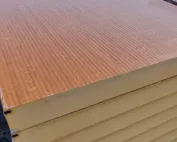
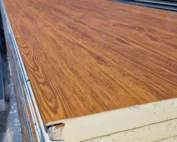
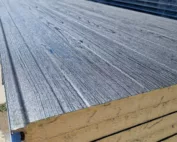
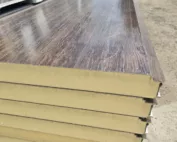
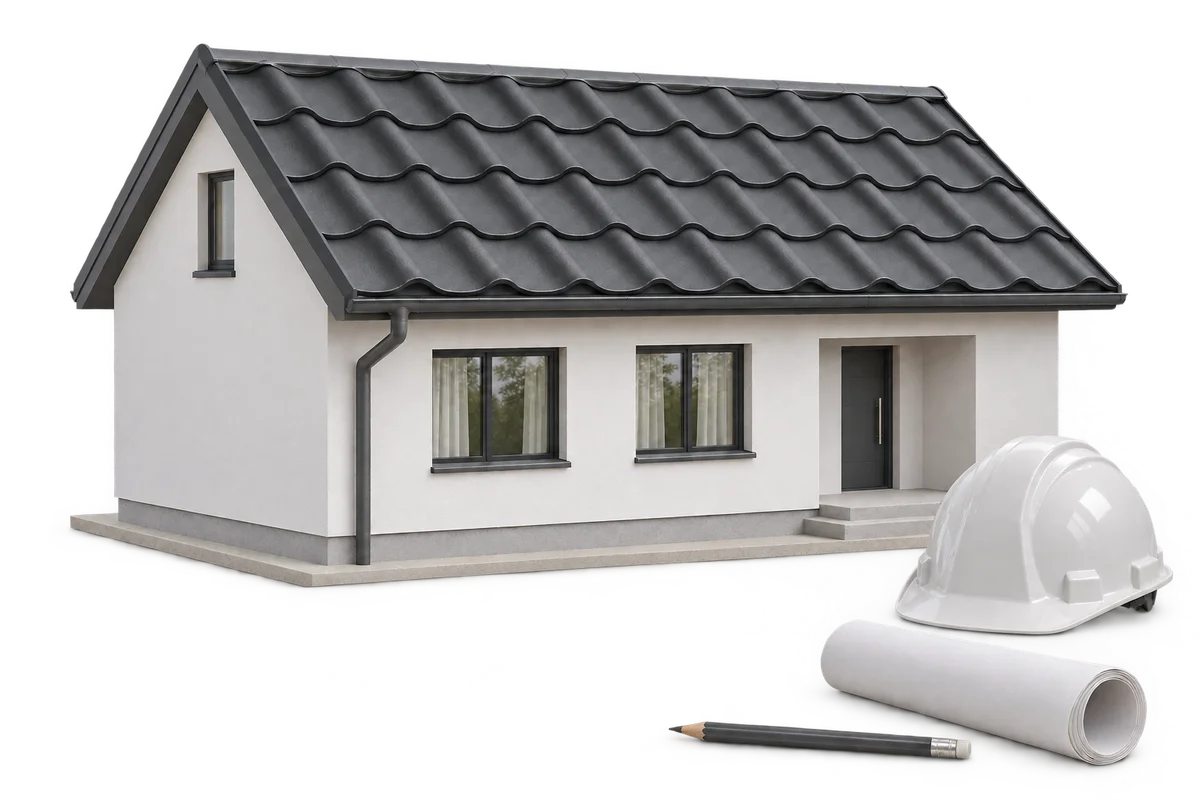
For tile-effect roofing, compare the profile name, coating option, colour and supplied sheet format. Keep cut-to-length sheets separate from modular panels if considering both. Matching colours alone do not make the proposals equivalent. The roof layout and accessory quantities should relate to the chosen profile and the actual roof.
Check insulation and associated accessories
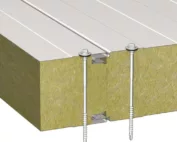
For PIR or XPS insulation, record the exact product, thickness, board format and documented intended use. Boards of equal thickness are not automatically interchangeable. If a substitute is proposed, establish with the person responsible for the design which properties require comparison. Record that assessment instead of treating the comparison sheet as approval of the substitution.
Associate accessory items with the relevant part of the scope. Roof flashings, fasteners and seals should not remain one unexplained line if you need to assess completeness. A breakdown by installation area can help. Do not invent fastener quantities or specify a tape type without the agreed detail and information for the particular system.
Finish with a confirmed comparison sheet
Before choosing a proposal, send the supplier the agreed clarifications and obtain confirmation of the current package. Check that amounts use the same tax basis and whether transport is charged separately. Record validity and material availability as confirmed by the supplier. Do not infer either from the date printed on a catalogue.
Keep the comparison alongside the selected quotation and the resolved differences. Whoever places the material order should be able to identify the final quantities and options. If the scope changes later, return to those same rows and mark the revision. This makes the next building-stage discussion possible without reconstructing what the earlier order was supposed to include.
7 branches. Materials closer to your project.