What leads to complaints about steel roofing sheets and how can problems be avoided?
Renovation and maintenance
A roofing sheet complaint rarely has one obvious cause, so before blaming the material or the installation, establish at which stage the visible symptom appeared. Check the delivery acceptance record, storage conditions, how the sheets were handled and compliance with the product instructions. This article explains how to distinguish a leak from discolouration and deformation, why earlier work on the roof matters and why a well-described report can be more useful than a single photograph of the fault.
Identify the symptom before assigning the cause
A leak, discolouration and deformation are different problems that may have several sources. Their location, time of appearance and weather conditions should be recorded. Previous work on the roof is also important. Installing new equipment may change the situation even though the covering remains unchanged.
There is no basis for attributing every defect straight away to a manufacturing fault or a roofer’s error. An inspection and documents are needed. In the case of a leak, a stain inside does not always indicate the point of water entry. In the case of discolouration, a deposit must be distinguished from a change in the coating itself.
Damage may occur during delivery
Long sheets are easily deformed by improper support during handling. Sliding sheets over one another may scratch the surface. For this reason, acceptance of delivery should cover packaging, visible edges and conformity with the specification. It is worth taking photos before and after unloading.
If the damage is visible, further procedure should be clarified before installing this element. Fixing a bent sheet does not guarantee recovery of the correct geometry. Acceptance documentation helps establish at what stage the problem appeared.
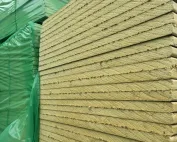
A damp package creates difficult conditions for the coating
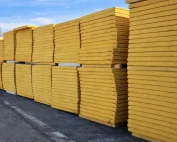
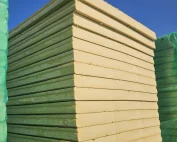
Water trapped between sheets does not dry out as it does on a ventilated roof slope. The source may be rain, transport or condensation with a change in temperature. Leaving the material in unsuitable conditions for a long time promotes damage. The film does not remove moisture already present inside.
Storage rules and periods depend on the product. They must be checked when works are delayed. Delivery dates, photographs of the storage location and information on moisture are helpful in a report. A single storage period should not be generalised to all sheets and coatings.
Rust on metal filings does not immediately mean the same as perforation
Cutting and drilling leave fine metal particles. If they are not removed, they can rust on the surface and damage it. It must be established whether the stain comes from a foreign metal filing or from exposed core material. The procedure depends on the actual condition of the substrate.
Cutting with an angle grinder can impair the protection through heat and sparks. Fine traces are sometimes visible at some distance from the cutting point. Information on the tools used should be retained. The coating should not be cleaned aggressively before assessment, as this can obliterate traces of the cause.

Leaks and deformation may result from installation
Incorrect spacing or uneven supports can force deformation of the sheets. An incorrect overlap and a damaged seal can let water through. Poorly executed flashings also cause problems. The entire detail is assessed, not only the material visible at the point of leakage.
A screw set outside the correct support does not fulfil its function. Excessive pressure can damage the washer or the profile. The solution requires establishing the type of connection and the load conditions. Adding sealant without repairing the fastening can only temporarily conceal the symptom.
Moisture under the sheet does not always mean a hole in the covering
Condensation can occur as a result of thermal conditions and the ingress of water vapour. The insulation, airtightness and intended ventilation must be checked. The problem can also occur during periods without rainfall. Such an observation helps to distinguish it from a typical rain leak.
Anti-condensation fleece has a limited capacity to absorb moisture and requires drying out. It does not replace the design of a heated building envelope. Also an airtight sandwich panel requires correct locks and connections. A report should include a description of the building’s use, not only a photograph of a droplet.
A colour difference requires comparison of conditions
The shade may look different under different light, viewing direction or texture. Delivery batches and exposure time also matter. When ordering a new sheet for an old roof, the difference does not have to indicate the same cause as a stain on a single pack.
The comparison should cover the exact colour, coating and material markings. It is worth photographing a wider section as well as a close-up in similar light. The surface should not be painted immediately. Renovation can make it difficult to assess the original appearance and requires separate agreement.
How to prepare a factual report?
Gather the purchase document, the specification, the delivery markings and the instructions applicable to the material. Describe the extent of the defect, the date it was noticed and the work carried out beforehand. The photos should show both the symptom and its location on the roof. Photos of the installation before the layers were covered are also useful.
If the defect is covered by the warranty, follow the reporting method described. One should not assume automatic acceptance or rejection of the case on the basis of a single photo. An active leak also requires limiting the damage in an agreed, safe manner. The assessment of the cause and the repair should leave a clear record.
7 branches. Materials closer to your project.