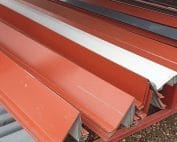
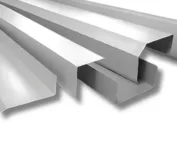
Reducing corrosion at the cut edges of verge flashings
Sheet metal flashings
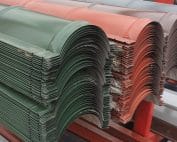
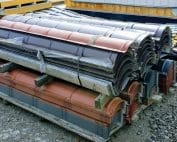
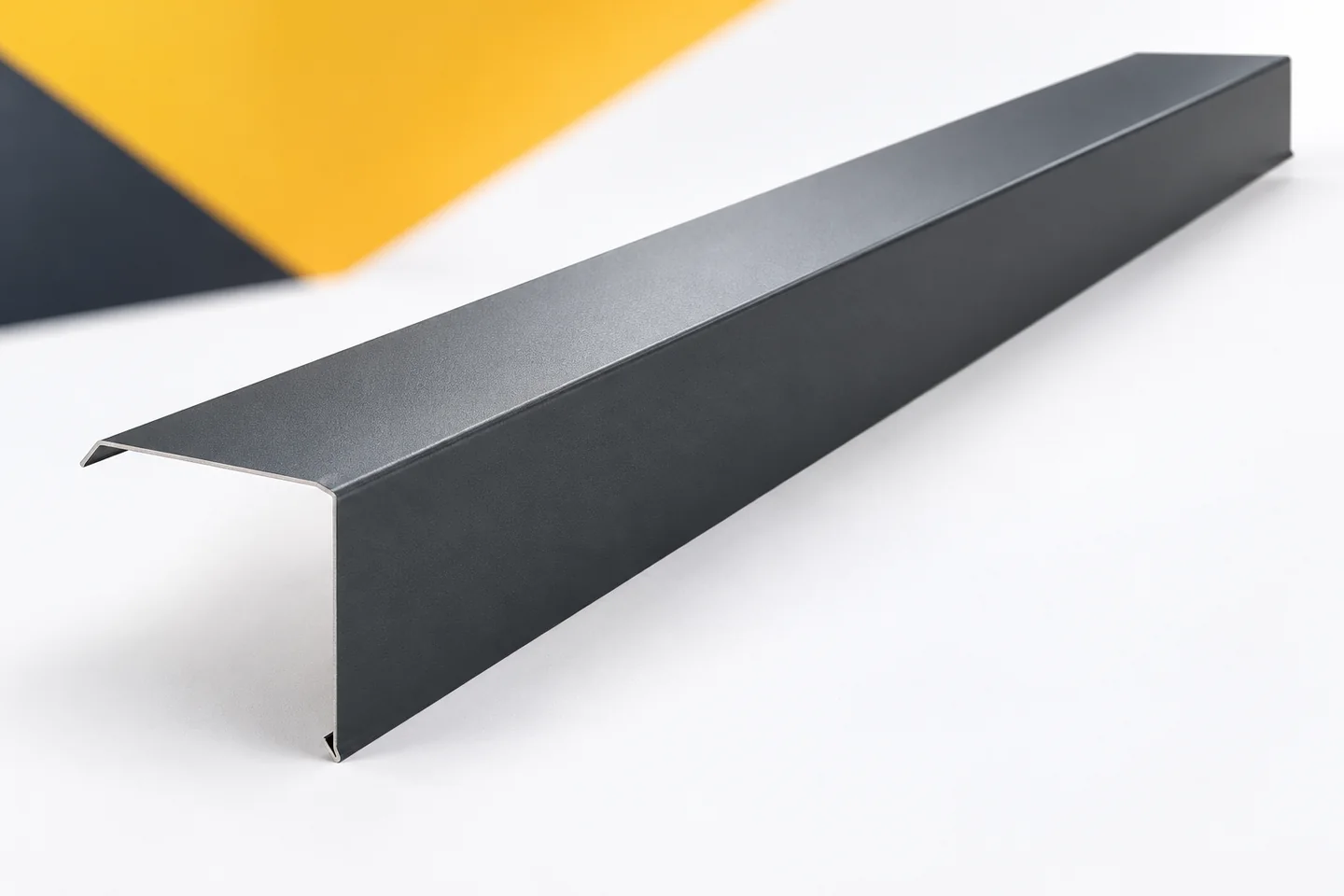
Barge flashings protect the end of the roof covering and give the gable a straight line. However, their edges and fixing points are just as important as the wide, visible surface. That is where to look for the effects of incorrect cutting or installation damage. A well-chosen sheet metal is the beginning of a durable solution. It still needs the right shaping, correct installation and subsequent inspection. Barge flashings are made from sheet metal with a specific metallic coating, and often an organic coating as well. These layers are intended to protect the steel from environmental influences. Their type and condition must be taken into account when selecting the material. The term thick sheet metal alone does not describe the surface resistance.
In this article
Protection is provided by a specific layer structure
Galvanised, aluzinc and coated steel sheets may be suitable in different applications. However, there is no basis for treating one general description as a guarantee of resistance in every environment. The specification of the version being ordered must be known. Materials in contact with the flashing also remain important.
Cutting changes the conditions at the edge
A cut edge differs from a factory-protected wide surface. It requires assessment in accordance with the recommendations for the given sheet. It should not be assumed that every metallic coating allows the condition of the edge to be ignored. Humidity conditions and the method of cutting are particularly important.
Appropriate shears or recommended cold-working tools are used for cutting verge flashings to size. An angle grinder with an abrasive disc may overheat the cut zone. In addition, hot particles may damage the nearby surface. A small shortening of the flashing should also be carried out using the correct method.
Swarf must be removed from the entire working area
Metal residues from drilling and cutting should not lie on the coating. They may become trapped at the lap or under the folded edge. After installation, it is worth inspecting precisely such places. Cleaning only the wide, easily accessible part of the barge flashing is often insufficient.
Contamination should not be removed with a sharp tool that creates further scratches. The cleaning method is selected to suit the surface. If discolouration has appeared, it is worth first establishing its source. Deposits from a left-behind metal filing and damage to the sheet itself require distinction before choosing a repair.
A folded edge still requires care
Folds and bends help shape the edge of the flashing. They should not be treated as decoration that can be straightened at will. They should match the product drawing. Repeated adjustment of bends on site can worsen the appearance and condition of the coating.
Verge flashings must fit the actual roof cross-section. If they require strong pressing, the dimensions and the substrate must be checked. Only after clarifying the cause can a decision be made about correction. Adding screws in random places does not replace proper fitting.

Fixings are part of edge protection
The screw, washer and sheet should work together in accordance with the detail. Improper seating can leave a leak or deform a thin surface. It is worth checking the fixing points up close. A straight gable line viewed from the ground does not show all problems.
Joints between sections also require correct geometry to be maintained. Water should not be directed behind the flashing by an accidentally reversed lap. Ridge caps and gutter strips form its terminations. Their fit should be checked together with the verge flashing, not in separate, unrelated inspections.
Repair should match the material
Point damage is assessed according to the depth and type of coating. A solution intended for that surface is used for any touch-up. Random paint should not be spread over a large area. This can produce a difference in gloss without proper preparation of the repair site.
If the damage is extensive or the sheet has been significantly deformed, an assessment of the scope of replacement is needed. Not every defect can be reasonably removed cosmetically. It is worth keeping the material markings. They help in selecting the repair method and any new section of flashing.
Check all similarly exposed elements
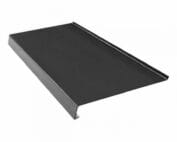
The principles of careful cutting and cleaning also apply to chimney flashings and starter profiles. Unusual sheet metal flashings often have more bends, so they require a careful examination of the corners. A made-to-measure shape does not exempt the surface from protection during installation.
It is worth combining the inspection of barge flashings with a check of the entire roof. Attention should be paid to dirt, joints and changes in the appearance of the edge. Access to these places should be provided by a contractor with the proper safety equipment. An early assessment of damage allows repair to be determined before the problem covers a larger section.
Questions and answers
Does galvanising exempt the barge flashing edge from inspection?
No. The condition of the edge, the environment and the cutting method still matter. Edge treatment should correspond to the documentation for the specific material.
Is any paint in the same colour suitable for a touch-up?
This should not be assumed. Compatibility with the coating and preparation of the damage are what count. Colour is only one of the properties of the repair product.
7 branches. Materials closer to your project.