First- or second-grade sandwich panel? What to check before choosing
Sandwich panels
A first-grade panel gives a simpler starting point for design and ordering. With second grade, you first need to know the specific defect. A low price may result from colour, length or damage that changes the suitability of the element. Before purchase, check the batch marking, documents, and the condition of the locks and both facings. Only then assess whether the saving remains after cutting, repairs and installation. The second-grade designation does not describe one fixed quality. Under this label, end-of-series runs, panels with appearance deviations and damaged elements may be sold. The name outlet alone also does not explain the reason for the markdown. It gives no basis for assuming that every parameter has remained unchanged.
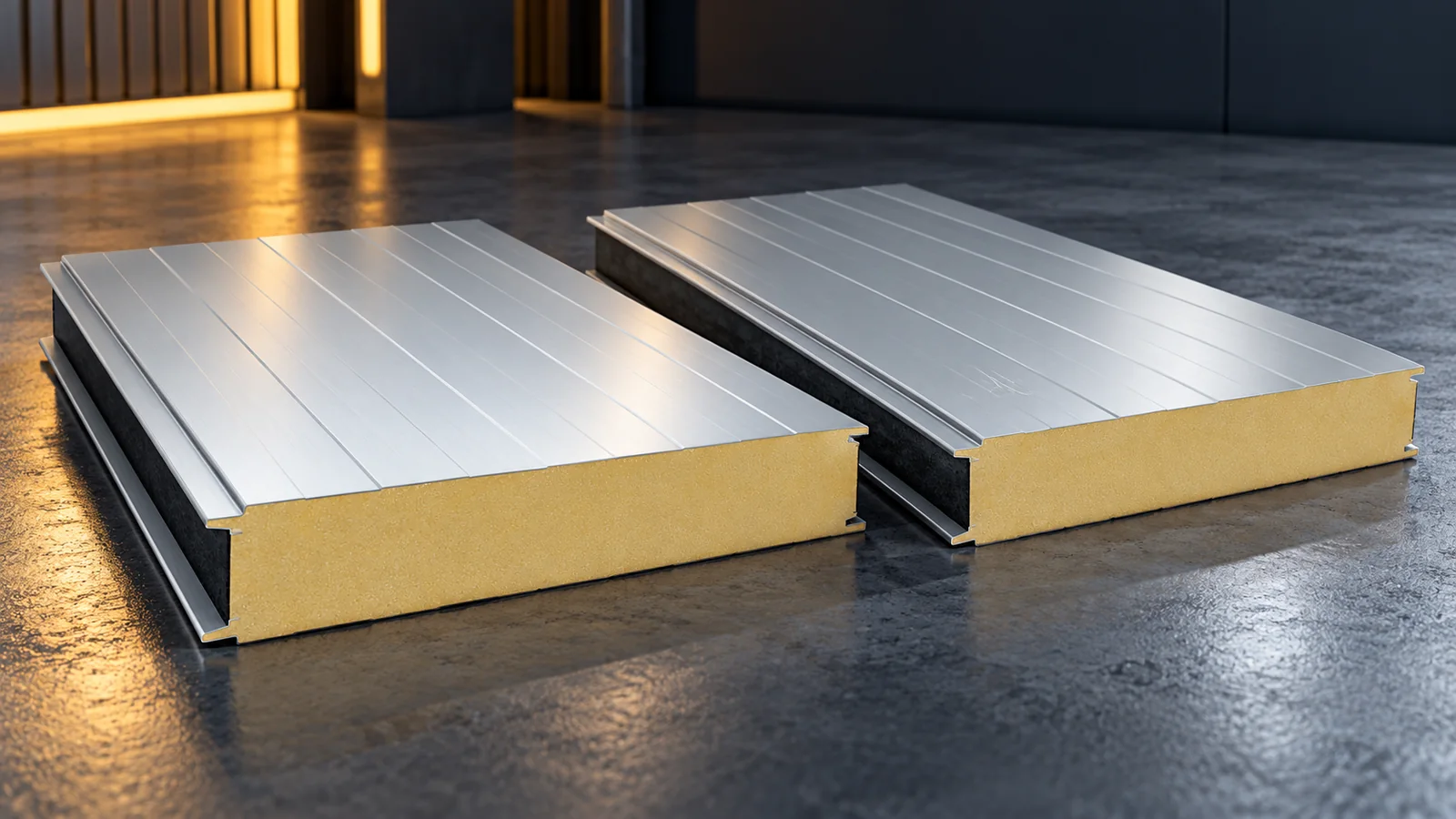
What does second grade really mean?
The second-grade designation does not describe one fixed quality. Under this label, end-of-series runs, panels with visual deviations and damaged elements may all be sold. The name outlet alone does not explain the reason for the price reduction either. It gives no basis for assuming that every parameter has remained unchanged.
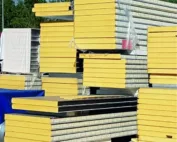
Ask for a description of the condition of the specific batch. Is the problem the shade, a scratch, the dimension, the lock, or the bond between the core and the facing? A photo of one nice end of the pack does not show all the panels. For a large order, a list of lengths and defects is needed. That is what allows the cutting plan to be prepared. First grade must also be inspected after delivery, because transport and unloading can damage a fully sound product.
Which damage requires particular attention?
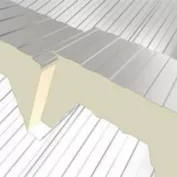
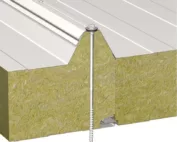
In an insulated panel, the steel facings work together with the core. Delamination of these layers is therefore not merely a visual defect. Likewise, a crushed lock can hinder the correct connection and sealing of adjacent panels. Such problems are not solved by painting over the spot or covering it with a flashing.
Inspect both sides, the edges and the ends. Look for blisters, bulges, delamination and dents. Establish the depth of scratches: a mark in the protective film is a different situation from damage to the steel protection. Visible corrosion requires an assessment of its extent, not a promise that paint will cover it. The repair method must be approved for the given coating. There is no single paint that restores all properties to every facing.
Which documents should match the batch?
Check the core type, panel thickness, the thickness of both facings and the lock type. The modular width, lengths and coating designation are also needed. The declared properties must relate to this product. A data sheet for a similar panel from an offer does not confirm the parameters of a batch of unknown origin.
For thermal, fire or structural requirements, establish whether the documentation covers the material in the condition offered. Do not automatically transfer the load-bearing capacity and classification of first grade to a damaged element. Also ask about the seller’s scope of responsibility for the described defect and other non-conformities. Record the findings in the order. A general assurance that the panel is suitable for a hall does not define how it may be used.

When can a discounted panel pay off?
A batch with an identified visual defect may make economic sense if the project permits such an effect. This applies, for example, to a little-visible part of the cladding where the difference in shade has been consciously accepted. Technical suitability must still be confirmed. A wall hidden behind a shelving unit also carries loads and has its own connections.
Short lengths may suit the cutting plan for a small structure. However, they should not force random joints outside the supports. Conversely, a low price for long sheets will not help if most of the length becomes waste. For roofs, pay particular attention to the joint layout, water drainage and the condition of the laps. An increased number of joints means additional work and more places requiring correct sealing.
How do you calculate the savings once defects are taken into account?
Compare the cost of the material that can actually be used. If you buy 120 m² but use 100 m² in the cutting plan, divide the price of the entire batch by those 100 m². Add transport, sorting, repairs, additional flashings and labour to the result. It is a simple calculation, but it can reverse the order of two quotes.
Take into account the availability of the missing element. Supplementing a few sheets with the same interlock, colour and thickness may require new production. Parts from different systems do not necessarily fit together. Do not assume that every offcut can be recovered either. The installation direction, the corner and the condition of the edge may prevent its use. The saving should result from a completed schedule, not from the difference in price per square metre.
What should be established before confirming the purchase?
Prepare a list of sheets indicating their location in the building. Record the length, the identified defect and the planned use. Clearly separate accepted material from elements requiring additional assessment. If the origin of a sheet or the type of its damage cannot be determined, the quote does not yet provide a basis for ordering.
Agree on the inspection, the method of documenting the delivery and the rules for reporting discrepancies. Check whether the appropriate fasteners, seals and flashings are available. Do not reserve a crew solely on the basis of the number of metres on the pallet. A well-assessed second grade can reduce the cost. First grade often makes it easier to select parameters and reduces sorting work. The choice should result from the requirements of the structure and the actual condition of the batch.
7 branches. Materials closer to your project.