How to choose a coating for tile-effect steel roofing
Tile-effect metal roofing
The choice of a metal roof tile depends on the entire coating system, not just colour or lacquer thickness. A building owner should check how the metallic protection, pre-treatment layers and organic coating work together in the specific environment. This article covers finish types, the influence of surroundings, the meaning of gloss and texture, and the real scope of a warranty. It also stresses that comparing offers requires identical sheet parameters and full technical data. The decision becomes informed when corrosion resistance, installation conditions and subsequent care are weighed together, rather than relying on a trade name.
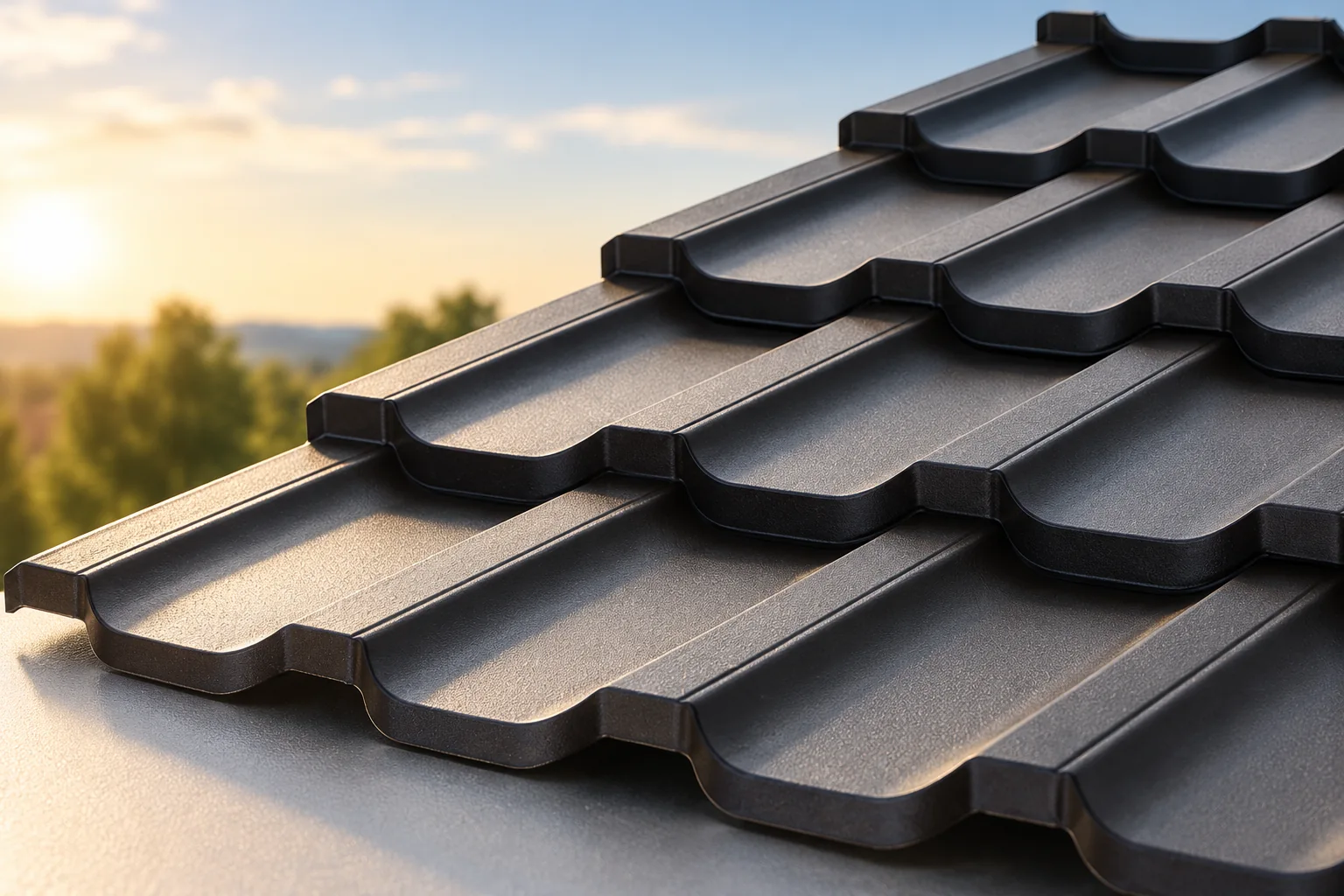
What layers make up coated sheet?
The steel core receives metallic protection, followed by surface preparation layers and an organic coating. The exact build-up depends on the product. The outer layer provides colour and protects against environmental exposure. The underside is also protected, although it does not have to be finished in the same way as the visible face.
Do not choose steel sheet solely by coating thickness. The entire system and the quality of the substrate matter. Two products with a similar surface may differ in the parameters of the metallic layer and in their intended use. The offer should therefore include specific technical data, not just the term premium coating.
What distinguishes common types of finish?
Polyester coatings are available in variants with different gloss levels and textures. Polyurethane systems and other solutions with specific properties are also available. They cannot be ranked in a single order without knowing the place of application. A thicker coating does not always determine every type of resistance.
Compare the parameters given in the data sheets, the range of application and the warranty conditions. Pay attention to corrosion resistance and colour behaviour under sunlight. If the manufacturer specifies classes, check what they refer to. The coating class and the environmental category describe different things, although they must be properly matched to each other.
How does the home’s surroundings influence the choice?
Salt, industrial dust, pollutants and prolonged moisture increase the demands on protection. A roof near the sea may require a different solution than a house in a calm inland location. The sheltering of the roof slope and the proximity of trees, which encourages deposit accumulation, also matter.
For agricultural buildings, also assess the internal environment. Aggressive compounds may affect the underside of the material. Ask about suitability for specific conditions. The word galvanised alone does not confirm suitability in every location. In a demanding environment, it is worth obtaining written confirmation of the coating selection.
Matt or gloss?
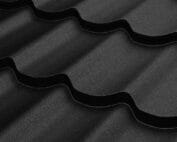
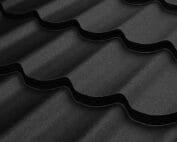
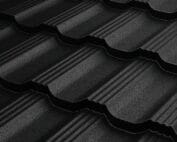
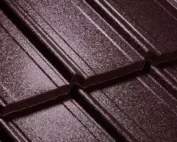
This is an aesthetic decision, but it is worth making it on a real sample. A matt surface usually gives a calmer impression, while gloss reacts more clearly to light. Texture can also change the perception of the shade. Two samples described by the same colour family do not have to look identical over a large roof area.
Check the combination with the gutter, flashings and joinery. Do not assume that elements bought separately will match perfectly based only on the colour number. If you want a uniform effect, establish the material and finish of all visible parts. Keep the approved sample for comparing the delivery.

What does the warranty really mean?
The conditions may separately cover perforation, coating adhesion or changes in appearance. The longest period stated in large print does not have to apply to each of these phenomena. Also check the environmental restrictions and maintenance requirements. The warranty is a document with a scope of responsibility, not a simple forecast of the entire roof’s service life.
Keep the invoice, the material designation and the acceptance documents. If notification or registration is required, establish this at the time of purchase. Do not put off reading the conditions until corrosion occurs. A properly selected coating and correct use matter regardless of the length of formal protection.
How not to damage good protection?
During installation, avoid overheating the sheet and tools not approved by the manufacturer. Cutting and drilling swarf is removed as work proceeds. Sheets are not dragged over one another. A coating with good parameters is not resistant to any arbitrary handling of the material on site.
After installation, inspections and the removal of leaves, dust and dirt are needed. Washing is selected according to the instructions. Point damage is repaired with a compatible product on a prepared surface. Accidental paint may have a different gloss and poor adhesion. It is better to limit the touch-up to the proper area than to paint over a wide section of the roof.
How to compare two offers?
Start with identical steel thicknesses, profiles and pricing units. Then compare the metallic and organic coatings and their conditions of use. Only then can you judge the price. A small premium may pay for a different protective system. Check the specification to see what the extra charge buys.
Add the building location and a description of the surroundings to your enquiry. Ask for the material data sheet and the full warranty. When choosing cut or modular tile-effect metal roofing, do not overlook the coating on the accessories. The roof should have a consistent level of protection also in the flashings, because the first problems often appear at their edges and joints.
7 branches. Materials closer to your project.