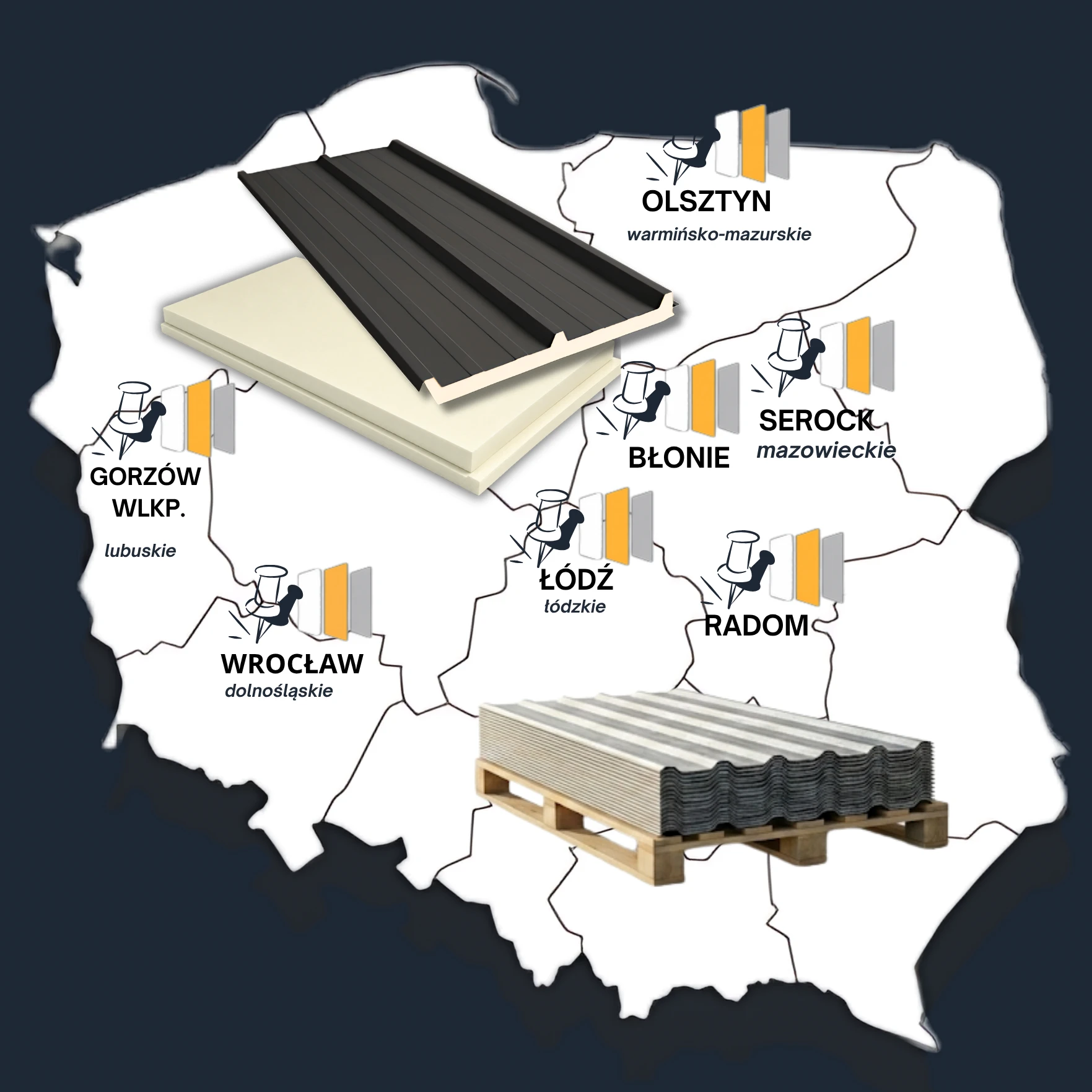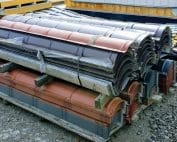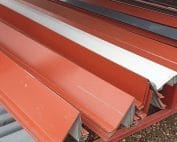
Cleaning and maintaining a complete set of metal flashings
Flashings
Flashings do not require daily attention, but they should remain part of building inspections. Water, dust and installation damage affect their condition. For maintenance, it is best to start by identifying the material and the location of the soiling. Only then should cleaning or repair be selected. A single random product is not the solution for all surfaces and all details. The material specification is useful for care. Galvanised, aluzinc and coated steel sheets have different surface finishes. A coloured element may also belong to one of several coating variants. It is worth locating the delivery documents before choosing a product for a stubborn stain.
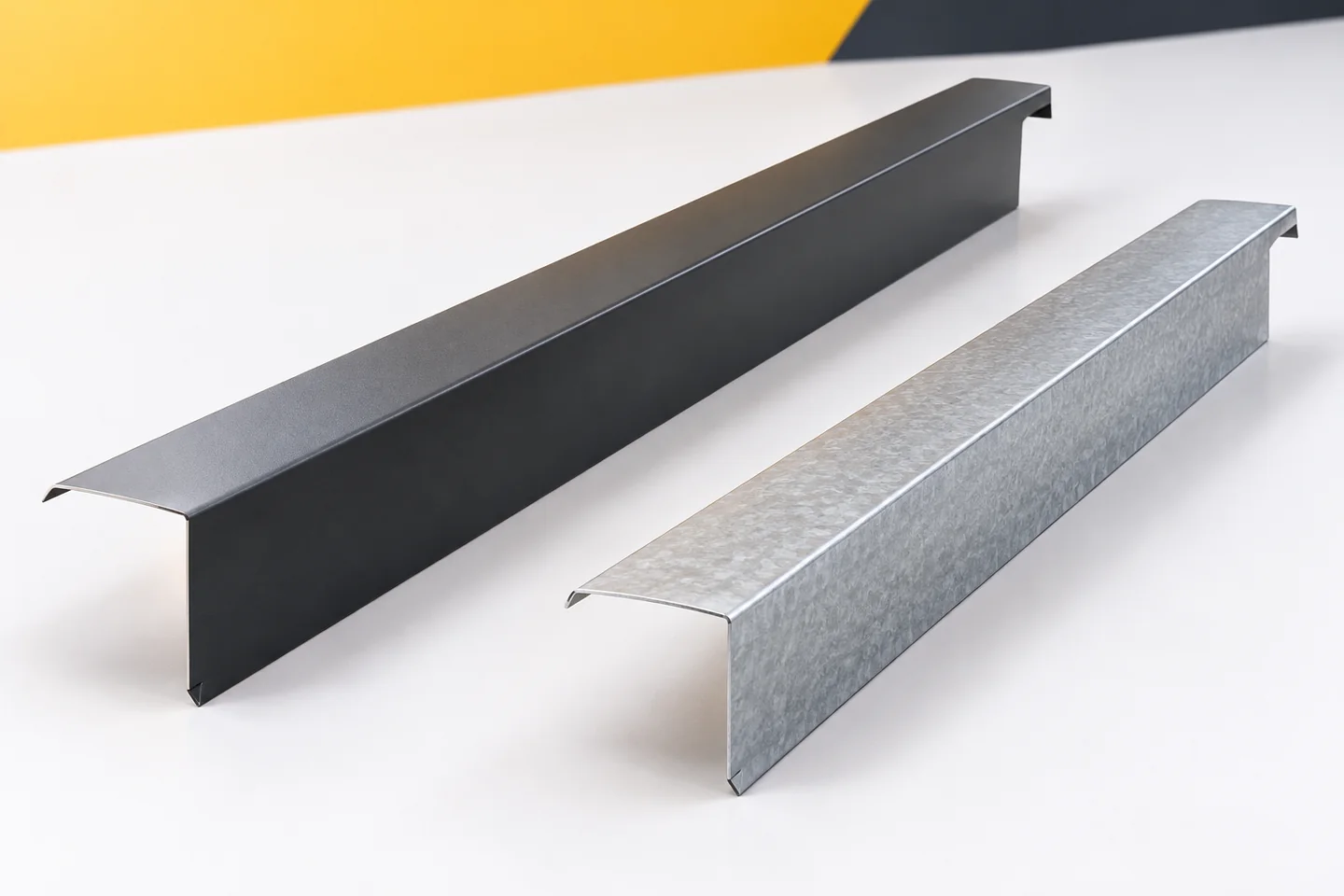
In this article
Keep information about the steel sheet used
Non-standard flashings should also have drawings retained. Knowledge of the joint and the visible side helps during repair. The appearance of the finished element alone does not show all the layers. Documentation makes it easier to decide without dismantling random parts of the cladding.
Start the inspection where dirt accumulates
Roof valleys and gutter aprons often collect contaminants running off from higher parts of the roof. It is worth inspecting their joints and outlets. At plinths, splash marks and accumulated deposits are worth checking. Not all parts of the building require the same level of attention.
Ridge caps and verge flashings should also be assessed with regard to their fixings. Chimney flashings require checking the contact with the penetration. It must be established whether the visible change is merely soiling or a sign of damage. Identifying the problem should precede the use of tools and preparations.
Remove loose residue without scratching
After installation, no filings, cuttings or material residues should remain on the surface. A similar check is worth carrying out after subsequent work on the roof. New installation work may leave waste on previously clean flashings. This is an important moment to inspect the outlets again.
Loose dirt is removed in a way that protects the coating. Do not scrub the sheet metal with sharp fragments. Tools should match the type of surface. If dirt has adhered firmly, the correct method is needed, not increasing pressure on the same spot.
Match the cleaning to the coating and the surroundings
For routine cleaning, use the solutions recommended for the specific metal sheet. Generally, gentle treatment of the surface and removal of product residue are important. Do not arbitrarily increase the concentration of the preparation. More chemicals does not necessarily mean a better result and may damage the protective layer.
It is also necessary to check where the water will drain after washing. The product should not cause problems on adjacent roofing, façade or guttering. For difficult soiling, it is worth agreeing the procedure with the material supplier. A recommendation for one surface should not be automatically transferred to another.

Repairing a scratch requires assessing its extent
A minor mark on the coating and damage reaching the substrate may require different treatment. The depth and area of the change must be determined. The repair product must be compatible with the material. Matching the paint colour alone does not confirm that protection has been restored.
In the case of major deformation or extensive coating damage, replacement of the flashing may be necessary. It is then worth comparing the new element with the documentation and adjacent surfaces. The problem should not be concealed with a broad layer of random paint. The repair should eliminate the cause and effect of the damage to a reasonable extent.
Do not alter the function of the detail during maintenance
During cleaning, a gap or bent edge is easily noticed and may be considered a defect. First, it must be established whether it is part of the designed solution. This applies to ventilation, drainage and the ability of components to work together. Accidental sealing may impair the function of the entire joint.
Starting profiles and concealed flashings should also not be drilled through or modified without identification. If dampness recurs, it is worth assessing the wall cross-section. Maintenance of the visible trim alone may not be sufficient. Sometimes correction of the geometry or the cause of water ingress is needed.
Keep a simple inspection record
For each location inspected, it is worth noting the date, location and observed change. A photograph helps compare the condition after the next season. This makes it possible to assess whether the soiling returns and whether the repair behaves correctly. An extensive system is not needed to keep a clear record.
Access to the roof and high flashings should be organised safely. Inspections should be entrusted to persons prepared for such work. The frequency is determined by the environmental conditions and the recommendations for the material. Regular assessment helps maintain not only the appearance but also the patency and correct connections of the entire set of flashings.
Questions and answers
Can every stain be removed with the same product?
No. First, the material and the type of soiling need to be identified. The product and method should be compatible with the coating and safe for adjacent surfaces.
Does the absence of a leak mean that all flashings are in good condition?
Not necessarily. Damage to the coating, a blocked outlet or incorrect fixing are worth noticing before they affect how the whole detail functions.
7 branches. Materials closer to your project.