What is XPS? Extruded polystyrene structure and differences from EPS
XPS insulation
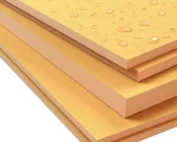
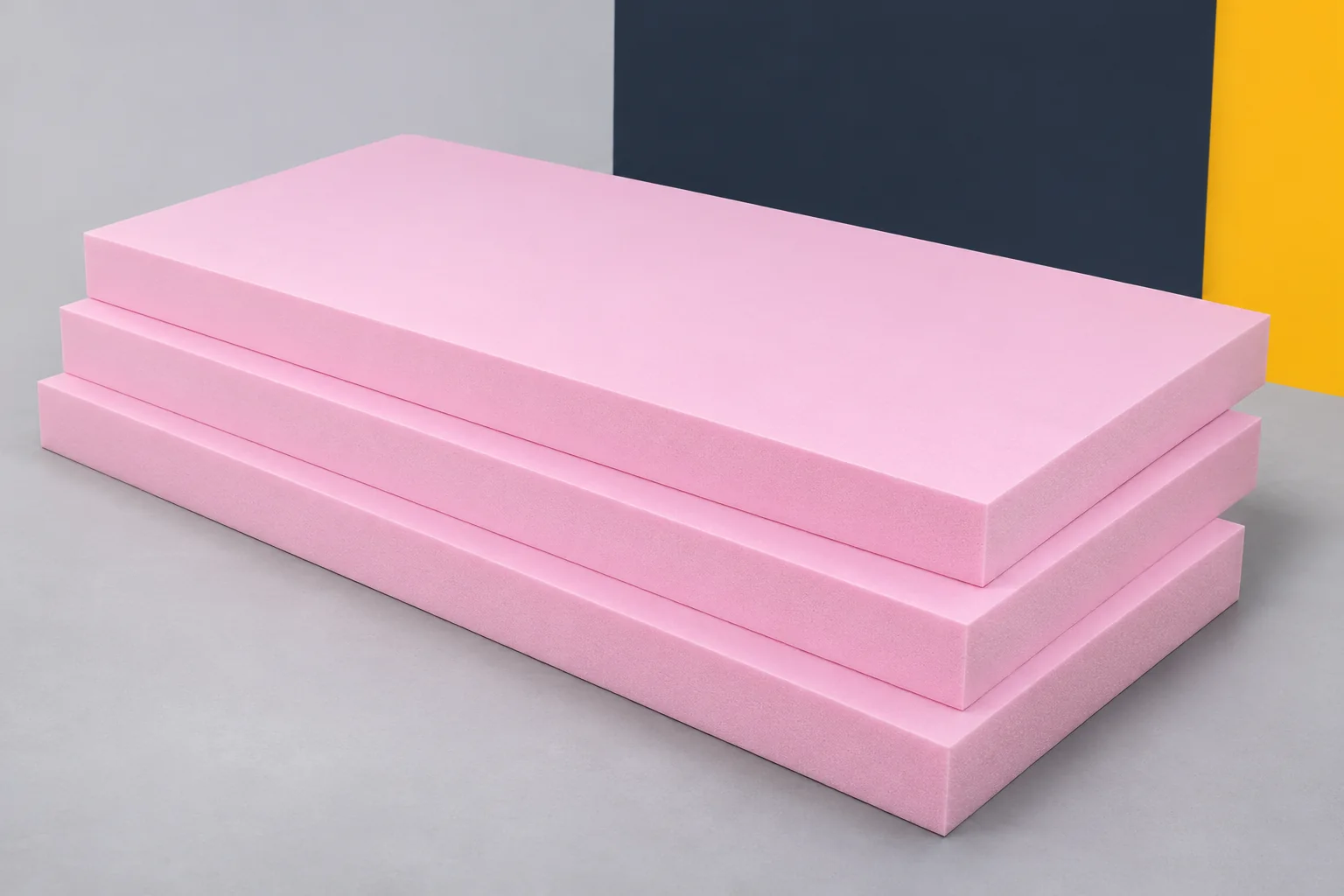
XPS is extruded polystyrene, a thermal insulation material produced by extruding foamed plastic. It takes the form of lightweight, rigid boards with a fine cellular structure. This structure helps to combine thermal insulation performance, low water absorption and mechanical properties. XPS is sometimes confused with EPS, because both materials belong to the same family of plastics. However, the difference in production matters. It is worth understanding this before comparing parameters and choosing an application. In the production of XPS, the plastic is processed and foamed under controlled conditions and then formed in an extrusion process. The result is a material with fine cells and a high proportion of closed cells.
In this article
How the board structure is formed
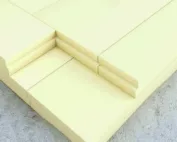
The boards are further processed to a specific format. They can be given straight edges, a rebate or another edge finish available in the given range. The surface also depends on the intended product.
Extruded polystyrene has a different structure from a material with clearly visible granules. However, this does not mean that every XPS board is identical. Its properties are influenced by the formulation, the technology and the geometry. Suitability is therefore determined by the declared parameters of the specific grade. Colour alone or surface smoothness does not allow the thermal conductivity (lambda) value, water absorption and permissible operating conditions to be established.
What distinguishes XPS from EPS
EPS is made from polystyrene granules that are expanded and bonded into a larger element. XPS is formed by extrusion of foam. This is a fundamental technological difference, and not merely another name for the same product. Both materials can come in many grades. Their comparison should therefore concern products with known parameters and application, and not general assessments of the entire group.
Extruded polystyrene is often chosen for zones requiring low water absorption and adequate resistance to pressure. It does not follow from this that it always has a lower lambda than every EPS. The right choice depends on the task. XPS may be justified at the foundation or under a loaded floor, and another material in another part of the building. The production technology explains the characteristics, but does not replace a comparison of data.
Why the cells help to insulate
The thermal insulation of the foam results from its structure and the way energy flows through the material. The fine structure allows a low thermal conductivity coefficient to be achieved. For XPS it is stated in the product documentation. In practice, the thickness of the board also matters. With the same lambda, a thicker layer gives greater thermal resistance, so the assessment should not end with a single number from an advertisement.
Extruded polystyrene restricts the flow of heat, but it does not generate heat or store it in a way that replaces heating. The effect of its use depends on the building component and the temperature difference. XPS helps to create a continuous layer of predictable thickness, which is convenient for design and installation. However, gaps, uninsulated junctions and other thermal bridges can weaken the result of the whole system.
Low water absorption broadens the range of applications
A high proportion of closed cells restricts the penetration of water into XPS. For this reason, the material is used in selected solutions at ground level, in floors and in inverted roofs. The water-related parameters must be checked for the specific product. Testing by immersion and testing by diffusion describe different interactions. Their values should not be compared as if they related to one and the same situation.
Extruded polystyrene is not a waterproofing layer. Even a board with low water absorption has joints and ends at which water can migrate. XPS therefore works together with a separate sealing layer wherever the design requires one. This separation of functions allows the material to be used well. Low water absorption remains an advantage for thermal insulation, and protecting the building against water has its own solutions.
Rigidity is not an arbitrary load-bearing capacity
XPS is available in variants with different mechanical parameters. This allows the material to be matched to the intended application. However, it is important to distinguish between a short-term compression test and performance under load over many years. Creep data help to assess the change in deformation over time. Hardness felt by finger alone does not provide a basis for selecting a board for a foundation or an industrial floor.
A convenient feature of XPS is that it can be cut precisely and fitted to corners. Its low weight makes manual transport and installation easier. At the same time, proper support and protection against the factors specified in the instructions must be maintained. The material requires protection against prolonged exposure to sunlight, fire and incompatible solvents. These conditions are part of the correct use of its properties.
How to go from the name to the right choice
Well-known manufacturers of XPS include Synthos, HOCH, Austrotherm and Finnfoam. Company names help in finding the documentation, but a purchase should refer to a specific set of properties. In colloquial speech the term styrodur appears, which does not replace the product designation. It is worth checking the thickness, lambda, water-related and mechanical properties, as well as the type of surface and edge finish.
Extruded polystyrene is useful where its properties correspond to the actual working conditions. XPS does not have to replace other insulation throughout the entire building. When well selected, it allows a predictable thermal layer to be achieved in a demanding location. Understanding the material’s construction facilitates an informed choice, and the documentation of a specific board allows that choice to be verified and correctly implemented on site.
7 branches. Materials closer to your project.