Protecting starter profiles and the base of the cladding from moisture
Flashings
The lower part of the wall operates under different conditions than its upper sections. Splash water, dirt and moisture from the immediate surroundings reach it. Starter profiles and plinth flashings must be selected with this zone in mind. Using galvanised steel sheet alone does not solve all the problems. The position of the components, the seals and the absence of places where water unintentionally accumulates are also important. Before choosing the material, it is worth examining the surroundings of the wall. Ground surfacing, drainage and the way the building is used can all matter. Different dirt occurs on a quiet façade, different dirt at an intensively used gate. Not every situation should be reduced to the same sheet metal designation.
In this article
Identify what actually wets the plinth
A distinction must also be made between water from outside and moisture originating from an incorrectly resolved junction. If the problem stems from the construction of the building envelope, repainting the trim alone will not eliminate it. It is worth assessing the entire cross-section. Starter profiles are only one element of this connection.
The function of the starter is different from that of the drip edge
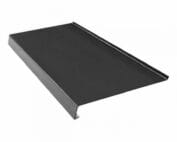
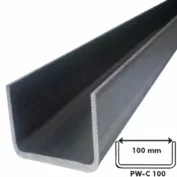
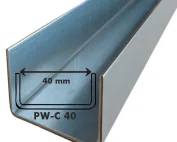
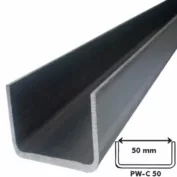
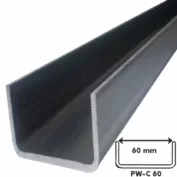
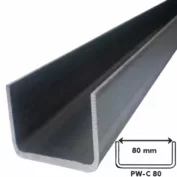
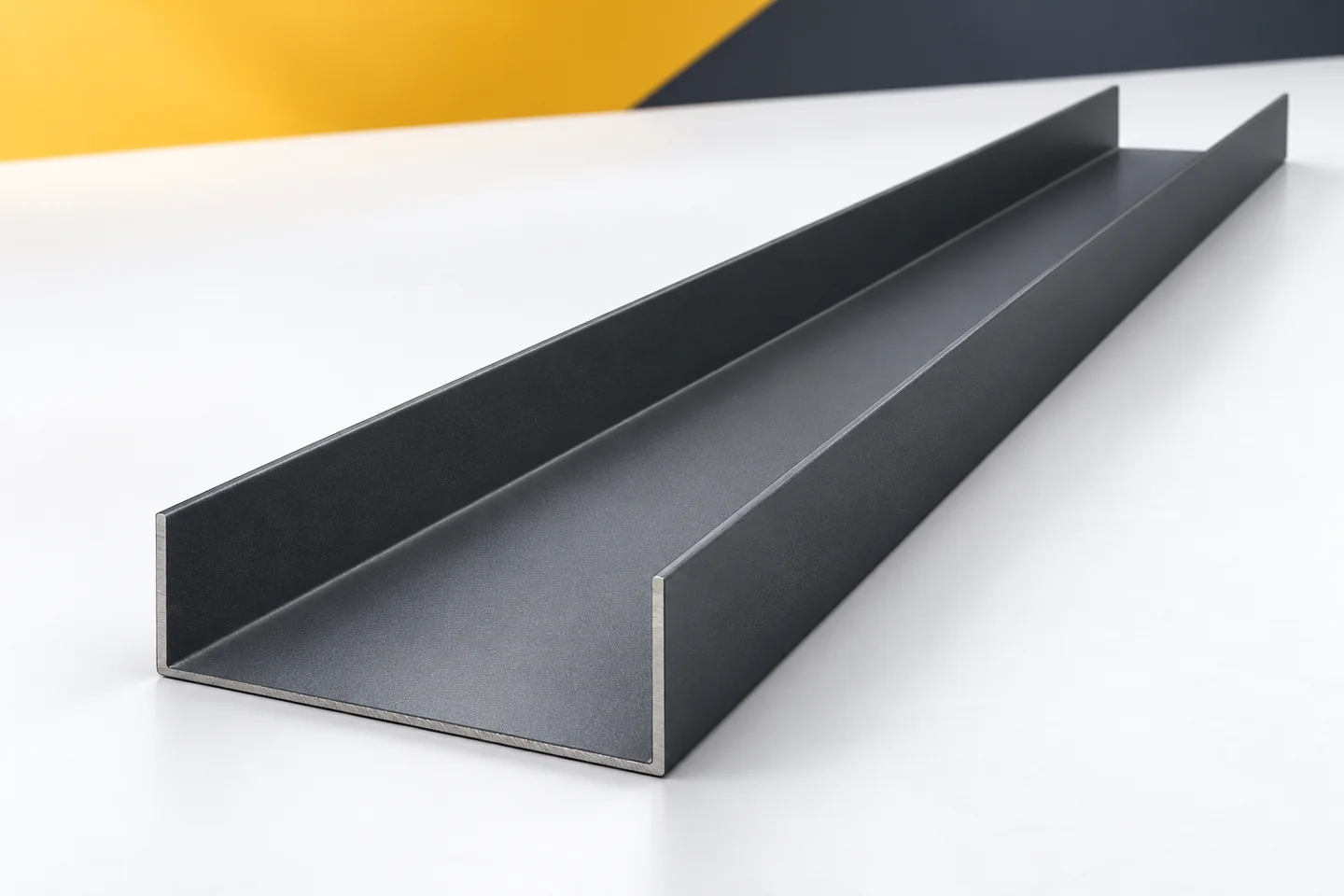
The starter profile helps to begin installing the cladding correctly. Its cross-section and material depend on the panel system used. The plinth drip flashing primarily directs water and protects the lower edge. These parts should not be swapped on the basis of similar shape.
In flashing catalogues, starter pieces are sometimes made from thicker sheet metal than cover pieces. This difference is not, however, on its own proof of a specific load-bearing capacity. Correct selection includes the fixing method and the documentation for the entire system. The space provided for sealing must also be maintained.
Protective layers must match the application
Galvanised steel sheets have metallic protection, while aluzinc sheets use a layer of a different composition. Colour-coated sheets additionally receive a suitable organic coating. Each variant requires assessment in the specific environment. Colour alone does not determine resistance to moisture and soiling.
This also applies to parts hidden after installation. A starter concealed beneath the panel does not cease to require the correct material. It is worth keeping its specification together with the cladding documentation. This allows the condition of the element to be assessed later and a suitable repair method to be selected.
Do not create accidental water pockets
The shape of the flashing should allow the intended component to function. Additional sealing compound must not block the planned drainage. New holes should also not be made without assessing the solution. Any change may affect the interaction of the starter profile, drip edge and panel.
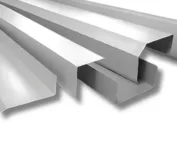
Particular attention is required at corners and gates. Several different parts are often found there. Non-standard flashings should be designed to connect these locations without accidental overlaps. A clear drawing helps to identify an undesirable recess before installation.

Protect the material during works at the base rail
The lower zone of the wall is exposed to damage during construction. Workers pass by, tools are set down and other works are carried out. Starter profiles should be inspected before the panels are installed. It is worth removing swarf and checking whether the surface has been scratched.
Flashings are cut in the manner recommended for sheet metal, without overheating its edge. The coating should not be ground in order to force the component to fit. If the shape is incorrect, the data or the fabrication needs correcting. Damage hidden beneath the panel will remain more difficult to check later.
Compare materials by building zone
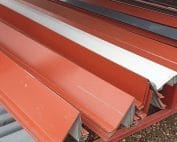
Ridge tiles and barge boards are located high up, while the gutter aprons work at the discharge from the roof slope. Chimney flashings have yet another environment. A common colour can tidy the appearance, but does not impose a single specification for all components. Function and service conditions remain the basis for selection.
With visible plinth drip edges, it is also worth checking gloss and texture. A colour from the same palette does not always look identical on different coatings. A sample makes assessment alongside the wall panel easier. Concealed parts should still be described technically, even when their appearance is irrelevant to the façade.
Check the surroundings after handover
The way the ground is landscaped can change the conditions at the plinth. It is worth observing whether water and dirt accumulate there after rainfall. During inspection, the accessible flashings and their joints should be examined. A visible change in the surface requires the cause to be identified, not merely masked.
Cleaning is carried out using a method suited to the coating. Random strong agents should not be used to remove stains. If the problem recurs persistently in the same place, the assessment of drainage and detail must be revisited. The durability of the lower part of the cladding results from the interaction of the material with a correctly executed surrounding.
Questions and answers
Can a profile concealed beneath the panel have any surface protection?
No. Lack of visibility does not mean no exposure to environmental conditions. The material should be selected to suit the function and the plinth design.
Will an additional sealant always improve the detail at ground level?
Not always. It must be compatible with the substrate and the design. Random sealing can hide a problem or block the intended drainage path.
7 branches. Materials closer to your project.