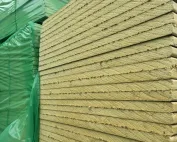
What determines the right insulation material for a roof?
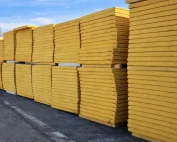
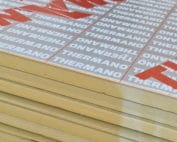
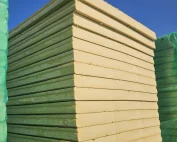
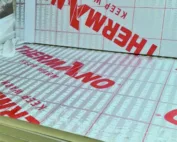
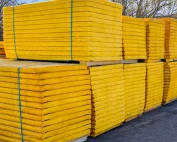
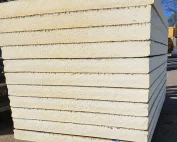
PIR insulation
The choice of roof insulation material depends above all on where the heated boundary runs and on the ventilation plan, not on the product name alone. Check which building elements separate the interior from the outside, then compare lambda, thermal resistance and the U-value for the whole assembly. It is also worth establishing whether limited thickness, moisture protection or continuity of insulation is the key issue. Only on that basis should you consider PIR, mineral wool, EPS or XPS, bearing in mind that the overall effect depends on the complete layer build-up and careful joints.
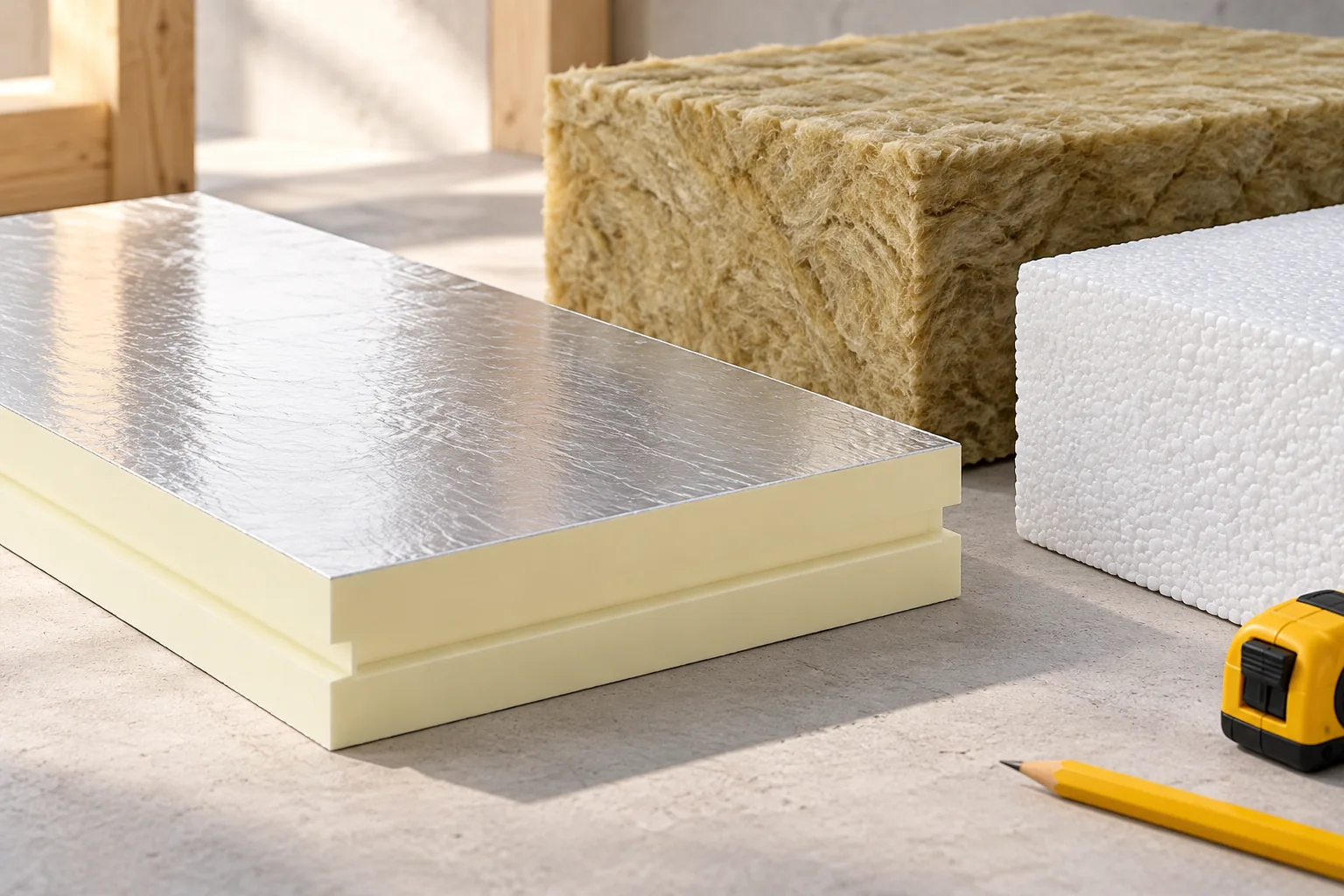
First establish where the heating boundary runs
If the loft is to be habitable, the insulation usually covers the slopes and the other partitions separating it from the surroundings. With an unheated attic, the boundary may run at ceiling level. Insulating the roof slopes will not always then be the simplest way to reduce heat loss.
The decision must be combined with the ventilation plan and the future use of the rooms. Gaps left at the wall plate or at walls can weaken the effect of the whole job. Before you choose the board thickness, define the continuous insulation path on the building section.
How to read lambda, resistance and U-value?
Lambda describes heat conduction through a specific material. A lower value allows the same thermal resistance to be achieved with a smaller thickness. For a homogeneous layer, resistance is calculated as the thickness in metres divided by lambda. This is a useful starting point for comparison.
The U-value relates to the entire building component. It takes into account its layers and the appropriate calculation method, including the effect of repeating thermal bridges. Comparing centimetres alone is therefore not enough. The same thickness laid between the rafters and above them can give a different result.
When is the small thickness of PIR an advantage?
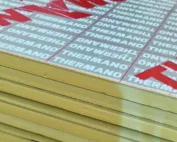
PIR boards have a low declared thermal conductivity, depending on the specific variant. For some boards with an aluminium facing it is 0.022 W/(m·K). Other facings and variants may have different parameters. It is worth reading them from the data sheet rather than attributing one lambda to the whole group.
PIR can be useful where a limited insulation layer height or continuity of insulation above the rafters matters. Boards require careful fitting and designed fixings. They do not replace the structure, waterproofing or all moisture control layers.
What speaks in favour of mineral wool?
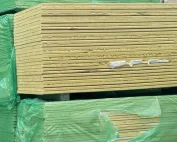
Mineral wool can be fitted into the space between structural elements in the manner intended for the given product. In many assemblies it helps to limit sound transmission. Its fire properties can be an important argument when selecting the whole solution.
However, material names alone should not be compared without data on density, thickness and application. The fire resistance of a finished roof does not result solely from the type of insulation. It also depends on the coverings, connections and structure. In addition, mineral wool must be protected from permanent moisture.

Where are EPS and XPS considered?
EPS is available in grades intended for specific loads and applications. In flat roof assemblies the correct product and a compatible waterproofing must be selected. A board intended for another part of the building does not become suitable roof insulation merely because it has a similar thickness.
XPS is considered, among other things, in solutions where moisture and loads are significant. Its suitability must follow from the design of the given assembly. It should not be assumed that every PIR or EPS board can replace XPS without checking water absorption, strength and long-term performance.
A flat roof requires checks on loads and coverings
The insulation may be affected by the roof layers, service traffic and equipment supports. The stress value at a defined deformation is not automatically a permissible long-term load. Suitable data and a designed method of transferring pressures are required.
The facing of the PIR board must be compatible with the chosen method of fixing the waterproofing. Not every product is suitable for the same adhesive or welding method. Falls and outlets should prevent ponding. Thermal insulation with low water absorption does not replace a watertight roof.
Or perhaps a sandwich roof panel?
A sandwich panel combines an insulating core with metal facings. It is a different product from a standalone PIR board with a thin facing. It can form the roof enclosure between supports within the limits resulting from calculations. Span, fixings and sealing conditions must be checked.
For thermal comparison, the parameters given for the specific panel and its joints are used. The acoustic and fire requirements of the building also matter. A wall panel does not automatically replace a roof panel. Their locks and external profiling serve different tasks.
What determines a good result after installation?
The insulation must remain continuous, dry and correctly connected to adjacent building elements. Particular attention is required at windows, chimneys, walls and service penetrations. Air leaks can introduce moisture into the layers. Buying material with a low lambda value alone will not fix this.
In the offer, compare the cost of the complete assembly, including fixings, tapes and labour. Ask for the building element to be calculated and for specific products to be specified. This way, the choice of PIR, mineral wool, EPS or XPS follows from the roof’s requirements rather than from a general promise of the best insulation.
7 branches. Materials closer to your project.