Protecting sheet metal roofing against rust at edges and fixings
Renovation and maintenance
Protecting a metal roof from corrosion depends above all on matching the coating to the conditions around and inside the building. It is worth checking whether the chosen variant is permitted for the given environment, what its application limits are and what maintenance it requires. Neither the colour alone nor a declared warranty determines how effective the protection will be. The sections that follow cover transport, cutting, drainage and upkeep, which influence the durability of the covering just as much.
What actually protects the steel core?
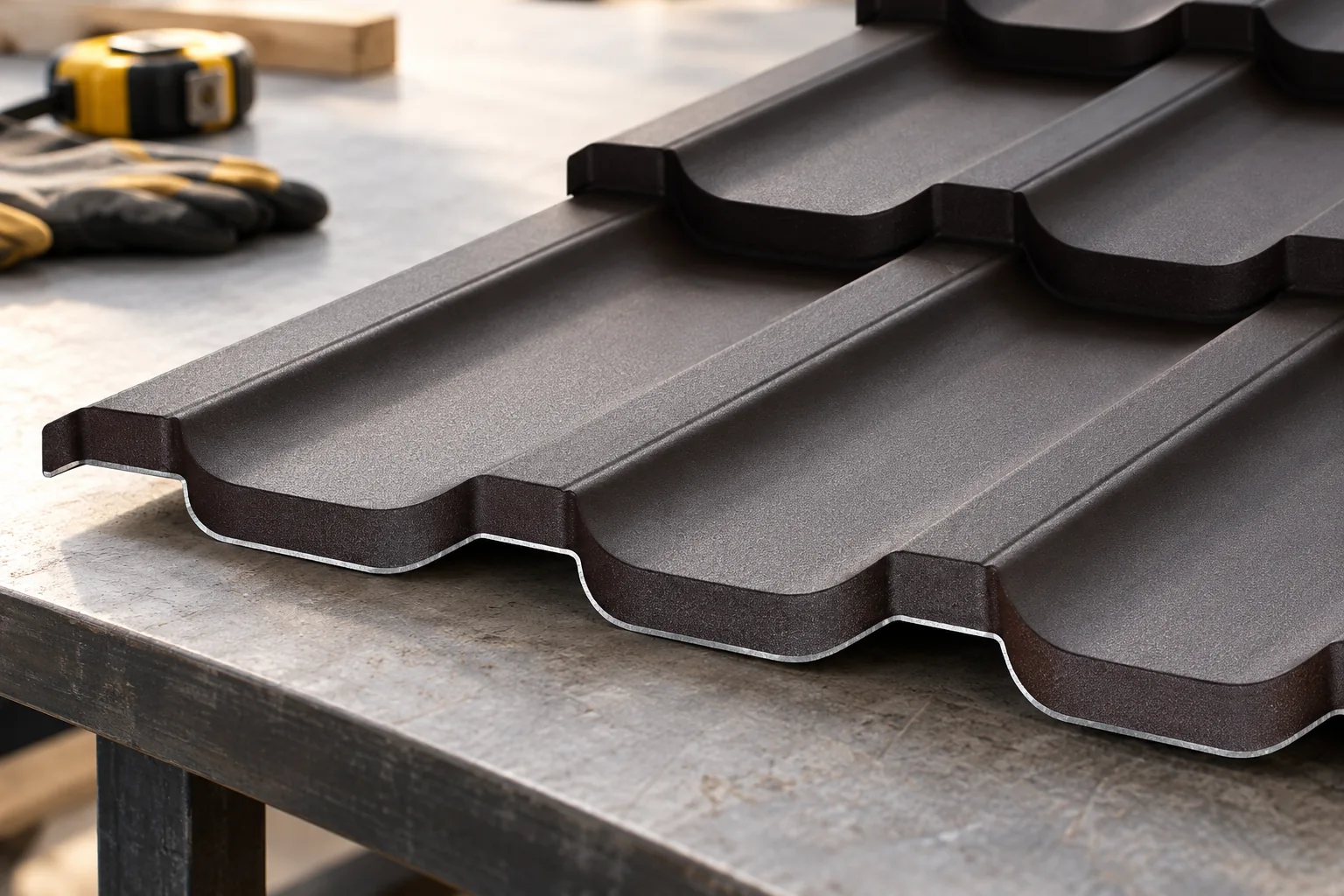
Steel roofing sheet can have a metallic protective layer and an external organic coating. Each serves a different function. The layer structure, its parameters and intended use must be read from the documentation. The colour name alone does not describe the corrosion protection.
The coating on the underside also matters. It is affected by the environment under the roof, including moisture and ventilation conditions. The external appearance of the roof surface does not give full information about the condition of the sheet. During an inspection, it is worth examining the accessible sections from below.
Coating selection depends on the environment
Different conditions apply to an ordinary house than near sources of pollution or in an agricultural building. The coating is selected for the external and internal environment. Not every variant approved for a house roof is suitable for contact with aggressive vapours.
In the data sheet, check the application limits, corrosion resistance and maintenance requirements. A longer declared warranty does not replace this assessment. Its conditions may depend on the building location, inspection intervals and the way damage is repaired.
Moisture in the pack can damage new material
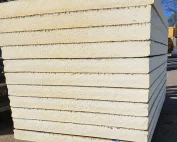
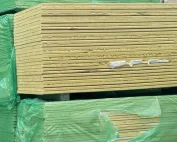
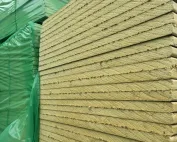
Sheets should be transported and stored in accordance with the supplier’s instructions. Water trapped between the sheets has difficult drying conditions. Tightly wrapping a wet pack in foil can therefore worsen the situation instead of effectively protecting the material.
On delivery, the packaging, edges and visible surfaces must be inspected. Any moisture or damage should be documented immediately. Further handling should follow the storage instructions. Pads, ventilation and protection against contact with the ground are essential.
Cutting and swarf: two common sources of problems
Coated steel sheet is cut with tools approved for cold working. An angle grinder can damage the protective coating through high temperature and hot particles. The risk also applies to adjacent sheets onto which sparks fall.
After drilling and cutting, metal filings must be removed. Leftover particles rust on the surface and can damage it. A red spot does not always immediately mean corrosion of the sheet core. First, it must be established whether the source is a foreign filing or a coating defect.

Water must have a drainage path
Accumulated leaves and deposits retain moisture at valley flashings, flashings and gutters. Removing them limits prolonged contact between the steel sheet and water. Correct positioning of flashings is also important. Local water pooling requires correcting the cause, not just repainting the stain.
From beneath the roof, the designated ventilation paths and the correct layer arrangement must be maintained. Condensation can occur despite a tight covering. Repairing corrosion without reducing persistent moisture usually gives only a short-term result.
How to clean a roof without damaging the coating?
For ordinary soiling, mild methods in accordance with the user instructions are used. This usually means water, soft accessories and an approved cleaning agent. A wire brush and aggressive solvent can leave a bigger problem than the deposit itself.
The pressure washer parameters must be checked for the specific covering. Too strong a jet can damage the protective layer or force water under the overlap. Cleaning at height requires securing the work area. It should not be a reason for walking accidentally on the roof slope.
When is a local repair sufficient?
Minor damage can sometimes be protected with the specified touch-up paint. Beforehand, the substrate must be assessed and prepared in accordance with the recommendations. A thick layer of random paint does not replace removing the cause. The touch-up may also differ in shade from the factory coating.
Extensive flaking, corrosion at fasteners or perforation require a broader assessment. Sometimes replacement of the sheet will be justified. Before interfering with material covered by warranty, the reporting procedure must be checked. It is advisable to keep photos of the condition before repair.
After the repair, the area must be checked again after a period of use. Rust recurring under the edge of the patch may indicate improper preparation of the substrate or continued dampness. In such a case, adding another coat of paint makes it harder to assess the extent of the problem.
How to keep simple inspection records?
Photographs taken from the same positions show whether the damage is spreading. When recording, it is worth noting the date, location and the work carried out. Such documentation helps distinguish a one-off scratch from a growing moisture problem.
The inspection schedule should be adapted to the instructions and the conditions around the building. Additional inspections are needed after work on the roof or a strong gale. Rapid removal of metal filings, blockages and small defects usually limits the scope of later repair.
7 branches. Materials closer to your project.