Roof maintenance: how often to inspect and what to check
Renovation and maintenance
The answer is that a roof’s condition depends not on the colour of the sheeting but on regular checks of drainage, coating, fixings and flashings. Begin with the user manual and warranty terms, since these set the minimum inspection frequency. Then assess the surroundings: a roof under trees or in a heavily dusty spot needs more frequent removal of debris. Decide also whether a windstorm, hail or antenna work calls for an extra look. Many changes can be spotted from the ground, a window or photographs, but leave access to the slope to someone trained to work at height.
Why does a functional roof also require attention?
Dust, leaves and environmental deposits accumulate on the steel sheet. They retain moisture and, in depressions, can impede water drainage. A branch rubbing against the coating or a stray steel swarf can cause local damage. From a distance the roof still looks good, even though the problem is starting at a small point.
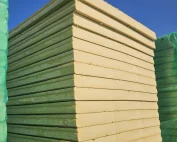
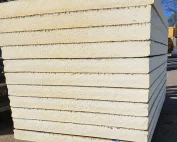
Regular inspection allows such places to be detected before a stain appears on the ceiling. This applies to tile-effect metal roofing, T18, T35 and insulated sandwich roof panels. Signs of damp visible from the attic side must also be checked. Each of these coverings has different joints. The scope of work should therefore be matched to the system used, and not solely to the colour of the steel sheet.
How to determine the inspection frequency?
First check the user manual and the warranty conditions. Some require cleaning at least once a year. This does not mean, however, that one date is sufficient in every environment. A roof under trees or in a place with heavy dust may require more frequent removal of contamination.
A good moment to assess drainage is the period after the leaves have fallen. After winter, the effects of snow and ice accumulation can be checked. Plan additional inspections after a gale, hail or work on the antenna. Do not postpone the inspection if new sounds from the steel sheet or signs of moisture inside have appeared.
Which places should be inspected first?
Start with the gutters, roof valleys and outlets. Remove obstructions that retain water. Then check the areas around the chimney, windows and service penetrations. At these points different materials and drainage directions meet. Even a good covering will not compensate for a poorly executed junction with the flashing.
Also assess the screws, seals and cut edges. Do not, however, tighten all fasteners without identifying the problem. Excessive pressure can deform the washer or the steel sheet. In a sandwich panel, the locks and seals on the inside are also important. Their repair should correspond to the documentation for the given joint.

How to safely wash the coating?
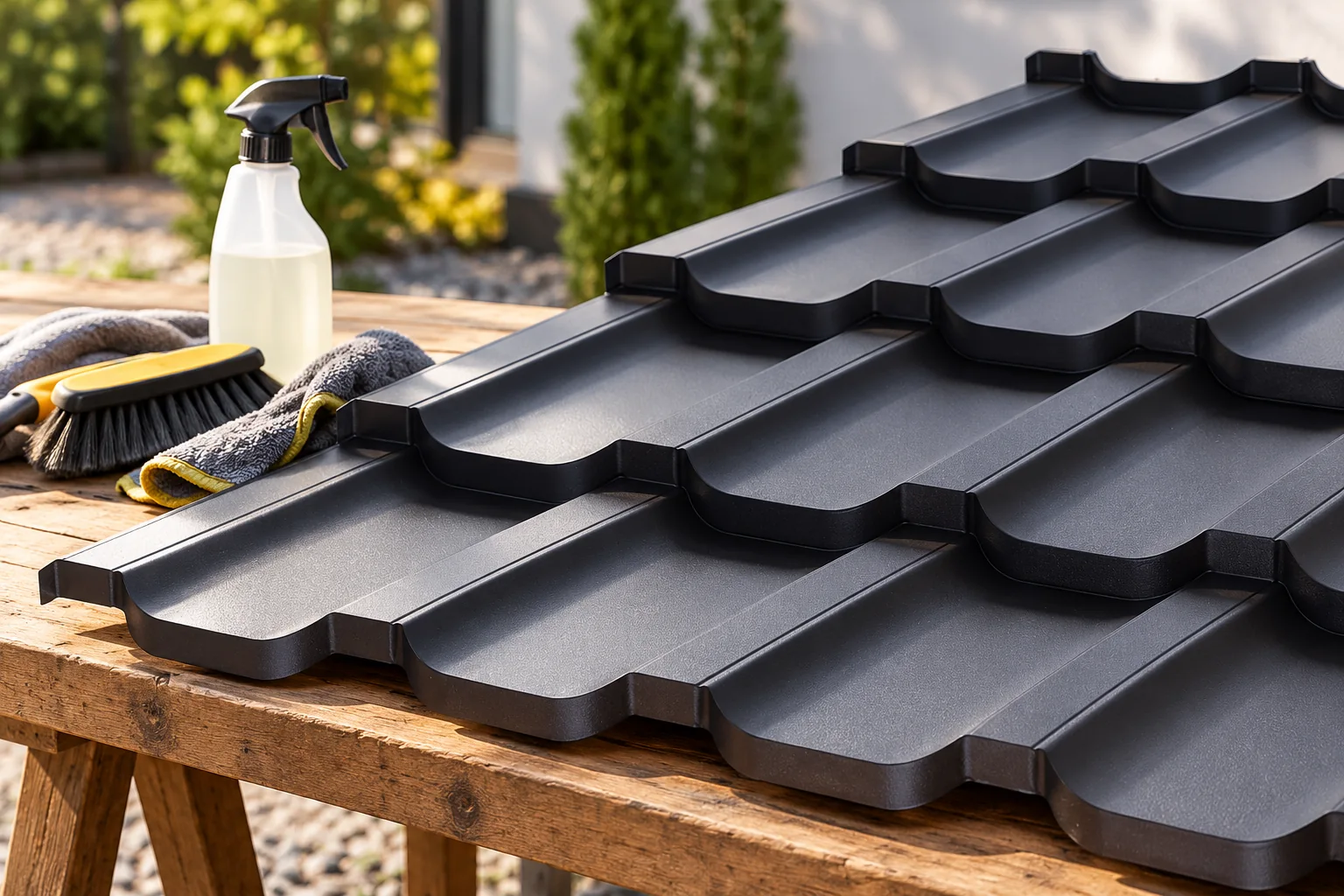
Cleaning usually starts with water and a soft brush. Stubborn soiling requires a product approved for the specific coating. Check its application instructions and carry out a test in an inconspicuous area. A strong solvent may damage the surface, even though it quickly removes the visible stain.
Do not scrub the roof with a hard wire brush. Also avoid directing water under the laps and seals. A pressure washer may only be used within the range permitted by the instructions. After cleaning, remove any product residues. Dirty run-off water should not remain in the depression by the chimney or in the roof valley.
When is a local repair sufficient?
Minor damage to the coating may require cleaning and a touch-up product matched to the material. The repair should cover the damage without creating random thick patches. The type of product and the method of preparing the substrate must be checked before work begins. A similar colour alone does not mean chemical compatibility.
Perforation corrosion, major deformation or a torn-out fixing require a broader assessment. Sometimes it is better to replace a section of the covering than to apply another layer of compound. The repair must remove the cause. If water constantly stands under the sheet metal, a spot touch-up will not provide a lasting result.
Should the owner go up on the roof themselves?
Many changes can be spotted from the ground, from a window or in photographs. Going onto the roof surface requires suitable access and fall protection. Wet or dirty sheet metal can be slippery. Do not assume that the visible surface of a sandwich panel allows walking anywhere on it.
Entrust an inspection that requires going onto the roof to a person prepared for work at height. They should know the position of the supports and the rules for moving on the given covering. It is also worth inspecting the roof access elements at the same time. Their fixing must not rely on a random screw into thin cladding.
What should be recorded after an inspection?
Keep the date, photographs and a short description of the work carried out. Mark the places where scratches, discolouration or leaks have appeared. At the next inspection it will be easier to assess whether the change is spreading. Such a record is also helpful when establishing the cause of a fault with the contractor.
Include the products used and spare parts in the documentation. Work on the photovoltaic installation or the chimney is also worth recording. A roof changes together with the building’s equipment. The maintenance plan should take these changes into account instead of being limited to repeating one general entry in the calendar.
7 branches. Materials closer to your project.