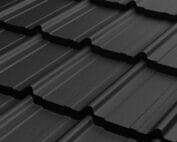
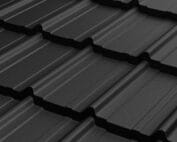
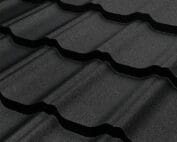
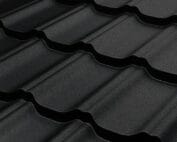
Tile-effect steel sheets or concrete roof tiles for your home?
Choosing the covering
The choice between metal roofing tiles and concrete tiles depends mainly on what the roof structure can carry. Metal tiles are light, whereas concrete tiles consist of many heavier elements, so before ordering check the load capacity of the trusses in the product documentation and consult a structural engineer. Also consider the shape of the slopes, the pitch, ventilation and flashing methods, and the possibility of later repairs. During renovation, a lightweight material does not exempt you from inspecting the old rafters. Compare the full installation cost, not just the appearance of a sample.
What can the roof structure carry?
The weight of the covering must be checked in the documentation for the selected product. Tile-effect metal roofing usually places significantly less load on the roof structure than concrete tiles. During renovation this can be of great importance. It does not mean, however, that the old structure can be left without inspection. A rotten rafter bearing still requires repair.
The structural engineer also takes into account snow, wind, insulation and roof equipment. A lightweight material does not exempt you from proper anchoring. Strong wind can exert an upward force on the covering. Changing the type of covering therefore requires checking the entire system, not just comparing kilograms.
How does the shape of the roof slopes affect the choice?
On a simple gable roof, tile-effect metal roofing cut to size works well. The sheet lengths can be matched to the roof slopes. Transport, lifting onto the roof and safe handling must be planned for. A very long sheet is more easily damaged when caught by the wind or poorly supported.
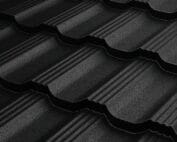
With dormers and numerous corners, modular tile-effect metal roofing is often more convenient. Small sheets allow cuts to be planned in successive rows. Concrete tiles are also laid from small elements. In every variant, waste should be calculated from the material layout rather than assuming the same percentage for all roofs.
Does every covering suit every pitch?
The minimum pitch depends on the specific system. The profile, overlaps and the layer beneath the covering are significant. Values should not be transferred from one datasheet to another product. For example, additional sealing required for a given roof slope can change the cost and method of executing the entire roof.
For a low pitch, ask about the full cross-section and permissible details. For a steep pitch, the fixing of elements and protection against sliding snow become important. The roofer should know the selected material before the battens are laid out. Correcting a finished framework can cancel out the saving on the covering purchase.

What can be heard under the roof during rain?
The sound of rain does not depend solely on the material visible from the outside. The substrate, insulation, airtightness and attic finish all matter. A single steel sheet over an open carport behaves differently from a covering over an insulated bedroom. Such two installations are not worth comparing as a test of the materials alone.
Heavier covering can have a beneficial effect on damping, but it will not fix leaky construction. For a habitable attic, ask for an assessment of the entire assembly. If silence is particularly important to you, establish this before selecting insulation and windows. PIR board used for thermal insulation does not automatically provide the best acoustic protection.
How can you compare the real cost?
The comparison should cover an identical area and the same scope of work. On the tile-effect metal roofing side, include sheets, flashings, fastenings, seals and ventilation. For tiles, also include edge and ridge elements and the necessary accessories. The price of the basic element usually does not cover all terminations.
For both variants, add the substructure, underlay, labour and transport. Separate any reinforcement of the roof structure. Only such a calculation will show the difference. Check the square metres quoted in the offer for overlaps. The area of purchased sheets may be larger than the finished covering area.
How can you assess the appearance and subsequent maintenance?
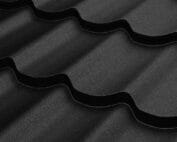
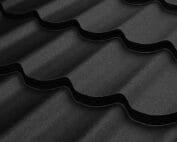
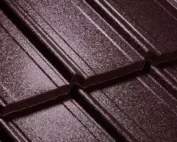
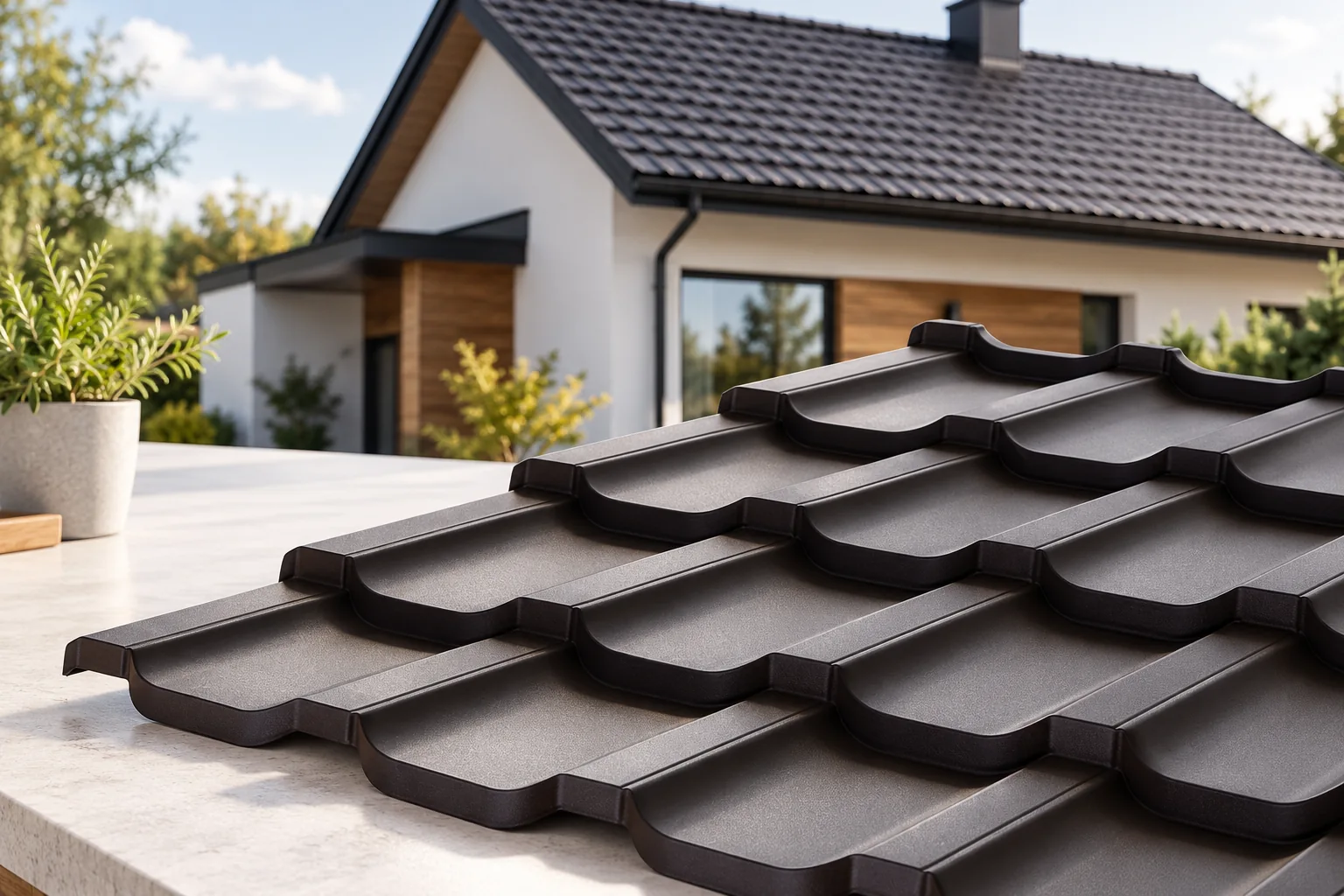
View the sample in daylight next to the planned façade. For steel sheet, the height of the profiles, the gloss and the coating matter. For tiles, the profile and the surface finish matter. Colour on screen is not a reliable reference for ordering. A dark shade can look completely different on a large roof slope.
Both roofs require inspection of flashings, drainage and penetration points. The sheet coating must be protected from scratching and accumulated dirt. A damaged tile can be replaced individually if a matching element remains available. For steel sheet, the repair method depends on the size of the damage and the sheet layout.
What should be established before ordering?
Prepare a drawing of the roof slope, the eaves lengths and information about the attic. Include a list of chimneys, windows and planned installations. Ask for two cost estimates with an identical scope. Also ask who will check the structure and take responsibility for the measurements. This reduces disputes about missing materials during installation.
Tile-effect metal roofing will be a strong candidate when low weight and efficient covering matter. Concrete tiles require a structure suited to their loads. The final choice should suit the building and the installer. The most advantageous purchase is a complete covering that can be properly installed and later maintained.
7 branches. Materials closer to your project.