Tile-effect metal sheets or bitumen shingles: which suits your roof?
Choosing a covering
The choice between metal roofing tiles and bituminous shingles depends on the roof pitch, geometry and condition of the structure, not on the price of the outer layer alone. Before deciding, check whether the chosen material falls within the permitted slope range and whether the existing substrate needs preparation or replacement. Also compare the requirements for ventilation, detail flashings and subsequent maintenance. Remember that comfort and cost are determined by the entire layer build-up, not just the visible surface of the covering.
How does the construction of the two solutions differ?
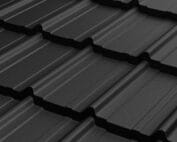
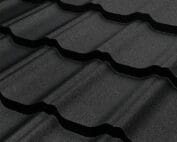
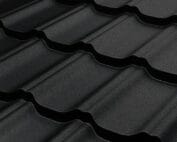
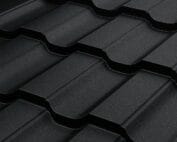
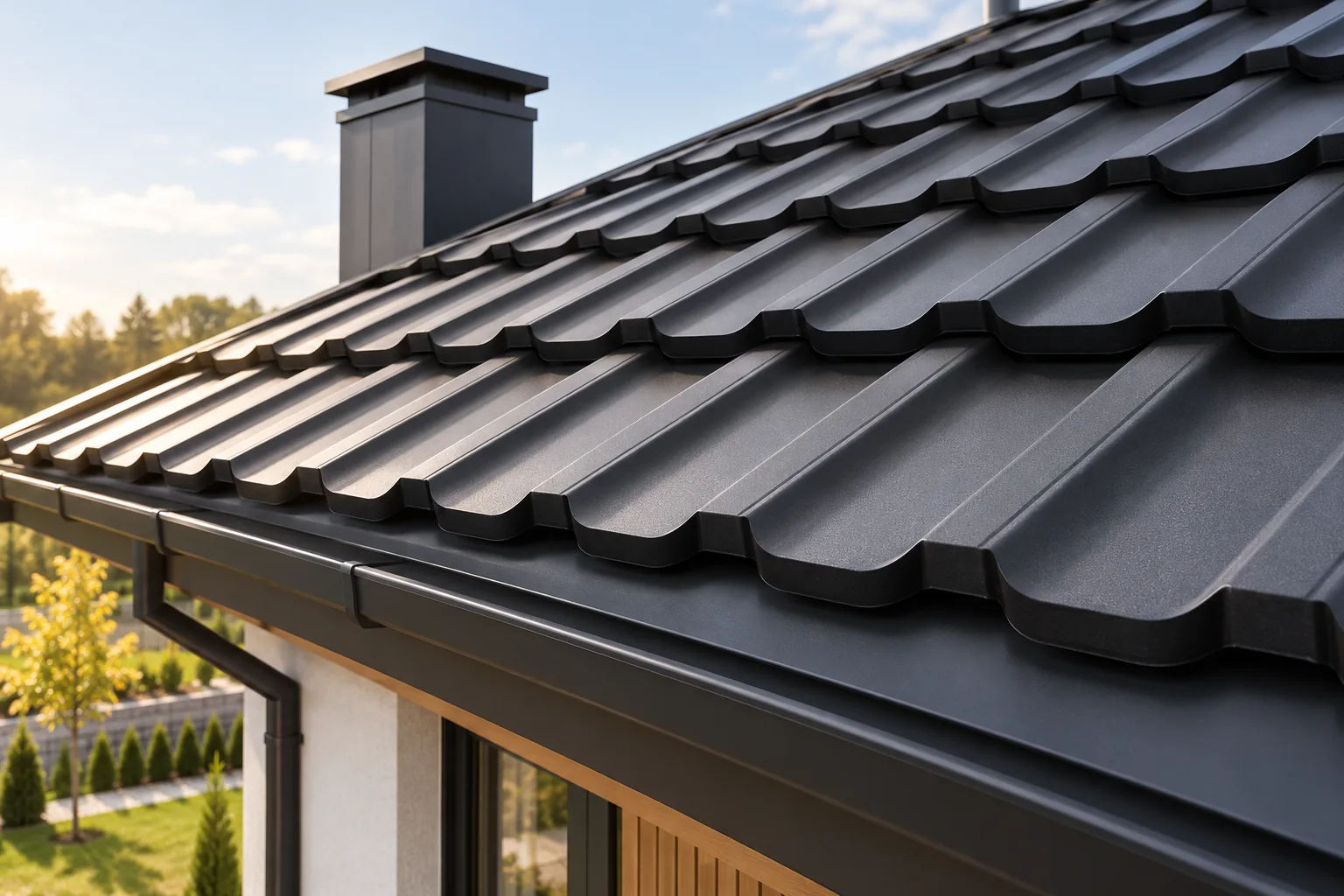
Tile-effect metal roofing is a profiled steel sheet with protective layers. It may take the form of long elements cut to size or smaller modules. Bituminous shingles are a flexible material laid on a suitably prepared rigid deck. These differences affect roof preparation and the way loads are transferred.
It is not enough to compare the weight of a single square metre of covering. For structural calculations, all layers must be taken into account, including the deck and the battens. In a renovation, the condition of the existing substrate can significantly change the scope of work. A material that looks favourable in a catalogue does not always make for the simplest upgrade of a specific building.
How does the roof pitch limit the choice?
Each product has a defined scope of application and installation conditions. The minimum pitch must be checked in the documentation for the selected model. It may be related to how the substrate, the laps and additional safeguards are executed. A similar appearance of two products does not mean the same requirements.
Do not choose the covering first and then try to adapt the existing roof to it. At a low pitch, assessing water runoff and the tightness of details is particularly important. If a given material does not fall within the permitted range, the solution needs to be changed. An additional layer of random sealant does not change the rules for using the product.
What changes with a complex roof shape?
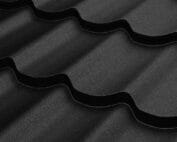
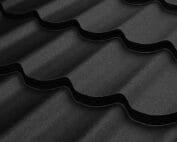
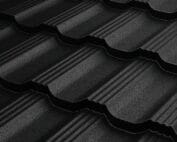
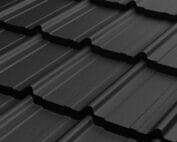
On simple roof slopes, cut tile-effect metal roofing can make good use of matched sheet lengths. With many roof valleys and breaks, offcuts must be calculated. Small modules make it easier to organise work on such sections. However, they do not guarantee a predetermined level of waste or savings.
Shingles require suitable preparation of a continuous substrate, including in difficult locations. Their flexibility does not exempt you from producing correct flashings. Roof valleys, chimneys and edges still need designed water drainage. The comparison should therefore cover specific details, not a general slogan about easy covering of any shape.
How to assess comfort in the attic?
A single metal sheet is not insulation for a house. The indoor temperature is determined by thermal insulation, airtightness and ventilation conditions. Likewise, the choice of shingles alone does not ensure adequate comfort. The entire build-up of the partition must be assessed, including junctions and locations where thermal bridges occur.
Rain noise also does not depend solely on the external material. The substrate, insulating layers and the finish of the room matter. If the attic is to be used for sleeping or working, include acoustics in the design. A subjective opinion about another house may relate to a completely different layer arrangement.

What should be compared in terms of durability?
For tile-effect metal roofing, the steel parameters, coatings and approved service environment are what count. The method of cutting, fastening and protection against scratching are important. For shingles, read the properties of the specific product and the requirements for its substrate. There is no single number of years describing all products in either of these groups.
Pay attention to the warranty conditions and the method of repairing local damage. The roof should have accessible details allowing inspection. In both variants, contamination and faulty drainage can worsen the conditions of use. Ensuring that the roof can be completely forgotten after installation is a poor purchase criterion.
How can cost be compared fairly?
For tile-effect metal roofing, count the sheets, the battens, the underlay, the flashings and the fasteners. For shingles, include the required sheathing and the entire planned underlay arrangement. In both cases, add the execution of details, drainage and safe access. Only these breakdowns show the difference in budget.
For a renovation, add dismantling and an assessment of the elements remaining on the building. Check whether the quote includes delivery and preparation of the substrate. Do not assume identical labour simply because the surface area of both roofs is the same. A different technology means different activities and different conditions for organising the work.
When will the decision be well justified?
First, select the variants approved for the structure and the pitch. Then compare the appearance of a larger area, the full quote and the maintenance requirements. For a house with a simple roof slope, it is worth calculating cut tile-effect metal roofing. For a complex roof, the modular version will also be a good point of comparison.
Consider shingles together with the entire required substrate, not as the material from the pack alone. If you already have a sound sheathing, its condition may be a significant argument. The final choice should result from measurement, documentation and a work plan. This avoids buying material that later forces costly structural changes.
7 branches. Materials closer to your project.