Why do insulated panels of the same thickness have different prices?
Sandwich panels
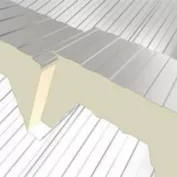
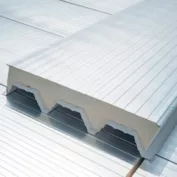
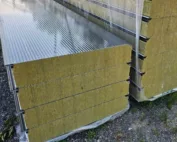
The same thickness does not mean the same insulated panel. The price depends on the core, both facings, coatings, the joint and the declared properties. Lengths, colour, order size and the reason for any price reduction also have an influence. Compare products intended for the same function and calculate the cost of the complete enclosure. It is worth first explaining the price difference through the specification, and only then assessing it as a saving. In a wall panel, the thickness usually defines the cross-section of the element in accordance with its data sheet. In a roof panel, the high profiling of the steel sheet is also present. A designation with two dimensions may distinguish the core thickness and the overall height at the rib. The price should not be compared on the basis of the larger number alone.
What lies behind the thickness designation?
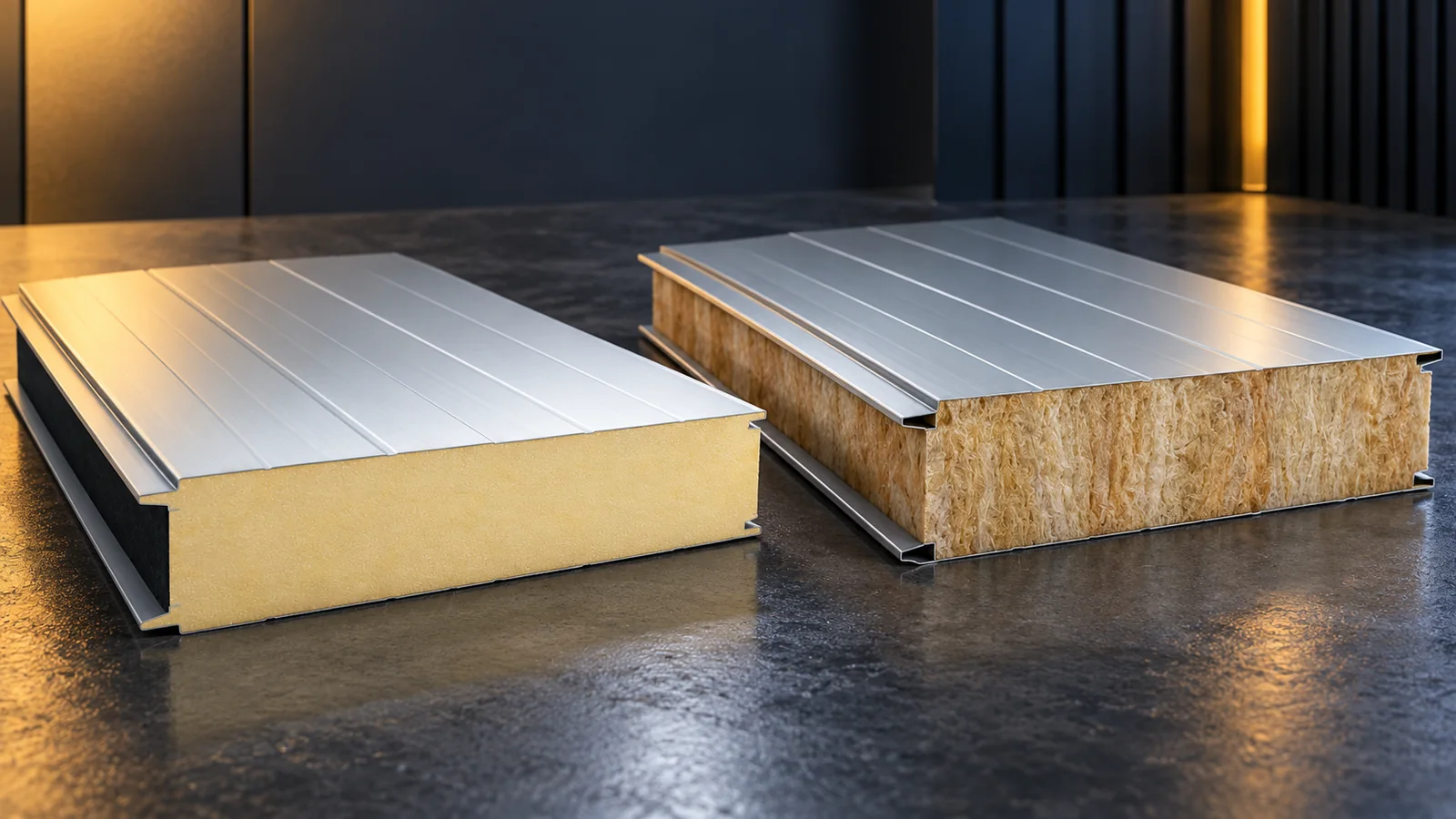
In a wall panel, the thickness usually defines the cross-section of the element according to its data sheet. In a roof panel, there is additionally the high profiling of the steel sheet. A designation with two dimensions may distinguish the core thickness and the overall height at the rib. Do not compare prices based on the larger number alone. First check the drawing and how the dimension is stated.
Two 100 mm panels can also have a different insulating material. PIR and mineral wool have different thermal properties, mass and fire behaviour. They are not interchangeable simply because they fit between the same lines on a drawing. What matters for the project is the required performance: thermal insulation, load-bearing capacity and fire properties. The price should relate to the product that meets this scope.
How does the core affect performance?
A lower thermal conductivity of the core allows the thickness needed to achieve a given thermal resistance to be reduced. For the finished panel, however, the U or Uc value from the documentation should be checked. Taking the joint and fastenings into account can change the result. The material name alone is therefore not enough to argue that two offers provide identical thermal insulation.
Within one product family, a 100 mm PIR wall panel has a Uc of 0.22 W/(m²·K), while a mineral wool panel of this thickness has 0.39 W/(m²·K). This example shows why the data sheets must be read. It does not determine which variant will be better for the whole building. The choice may result from the required fire classification or acoustics. Do not judge the quality of the core solely by its density.
Why must both steel sheets be compared?
The designation 0.5/0.5 mm means the thicknesses of two facings. In a cheaper offer, one of them may be thinner. This affects the mass and the behaviour of the composite element, not just the appearance. For comparison, the tables specific to the exact combination of steel sheets are needed. Data for the stronger variant do not automatically carry over to a version with a similar name.
Check the coating on the external and internal side separately. Different environments require different protection. A standard finish for a warehouse hall does not have to correspond to a humid room with frequent cleaning. The coating thickness is only one piece of information. The type of coating, intended use, cleaning conditions and scope of warranty are important. A more expensive surface makes sense when it matches the actual exposure.

Do a hidden joint and classifications justify a surcharge?
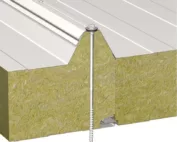
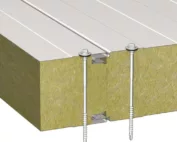
Concealed fastening changes the appearance of the façade and the construction of the edge. It may have different fastening rules and thermal data than a standard joint. It is not just an additional cover hiding the screw. Check the cover width module, permissible laying directions and how corners are resolved. When comparing costs, include the required accessories.
Declared fire classes and acoustic parameters must relate to the specific product and scope of application. Mineral wool in the core alone does not confirm any given EI class for a wall. A reaction-to-fire classification does not replace fire resistance. Do not pay for a slogan detached from the documents. A surcharge is justified when you receive a property genuinely needed in the project and possible to maintain during installation.
Where do the differences between warehouse and production come from?
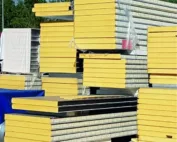
Panels from stock have specified lengths, colours and quantities. Made-to-order material may fit the wall or roof layout better. A cheaper metre from an available batch may mean more waste. On the other hand, well-matched stock sections can reduce cost and waiting time. What matters is the actual dimensions, not the sales method alone.
Also clarify whether the offer relates to first or second grade. In a discounted batch you need to know the reason for the reduction and the properties retained. Not every promotion should be equated with a defect, nor every end-of-series with full documentation compliance. What matters is the delivery identification, the condition of the locks, the storage conditions and the possibility of buying matching components.
How do you create a comparison that shows the real difference?
Record in a single comparison: core, thickness, steel sheets, coatings, module, lengths and lock type. Add the required U-value, fire parameters and load-bearing capacity. Check the basis of the price: net or gross, and for what area. Then calculate waste and add transport, fixings and flashings. Only a common scope allows you to see exactly what you are paying for.
If the specifications are identical, the difference may arise from batch size, commercial terms or lead time. This is worth clarifying in the quote. If they differ, do not reduce the decision to a single thickness number. A favourable purchase is a panel suited to the task, delivered in useful dimensions and with the necessary documents. A low price per metre alone confirms none of these features.
7 branches. Materials closer to your project.