Tile-effect metal roofing or trapezoidal T18 or T35? What to choose for a house roof
Sheet metal and roofs
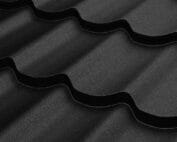
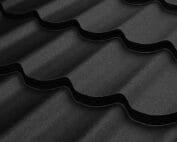
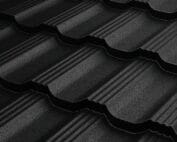
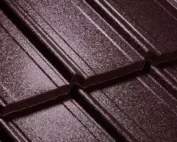
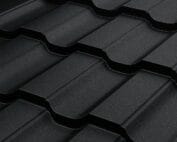
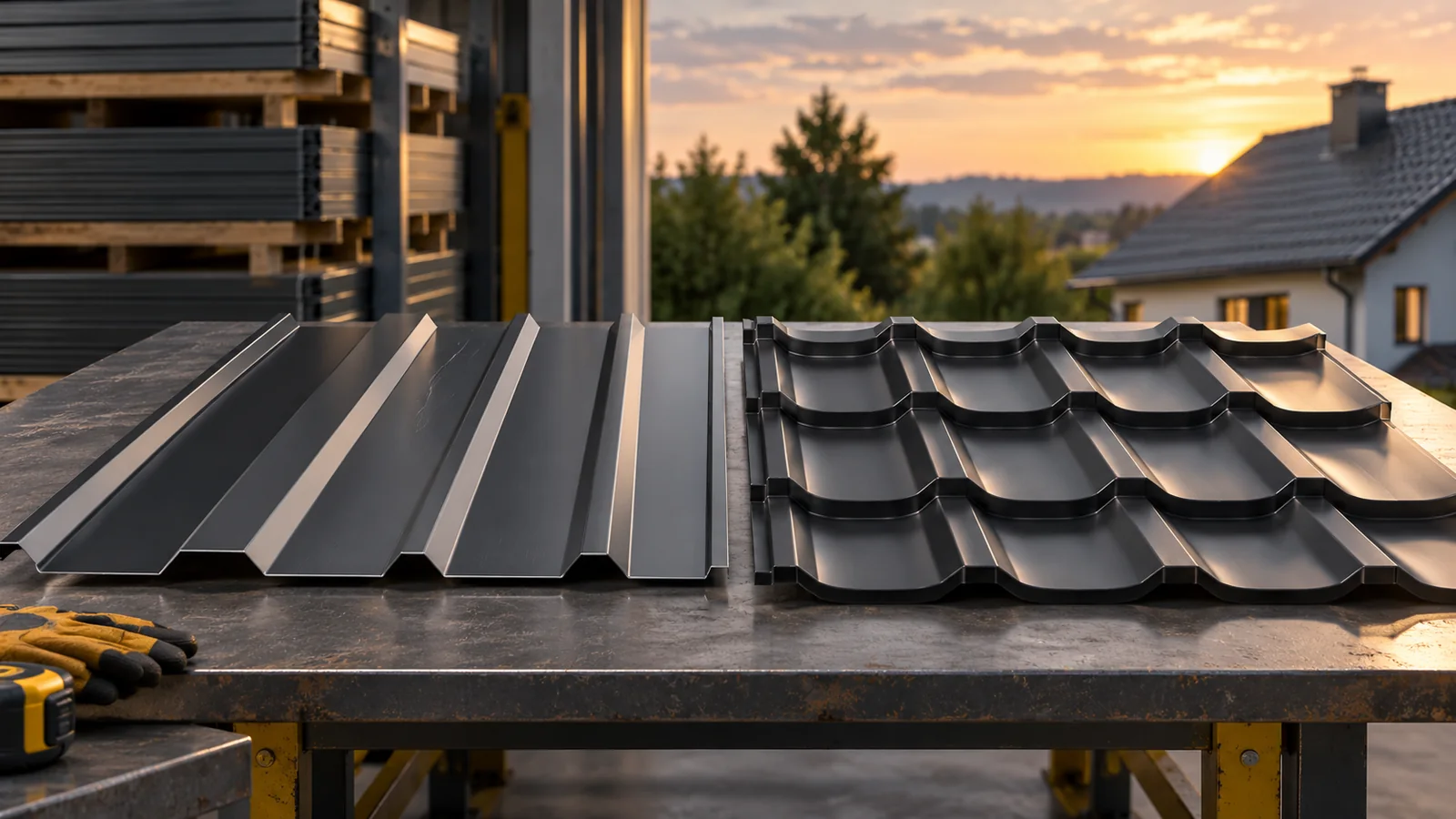
Tile-effect metal roofing, T18 and T35 can be used on house roofs if they suit the design and installation conditions. They differ in appearance, geometry and method of cutting. A higher profile alone does not mean a better roof. The choice should be determined by roof pitch, support, full cost and aesthetic expectations. The comfort of the attic, however, depends on the entire layer system, not just the shape of the outer sheet. Tile-effect metal roofing has transverse ribs that divide the surface into rows resembling roof tiles. Trapezoidal steel sheet forms a simpler pattern of long, parallel ribs. T18 gives a finer pattern than T35. The profile height affects the shadow, so the same colour may look different on each of these coverings.
How does the building’s appearance change?
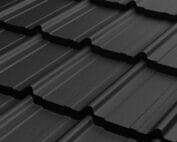
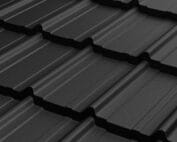
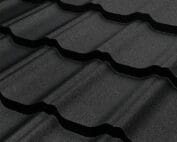
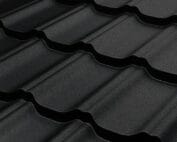
Tile-effect metal roofing has transverse pressings that divide the surface into rows resembling roof tiles. Trapezoidal steel sheet forms a simpler pattern of long, parallel ribs. T18 gives a finer pattern than T35. The profile height affects the shadow, so the same colour can look different on each of these coverings.
Trapezoidal sheet can suit a house with a simple, contemporary form. It is not reserved for agricultural buildings. Tile-effect metal roofing, in turn, offers a greater choice of forms referencing a traditional roof. Assess a sample in daylight and at a similar roof pitch angle. A small colour swatch does not show how the whole covering will reflect light or how visible the pressings will be.
Which covering suits the roof pitch?
The minimum pitch follows from the documentation for the specific model. There is no single value common to every tile-effect metal roofing or the entire family of trapezoidal sheets. The edges, laps, sheet length and additional seals matter. Choosing a material for an existing roof must begin with measuring the actual slope.
On a low-pitch roof surface, water drainage and limiting deflection are particularly important. One must not assume that a deeper T35 profile will automatically solve the problem of too small a pitch. Even a covering approved for a specific angle requires all the conditions from the instructions. Omitting a seal or using a different substrate can change the assessment of suitability.
Will T35 be stronger than T18?
Under comparable conditions, a higher profile can provide more favourable stiffness. However, this is not a sufficient criterion for selection. The cross-section, thickness, steel and arrangement of supports must be compared. A thin T35 should not be regarded as more reliable than any thicker T18 without checking the relevant tables.
Tile-effect metal roofing has yet another geometry and a required batten spacing linked to the module. The rules for trapezoidal sheet do not carry over to it. During renovation, the installer should check whether the existing battens are suitable for the new material. A correctly selected covering must transfer loads to the structure, and the fixings must also withstand wind suction. A thickness declaration alone is not enough.

How to compare cost without omitting accessories?
Prepare a separate schedule for each version.
| Comparison element | Why it is needed |
|---|---|
| Sheets after cutting | A different format results in different cuts and overlaps |
| Substructure | The spacing and scope of batten replacement may vary |
| Flashings and ventilation | They require adjustment to the profile |
| Transport and work | Sheet length affects handling |
Trapezoidal sheet can be cost-effective, but not every quote covers the same scope. Compare identical coatings and prices per m² of coverage. Cheaper sheet with more expensive logistics may deliver less saving than the price list suggests.
For a roof with several slopes, the material price should be based on specific lengths and quantities. A simple percentage surcharge can hide differences in coverage width. It is worth asking for offcuts to be marked on the drawing. If the installer plans to use offcuts elsewhere, the direction of the profiles and the alignment of the laps must be checked. This matters more than a small difference in the advertised price per single metre.
What about noise, heat and condensation?
All the solutions listed have a thin metal skin. Thermal comfort is provided by correctly selected insulation, and moisture requires control through the right layer build-up and ventilation. Replacing trapezoidal sheet with tile-effect metal roofing alone will not eliminate vapour barrier errors or a blocked air outlet at the ridge.
Anti-condensation fleece on the underside of trapezoidal sheet can temporarily retain condensation. It does not replace loft insulation or a correct membrane in any build-up. Acoustics are also affected by the internal lining and the airtightness of the assembly. If a bedroom is to be under the roof, the design should account for the full section. Room conditions should not be judged on the sound of rain on a single sheet.
How do you match the choice to the type of house?
On a simple roof, any of these materials can be considered and full quotes compared. On a complex slope, it is worth checking the short modules of tile-effect metal roofing and the cutting layout of trapezoidal sheet. In a renovated house, the condition of the structure and the possibility of replacing the substrate also come into play. In a building with a clear line of horizontal facade profiles, the appearance of the roof may matter more for overall coherence.
First rule out technically unsuitable variants. From the remainder, choose a coating suited to the surroundings and plan the flashings. Only then compare cost and aesthetics. A good roof does not require the most expensive profile. It requires a material whose parameters, support and installation match the specific slope.
7 branches. Materials closer to your project.