A home damp investigation report: checking conclusions and recommendations
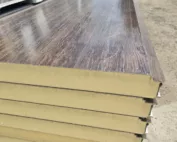
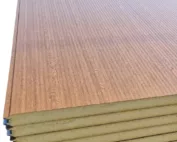
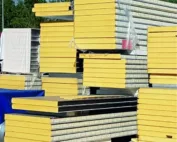
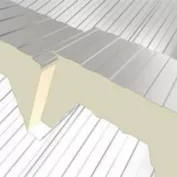
PIR insulation
A damp investigation report should support decisions about further work, rather than merely name a visible patch. Causes can involve incoming water, drying materials or indoor conditions. Distinguish observations and inspection results from the author’s interpretation. This article offers a way to read the documents received: checking scope, limitations, the reasoning behind recommendations and arrangements for later review. It is a client’s question list, not a method for self-diagnosis. Any recommendation for PIR insulation needs to relate to the identified cause and the complete building element. Naming a material alone does not explain which process it should address or how the repair’s outcome will be assessed.
In this article
Compare the report with the brief
First check which rooms and building elements were investigated. Compare that list with the commissioned scope. Assessment of one corner should not be read as confirmation of every wall’s condition.
Note the visit date and supporting documents used by the author. If a drawing or earlier assessment is referenced, ask for its exact version. A missing attachment makes the reasoning harder to follow.
Separate results from interpretation
A statement describing a mark on plaster is an observation. Identifying its moisture source is a conclusion requiring support. Ask how the collected evidence leads to that conclusion.
For numerical results, look for the method, location and test conditions. Do not independently compare values expressed in different units or obtained by different methods. Ask the report’s author to clarify uncertainties.
Locate the investigation’s limits
Check whether inaccessible areas are listed. Inability to inspect behind a lining should remain an explicit assessment limitation. Do not turn missing information into a statement that a concealed layer is dry.
If several possible causes remain, ask what would distinguish them. Further investigation should have a defined purpose. Avoid commissioning another general visit without explaining which uncertainty it needs to resolve.
Check the reasoning behind recommendations
Match each recommendation to the problem it addresses. Separate removal of the cause from reinstating finishes and optional upgrades. This distinction helps organise subsequent discussions with contractors.
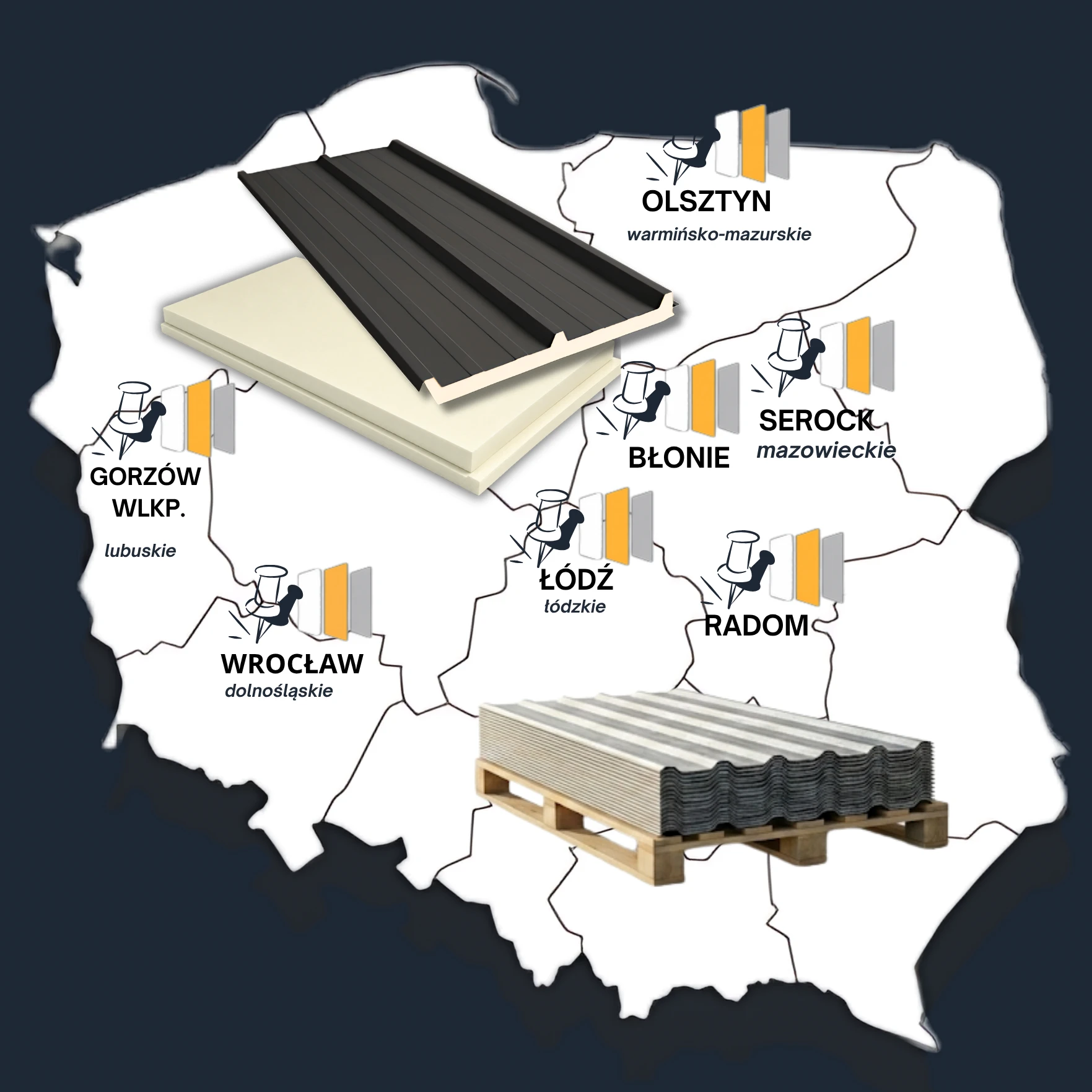
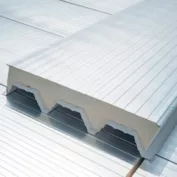
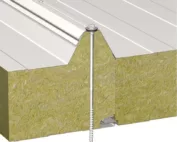
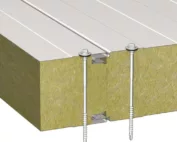
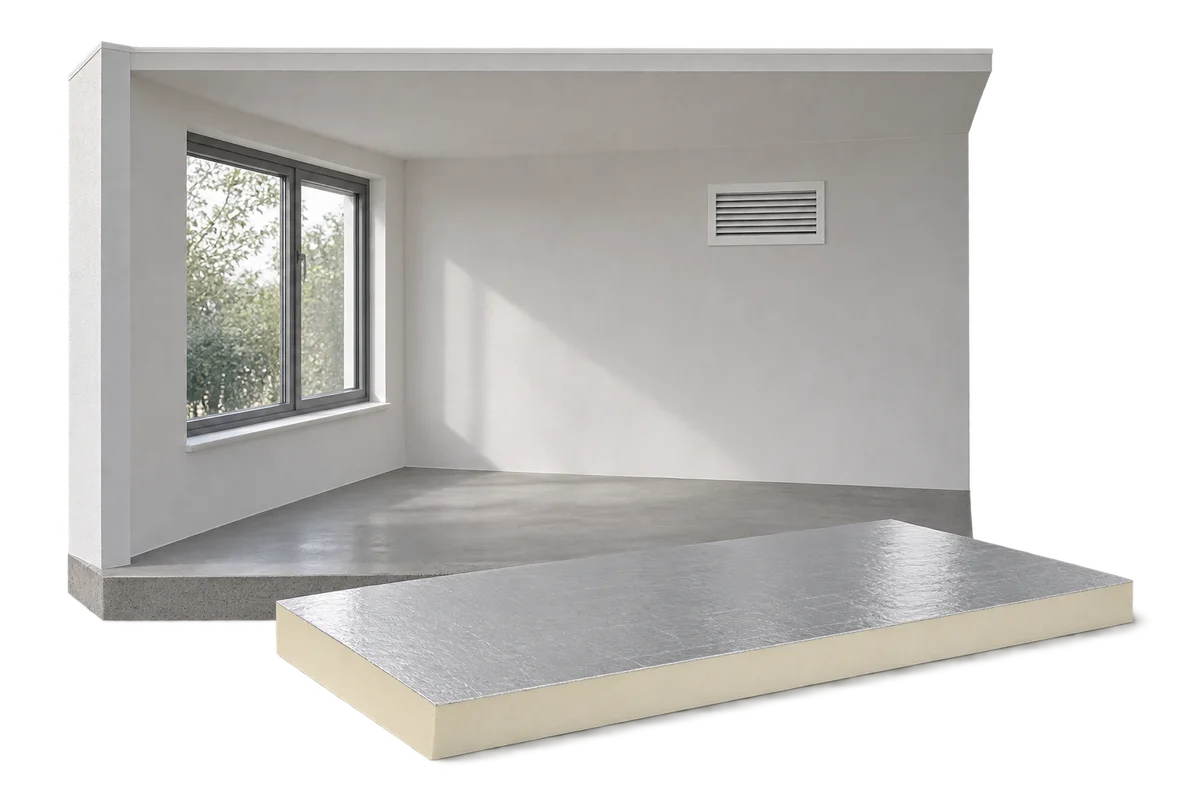
If PIR or another insulation material is named, ask what role it plays in the proposed solution. Establish who will develop the build-up and details. A shopping list does not justify selection of the complete system.
Agree how completed work will be checked
Before work starts, agree what will be checked afterwards and by whom. Assessment criteria should relate to the particular problem. Installing a new material does not itself describe an inspection outcome.
Keep the completed scope and verification results separate in the final records. If further observation is needed, record its conditions and a review date. Do not consider the matter closed merely because handover day has passed.
Clarify differences between assessments
Compare differing assessments by scope, data and assumptions, not page count. Their authors may have inspected different locations or worked under different conditions. Establish those differences before comparing proposed actions.
Send the author specific questions about unclear points. File the dated answers with the same records. Clarification should complete the decision trail rather than create another inconsistent set of recommendations.
7 branches. Materials closer to your project.