How to trace losses in a batch of stored potatoes
Practical guide
When establishing the cause of losses in a potato store, three pieces of information count: the condition of the batch on intake, where the damage occurred and when it was noticed. Wet tubers right by the door and a similar symptom deep inside a single box justify checking different causes. Combine a visual inspection with temperature and humidity readings, the position of the boxes and signs of leaks or condensation on the partitions. A single measurement describes only the conditions at one point and one time. The history of the batch lets you decide whether to check the delivery, the storage method, the ventilation or the condition of the building envelope first.
In this article
Record the symptom and its location in the batch
The first step is to describe the symptom precisely: whether it affects the surface of the tubers, their interior or the surrounding environment. Note which part of the batch the problem occurs in – at the wall, in the middle of the stack, at the door or under the ceiling. Such a record makes it possible to distinguish a local problem from a general one. It is worth keeping a chamber map with measurements and loss locations marked, as this will make later discussions with the designer and assessment of the effectiveness of repairs easier.
Symptoms should be linked to external conditions and how the store is used: the weather, door openings and the condition of the tubers. If the problem recurs in the same corner, the cause may be a local detail, e.g. a thermal bridge or a leak. If it affects the whole stack, the likely cause is the air flow distribution. This distinction matters because it leads to different remedial measures.
Establish the condition of the tubers at intake
The condition of the tubers at intake is crucial for subsequent storage. Freshly harvested potatoes require different handling from a batch intended for long-term storage. Their maturity, damage and surface moisture should be assessed. Processes such as drying, wound healing, gradual cooling and subsequent maintenance of conditions should be adapted to the condition of the tubers rather than to a fixed setting.
A lack of monitoring and rigid adherence to a single parameter can lead to further losses. Tubers continue to release heat, so airtight insulation must work together with controlled airflow. The target temperature depends on the intended use of the potatoes: seed potatoes, ware potatoes and processing potatoes do not always require the same values. This must be taken into account when the batch is first brought in.
Compare conditions at the wall and in the middle of the store
Temperature and humidity measurements should be taken at several points, also recording when ventilation is running. Corners, ceiling edges and the area around the door are particularly important. An even distribution of temperature and airflow is essential for limiting losses. If the problem is concentrated at the wall, this may point to a local thermal bridge or an air leak. If it affects the whole stack, the cause may be incorrect airflow.
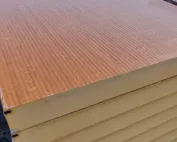
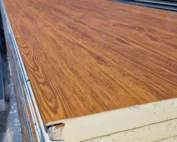
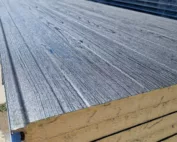
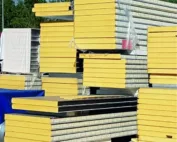
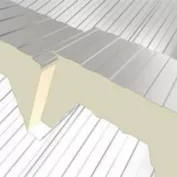
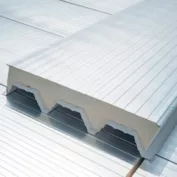
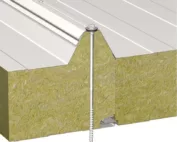
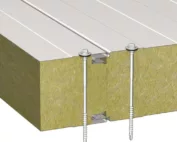
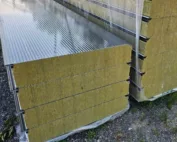
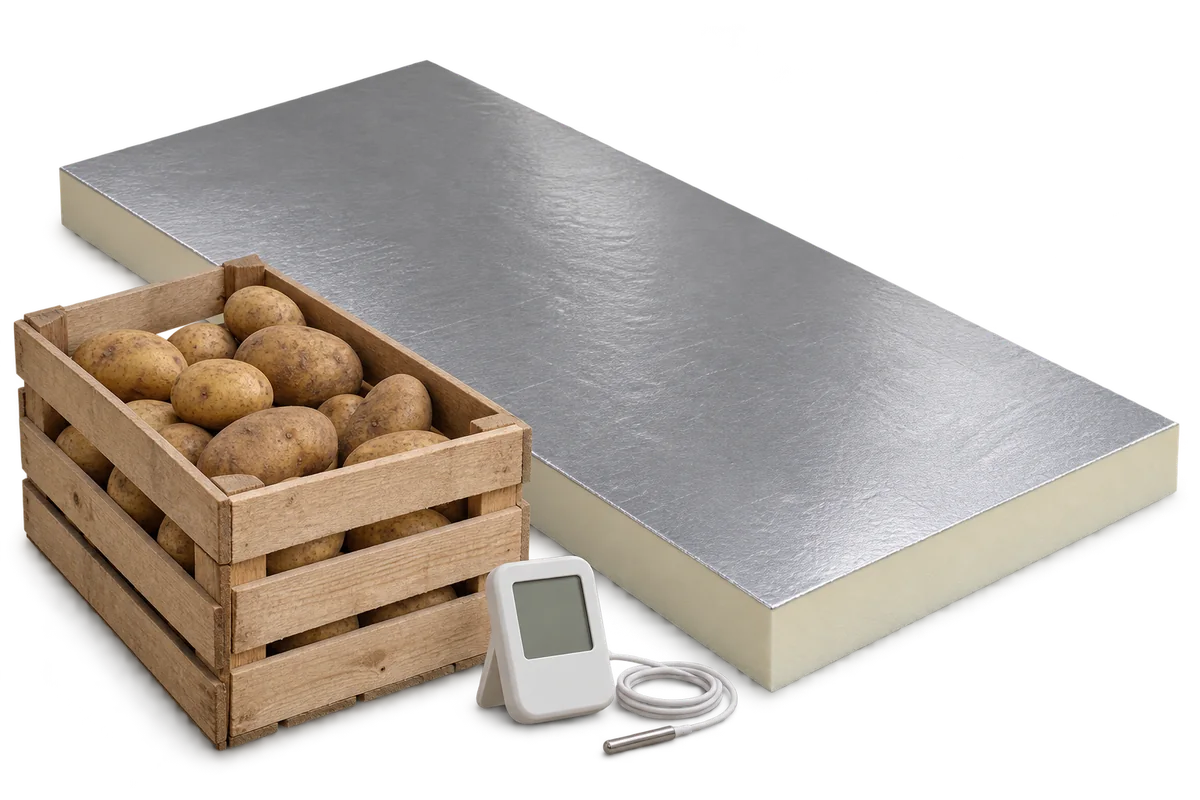
The building design should follow from the storage technology, with the construction material supporting it rather than replacing it. Uninsulated sheet metal that heats up can strongly alter conditions under the roof, and leaky doors let in air depending on the wind. In both cases, ventilation must handle a load it does not control. PIR or sandwich panels can reduce these fluctuations if they form a continuous enclosure for the chamber.
Check where water appears
Distinguish surface water on the tubers from moist air around them, as the two may call for different responses. High humidity limits drying of the tubers but does not allow droplets falling from the roof to condense. Condensation occurs when moist air meets a sufficiently cold surface. A local thermal bridge or air leak can create a condensation point even in a well-insulated store.
Drying the whole store is not always the right answer, as it can increase the weight loss of the potatoes. First identify the source of the moisture and check whether it is simply a leak. Only then can the right course of action be chosen. Distinguishing between water on the tubers and moist air helps avoid measures that could worsen the condition of the batch.
Assess the effect of box arrangement
The arrangement of the boxes affects airflow through the whole batch. If the problem affects the entire stack, the cause may be poor airflow distribution rather than the box design itself. Check whether air reaches all layers evenly and whether dead zones form. A store map marked with measurements and problem locations makes it easier to judge whether the box arrangement supports even conditions.
Assessing the box arrangement should be linked to observations of moisture and temperature. If the problem recurs in the same place, this may point to a local construction detail or air leak rather than the box arrangement itself. A problem affecting the whole store, by contrast, may require correcting the airflow. Separating these causes allows the right measures to be chosen.
Separate batch-related actions from actions concerning the store itself
Actions concerning the potato batch and the store itself must be kept separate. Sprout suppression and assessment of store cleanliness are two distinct tasks. A product's past efficacy does not confirm that the facility will remain suitable in subsequent seasons. Residues of previously applied products can persist in materials and dust and then contaminate the next crop. A new lining does not confirm food safety – what matters is testing and current maximum residue levels.
The scope of cleaning and of the facility's further use requires specialist assessment, especially when the store's purpose changes, because requirements for different raw materials can differ. Repairing a leak, sealing doors, correcting ducts and insulating the roof may have different priorities. PIR is worth choosing when it solves a specific thermal problem. Lasting reduction of losses requires the building, equipment and operating staff to work together.
7 branches. Materials closer to your project.