

Building handbook
The Izoprofil.eu handbook covers roofing, wall cladding and insulation, from reading specifications to preparing an order. Find guidance on sandwich panels, PIR boards, trapezoidal sheets and metal roof tiles. Understand overall sheet width and effective cover width, compare insulation options and plan installation details. The articles also cover renovation, material storage and costs that are easy to overlook. Worked examples explain the calculation method. Check the design and product documentation before making the final selection. Once you have identified the material, prepare the dimensions, quantity and delivery location for a quote.
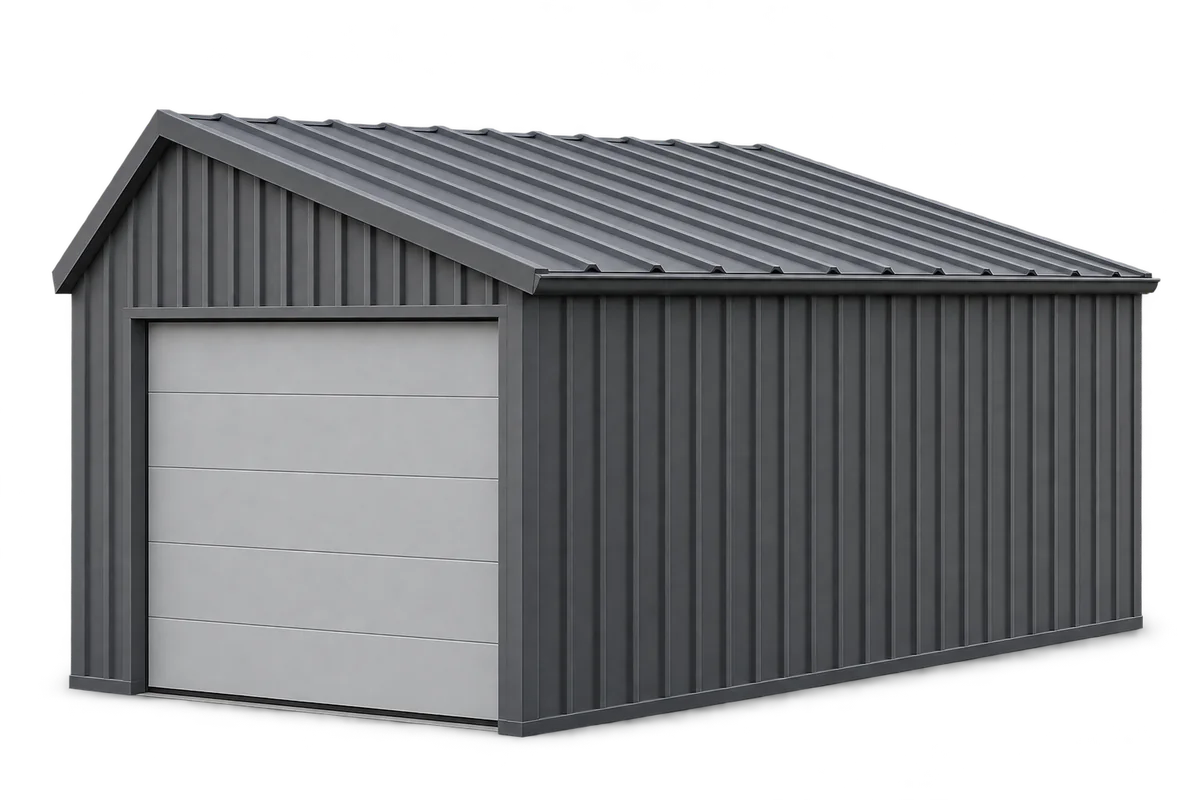
Choosing trapezoidal steel sheeting for a garage roof and walls: a step-by-step guide
Trapezoidal steel sheeting can make a durable, low-maintenance garage roof and wall cladding if the sheets suit both the frame and the way you use the space. An unheated lock-up has different needs from a workshop. When comparing T18 and T35, look beyond colour and price: check the profile, coating, drainage and how you will manage condensation. A parked car brings rainwater indoors. As it evaporates, humidity rises unless air can circulate. This matters even in an unheated garage, where metal roofing can cool down sharply at night.
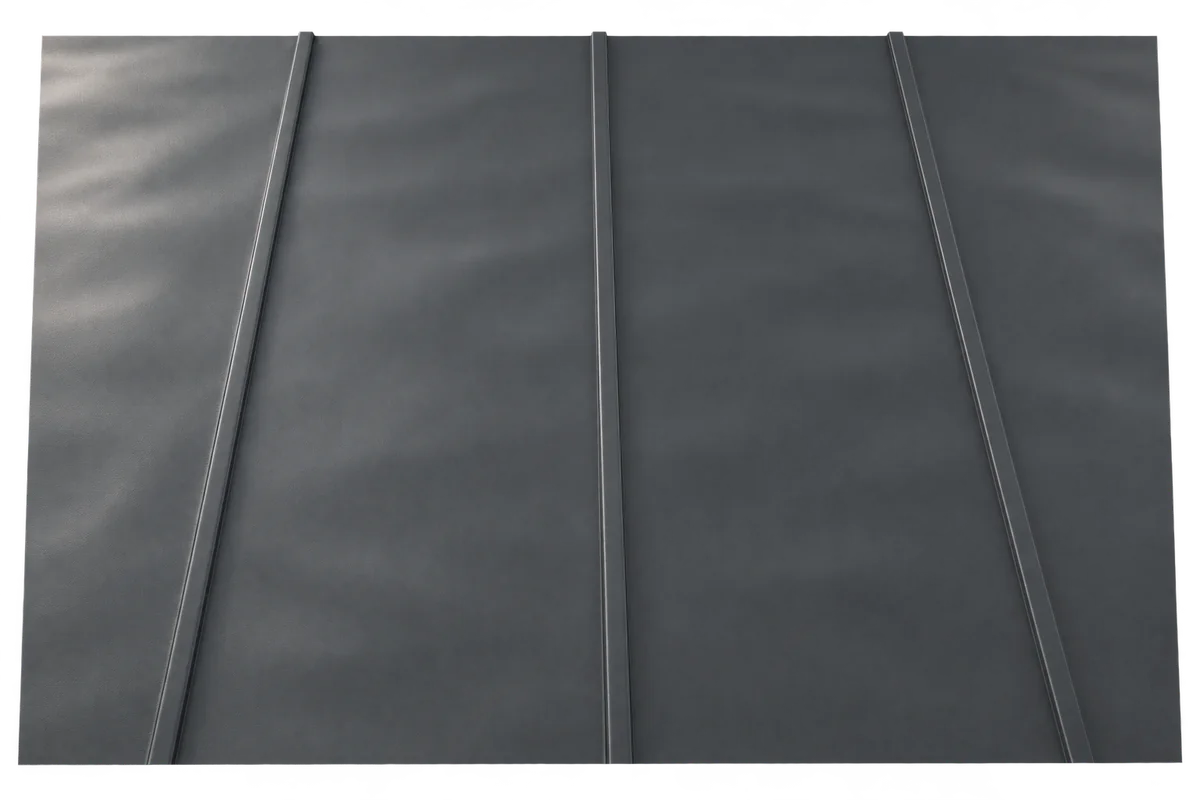
Oil canning in standing seam roofing: causes and ways to make it less visible
Slight ripples in the flat part of a metal roof panel may only show up in strong sunlight. Residual stress in the metal, the supporting surface, the fixings and thermal movement all play a part. A slight wave does not necessarily mean the roof leaks, but not every irregularity is harmless. Discuss the expected appearance before ordering: panel choice and careful installation do more than attempts to flatten an installed sheet. Small deviations from a flat surface catch reflected light at certain angles. The same roof can look different in morning sun and under cloud. This visual effect is often called oil canning.
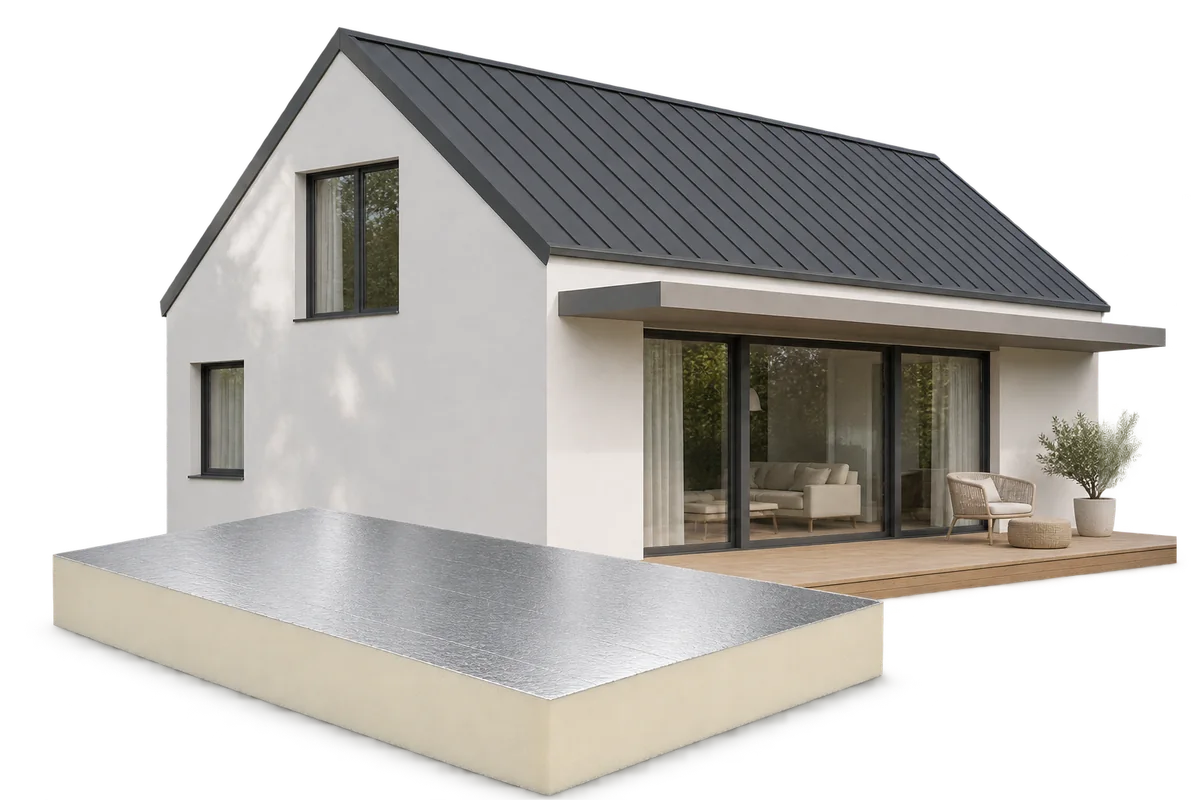
Living in a passive house: comfort, ventilation and everyday upkeep
In a passive house, comfort depends partly on everyday habits. Insulation limits heat loss and a well-adjusted ventilation system replaces stale air. The filters, controls and window shading still need attention. A well-built house can be comfortable to live in, but it still has equipment to maintain and running costs to budget for. How warm you feel also depends on the surfaces around you. Insulating the walls and roof keeps their inner surfaces warmer in winter. The windows and their installation matter too: a leak around the frame can cause a draught even when the room thermostat reads a comfortable temperature.
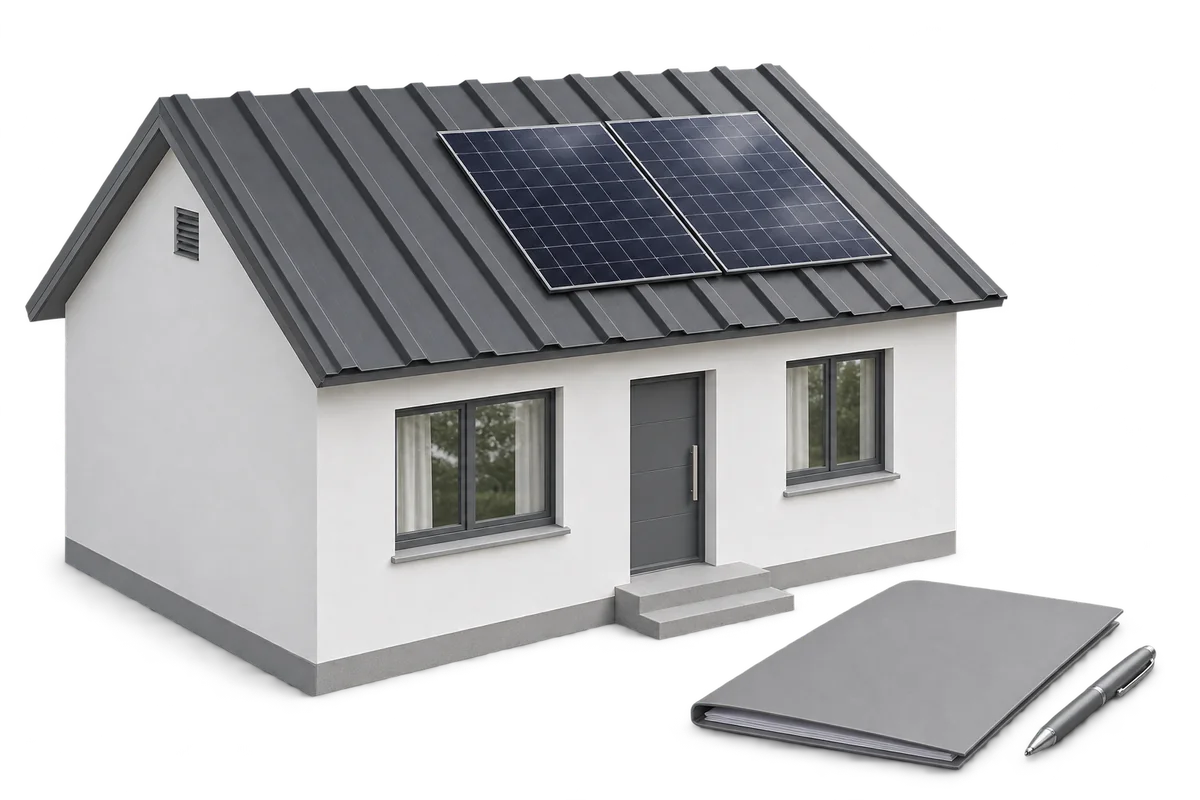
Will installing solar panels affect my roof warranty?
Installing solar panels does not necessarily invalidate a roof covering warranty. Whether the warranty continues to apply depends on the provider's terms, the roof condition, the choice of mounts and how they are installed. Before signing, find out who covers the sheeting, the watertightness of the connections and the PV installation itself. Coating defects, corrosion perforation and watertight workmanship may be covered by different parties. Read what each warranty covers, how long it lasts, what the owner has to do and which exclusions apply. The number of years in a quotation tells you little on its own about which faults the provider will remedy.
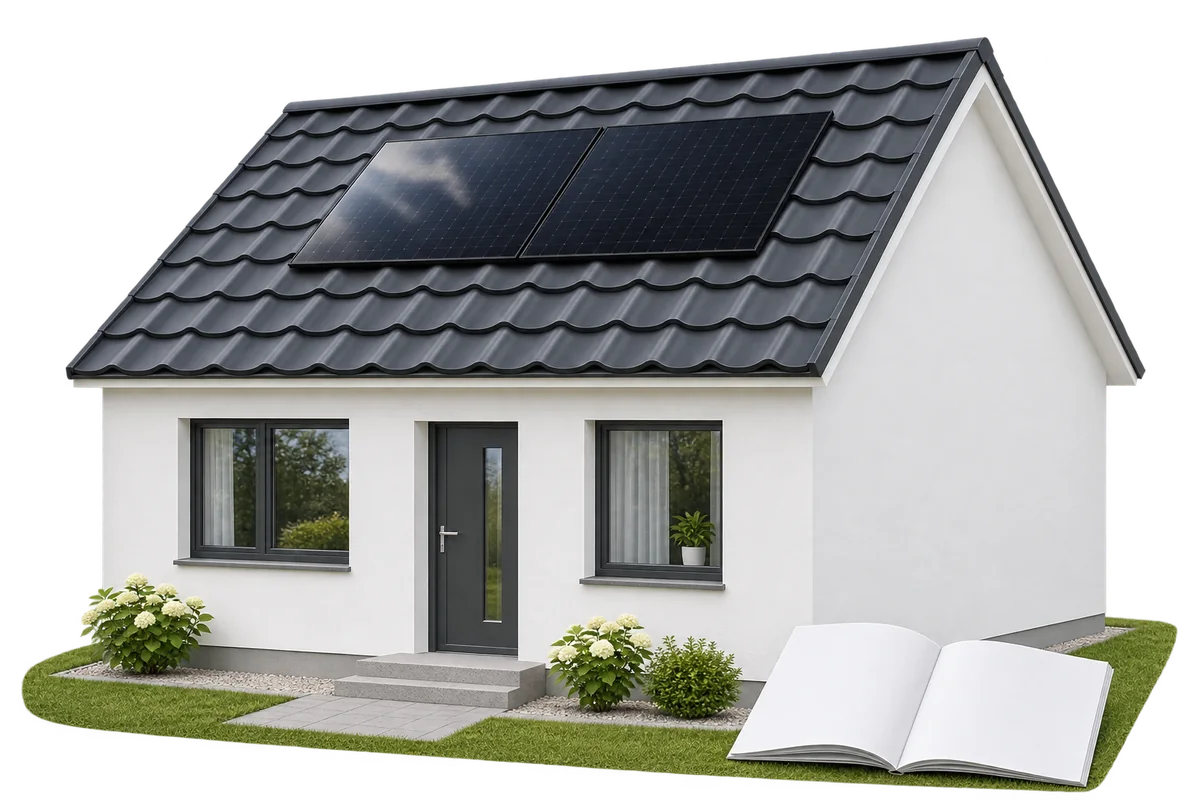
Installing solar panels on a roof? Read the roof covering instructions first
The instructions for your roof covering tell you where PV mounts may be fitted, how to seal penetrations and how to protect coated sheet metal during installation. This matters on metal roof tiles, trapezoidal steel sheets and sandwich panels alike. Read the instructions alongside the photovoltaic system design and the warranty terms. First identify the covering, its manufacturer, the thickness of the particular product and how it is fastened. Metal tile sheets, trapezoidal sheets and sandwich panels transfer loads differently and can have different permitted fixing zones. Purchase records and roof drawings can help identify what is actually on your roof.
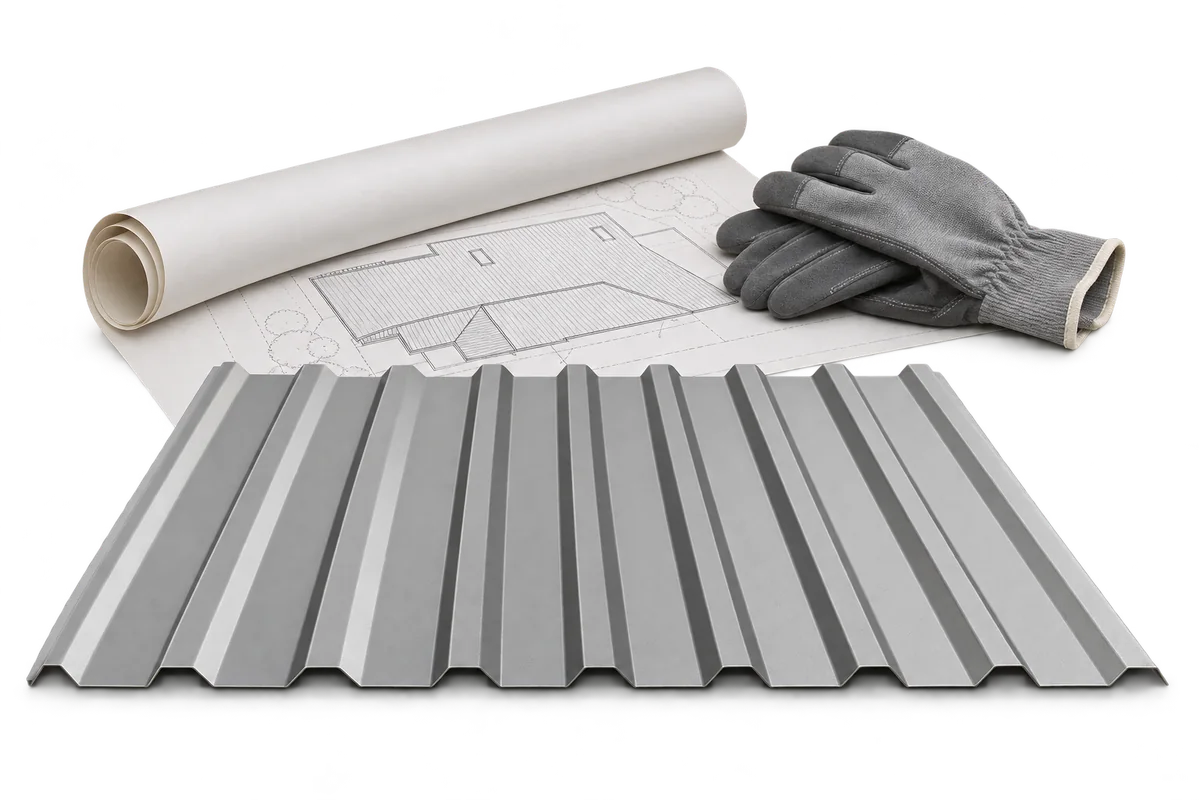
Grants for replacing an asbestos roof in Poland: planning the application and the work
Removing an old asbestos roof and buying its replacement are separate expenses. A grant may cover only one of them. Before ordering roofing sheets or hiring a contractor, check what the scheme covers, the application deadline and the rules for claiming payment. Have the roof structure assessed and agree how the waste will be handled. Budget for the whole roof, including flashings, gutters and repairs to the timbers. Municipal funding in Poland often covers dismantling, collection, transport or disposal of asbestos-containing materials. Check the terms of the individual funding round to see whether new roofing is eligible and whether you can reclaim costs you have already incurred.