Choosing a roof colour with samples, finishes and the façade in view
Roof colour schemes
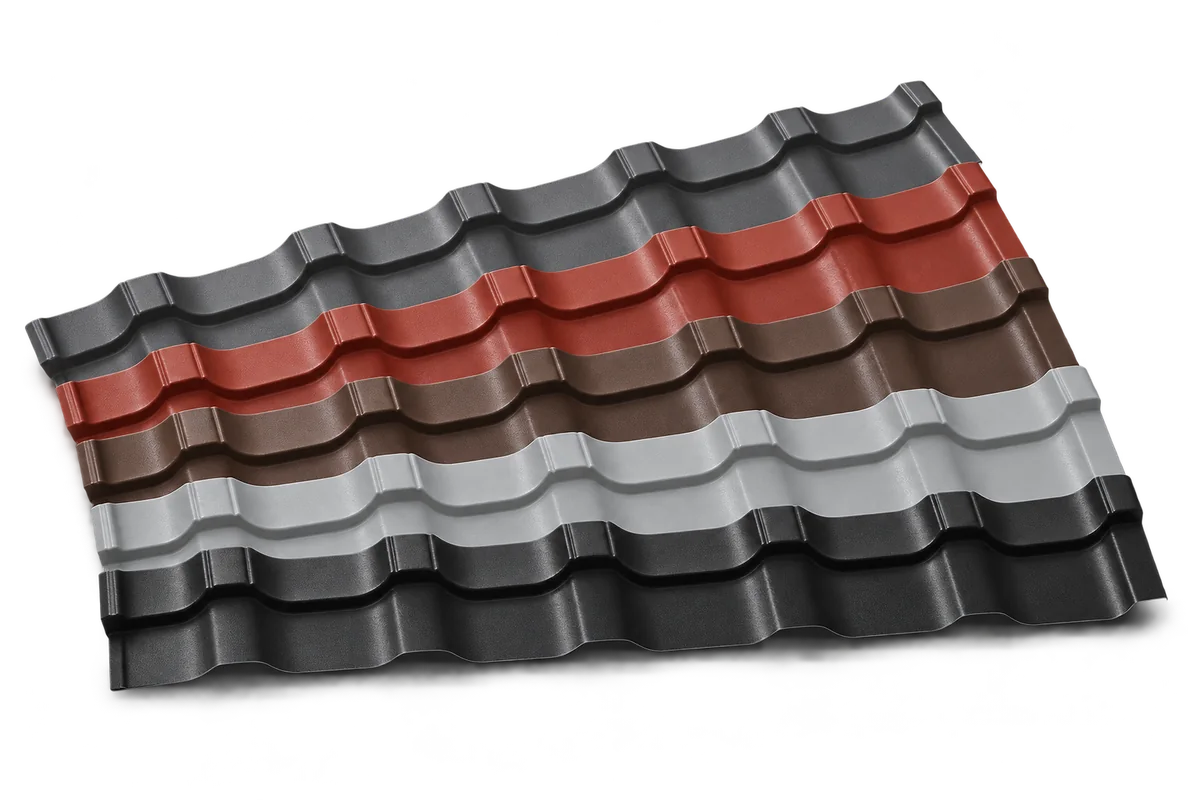
Judge the colour of metal roofing on the actual profile and with materials intended for the façade. Two steel sheets with the same colour code can look different because of gloss, texture and the shape of the pressings. Hold larger samples against the wall and window frames. Look at them in sun and shade, up close and from the spot where the house is usually seen. Match the flashings, gutters and other components visible at the eaves to the roofing sample. Before ordering, note the code, type of coating and finish, and keep the approved sample so you can compare the delivery against it.
In this article
Start with the elements whose colour you already know
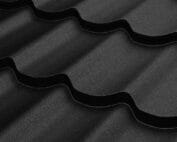
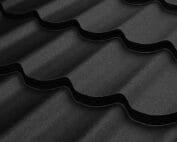
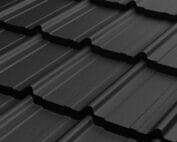
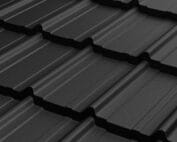
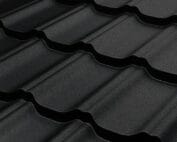
First gather samples of the roofing, render, windows and façade, and only then compare shades. Choose the approximate type of roofing and the scale of the profile before you start matching colours. Tile-effect metal roofing introduces a rhythm of horizontal rows, while T18 or T35 profiles divide the roof slopes along the pitch. A large, steep roof slope dominates the view of the house more strongly than the façade, so consider its colour in the context of neighbouring buildings, greenery and paving.
Graphite and greys combine easily with light render, brick and timber, while reds and browns suit warmer palettes. Too many eye-catching elements make a house look restless; a few deliberately chosen tones are often calmer than aiming for an identical colour everywhere. You do not have to match every element perfectly. Decide early which material is to be the main accent and build the scheme around it.
Compare samples under several lighting conditions
A phone screen and a printed catalogue are not reliable for a large roof slope. Assess larger samples outdoors, in daylight, in shade and at an angle close to how the roof will be seen. Shade can darken a surface, and a photo taken in different light gives a completely different impression. An attractive detail seen up close may disappear in the overall view of the building.
Check the roof from street level and from the points where you look at the house every day. Assess the harmony of colour temperature and the strength of contrast, not just the shade itself. In dense development the context of the surroundings matters more than in open countryside. Before you order a full batch of material, find out about local requirements for the appearance of the roof and the provisions of the design.
Consider the texture and gloss of the large roof plane.
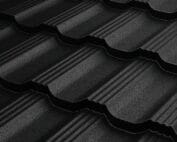
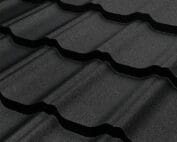
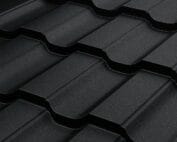
A matt designation does not describe one common texture. The same shade looks different on deep embossing than on a flat field. A matt finish scatters reflections differently from a glossy surface, and flat panel fields can emphasise minor unevenness in the light. Compare real installations and the sheet profiling to judge whether the surface will look calm.
Dust, leaves and dirt are more visible on some surfaces, so consider gloss and texture together with the surrounding conditions. No colour removes the need for cleaning and inspections. A dark surface usually heats up more in the sun than a light one, but the interior temperature depends on the whole roof, ventilation, insulation and windows. A light-coloured covering does not replace solar shading for glazing.
Check batch consistency and accessories.
Shade differences can occur between material batches. Clarify elements with an unexpected shade before you join them on the roof. Before installation, check the delivery in natural light and confirm the labels match. The order should include the full specification and the agreed accessories; covering and flashings are best ordered together, including the colour of the gutters and garage door.
Two samples with a similar designation can look different, so agree the specific type of finish on the basis of an approved sample. A low-pitch roof exposes flashings, gutters and soffit lining more than a steep one, so their colour matters more. The roof plan must provide access for servicing. Establish local requirements before ordering the whole batch.
Separate colour perception from coating durability
The colour code does not define the type of coating, the texture or the resistance to environmental conditions. Choosing a shade is a different decision from choosing coating quality, and colour and finish change visibility but do not replace a suitable substrate and correct installation. With sandwich panels with metal facings, colour affects thermal deformation of the facings, so coating selection must take the environment into account.
Metal roofing requires allowance for movement of the sheet, and instructions may limit lengths and installation conditions for dark colours. Do not consider aesthetics entirely separately from technical requirements. Colour alone cannot predict comfort in a bedroom; night-time ventilation and how the windows are used matter a great deal. The most universally suitable result comes from a combination matched to the specific house.
Record the chosen variant before ordering
You are choosing a colour for many years, so take time at the sample stage. Record the code, the type of finish and the approved sample so that the order is unambiguous. Agree the accessories and check that the sheets and flashings come from the same batch. Differences that are visible on a sunny day can be pronounced even with a similar code.
Before placing the order, look at the building from the street and from your everyday observation points. Choose a combination that suits the form of the house, the façade and the surroundings, not an accidentally fashionable tone. Check the provisions of the design and local requirements. Only then order the full batch of material.
7 branches. Materials closer to your project.