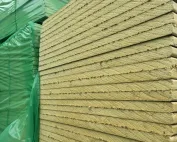
How do PIR boards compare with EPS, XPS and mineral wool?
PIR insulation
PIR boards are worth considering where a small thickness must deliver high thermal resistance, for example in a loft or on a terrace. Check not only the lambda value but also the requirements for moisture, loads, acoustics and reaction to fire. Compare the data sheets of specific products, not generic material names. Bear in mind that PIR is not the same as a sandwich panel, and low water absorption does not replace waterproofing. Leave the design of the layer build-up to the designer.
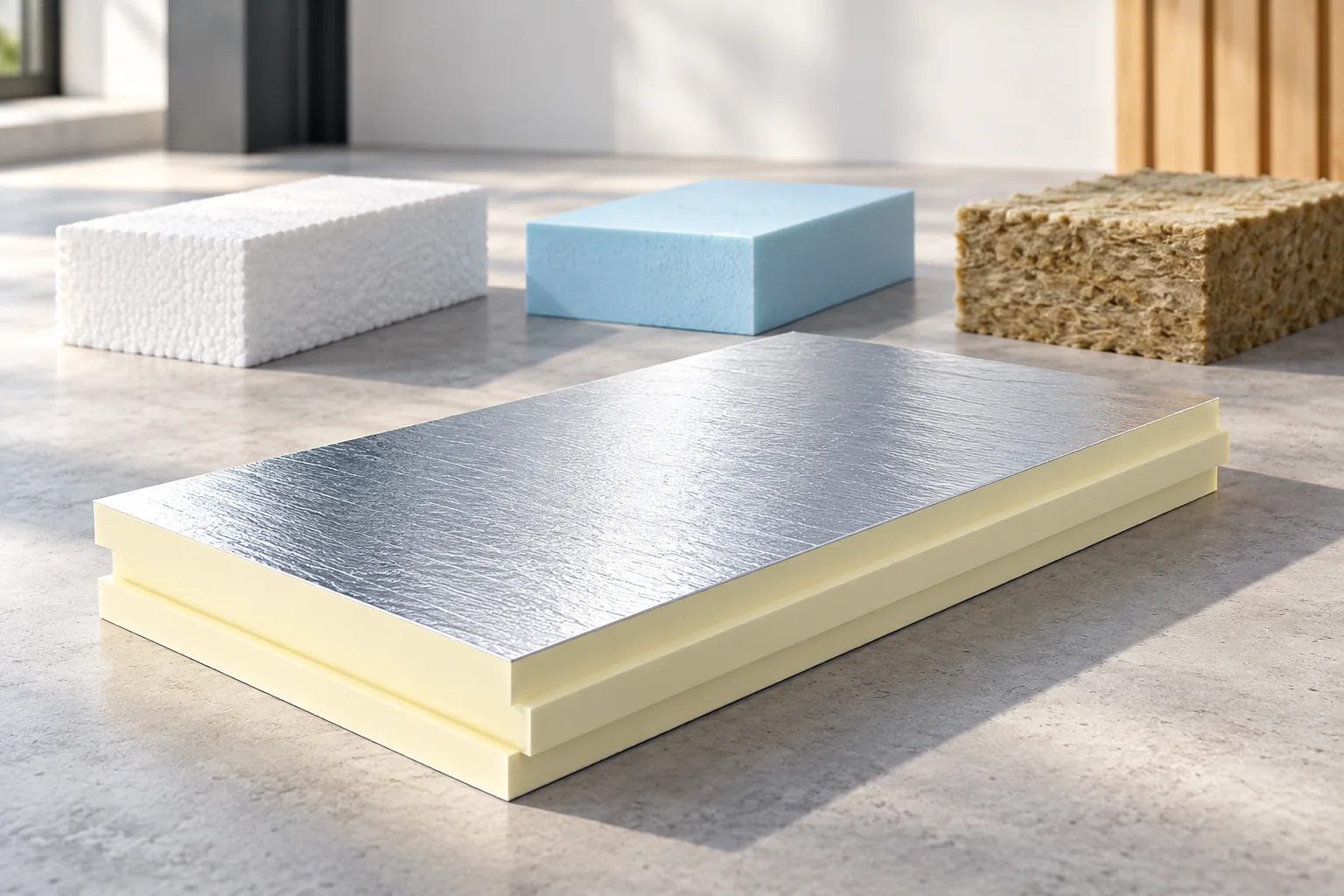
What exactly are we comparing?
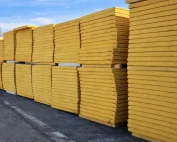
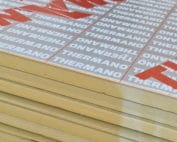
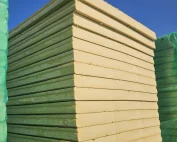
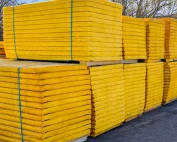
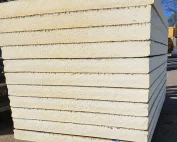
PIR is a rigid polyisocyanurate foam, usually covered with facings. EPS is expanded polystyrene and XPS is extruded polystyrene. Mineral wool has a fibrous structure. These differences affect the installation method and the behaviour of the material in the building element. The group name alone does not define all parameters.
An insulating PIR board should not be confused with a sandwich panel with steel facings. The first is an insulation layer and requires suitable support and covering. The second is a factory-made roof or wall enclosure element. These products cannot be freely interchanged just because they have a similar core.
When does a lower thickness bring a real benefit?
Thermal conductivity is denoted by the symbol lambda. The lower the value, the less thickness is needed to achieve the same thermal resistance. PIR boards with a declared lambda of 0.022 W/(m·K) are available. The parameter must be read for the selected thickness and facing, not attributed to the entire material family.
A calculation example shows the scale of the difference. A 10 cm layer at lambda 0.022 has a resistance of approximately 4.55 m²·K/W. A material with lambda 0.035 requires approximately 15.9 cm to achieve the same result. This compares the layers alone. It does not replace calculating the U-value of the finished roof including thermal bridges.
PIR or EPS for insulation?
EPS can be cost-effective where there is room for thicker insulation. The same product function must be compared. A façade board is not automatically suitable for use under a floor slab, and a floor variant does not solve every roof. The declared properties and the intended installation method are what count.
PIR is sometimes particularly useful at patio door thresholds, low parapets or limited attic height. However, the entire assembly must be calculated. A different insulation thickness affects the length of fasteners, the height of flashings and the position of drainage. A higher price for the board alone does not yet determine the cost of all works.

Where can XPS have an advantage?
XPS is selected for, among other things, locations requiring appropriate water resistance and load-bearing capacity. It may prove suitable in designed insulation at ground level or in an inverted roof. This does not mean that every XPS has the same application. Water absorption, strength and behaviour under sustained pressure are important.
The low water absorption of a particular PIR board does not make it a waterproofing layer. Water can penetrate joints and other layers. The facing also has its own requirements regarding contact with the substrate and adhesive. In a damp assembly, the entire system is assessed, not just a sample of the dry core.
What makes mineral wool a strong choice?
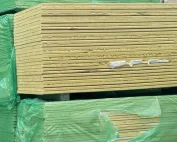
Mineral wool may have an advantage in solutions requiring non-combustible insulation or good sound absorption. The result depends on the type of product and the construction of the assembly. A rigid PIR board is not a substitute for an acoustic layer simply because it provides similar thermal resistance.
A distinction must be made between the reaction to fire of the product and the fire resistance of the complete wall or roof. Some PIR systems have specific fire resistance classes. These apply provided the classification conditions are met. The foam alone does not thereby become a non-combustible material, and a change of facings can change the result.
How should load and moisture data be read?
The board’s data sheet may state compressive strength at a defined deformation. This is not automatically the permissible pressure for long-term service. Floors, terraces and roofs with equipment require an assessment of permanent loads, point loads and a load-distributing layer.
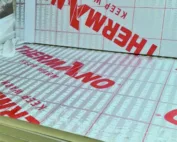
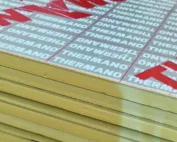
Aluminium facings restrict vapour flow, but the tightness of joints is only achieved after correct installation. Tapes, junctions at walls and service penetrations are as important as the board itself. The layer build-up must be checked for condensation. Adding insulation from the inside without such an assessment can impair the drying of the roof.
How can you decide without overpaying?
First record the required thermal resistance, the available height and the operating conditions of the insulation. Then compare products with the appropriate application. In the cost estimate, include the number of layers, waste, tapes, fastening and coverings. For tongued and grooved boards, check the coverage area, because the overall dimension does not always correspond to the usable area.
PIR is a strong candidate when a small thickness is important. EPS can reduce cost if space allows. XPS may be appropriate in demanding moisture conditions, and mineral wool in fire and acoustic solutions. A good choice results from the task the material is to perform in a specific assembly.
7 branches. Materials closer to your project.