Where does mould on a cold wall come from and when does insulation help?
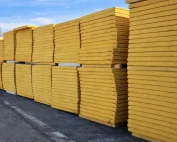
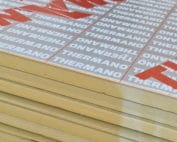
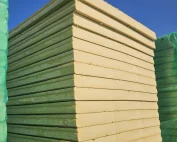
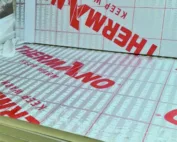
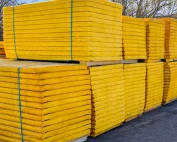
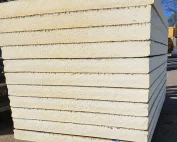
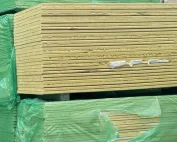
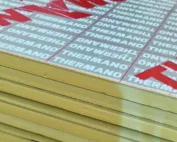
PIR insulation
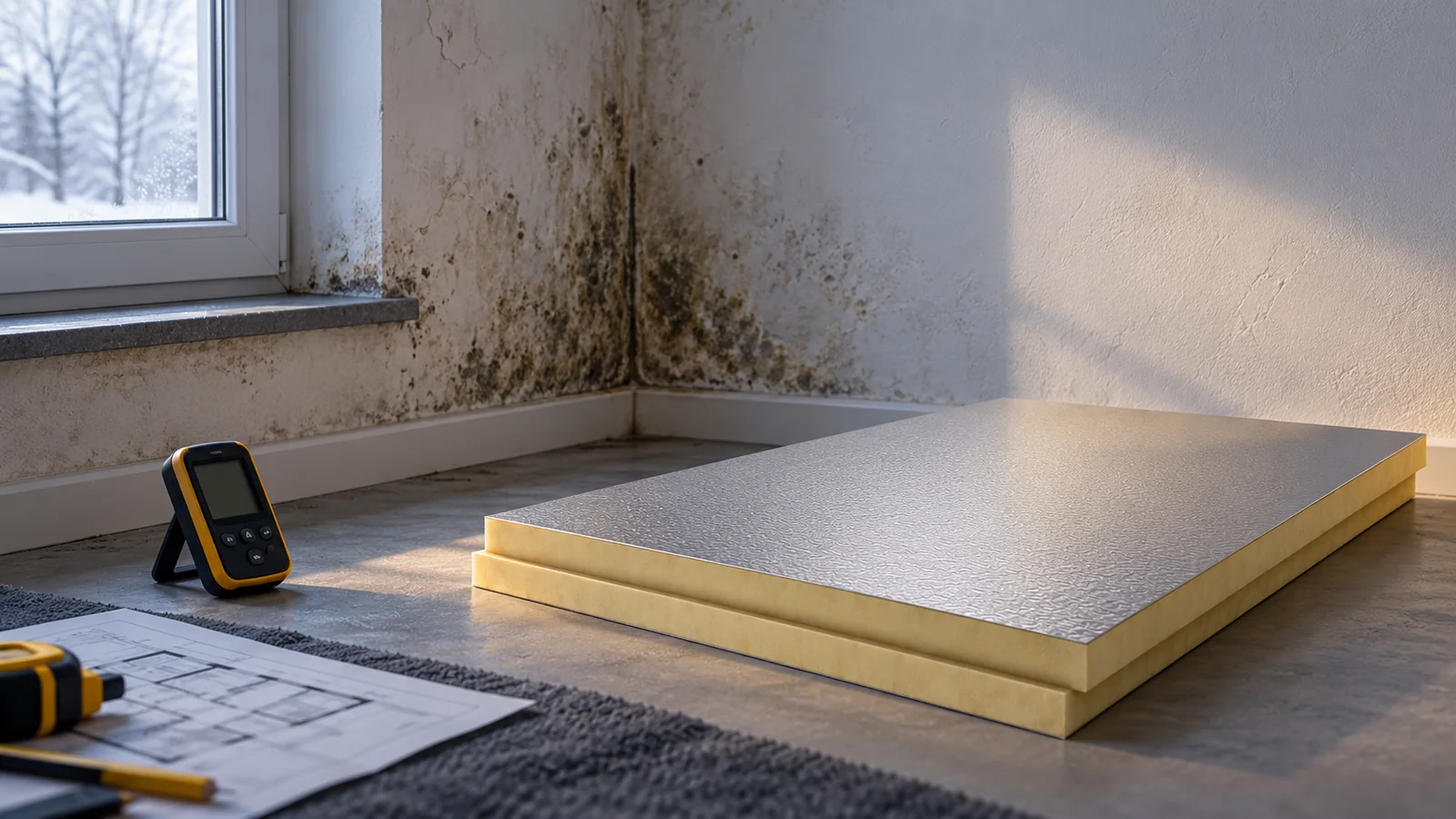
Mould on a cold wall is usually linked to persistent moisture. The cause may be a cold surface, poor air exchange, a leak or damp masonry. Insulation helps when it removes the significant cause of cooling and has correctly resolved junctions. It does not replace roof repair, damp-proofing or ventilation. The source of the water must first be established. A north-facing wall receives less direct sunlight. Under certain conditions it dries more slowly and has fewer heat gains than a sunlit façade. However, this does not mean that orientation alone causes mould. Surface temperature, air humidity and the condition of the building all matter. In a corner and at the ceiling the surface may be colder than in the middle of the wall.
Why does the problem appear on the north side?
A north-facing wall receives less direct sunlight. Under certain conditions it dries more slowly and gains less heat than a sunlit façade. This does not mean, however, that orientation alone causes mould. Surface temperature, air humidity and the condition of the building all matter.
In the corner and near the ceiling the surface may be cooler than in the middle of the wall. A large wardrobe placed close to the wall restricts heating of that spot by the room air. A similar problem can occur on any façade. The inspection should therefore cover the whole assembly, including the room on the other side of the wall and the elements above it.
How to distinguish condensation from a leak?
Marks appearing after rain draw attention to the roof, flashings, gutters and façade. Moisture near the floor may have a different source than the film in the upper corner. Problems that intensify in winter, especially behind furniture, require checking the surface temperature and the humidity in the room. The appearance of the stain alone does not give a reliable diagnosis.
Record when the moisture appears. Measurements in several places and observation after rainfall are helpful. A thermal imaging camera can indicate cool areas, but does not automatically determine the cause. Wet material can also look different in a thermal image. The result must be compared with the condition of the building envelope and the measurement conditions.
Can thin PIR insulation raise the wall temperature?
A properly designed insulation system restricts heat flow and can improve the surface temperature on the interior side. PIR is useful where little space remains for insulation. A low lambda value allows a high thermal resistance to be achieved with a smaller thickness than many traditional materials.
It is not enough, however, to glue a small rectangle of board over the affected patch. The problem may shift to its edges. The whole wall, the reveals and the junctions with the ceiling must be assessed. The choice of external or internal insulation changes the behaviour of the masonry. Each variant should be assessed in terms of thermal and moisture performance.

Why does internal insulation require caution?
Once insulation is added on the inside, the masonry behind the board becomes cooler. If moist air reaches it, unfavourable conditions can arise. An airtight board facing helps only if the joints and edges form a continuous system. Sockets, pipes and leaky contacts can break it.
A damp wall should not be covered without identifying the cause. Its ability to dry out after the layers have been changed must also be checked. In an old building, a simple U-value calculation may not be sufficient. For walls exposed to rain or containing timber elements, a more detailed analysis may be needed. The fact that a board has low water absorption does not solve moisture in the wall.
What role does ventilation play?
Water vapour is constantly produced in a room. Its quantity depends, among other things, on cooking, drying laundry and the number of occupants. Insulation does not remove this vapour. Once the building has been sealed, the previous method of air exchange may no longer be sufficient. Both the supply and the removal of air must be checked.
Do not tape over the vents to retain more heat. Nor should brief ventilation be treated as a universal way of repairing a faulty system. The ventilation method should match the building and its use. Moving a piece of furniture away from the cold wall may improve local air circulation, but it does not replace removing the thermal bridge or the leak.
In what order should the problem be tackled?
First identify the source of moisture and repair the water ingress. Then assess the drying out and the condition of the substrate. Only on this basis should the insulation method and finishing materials be selected. Painting over the mould or covering it with a board is not repairing the cause.
- Check the roof, façade and services.
- Assess the ventilation and the conditions in the room.
- Identify the cold junctions between building components.
- Select the insulation together with the details and sealing.
After the work has been carried out, observe the same places over the following season. The effectiveness of the repair is best assessed once conditions in the building have stabilised. No insulating material on its own guarantees that mould will never return.
If the problem affects further rooms or returns despite repairs, a broader building diagnosis is needed. This may combine measurements of material moisture, checks of the ventilation and analysis of thermal bridges. Randomly choosing ever thicker boards increases cost without any certainty of improvement. It is worth keeping photographs and measurement results from before the works. They will make it easier to assess whether conditions in the wall have changed and whether the solution applied addresses the actual cause.
7 branches. Materials closer to your project.