XPS reaction to fire and the fire resistance of a building element
XPS insulation
In insulation descriptions, reaction to fire is easily confused with fire resistance. With XPS, the distinction is particularly important. Extruded polystyrene is not a non-combustible material, and its properties must be taken from the product documentation. A finished wall, floor or roof, on the other hand, has its own requirements as a complete building element. Using insulation correctly means combining both assessments, rather than attributing the properties of the whole building element to the board or drawing conclusions from a single letter. Reaction to fire describes how the product behaves under specific test conditions related to the development of a fire. For XPS, the class must be checked in the documentation for the specific variant. Various declarations exist on the market, so a single class cannot be assigned to all boards.
In this article
What reaction to fire means
It does not follow directly from the colour, thickness or compressive strength. These are separate characteristics, assessed for different purposes.
Extruded polystyrene should be identified on the basis of the relevant document. XPS with a similar name may occur in different variants. It is worth checking whether the data sheet, the declaration and the package label relate to the same product. This makes it possible to avoid carrying over information from another variant. A general description of the offering is helpful when searching for the material, but it does not replace the precise data needed for the design.
Fire resistance describes the element
Fire resistance concerns the behaviour of the complete building element under fire exposure. Depending on the function, loadbearing capacity, integrity and insulation are assessed, among other things. XPS is then one of the components of the system, and not an independent carrier of all these properties. The fire resistance duration of an entire wall or roof cannot be derived from the reaction-to-fire class of the board.
Extruded polystyrene may be located in different layers and be covered by different materials. The assessment of the building envelope depends on the specific solution. XPS covered with concrete does not thereby become a different product, but its position is significant for the performance of the complete element. The required parameters must be confirmed by an appropriate basis for the system. The mere presence of a covering does not allow any classification to be assigned.
The facing is part of the solution
In many applications XPS remains covered by structural or finishing layers. This is a natural way of using it as thermal insulation. However, the type of covering and the manner of execution must correspond to the design. Edges, openings and joints are of particular importance. An exposed section in a corner may create different conditions than a large surface executed in accordance with the intended cross-section.
Extruded polystyrene should not be treated as an arbitrary substrate for incidental finishes with a pre-assigned fire resistance. XPS works together with specific layers and fixings. Changing their type or thickness may require the entire solution to be verified. Therefore, when substituting materials, it is worth asking not only about the lambda value but also about compliance with the requirements for the building envelope.
The roof also has its own assessment conditions
In the case of a roof, a distinction must be made between the properties of the material and the behaviour of the entire assembly under fire exposure. In an inverted roof, XPS lies in a specific position between other layers. The classification of a specific roof is not automatically a property of every board or of any arbitrary combination of layers. Requirements must be related to the solution that has actually been designed and constructed.
Extruded polystyrene is chosen in such assemblies because of its thermal, water and mechanical properties. These advantages remain important, but they do not replace the fire assessment. The XPS and the layers above it must correspond to the adopted documentation. An accidental reduction in the thickness of the covering or the substitution of a component may affect more than one roof parameter. Every significant change must be considered in its full context.
Construction and use create different situations
Before being covered, XPS may be close to welding, cutting or other sources of ignition. Storage and installation should be organised in accordance with the instructions and the site conditions. The material requires protection from open flame. Proper planning of deliveries limits the quantity of exposed boards on site. This is a practical measure, independent of the subsequent assessment of the finished building envelope.
After completion of construction, subsequent alterations matter. An installation penetration can damage the protective layers of the XPS or change the required detail. It should not be repaired with a random material without checking the function of the building element. The as-built documentation helps preserve knowledge of its composition. This enables a later team to reproduce the correct solution instead of guessing on the basis of a visible fragment of insulation.
How to use the classification when choosing
Well-known manufacturers of XPS are Austrotherm, Synthos and HOCH. When purchasing, the class of the specific product must be read and compared with the project requirements. The word styrodur is used colloquially, but says nothing about the fire behaviour of the finished element. Thermal, water and mechanical parameters must be checked in parallel. Only such a set allows the material to be assessed for the planned place of application.
Extruded polystyrene can be a useful component of a correctly designed building element. XPS does not need unconfirmed promises of non-combustibility or arbitrary fire resistance for this. A reliable assessment separates the properties of the board, the behaviour of the complete system and the conditions under which the work is carried out. This makes it possible to use the advantages of thermal insulation while maintaining the requirements applicable to the entire building.
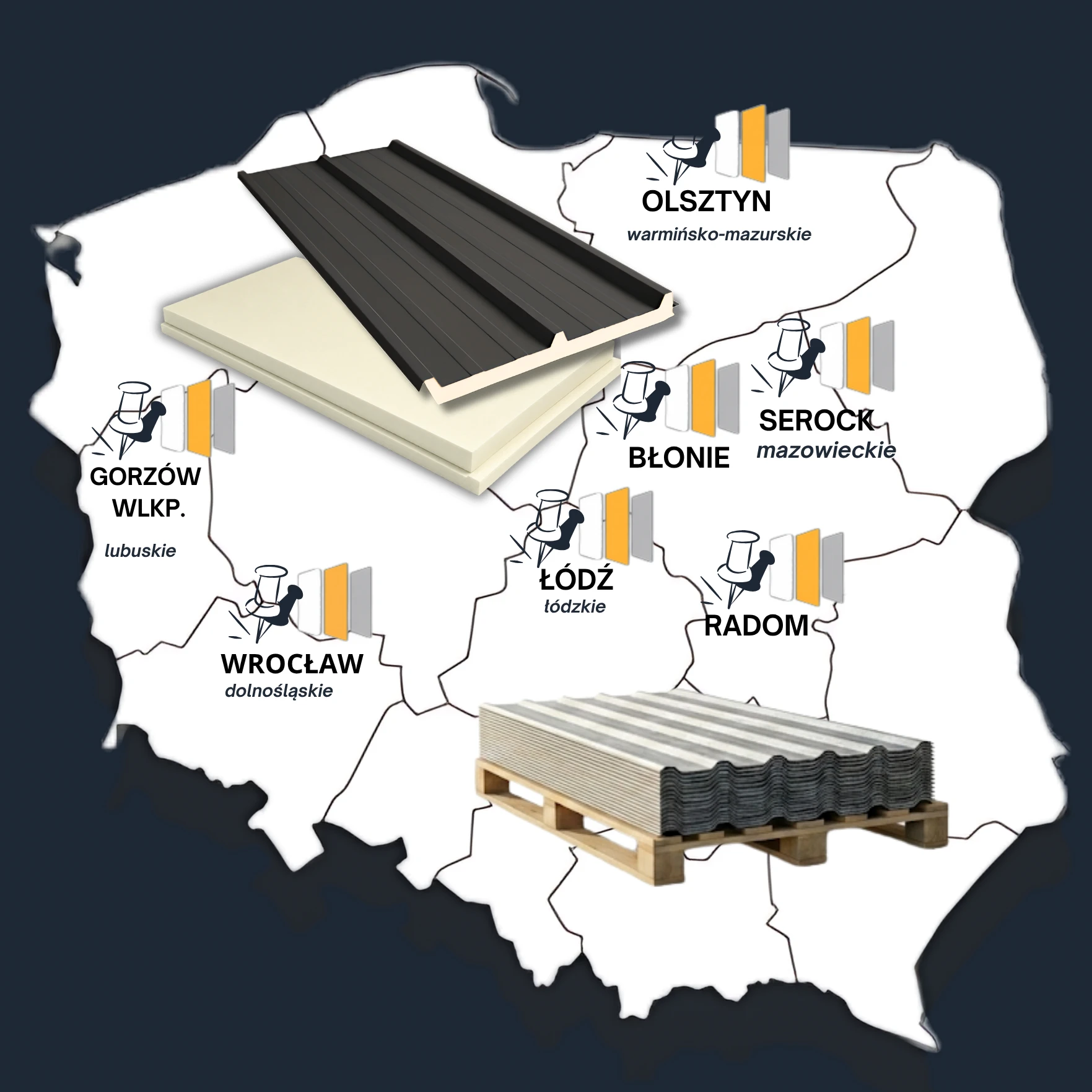
7 branches. Materials closer to your project.