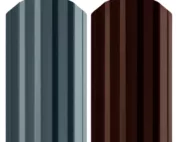
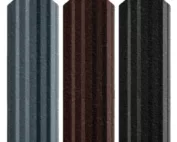
Balancing the proportions of fence pickets, posts and the plinth
Metal fence pickets and fences
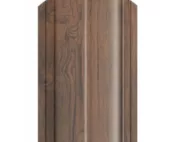
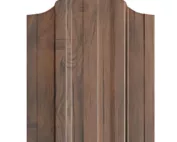
A picket viewed on its own may look light, but once mounted on a massive base it becomes part of a heavy frontage. That is why the choice of profile should be combined with the decision on posts and plinth. These three elements form the main proportions of the fence. Metal fence pickets fill the bays, the posts set a stronger rhythm, and the plinth defines the lower line. It is good when each part has a clear role. Randomly emphasising all surfaces at once makes it difficult to achieve a calm effect. Strong masonry posts can become the main motif of the frontage. In that case, a calm infill helps to maintain order. With delicate steel supports, the rhythm of the pickets can take on a greater role. A high plinth produces yet another arrangement. There is no need to choose a single recipe for every property. What matters is that the hierarchy is deliberate and visible along the entire length.
In this article
Decide which element should dominate
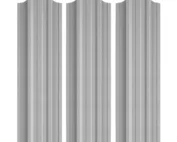
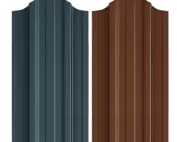
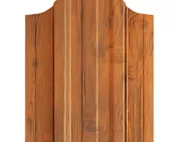
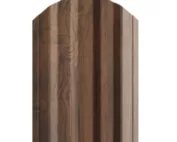
Metal fence pickets should only be selected after showing these large divisions. The profile alone will not answer how heavy the fence will be. Colour and gap also change the proportions. A narrow element set very densely can create a strong plane. A wider picket with a larger gap can give a different, more open view.
Assess the post width relative to the bay
A fence post occupies a specific part of the frontage length. With short fields its share is greater than with long ones. It is worth checking whether the division does not become too fragmented. When comparing two variants, keep the same fence height and observation point. A different perspective can make the posts appear smaller, although their actual share in the design remains unchanged. This applies especially to the gate area, where additional supports appear. If the fence posts are a strong accent, their arrangement should follow from the entry and driveway plan.
This does not mean that bays can be extended arbitrarily to improve appearance. The structure must match the span and loads. Metal fence pickets do not replace correctly selected supports. It is worth seeking proportions within the limits of a proven solution. If a change is needed, the entire layout should be assessed, not just moving a post in the visualisation.
Treat the plinth as a separate surface
The plinth can be a neutral background or a strong band at the base. Its height, texture and colour affect the perception of the entire property. With a richly finished plinth, simple metal pickets can balance the composition. If both the base and the infill have a strong pattern, it is worth checking whether they compete with the house façade.
Include the gap between the plinth and the sheet metal in the drawing as well. The lower edge should not rest on concrete or be covered by soil. The size of the gap is determined by the design and material conditions. This is a functional detail that remains visible. It should not be removed just so that the fence looks more compact in the photo.

Bring the colour relationship into order
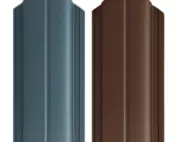
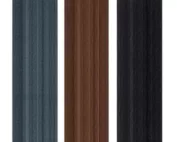
A single colour for the structure and infill can unite the elements into a calm whole. Contrast will emphasise the division into posts and bays. A neutral plinth can provide a background for both. Each of these variants is worth comparing on samples. Different materials and gloss affect colour perception. An identical code does not guarantee an identical appearance of all surfaces.
Also check the view from the garden. There the crossbars join the composition as another horizontal element. Their colour should be determined together with the rest. Metal fence pickets with a decorative back do not hide the structure. They do, however, allow its relationship to the infill to be planned. As a result, the inner side does not remain an accidental back area to a representative frontage.
Match the connections to the actual structure
With steel and masonry posts, the method of fixing the crossbars may vary. It requires suitable components and an assessment of the substrate. Do not choose a detail simply because it looks discreet. The connection must fulfil its function. If a cover trim is needed, it should be part of a considered solution and must not hinder servicing.
When modernising, assess the condition of the existing supports and the base. New sheet metal pickets will not correct leaning posts or worn fixings. A denser infill arrangement may also change the working conditions of the fence. First establish a sound structure, then refine the proportions. This order protects against a situation in which an aesthetic design rests on an unverified substrate.
Check the whole frontage, not just one bay
A single bay may look good, yet when repeated many times it can create too intense a rhythm. Therefore assess a longer section together with the gate and the pedestrian gate. Pay attention to the corners and to changes in level. It is also worth viewing the fence at an angle, which reveals the depth of the profile. The composition should remain legible when moving along the fence.
Good proportions result from the interaction of all three parts. The pickets, posts and base do not have to be equally prominent. They can share roles and create a calm order. Coated metal pickets offer a choice of sections and colours, but this is best used within a specific arrangement. The product detail then supports the architecture of the fence instead of trying to replace the entire design on its own.
7 branches. Materials closer to your project.