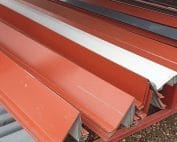
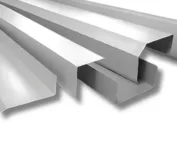
Choosing galvanised, aluminium-zinc coated or prepainted steel for flashings
Sheet metal flashings
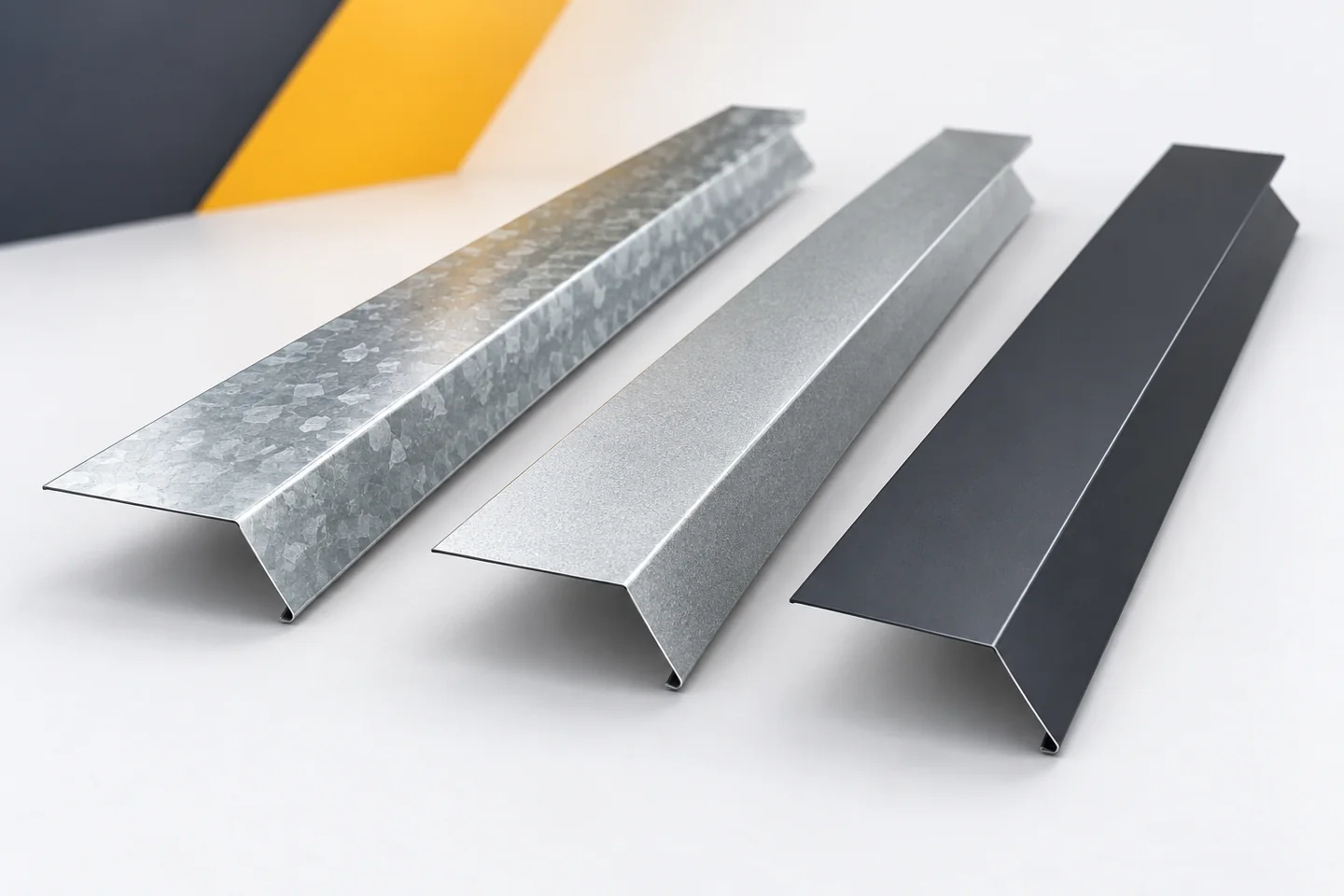
Choosing sheet metal for flashings should not begin and end with colour. Galvanised, Aluzinc and a coated surface represent different approaches to protecting steel. Each can have a justified application if it suits the conditions and the specific detail. It is worth understanding these differences before ordering ridge caps, barge boards or gutter aprons. This makes it easier to compare offers without creating a simple ranking from best to worst material. Galvanised sheets have a zinc layer on a steel substrate. It performs a protective function for the material underneath. The absence of coloured paint therefore does not mean the steel is left unprotected. The metallic appearance may suit buildings where a colour matched to the façade is not required.
In this article
Galvanised means steel with zinc protection
When choosing, however, you need to know the specific sheet specification. The name galvanised alone does not give all the parameters. The conditions of use and the condition after the flashings have been made also matter. You should not promise the same durability to every component just because it was made from galvanised steel sheet.
Aluzinc has a coating containing aluminium and zinc
Aluzinc sheets also have a steel substrate. Their metallic protective layer contains primarily aluminium and zinc, with a silicon content. It combines the properties of the coating components. This material should not be equated with aluminium sheet or with stainless steel.
Aluzinc allows the metallic character of the surface to be retained without a coloured organic layer. Suitability must be assessed according to the data for the specific sheet and the place of application. There is no basis for assuming that it will be the best in every material contact and every environment. Here too, edges, joints and maintenance are important.
The colour coating is part of a larger system
Coated sheets receive an organic surface finish. Beneath it are the actual substrate and the metallic protection. A coated material can therefore also be galvanised. These terms describe different parts of the sheet’s construction, not always mutually exclusive categories.
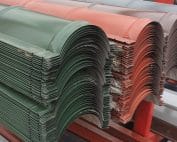
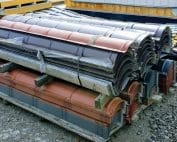
The advantage of a coloured surface is the ability to match the flashings to the roofing or façade. Ridge caps and verge flashings can form a consistent roof line, and chimney flashings can stand out less on the roof slope. However, the type of coating, its appearance and its intended use must be specified. Colour is not a complete specification.
Substrate and coating thickness are other parameters
The thickness of the steel sheet affects how the finished section performs. The thickness or mass of the protective layers describes a different material property. The two must not be confused when comparing offers. It is worth checking what each figure in the product data sheet refers to.
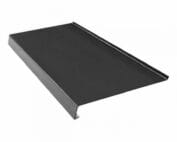
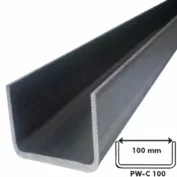
Starter profiles may require a different thickness from protective gutter apron strips. This does not automatically mean a different colour or that the material can be freely swapped. The function of the element remains the starting point. The choice must be linked to the geometry, fixing and conditions of use of the given profile.

The environment determines more than an overall ranking
The roof, plinth and interior of the building may be exposed to different conditions. Moisture, the type of contamination and the method of cleaning all matter. Data for a sheltered façade should not be transferred to any industrial facility without verification. Material requirements should match the actual environment.
It is also worth assessing contact with adjacent materials. The mere availability of two products does not confirm that they can be combined unconditionally. This applies to sheets, fasteners and sealants. A suitable assembly requires compatibility of the entire detail, not merely a similar appearance of its parts.
Workmanship can preserve or damage the protection
Each of these sheets must be formed and cut using the correct method. Bending must suit the capabilities of the material, and cutting should not overheat the edges. Swarf must be removed after the work. A good material does not compensate for damage caused during incorrect installation.
Non-standard flashings require the shape to be agreed before production. Not every profile will be possible in any thickness and coating. It is also worth confirming the visible side. An error in the orientation of the coloured surface may mean the element has to be made again.
Compare quotes for the same scope
A reliable specification includes the section, length, quantity, substrate and finish. The price per piece is not the price per metre, and the total length is not always the usable length. These differences can change the result of a comparison. They must be clarified before choosing the material.
The best sheet for flashings is the one properly matched to the task, the workmanship and the environment. It is worth keeping the delivery documentation and the care recommendations. They will make later inspections and any repairs easier. An assessment based on complete data is more useful than a universal promise of superiority of one type of surface.
Questions and answers
Is coated sheet always a different material from galvanised sheet?
No. The coloured organic layer may be applied to steel protected with zinc. A full description should state both parts of the system.
Does aluzinc mean aluminium sheet?
No. In this case it is steel with a metallic coating containing aluminium and zinc. The substrate remains steel.
7 branches. Materials closer to your project.