Deciding between a roof repair and a new covering
Renovation and maintenance
The scope of work should be decided by the technical condition of the covering and structure, not the age of the sheet metal. Before choosing repair or replacement, establish the cause of the damage and check the layers beneath the covering — from outside and from the loft. A single leak does not mean the whole roof slope must be stripped, just as a tidy appearance does not guarantee sound supports. Assess the extent of corrosion, the state of fixings and any deflection. Only this diagnosis allows variants to be compared sensibly and shows whether a local repair will suffice.
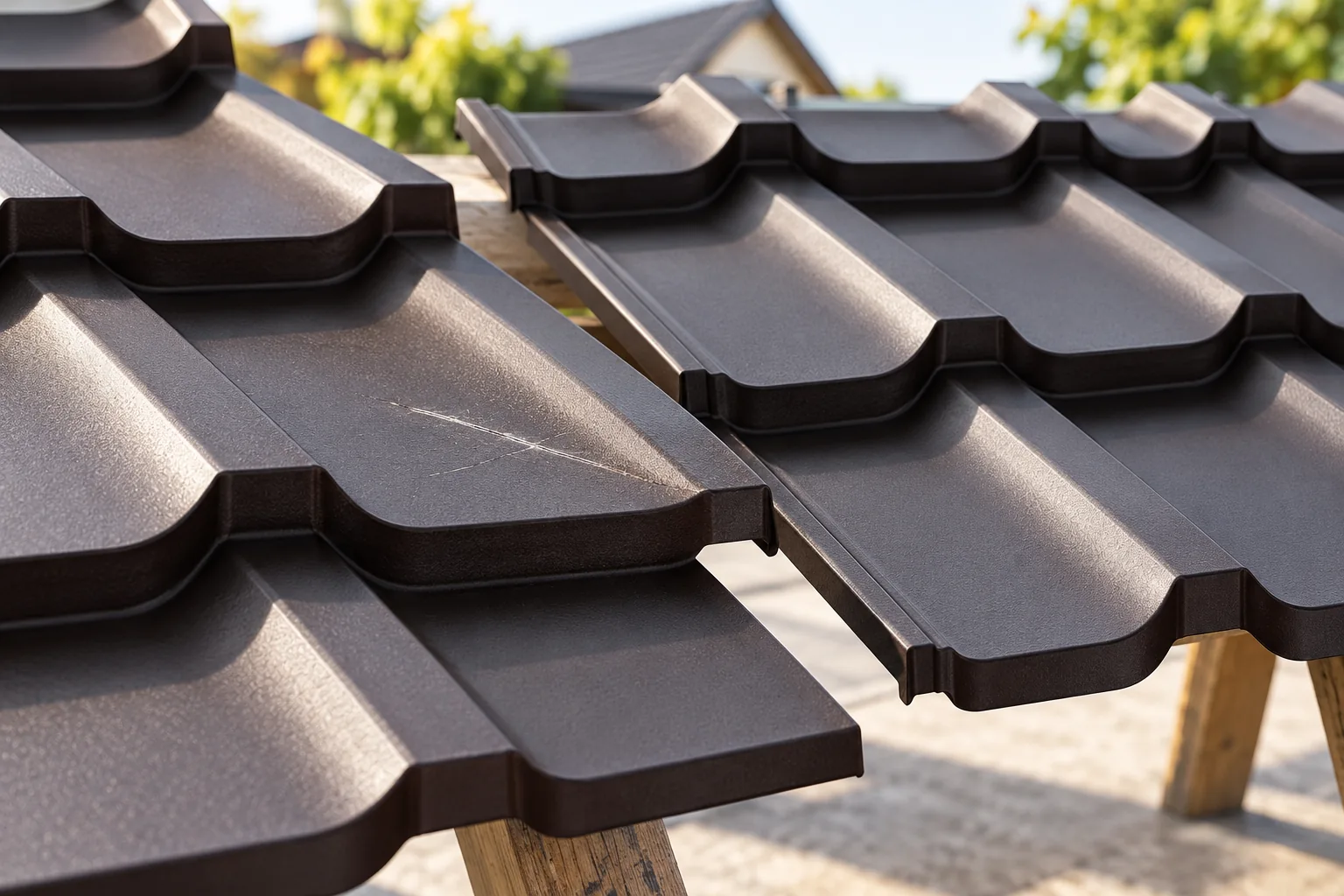
Separate the condition of the covering from the condition of the structure
The steel sheet may look bad while the supports remain sound. The opposite is also possible: an aesthetically pleasing roof surface conceals damp wood or damaged connections. Therefore, the inspection should cover the accessible layers from the outside and from the attic side.
Deflections, displaced elements and progressive deformations require a technical assessment. Replacing the sheets will not repair a weakened roof truss. Even a lightweight T18 covering or tile-effect metal roofing still transfers snow and wind loads to the structure. This check must not be omitted.
One leak does not yet indicate the scope of the renovation
Water can enter at the chimney flashing, a damaged seal or a service penetration. Sometimes a local repair solves the problem without replacing a large part of the roof. First, the path of the water must be traced. A stain on the ceiling is not always located beneath the leak.
It is worth noting whether the leak appears during rain, thaw or strong wind. Moisture unrelated to precipitation may result from condensation. In such a case, replacing the sheets with new ones does not remove the cause. Improving ventilation and the airtightness of the layers from the inside may be necessary.
When does a local repair make sense?
A local repair is considered for limited damage and good condition of the surrounding area. It may include flashings, a fastener, a section of sealing or a single sheet. The repair material must be compatible with the existing system. Not every similar steel sheet fits an old profile.
Before commissioning the work, access to the fixings and the method of dismantling the laps must be checked. Replacing a small component may require loosening adjacent ones. The colour difference between the new and the existing surface should also be taken into account. A technical repair will not always be invisible.
What speaks in favour of a more extensive replacement of the covering?
Extensive losses, perforation, repeated joint failures and scattered corrosion can make further patches uneconomical. The scale of the problem and the possibility of permanently eliminating the cause are important. There is no single age at which every steel sheet must be replaced.
The unavailability of matching parts can also be significant. If the profile and accessories are no longer available in the appropriate version, local adaptation may be difficult. It is then worth comparing a larger, coherent scope of replacement with a series of improvised connections. The decision should take into account the condition of the remaining roof slopes.

When will painting not solve the problem?
Coating renovation can improve the protection of a suitably prepared surface. However, it will not restore lost steel section or repair damaged fixings. Paint will not replace proper flashing at the chimney. The substrate and the extent of corrosion must first be assessed.
In the case of flaking or changes over a large area, the entire renovation system must be selected. Preparation and safe access are part of the cost. It is worth comparing such a scope with replacing the covering. Comparing the price of the paint alone with the price of new sheets leads to a false conclusion.
Use the exposure of the roof slope to check the layers
Removing the covering gives access to the substructure, membrane and insulation. This is the moment to assess moisture and ventilation flow. Damaged layers must be included in the scope of work. Re-covering wet insulation can preserve the problem beneath the new steel sheet.
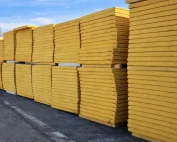
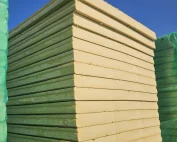
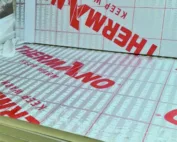
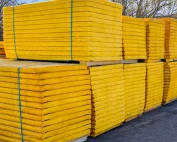
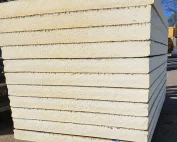
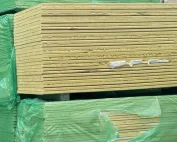
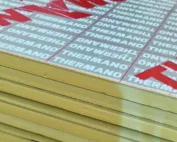
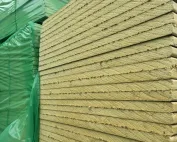
If additional insulation is planned, the heights and details of the eaves, windows and chimneys must be checked. PIR boards can reduce the thickness required for a given thermal resistance. Their installation still requires suitable fixings and moisture control. It is not merely adding an arbitrary board beneath the covering.
Compare variants over the same scope
A repair quote should indicate the areas of intervention, the expected result and the remaining limitations. A replacement quote must include dismantling, waste, substrate, new materials and flashings. In both, scaffolding and protection of the building from rain must be included.
It is worth asking what will happen if unforeseen damage is discovered. Establish how it will be documented and how the cost will be approved. Additional site visits and temporary repairs also have a price. The comparison should cover a realistic work plan, not just the lowest initial amount.
How to decide after the inspection?
Ask for a description of the cause, photos and the recommended scope. If the condition of the structure raises doubts, an assessment by a suitably qualified person is needed. Only on this basis are the material and the sequence of works selected. The scope of changes may also require checking formalities.
After the repair, keep the documentation and establish a plan for inspecting the repaired areas. A lasting result requires eliminating the cause, not just covering its traces. A well-executed repair is sensible for a local problem. Replacement becomes justified when the condition of the entire system does not allow for such a repair.
7 branches. Materials closer to your project.