Roofing complaints: which purchasing and installation errors cause them?
Renovation and maintenance
Most roof complaints stem from ordering, transport, storage and installation errors rather than manufacturing defects. Before confirming an order, check the roof drawings and item list, and establish who is responsible for measurement and material selection. Give the full profile designation, thickness and colour, because a similar name does not guarantee a matching cross-section. Inspect the delivery before acceptance and store packs as instructed. The article reviews the stages where coating damage, leaks and deformation arise, and explains how to prepare a report and limit disputes.
What can go wrong when ordering?
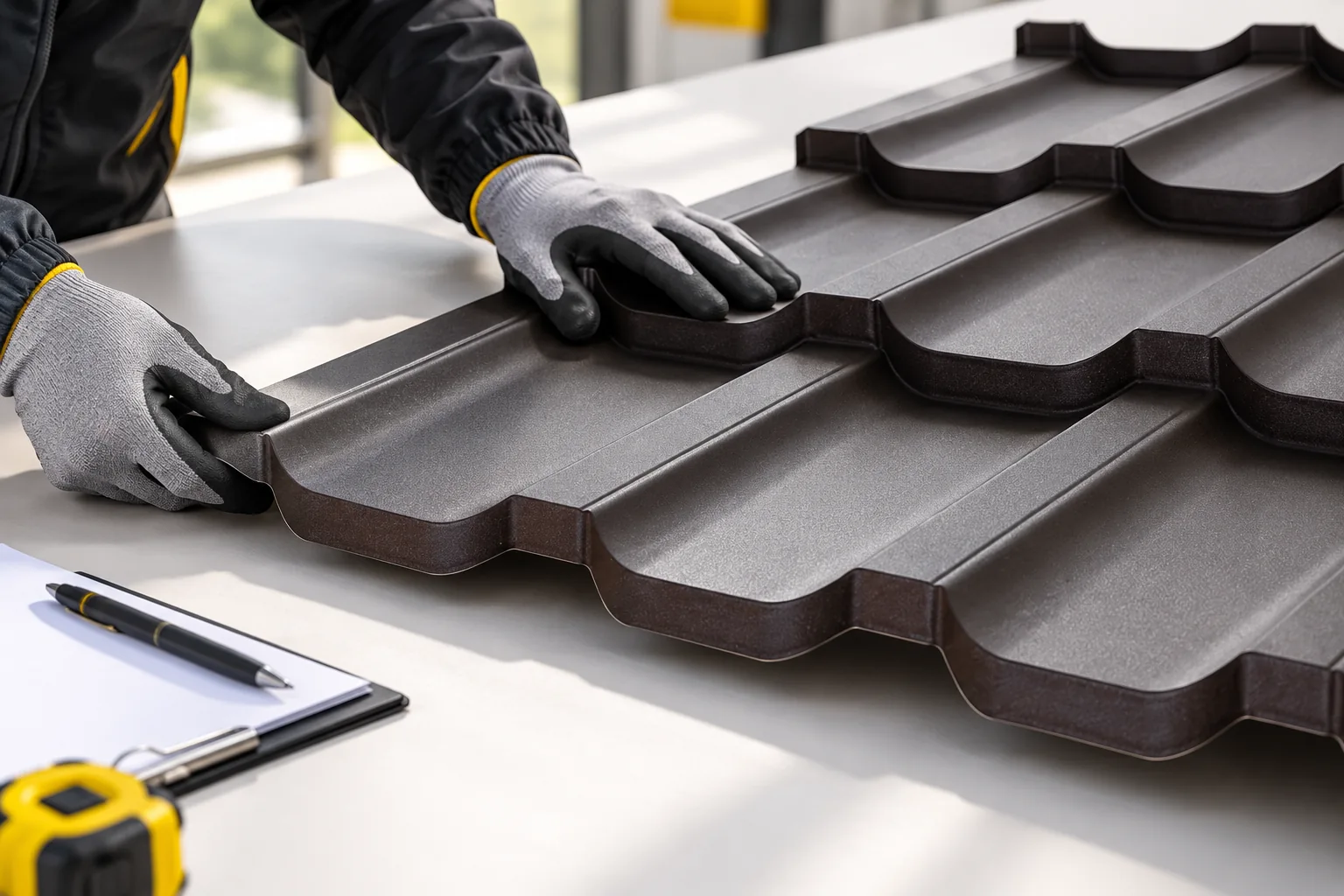
A mistake in length, coated side or coverage width can complicate installation of the entire batch. It is worth providing the full profile designation, thickness and colour, not just a colloquial name. T18 from different suppliers does not have to have an identical cross-section. Similarity in a photo does not guarantee that sheets can be joined.
Before confirming, check the roof slope drawings and the parts list. Establish who is responsible for measurement and material selection. For an order based on a design, a correction may be needed after the roof truss is erected. Differences in building dimensions should not come to light only when laying the first row.
What damage occurs in transport?
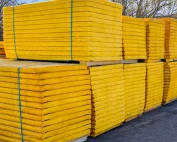
Insufficient securing of packs can cause sheets to shift and become scratched. Long elements require proper support during unloading. Lifting them at random points risks deformation. It is worth inspecting the material before confirming receipt and documenting any damage found in a manner agreed with the supplier.
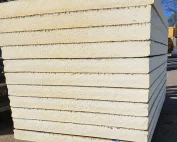
Do not drag sheets over one another and do not place them on a sharp surface. A minor scratch may initially be barely visible and later become a point of corrosion. The same applies to the edges of insulated sandwich panels. A damaged lock makes a tight connection difficult, even when the wide surface of the cladding remains unmarked.
Why does storage matter?
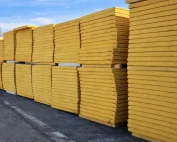
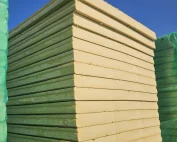
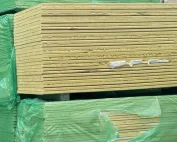
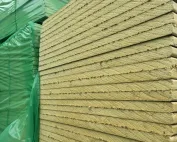
Moisture trapped between sheets can cause surface changes. Transport packaging does not mean that storage on site is possible for an arbitrarily long time. Packs must be stored in accordance with the instructions, with protection from water and the possibility of ventilation. If they get wet, it may be necessary to unpack and dry them.
Protective film also has a limited time for remaining on the material. Long exposure to sunlight can make it difficult to remove. Residues of adhesive and film therefore do not have to indicate defective sheet metal. It is worth coordinating the installation date with delivery, instead of ordering material many months before the structure is prepared.

What damages the coating during installation?
An angle grinder generates heat and hot particles that can damage the sheet’s protective coating. Cutting should use tools specified by the manufacturer. After drilling and cutting, swarf collects. Left on the roof slope, it can rust and form stains, even though the sheet itself was correctly manufactured.
Hard soles, sliding tools and improper walking on the profile can also cause damage. Small touch-ups are carried out with a compatible material. Painting over a large area with an arbitrary paint can worsen the appearance. It is therefore important to distinguish a correct spot repair from uncontrolled renovation.
What errors cause leaks and deformation?
Poorly selected screws, incorrect washer pressure and improper laps can let water through. Too large a support spacing encourages deflection of the sheets. For long elements, thermal movement must be taken into account. The problem may result from several minor errors that individually go unnoticed during acceptance.
Roof valleys, chimneys and eaves are checked with particular care. Sealant does not replace a correct drainage path. A lack of unobstructed ventilation, in turn, can lead to condensation mistaken for a leak. The diagnosis should therefore cover the roof cross-section and usage conditions, not just the location of the visible stain.
Do differences in appearance always indicate a defect?
The shade on the roof depends on light, viewing direction and the type of coating. Different batches may have permissible differences defined in the documentation. This does not mean that every discrepancy should be accepted. The markings, order scope and surface assessment conditions specified for the given material must be compared.
Slight waviness of a flat cladding also requires assessment according to the appropriate criteria. The cause may be the profile, the substrate or installation stresses. A photo taken at a sharp angle can strongly emphasise the unevenness. It is worth keeping a factual description with dimensions, rather than making a determination solely on the basis of impression.
How do you prepare a report and limit disputes?
Collect the invoice, batch markings, product data sheet and photos before and after installation. Describe when the problem was noticed and its location. Do not carry out repairs that remove significant traces before the inspection method is agreed, unless urgent protection of the building is needed. Document such action as well.
Separate the established observation from the assumption about the cause. Documentation facilitates conversation with the contractor and supplier. However, it does not replace expert assessment when the dispute concerns structure or tightness. Most problems are limited by a clear order scope, delivery acceptance and inspection of works before important details are covered.
7 branches. Materials closer to your project.