When do the advantages of a metal roof make a difference?
Choice of covering
A metal roof can combine low weight, varied appearance and efficient coverage of large areas, but these benefits emerge only once the product is matched to the specific project. It is worth checking the load capacity and condition of the structure, the required pitch, the support spacing and how the loft will be used, and only then choosing the profile and coating. When replacing a covering, a lighter material may make it easier to find a suitable variant, yet it does not confirm that the old roof truss is sound. Assess the whole roof with its insulation, fixings and details, because the covering alone does not make it.
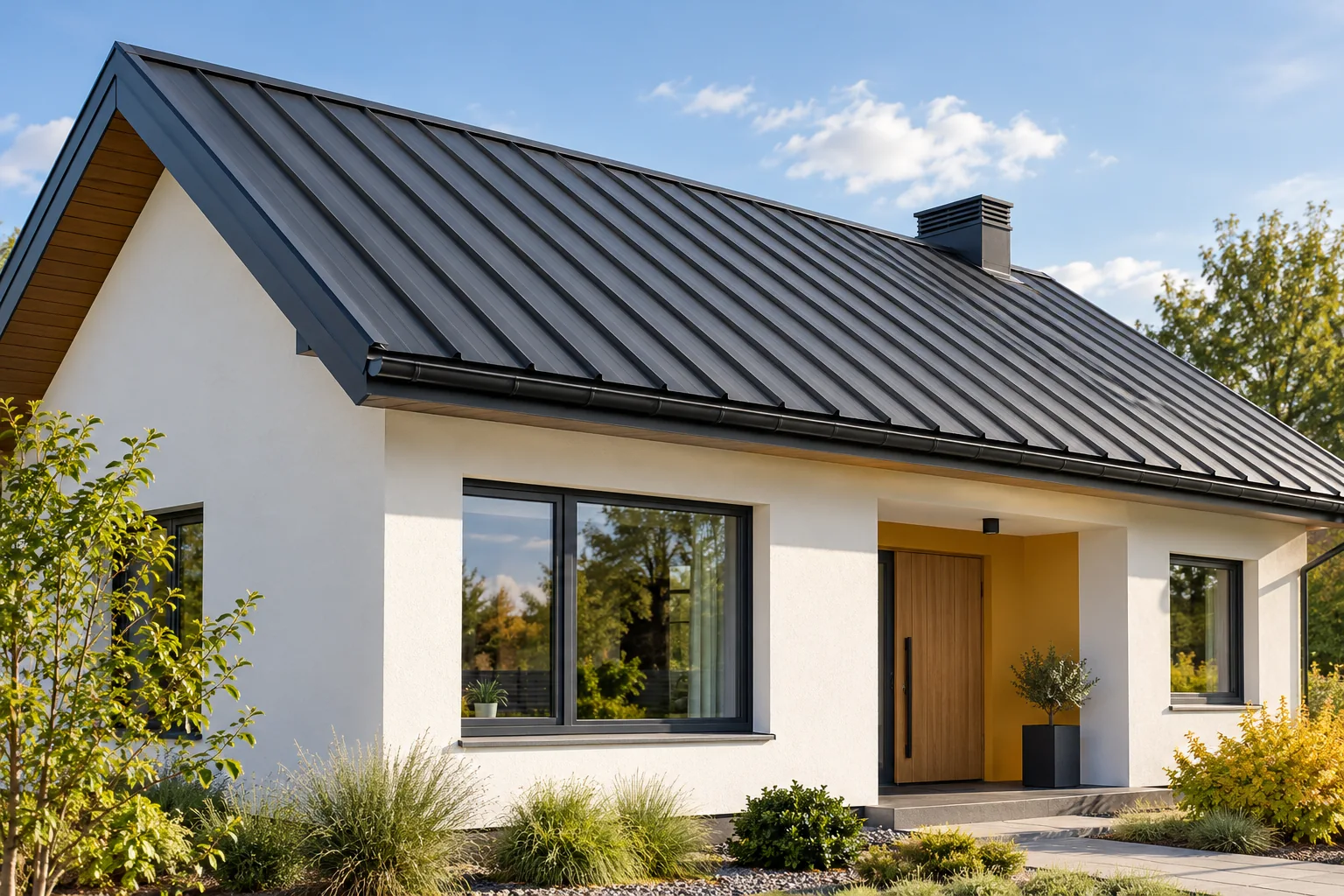
What does the low weight of the covering provide?
Weight is one argument for considering metal sheeting for a new roof and renovation. It affects the load on the structure and the organisation of transport. However, loose sheets alone should not be compared. A complete roof also includes the substrate, insulation, fixings and other layers specified in the design.
When replacing the covering, a lighter material can make it easier to find a suitable option. However, it does not guarantee that the old roof structure is sound. Joints, deformations and traces of moisture must be assessed. The benefit of lower weight only matters once the entire structure has been checked.
How can the choice of profiles and formats be used?
Tile-effect metal roofing allows a rhythm similar to traditional coverings, while trapezoidal steel sheet gives a simpler roof slope pattern. Choosing T18 or T35 changes the proportions of the profiles. Cut-to-length and modular formats, in turn, allow deliveries and sheet layout to be planned differently. There is therefore no need to adapt every building shape to a single material type.
Technical requirements are established first, then the appearance is chosen from compliant products. Permissible pitch and support take priority over colour. A sample shows the coating, but only a visualisation of the entire roof slope helps assess the scale of the pattern. This applies especially to small houses and complex roofs.
When do large sheets improve the work?
On a simple roof slope, sheets matched to its length can reduce the number of transverse joints. They also make it easier to organise the covering layout. However, this benefit requires precise measurement, space for unloading and proper lifting. An overly large element can be inconvenient on a tight plot.
On a roof with roof valleys and dormers, a smaller modular format can be useful. It allows work and material to be distributed differently. This does not mean that installation is always shortened by a specific time. The pace depends on the geometry, substrate preparation, crew equipment and number of details. It is best to compare two specific execution plans.
What does factory surface protection provide?
Coated steel sheet arrives on site with protection suited to the specific application. Various types of coating, colours and gloss levels can be selected. This allows the covering to be matched to the surroundings and the building’s appearance. At the same time, the product’s limitations and its maintenance conditions must be checked.
The coating is not resistant to every way of handling the sheet. Overheating during cutting, left-over swarf and abrasion can impair the protection. Correct tools and cleanliness during installation are therefore part of exploiting the material’s advantages. The price of a better coating makes sense when the workmanship does not destroy it from the start.

Does steel sheet help create a warm roof?
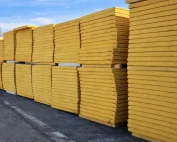
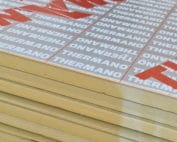
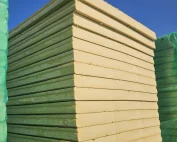
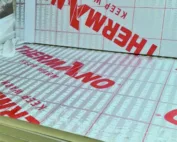
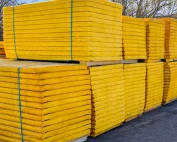
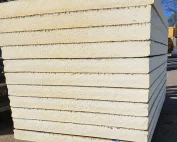
Thin steel sheet alone does not provide the building with the necessary thermal insulation. It can, however, be combined with a designed insulation build-up. PIR boards with an appropriate declared lambda value allow the required thermal resistance to be achieved at a smaller thickness than selected EPS variants. This does not determine all the properties of the building envelope.
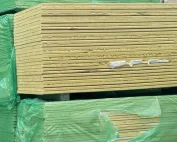
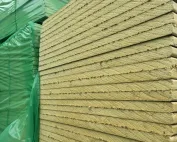
Another solution is a roof sandwich panel with steel facings and an insulating core. This is a ready-made element requiring suitable supports, connections and flashings. It should not be confused with a plain PIR insulation board. Each of these systems has its own conditions regarding moisture, fire and use.
What limitations must be honestly taken into account?
Before purchase, the possibility of condensation, ventilation requirements and acoustic comfort must be checked. In an open carport, dripping condensate may be important. In an attic bedroom, the full cross-section and sound transmission matter more. An anti-condensation fleece does not replace insulation or all the roof layers.
Safe access to equipment and subsequent maintenance must also be planned. Not every point on the sheet is intended to carry a person’s load. A metal roof requires inspection of connections, flashings and drainage. These limitations can be taken into account in the design and maintenance rules.
How can advantages be turned into a good choice?
Draw up a list of conditions: roof slope shape, pitch, support spacing, intended use of the attic and the building’s surroundings. Add appearance requirements and planned equipment. On this basis, compare two or three permitted variants. This allows solutions that fit only visually to be rejected.
Calculate the cost for the entire scope including flashings, fastening, delivery and installation. Define the maintenance rules and the scope of documents after acceptance. Then low weight, good format and the right coating become concrete benefits. A good roof results from matching these features to the building, not from a single promise in the product description.
7 branches. Materials closer to your project.