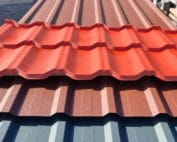
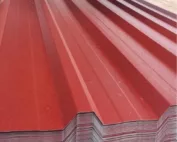
When can you use second-grade trapezoidal steel sheets for roofs and façades?
Sheets and roofs
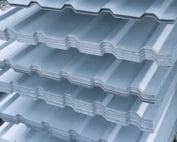
Second-grade trapezoidal sheet may be suitable for a roof or façade only when the parameters of the specific batch and the reason for the price reduction are known. It is necessary to establish whether the issue is an appearance defect or damage that hinders tight installation or affects load-bearing capacity. The term “second grade” alone does not indicate what deviates from the requirements. Before deciding, the profile, thickness, steel grade and coating must be confirmed, and the geometry and connections assessed. The final selection is left to the designer.
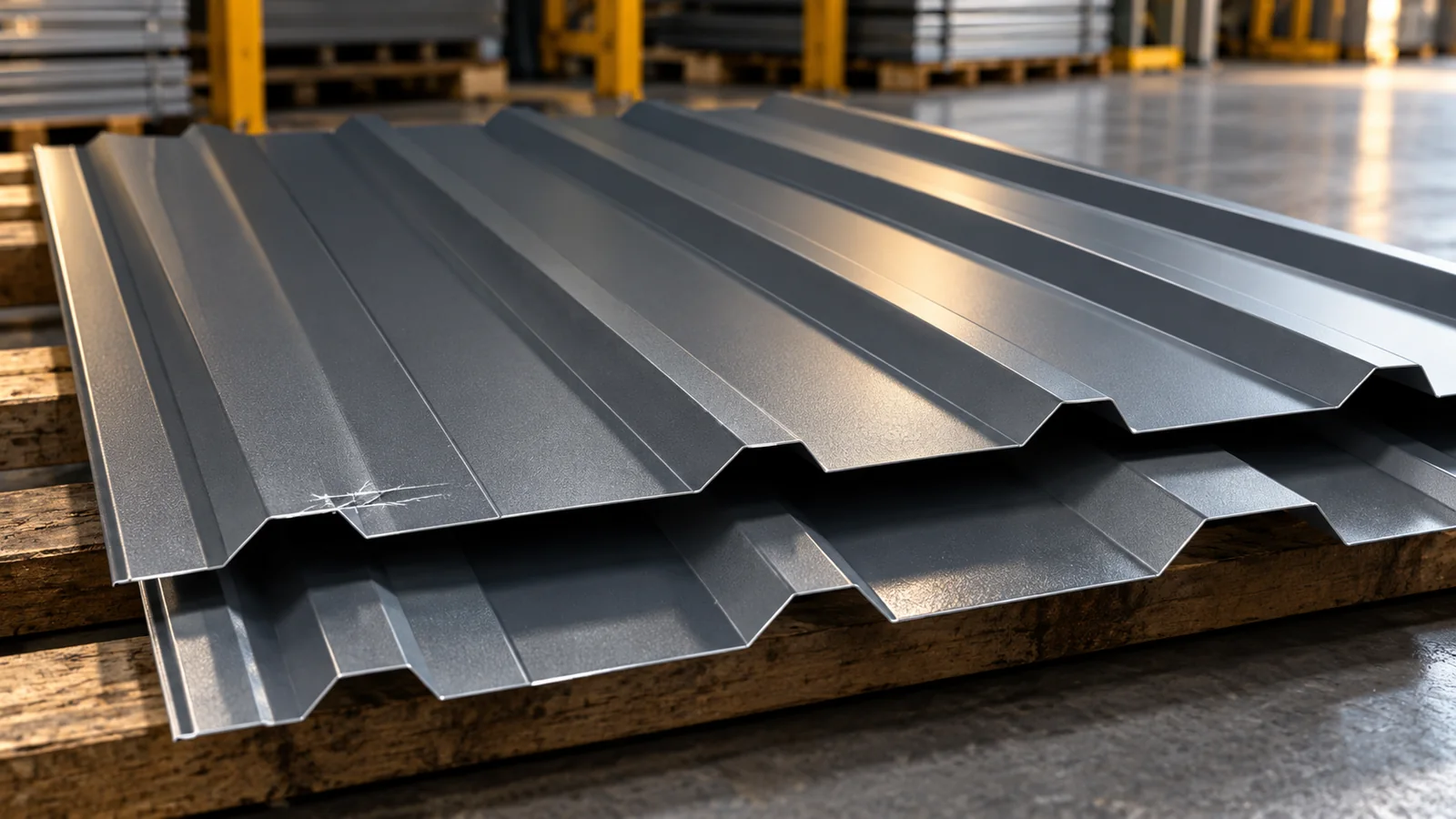
What can second grade mean?
The reason for the price reduction varies. It may be a change in appearance, scratching, a geometric deviation or another non-conformity. Some cheap materials, by contrast, are fully serviceable order remnants, which are not the same as a defective product. These situations must be separated before discussing the application.
Ask for a description of the batch, not a general assurance that the sheet is good. Establish which properties are confirmed and whether the available documentation refers to these sheets. If it is not known what caused the change of grade, there is no basis for treating the defect as purely aesthetic. A low price does not define the permissible range of use.
Which parameters must be confirmed?
The full profile, nominal thickness, steel grade and type of coating are needed. Check the cover width and the lengths of the individual sheets. A stock batch may contain various variants. A similar colour or the same trapezoidal height does not ensure that the edges match.
For use on a roof, data are also needed to assess the load-bearing capacity and the sealing conditions. The documentation for a standard model is not automatic confirmation of every batch discounted due to an unknown non-conformity. It must be established whether the specific defect changes the possibility of use. In case of doubt, the assessment should be carried out by a designer or the person responsible for selecting the covering.
Which visual defects require particular caution?
A slight difference in shade has a different significance than a scratch exposing the steel. In the second case, the protective layers may have been damaged. The repair must be matched to the condition of the coating and the extent of the damage. It should not be assumed that any paint will restore all the properties of the factory protection.
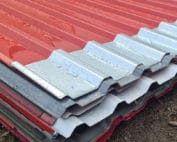
Corrosion, blisters, detachment of the coating and traces of prolonged moisture require clarification. Also check the underside of the sheet. Defects may be invisible when only the top surface of the pack is viewed. If the material is to be used in a damp or aggressive environment, the importance of protection increases. A good-looking outer part does not determine the suitability of the entire product.

How to check geometry and connections?
Check the flatness of the sheets, the shape of the ribs and the overlapping edges. A crushed edge can prevent a correct connection. Deformation of the profile can affect the bearing and performance under load. Do not force the material straight and assume that after levelling it has regained all its parameters.
A trial assembly of a few elements helps to assess the fit, but it is not a load-bearing test. Check representative pieces from different places in the batch, not only the sheet shown. Also determine the amount of waste after cutting out defective fragments. An overly optimistic plan may leave short pieces that cannot be used with the required overlaps.
When does using it on a roof or façade make sense?
It may be justified when the defect is precisely described, the properties required for the given application remain confirmed, and the appearance is acceptable. An example may be an element with an aesthetic deviation irrelevant to the project. However, the final assessment should take into account the environment and the method of installation.
A façade does not automatically mean lower requirements. Wind also loads walls and fences. A sheet used vertically still needs proper support and fixing. In a structural application, the lack of traceable data is particularly serious. Do not direct unverified sheet metal to a roof just because the building is small or used for storing tools.
How do you calculate the actual saving?
Compare the price of usable material after rejecting defective areas. Add extra cuts, repairs, transport and possible mixed lengths. The installer’s time also has value. A cheaper purchase may require more work than a new, uniform batch prepared to size.
Determine the scope of warranty and liability stated in the terms of sale. Do not assume either full protection of a standard product or its complete absence without checking the documents. Keep a description of the defects and photos before purchase. A favourable transaction is possible when it is known what you are paying less for and what the consequences are. The percentage discount alone is not enough to assess profitability.
How should you inspect and store a discounted batch?
Check the quantity, markings and conformity of the condition with the agreed description. The material should be transported and supported as carefully as a fully functional product. Second grade does not justify additional dents during unloading. Separate sheets requiring a decision before starting installation.
Protect the packs from water and ensure ventilation. If an undescribed defect appears after delivery, clarify it before using the material. Installation may make it difficult to later assess where the damage came from. A well-conducted acceptance allows you to maintain control over the scope of accepted deviations and avoid installing a sheet whose suitability has not been confirmed.
7 branches. Materials closer to your project.